There is no single “biggest buyer” unless the measure is defined. In the latest complete country table available from World Bank WITS/UN Comtrade, for 2024, the European Union was the largest reporting import market as a bloc, at about US$77.1 million. Among individual countries, Spain reported the highest saffron import value, about US$56.3 million, followed by India at US$37.7 million.
That answers a trade question, not a consumption question. Imports can be repacked, processed, stored, or re-exported, and domestic production may never cross a customs border. Claims that India is unquestionably the largest consumer or that the United States leads all saffron imports therefore need more evidence than a general market article usually provides.
Biggest Saffron Buyers: Top Global Consumers and Importers
The biggest saffron buyers include importers, spice processors, food manufacturers, wholesalers, distributors, supermarket suppliers, restaurants, supplement companies, and individual households. They buy different grades, forms, quantities, and documentation. A country ranking cannot tell a grower which company will purchase a particular lot.
For a comparable public measure, this article uses the customs category HS 091020, “Saffron,” and ranks reporting import markets by declared 2024 trade value. The World Bank WITS country table, sourced from UN Comtrade, was checked on 27 August 2026. Figures are gross imports and may be revised.
Leading Saffron Consumers
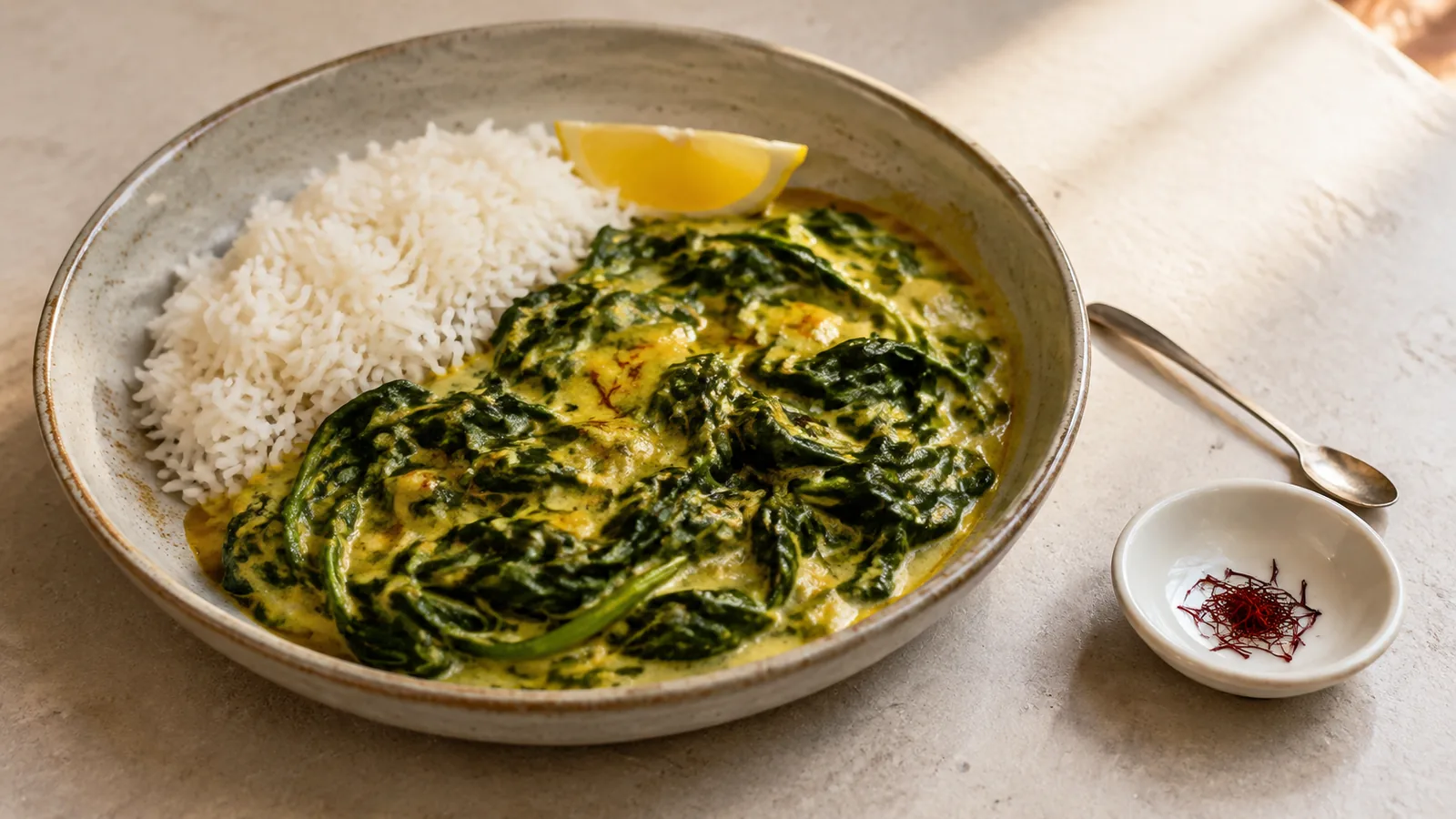
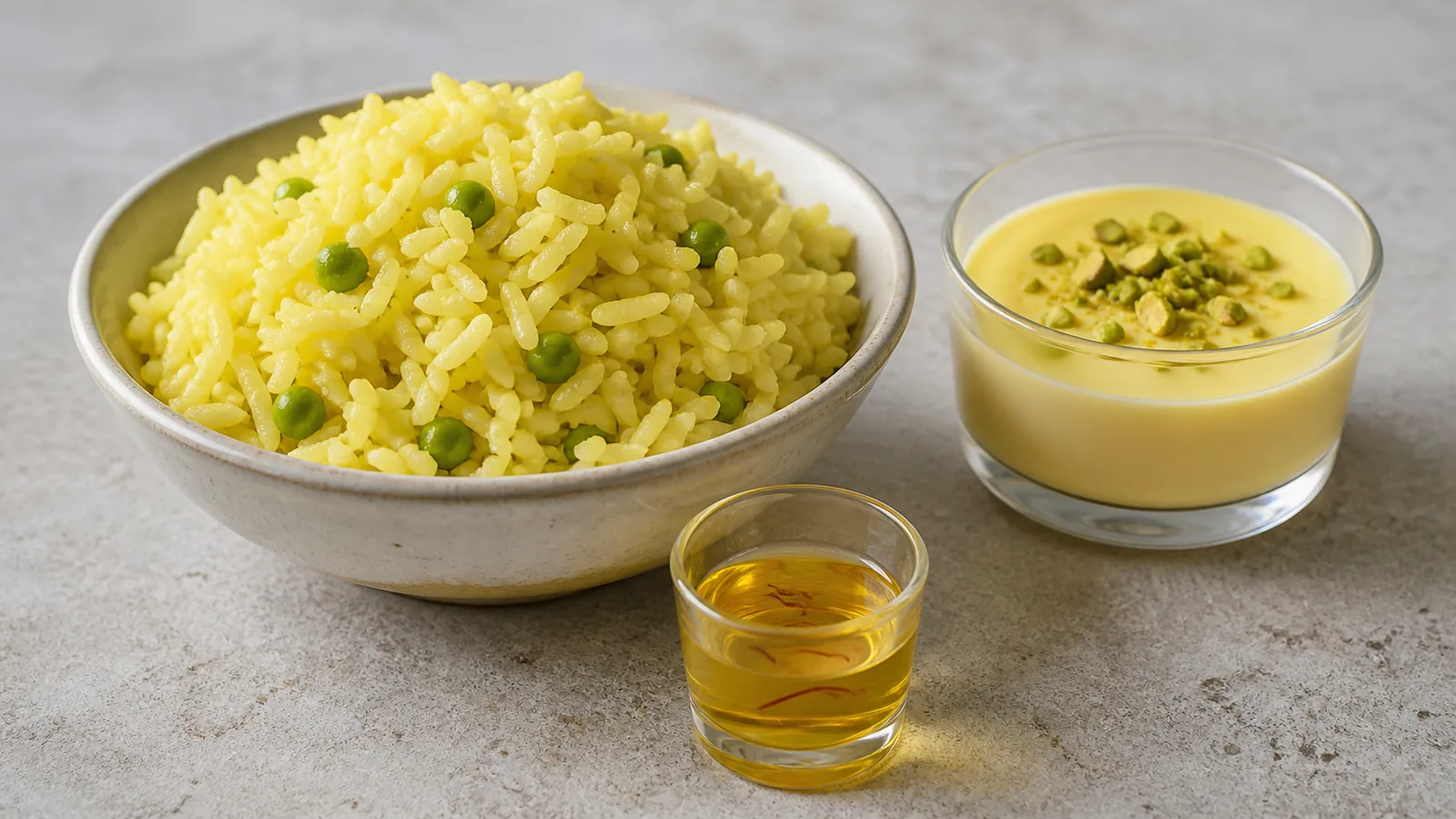
Who buys saffron for final use? Demand is spread across places with strong culinary, cultural, gifting, and wellness traditions. India uses saffron in biryani, pulao, sweets, milk drinks, and ceremonies. Iran has deep household and restaurant use alongside its role as a major producer. Spain uses saffron in paella and regional dishes, while Gulf markets value it in food, drinks, hospitality, and gifts.
Those observations do not create a defensible global consumption league table. A “largest consumer of saffron” statistic would need aligned data for household use, food service, manufacturing, domestic production, imports, exports, inventory, waste, and the same year. Public customs records measure only cross-border trade.
Which country is the largest consumer of saffron? India is often described that way because of its population and extensive culinary and cultural use, but the claim should be presented as a common market description rather than a verified current global total. Iran also consumes substantial domestically produced saffron that import rankings cannot capture.
Retail and industrial demand differ. A household may buy 0.5 g for cooking, while a processor buys kilograms for packaged food. A supplement manufacturer may require an extract specification rather than culinary threads. Counting buyers, kilograms, and dollars can each produce a different leader.
Biggest Saffron Importers
By reported 2024 import value, WITS lists these leading markets:
- European Union: US$77.1 million as an aggregate customs bloc.
- Spain: US$56.3 million.
- India: US$37.7 million.
- Italy: US$20.1 million.
- Saudi Arabia: US$19.3 million.
- United States: US$18.2 million.
- China: US$16.4 million.
- France: US$11.8 million.
The EU total overlaps its member-country entries, so it must not be added to Spain, Italy, France, or other members. Looking only at individual countries, Spain—not the United States—was the biggest saffron importer by declared value in this 2024 table. The old statement that the US “leads the pack” is no longer supported by this measure.
The biggest saffron exporter is a different question and cannot be inferred by reversing this importer table. Re-export hubs and country-of-consignment reporting can also make the shipping country differ from the place where the crop was grown.
Saffron buyers in Europe are not one type of customer. Spain can import for domestic use, blending, packing, and re-export. France, Italy, Germany, Sweden, and other markets contain both retail and business buyers. In the United States, saffron buyers include specialist grocers, restaurant distributors, ingredient importers, and direct consumers, but the country ranked sixth by value in the cited table.
Buyers of saffron in India span household retail, sweets and dairy production, hospitality, gifting, ingredient distribution, and traditional product channels. Saffron buyers in USA markets likewise range from direct consumers to food-service and manufacturing businesses. Neither phrase identifies a vetted company or an open purchase order.
Saffron importers and saffron wholesale buyers should also be distinguished. The importer of record handles customs responsibility; the wholesaler may buy after entry. One company can do both, but a public country total does not reveal a verified buyer list or current purchasing intention.
Saffron importing countries in a customs table are reporting destinations, not automatically the countries of final consumption. The same shipment can enter one market, be packed there, and later move to another.
Factors Influencing Saffron Demand
Culinary tradition creates repeat demand in rice, sweets, drinks, sauces, seafood, and bakery products. Food manufacturing creates larger, specification-driven orders. Gifting and hospitality support premium small packs. Research and supplement interest create another channel, although a wellness trend should not be confused with proven treatment value.
Price, authenticity, origin, thread composition, colour and aroma performance, moisture, residue requirements, microbiological testing, packaging, payment terms, and reliable delivery all influence a commercial purchase. A buyer seeking Iranian threads for retail jars has different needs from a factory seeking a standardised extract.
Trade policy matters too. Sanctions, banking access, tariffs, customs controls, freight routes, currency, and documentation can redirect trade through an intermediary country. The reported export country may therefore differ from the agricultural origin, and a high import value may partly reflect re-export activity.
Growing saffron does not guarantee a buyer. Anyone asking where to sell saffron should first define annual volume, harvest year, origin, form, test results, pack size, minimum order, target market, and legal capacity to export. A generic email list of “saffron buyers” is often outdated and can expose a seller to fraud.
Where can I sell saffron? Start with licensed spice importers, established ingredient distributors, food manufacturers, producer cooperatives, or a compliant retail channel in the chosen market. Wholesale saffron buyers will normally ask for a specification, samples, traceability, test documents, price terms, and dependable supply before discussing a contract.
For wholesale enquiries, verify the counterparty’s registered business, address, website domain, tax or import identity, references, product specification, payment method, and contract terms. Do not ship samples or transfer fees solely because someone claims to be the world’s largest buyer.
Conclusion
Who is the biggest buyer of saffron? Using the latest complete WITS table and import value as the measure, the European Union was the largest aggregate market in 2024, and Spain was the largest individual-country importer. India followed Spain and remains a major cultural and commercial market. The United States was important, but it was not first in that dataset.
There is no equally clean, current answer for final consumption, and importer rankings do not identify a company ready to purchase a crop. Date every ranking, name the measure, keep the EU aggregate separate from member states, and verify the buyer before treating a market statistic as a sales lead.
For retail saffron rather than a wholesale buyer search, see our current saffron products.