What Not to Mix with Saffron: Key Precautions You Should Know
Saffron is a delicate and powerful spice that adds a rich flavor and vibrant color to dishes. However, not all ingredients are suitable for pairing with saffron. Understanding what not to mix with saffron is essential to preserve its unique qualities and maximize its benefits. In this guide, we’ll discuss the ingredients and substances that could alter saffron’s flavor, reduce its potency, or even cause undesirable reactions.
Avoid Strongly Flavored Ingredients
Saffron has a distinct and delicate flavor that can easily be overwhelmed by more robust ingredients. Strongly flavored spices, such as cumin, fenugreek, and garlic, can overpower saffron’s natural taste. If you want to enjoy saffron’s aromatic profile, it’s best to avoid mixing it with overpowering seasonings. Instead, opt for more subtle herbs and spices, like parsley, thyme, or a pinch of turmeric, which complement saffron without overshadowing it.
Be Cautious with Citrus
Citrus fruits, including lemon and lime, should also be used sparingly when saffron is involved. The acidity of citrus can alter the flavor of saffron, potentially causing it to lose its distinctive sweetness. If you want to add a tangy touch to a saffron dish, try using milder ingredients like tomatoes or even a splash of vinegar, which will not disrupt saffron’s delicate balance as much.
Avoid Mixing with Heavy Dairy Products
While saffron can pair well with milk and cream, heavy dairy products like butter or cheeses may not be ideal companions. The rich fat content of such ingredients can mute saffron’s flavor. If you are looking to make a creamy saffron dish, stick with lighter dairy options, such as low-fat milk or yogurt. These alternatives provide the creaminess you desire while allowing saffron’s flavor to shine through.
Steer Clear of Artificial Colorants
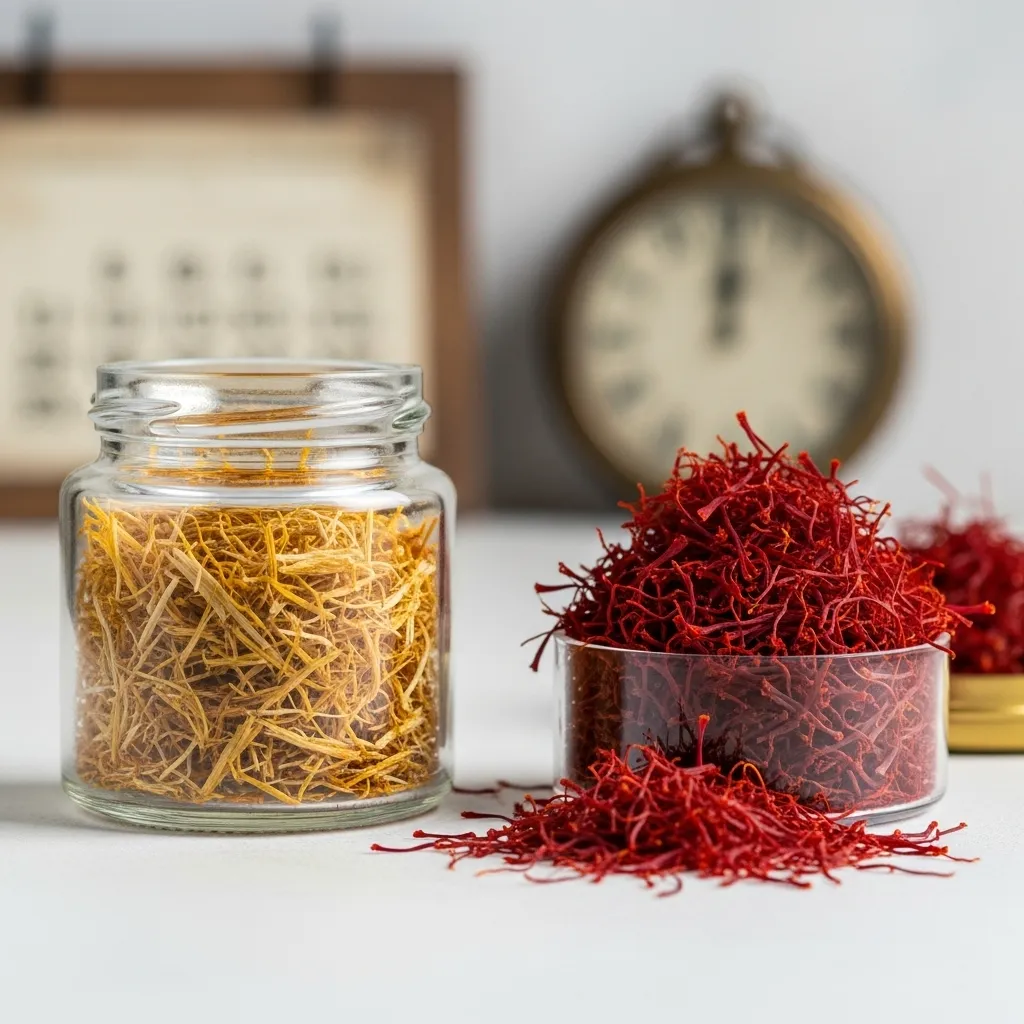
Many people mistakenly mix artificial colorants with saffron, believing it will intensify the spice’s golden hue. However, these synthetic dyes can alter saffron’s natural color and flavor. Saffron already provides a beautiful golden shade, so it’s best to avoid adding any artificial coloring that may compromise the spice’s integrity.
By being mindful of what not to mix with saffron, you can preserve its rich flavor, color, and aroma in every dish. It’s all about balancing the spice’s subtlety with complementary ingredients. For those who want to explore different saffron varieties, be sure to visit our Saffron Products page.
In conclusion, saffron is a versatile and delicate spice, but its full potential is only realized when paired with the right ingredients. Keep these precautions in mind to ensure your saffron dishes are as flavorful and aromatic as possible.
Thank you for reading our guide on what not to mix with saffron. We hope this helps you make the most of this incredible spice!