Negative Effects of Saffron: Potential Risks and Side Effects
Saffron is a highly prized spice known for its rich flavor, vibrant color, and numerous health benefits. While saffron offers various advantages, like boosting mood and improving skin health, it’s important to understand that excessive consumption or improper use can lead to negative effects. In this article, we’ll explore the potential risks and side effects of saffron and provide guidance on how to use it safely.
1. Overconsumption Can Lead to Toxicity
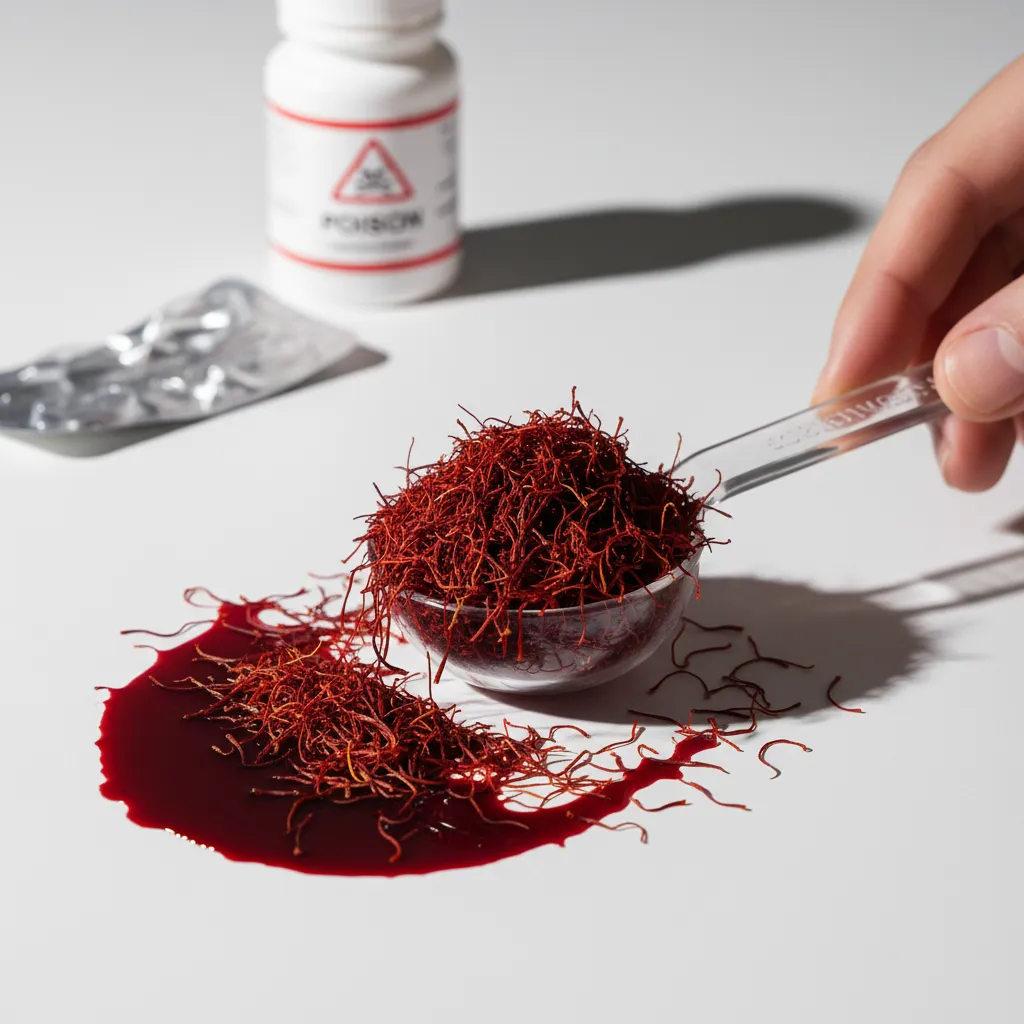
One of the most significant risks of saffron consumption is toxicity caused by overuse. Although saffron is safe when used in moderation, consuming more than 1 gram per day can lead to harmful effects. Symptoms of saffron toxicity include nausea, dizziness, vomiting, and even potential organ damage in extreme cases. It’s essential to stick to the recommended daily dosage of 30-50 milligrams to avoid these risks.
2. Risk of Miscarriage During Pregnancy
Pregnant women should be particularly cautious when it comes to saffron consumption. While small amounts of saffron used in cooking are generally considered safe, taking saffron in large quantities during pregnancy can trigger uterine contractions, which may increase the risk of miscarriage or premature labor. Pregnant women should avoid using saffron supplements or consuming high doses unless advised by a healthcare professional.
3. Allergic Reactions
Some individuals may experience allergic reactions to saffron, though such cases are rare. Symptoms of an allergy can include skin rashes, hives, or difficulty breathing. If you experience any of these symptoms after consuming saffron, it’s important to stop using it immediately and seek medical advice. Always perform a patch test when using saffron-infused skincare products to ensure that your skin does not react negatively.
4. Blood Pressure and Blood Sugar Interactions
Saffron has been shown to affect blood pressure and blood sugar levels. While saffron can be beneficial in moderating blood pressure and improving insulin sensitivity, individuals who are on medications for blood pressure or diabetes should be cautious. Saffron may either enhance or interfere with the effects of these medications. If you are on such medications, it’s important to consult your doctor before using saffron regularly to avoid potential interactions.
5. Digestive Issues
In some cases, consuming large amounts of saffron can cause digestive discomfort. This may include symptoms such as stomach upset, bloating, or diarrhea. These effects are typically seen with high doses, so it’s important to adhere to the recommended dosage. If you experience digestive discomfort after consuming saffron, consider reducing the amount or discontinuing its use.
6. Risk of Skin Irritation
While saffron is generally safe for topical use, it can cause skin irritation or sensitivity in some individuals, especially when used in high concentrations. If you have sensitive skin, it’s essential to perform a patch test before using saffron-infused skincare products. Avoid excessive use of saffron on the skin to prevent irritation, and always use products formulated specifically for skincare.
Conclusion
While saffron offers numerous health benefits, it’s important to be aware of the potential negative effects that can arise from excessive consumption or improper use. To safely incorporate saffron into your diet or skincare routine, always follow recommended dosages and consult with a healthcare provider if you have any concerns. By using saffron responsibly, you can enjoy its many benefits without encountering adverse effects.