The Unique Role of Iranian Saffron in Global Markets
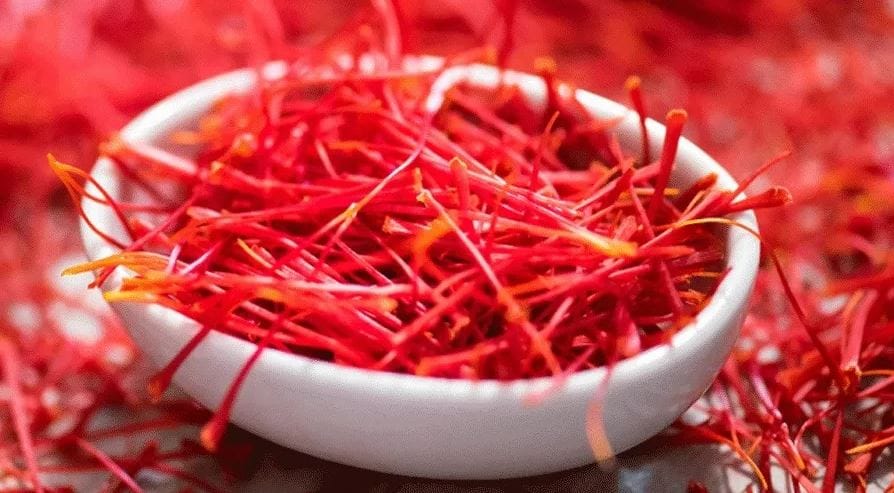
Iranian Saffron Exports : Iran produces 90% of the world’s saffron, making it the largest producer and exporter of this valuable spice. Saffron is cultivated in over 27 provinces. Among these, Khorasan Razavi leads with 92,000 hectares of farmland. South Khorasan follows with 17,000 hectares. Despite producing 450 to 470 tons annually, Iran has significant potential for further growth.
Challenges in Maximizing Saffron Exports
Iranian Saffron Exports:Iran’s saffron industry faces multiple restrictions, limiting its full potential. Experts estimate that with fewer limitations, production could surpass 1,000 tons annually. Moreover, over 750,000 families depend on saffron farming. Addressing these barriers is critical to support farmers and drive export growth.
The $1 Billion Saffron Export Goal
Iranian Saffron Exports:Industry leaders like Gholamreza Miri emphasize the need for reform. They believe that internal improvements and enhanced global outreach could help Iranian saffron exports reach $1 billion. Currently, Iranian saffron is exported to 67 countries. Therefore, easing restrictions and improving processing technologies are essential steps toward this ambitious target.
Technology and Saffron Quality
Competing in the global market requires modern technology. Improving saffron quality and adopting advanced processing methods are vital for strengthening Iran’s position as a premium saffron exporter.
The Value of Saffron Beyond Raw Export
Seyyed Mojtaba Khayami Nekoui, Deputy Minister of Agricultural Jihad, notes that Iran produces 98% of global saffron. Yet, its $400 million export revenue falls short compared to the $11 billion global market value. Developing advanced processing facilities and derivative products is key to enhancing the value of saffron exports.
Recommendations for Future Growth
Iranian Saffron Exports
- Invest in state-of-the-art saffron processing technologies.
- Enhance international branding to position Iranian saffron as a luxury product.
- Foster partnerships with global markets for broader access.
By addressing these challenges, Iran can shift from raw saffron sales to value-added products. This transformation will significantly benefit farmers and the national economy.

![Exporting Saffron to Turkey + Price Guide [Complete 0 to 100]](https://img.rowhanisaffron.com/20260303111347/f1-372.webp)