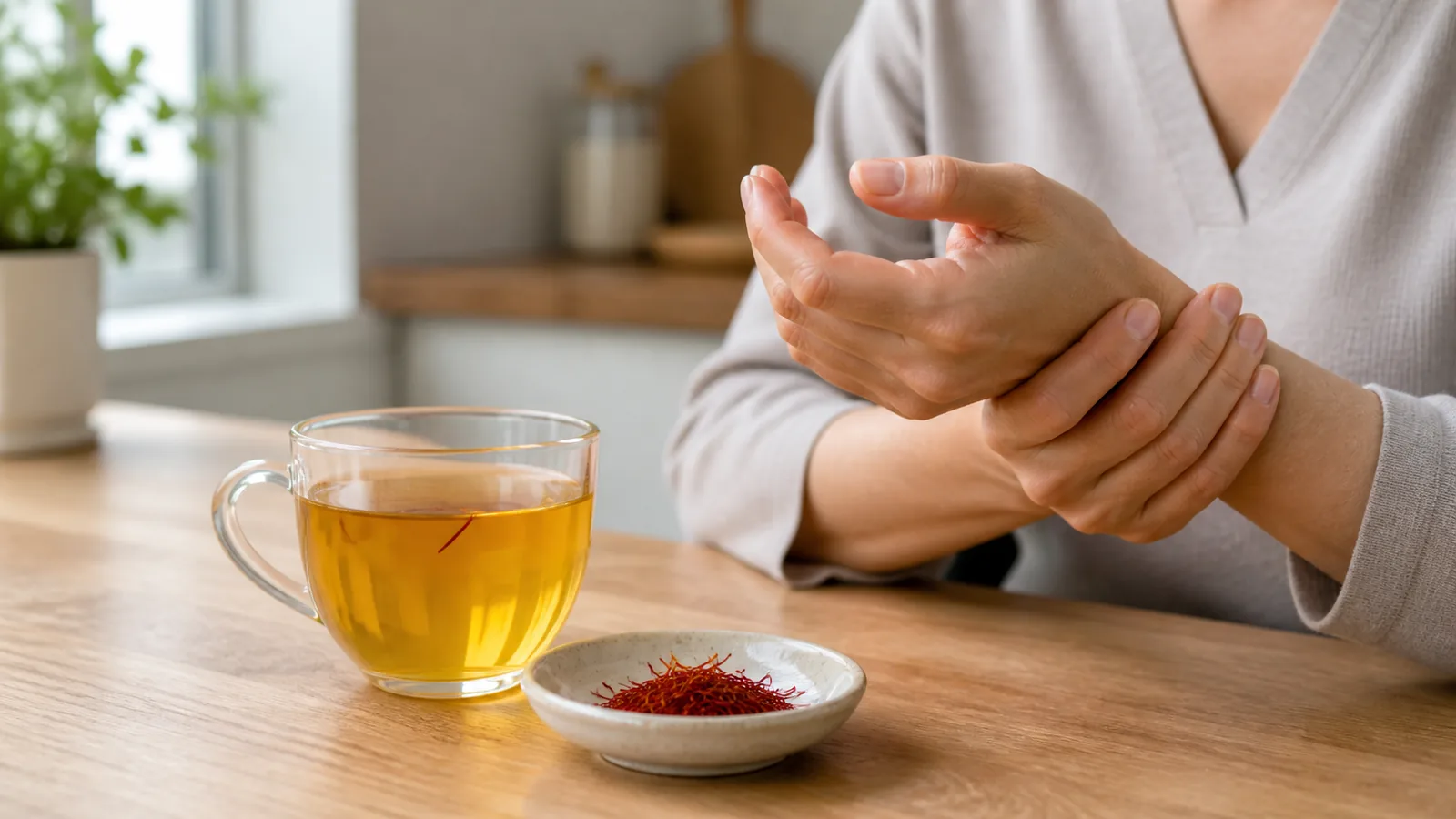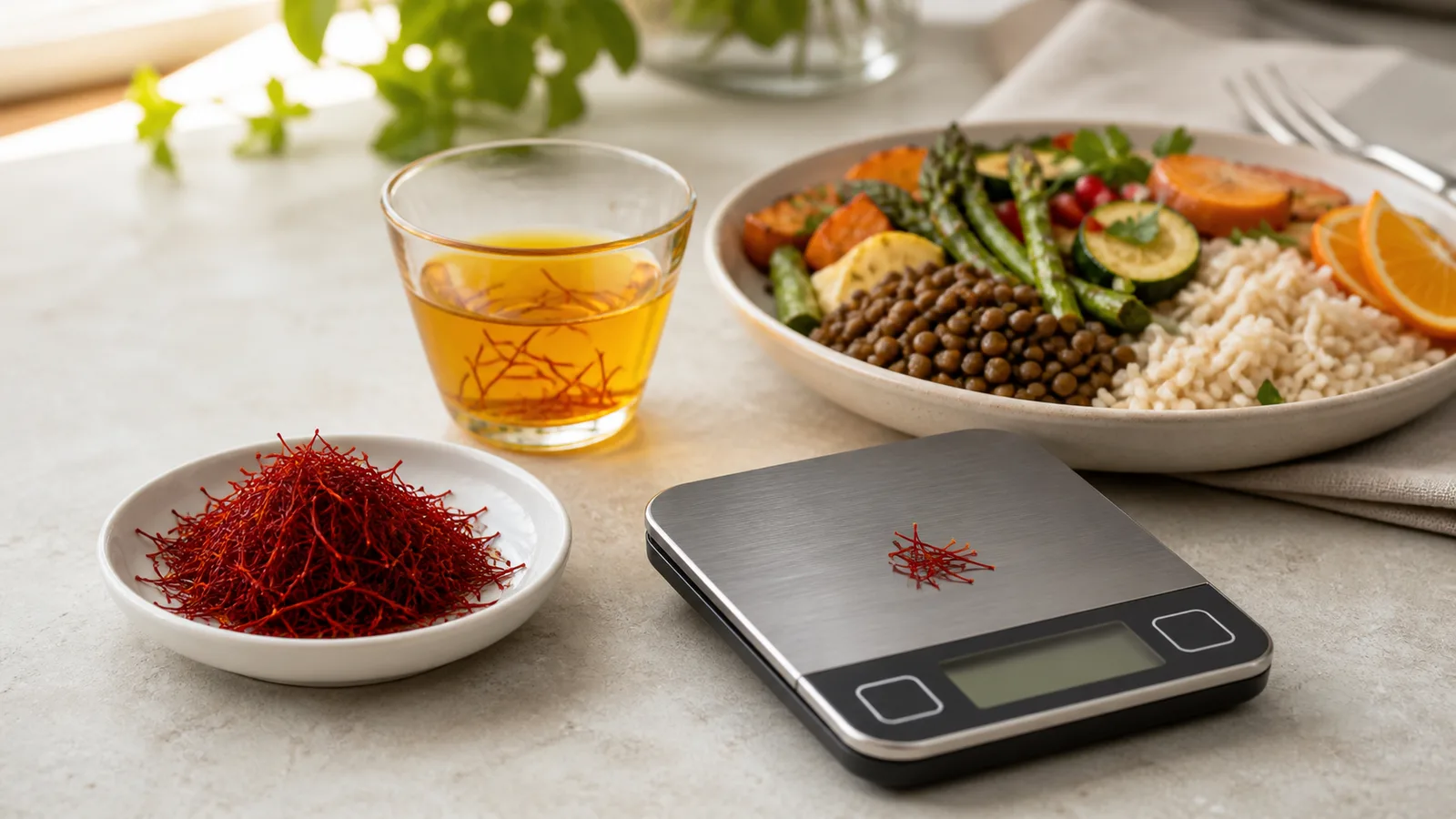
Saffron’s nutritional value is easy to exaggerate because food databases report nutrients per 100 grams, while a recipe uses only a pinch. Dried saffron contains carbohydrate, small amounts of protein and fat, several minerals, vitamin C, and distinctive plant pigments. At the amount normally added to food, however, it contributes very few calories and only a small fraction of daily vitamin or mineral needs.
Saffron is a premium spice in home kitchens and restaurants because harvesting and separating its delicate stigmas is a labor-intensive farm-to-table process. That scarcity makes it valuable; it does not automatically create health advantages. Its crocins, picrocrocin, and safranal explain much of the color, taste, and aroma that make a small amount useful in a meal. The honest way to understand the spice is to separate laboratory composition from the quantity a person actually eats.
Saffron’s nutritional value at a realistic serving size
The USDA FoodData Central entry for dried saffron lists values per 100 g. That is a standard comparison amount, not a suggested serving. One hundred grams would be hundreds or thousands of culinary portions.
A generous 0.1 g portion—roughly a small pinch, with thread count varying by size and grade—scales to approximately:
- 0.31 calories
- 0.011 g protein
- 0.065 g carbohydrate
- 0.004 g fiber
- 1.7 mg potassium
- 0.028 mg manganese
- 0.081 mg vitamin C
These estimates come from scaling the USDA record for spices, saffron (FDC ID 170934). A specific crop can vary with origin, growing conditions, drying, storage, and analytical method. More importantly, the serving-size calculation shows why saffron should not be described as a practical way to meet vitamin C, manganese, or potassium requirements.
What saffron contributes to food
Crocins and crocetin: the golden color
Crocins are water-soluble carotenoid derivatives responsible for saffron’s intense yellow-gold color. Carotenoids are the larger pigment family associated with yellow, red, and orange colors in plants. Crocetin is the related carotenoid backbone. A chemistry review describes crocins as glycosyl derivatives of crocetin, while research on saffron analysis identifies crocin-related compounds as key quality markers.
These compounds are why a little properly bloomed saffron can color an entire dish. The human body cannot produce carotenoids from scratch, so they come from food; dark green vegetables, carrots, and bell peppers provide them in meaningful food portions. “Saffron contains carotenoids” is accurate. Claims that a culinary pinch therefore prevents cardiovascular disease, premature aging, or cancer are not. Laboratory antioxidant activity and preclinical findings do not by themselves prove disease prevention in people.
Picrocrocin: the characteristic taste
Picrocrocin contributes saffron’s gently bitter taste. It helps distinguish real saffron from a product that provides only yellow color. The goal in cooking is balance: enough saffron to be recognizable, but not so much that bitterness takes over.
Safranal: much of the aroma
Safranal is an important volatile aroma compound that develops in relation to drying and storage. It is sensitive to handling, which is one reason old, poorly sealed, or overheated saffron can smell flat even when it still looks red.
A review of saffron apocarotenoid analysis explains the roles of crocetin sugar esters, picrocrocin, and safranal in the spice’s color, taste, and aroma. Those sensory effects are the most immediate benefits a cook can expect.
Is saffron rich in vitamin C?
Only if the comparison ignores serving size. The USDA legacy record reports 80.8 mg vitamin C per 100 g, which sounds substantial. A 0.1 g culinary portion provides about 0.081 mg. For context, the adult recommended amount is measured in tens of milligrams per day, not hundredths of a milligram.
Vitamin C, also called ascorbic acid, does support collagen synthesis, antioxidant defenses, immune-system function, and absorption of nonheme iron. The NIH Office of Dietary Supplements vitamin C fact sheet explains those established functions. It does not follow that a pinch of saffron supplies enough vitamin C to boost immunity, produce red blood cells, satisfy daily requirements, or transform skin health.
Fruit and vegetables such as citrus, peppers, kiwifruit, strawberries, and broccoli are far more practical vitamin C sources. Saffron can flavor a meal containing those foods, but it should not replace them.
Does saffron supply useful manganese or potassium?
Manganese
Manganese acts as a cofactor for enzymes involved in metabolism and other body processes. Saffron looks manganese-rich in a 100 g table because the database lists 28.408 mg per 100 g. At 0.1 g, that becomes about 0.028 mg.
Manganese has roles in metabolism and bone health, but that does not mean saffron regulates thyroid function or controls blood sugar. The claim that a significant share of the global population has manganese deficiency is not supported. The NIH manganese fact sheet says deficiency is very rare in humans and identifies no known groups likely to have inadequate intake. Saffron is not a treatment for manganese deficiency, a thyroid disorder, bone disease, or a blood-sugar problem.
Potassium
Potassium helps nerves and muscles function and is important in blood-pressure physiology. Dried saffron contains potassium, but about 1.7 mg in a 0.1 g portion is nutritionally small. Beans, lentils, potatoes, leafy greens, yogurt, and many fruits contribute far more in normal servings.
Potassium-rich eating patterns can support cardiovascular health, but the tiny amount here is not enough to relax blood vessels, lower blood pressure, or prevent strokes or heart attacks. Anyone managing heart or kidney disease should follow individualized clinical advice rather than use a spice as a mineral supplement.
What “warm nature” means—and what it does not
Persian and other traditional systems often describe saffron as having a warm nature. That is a historical classification of body temperament, not a modern nutritional measurement. It should not be translated into claims that saffron changes core body temperature, corrects anemia or extreme fatigue, treats cold-induced ailments, balances a “cold body,” or strengthens the immune system during colder seasons.
Tradition can explain how people have used and described an ingredient. Clinical claims still require appropriate human evidence. If fatigue, cold intolerance, or suspected anemia persists, the useful next step is medical assessment; possible causes include iron deficiency, thyroid disease, sleep problems, medicines, and many other conditions.
How to get the most culinary value from saffron
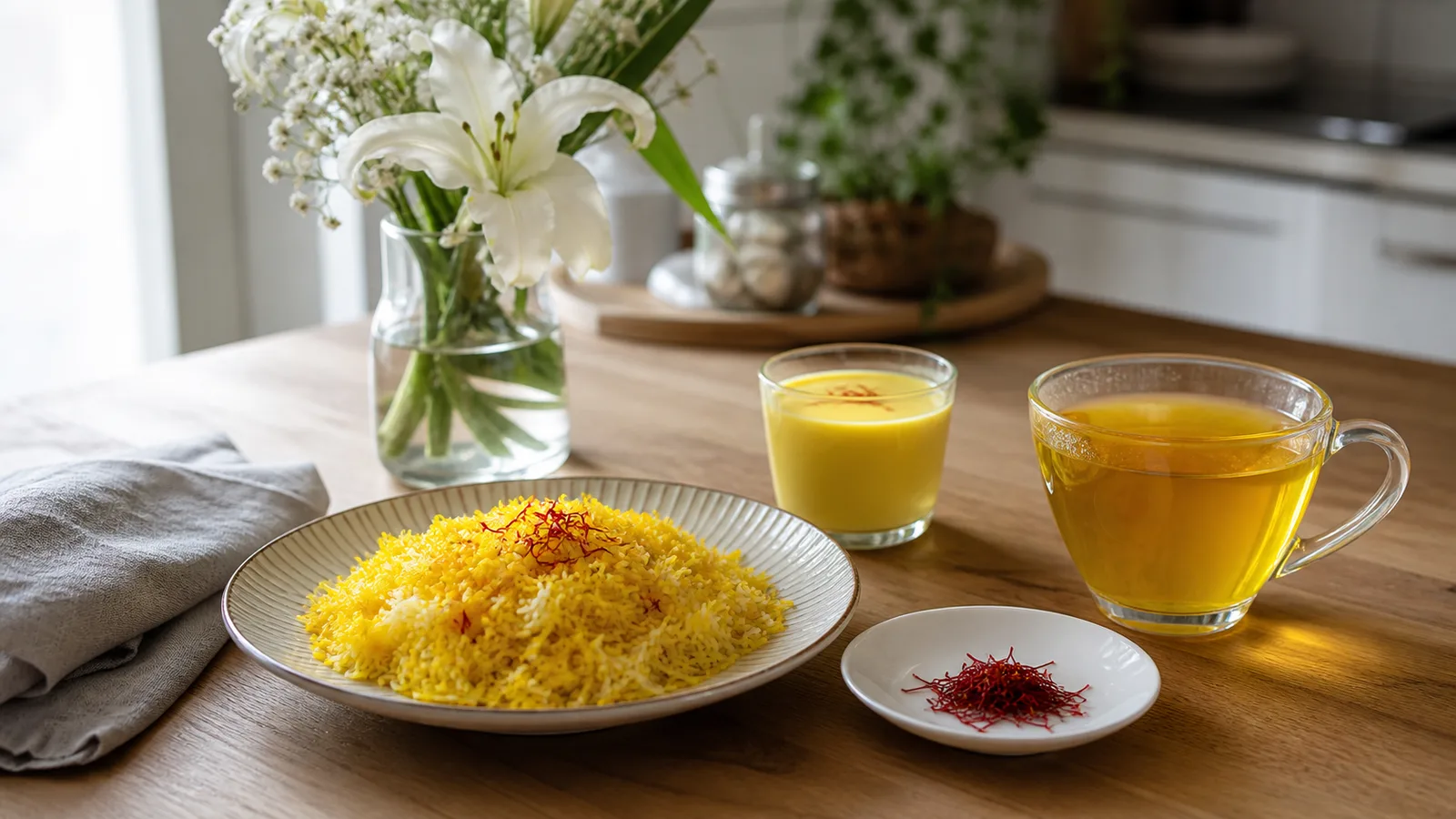
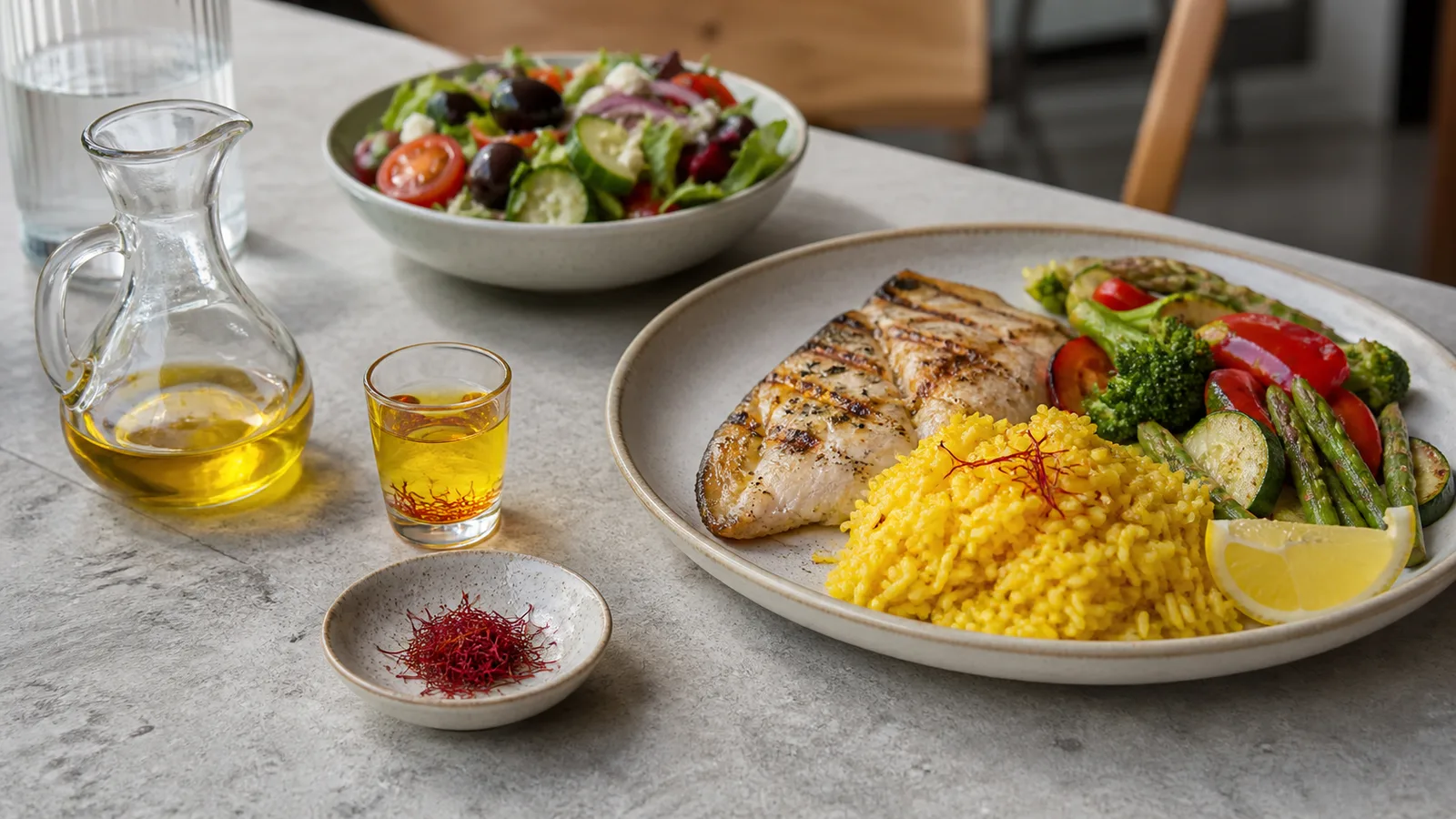
Saffron earns its place in a balanced diet through sensory impact. Its aroma and color can make rice, vegetables, legumes, fish, chicken, soup, yogurt, milk, or an unsweetened drink more appealing without a heavy sauce.
- Use genuine, dry threads with a clean hay-like, floral aroma and a deep red appearance.
- Lightly crush a small pinch rather than turning it into dusty powder.
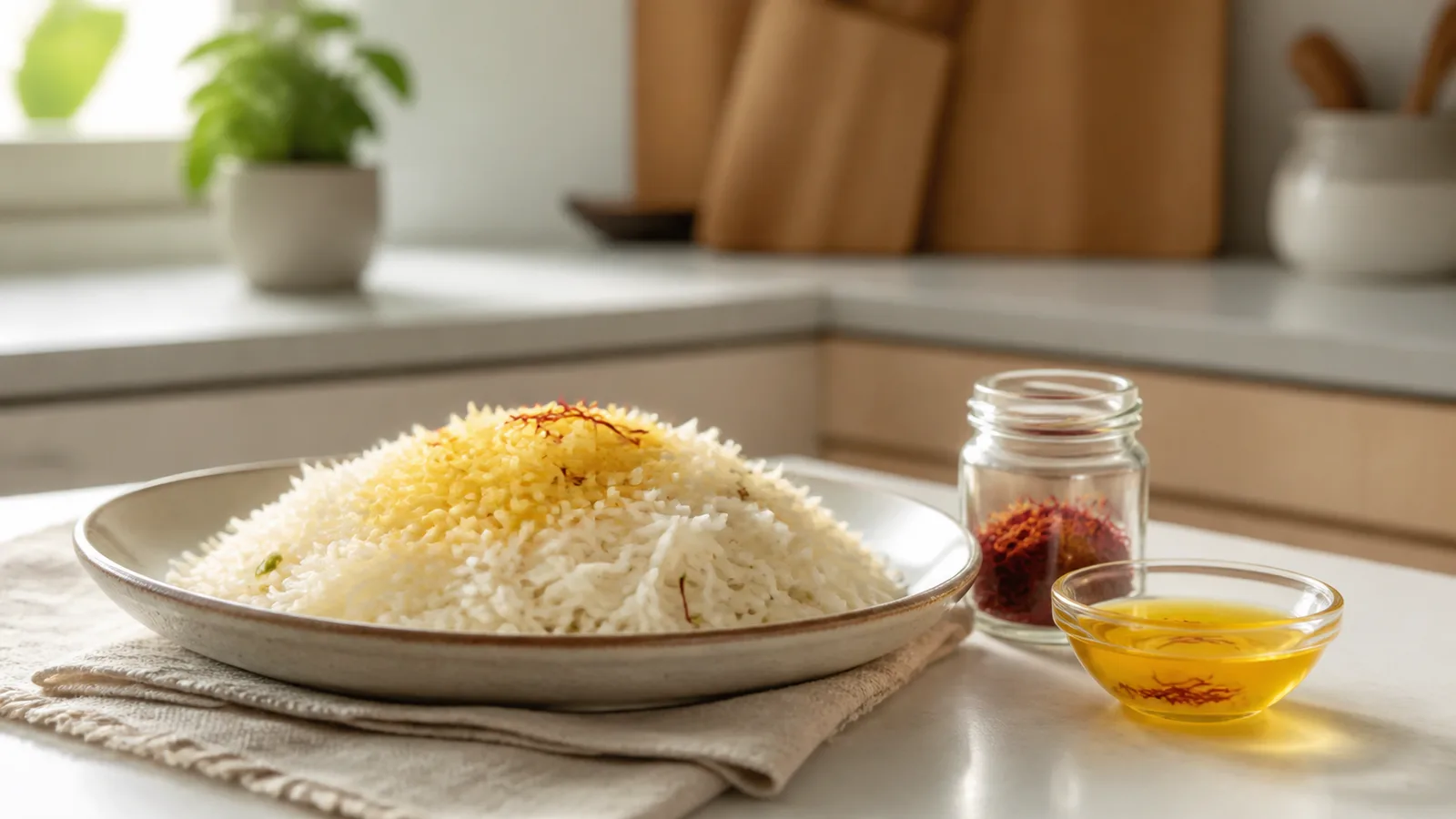
- Cover it with 2 to 4 tablespoons of warm water for 10 to 20 minutes.
- Add the golden liquid and softened threads late enough to preserve aroma.
- Protect the remaining saffron from light, moisture, air, and strong odors.
Our saffron infusion guide explains the method in more detail. A little fat, such as yogurt, milk, olive oil, or nuts in the wider dish, can round out flavor, but the spice itself contributes almost no meaningful energy at culinary scale.
The practical conclusion
Saffron’s nutritional value is real in a laboratory composition table but modest on a plate because the serving is so small. It contains carotenoid-related compounds and trace quantities of nutrients; it is not an efficient vitamin C, manganese, potassium, or calorie source.
Use saffron for what it does exceptionally well: bring a distinctive aroma, gentle bitterness, and luminous color to food. Build nutritional adequacy from the whole meal, and treat claims about immunity, anemia, cancer prevention, blood pressure, thyroid function, or disease treatment with the caution they deserve.
Sources
- USDA FoodData Central: Spices, saffron, FDC ID 170934
- NIH Office of Dietary Supplements: Vitamin C fact sheet for health professionals
- NIH Office of Dietary Supplements: Manganese fact sheet for health professionals
- Review of the chemistry of saffron crocins and crocetin
- Review of saffron apocarotenoids and analytical methods