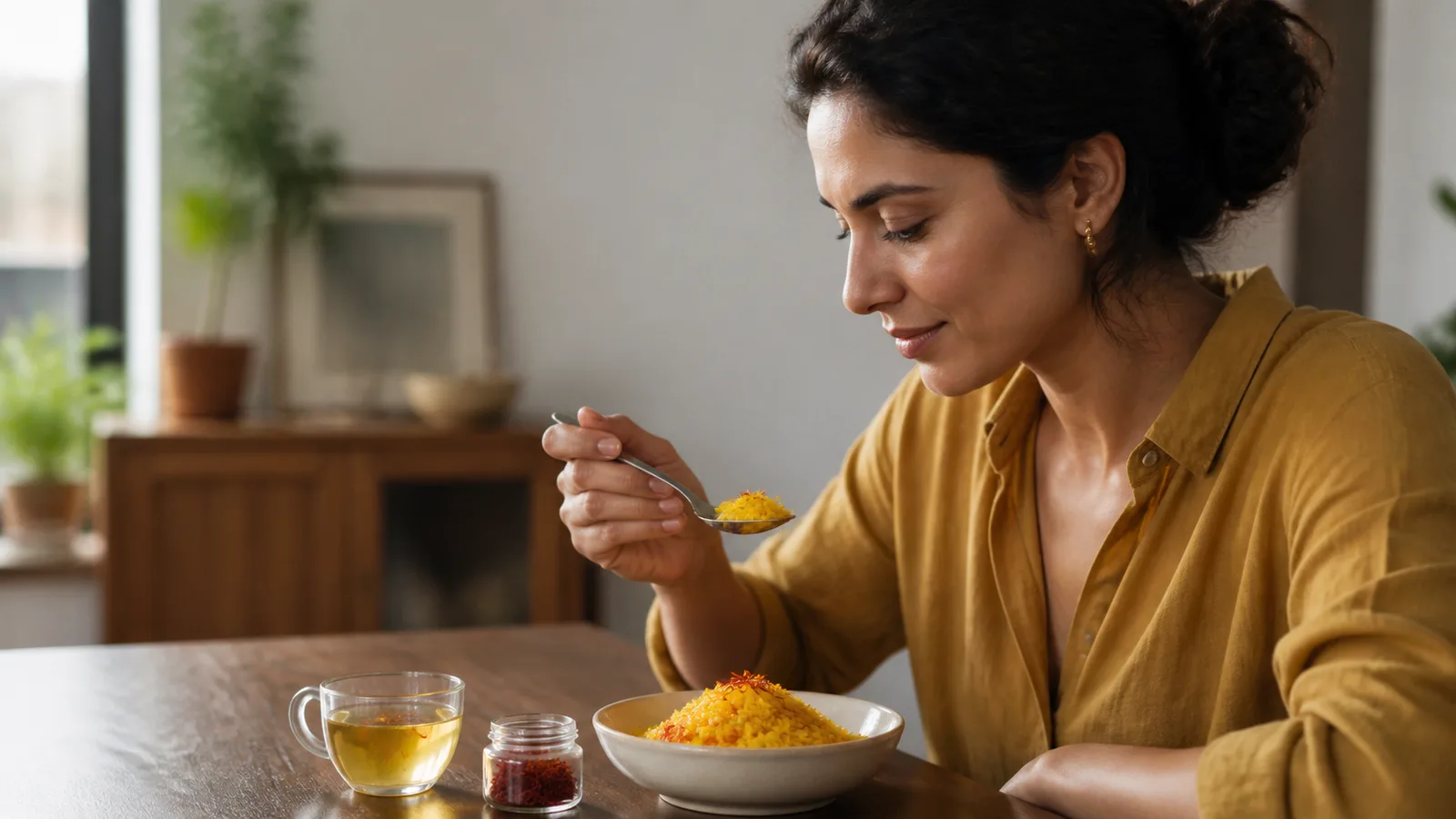
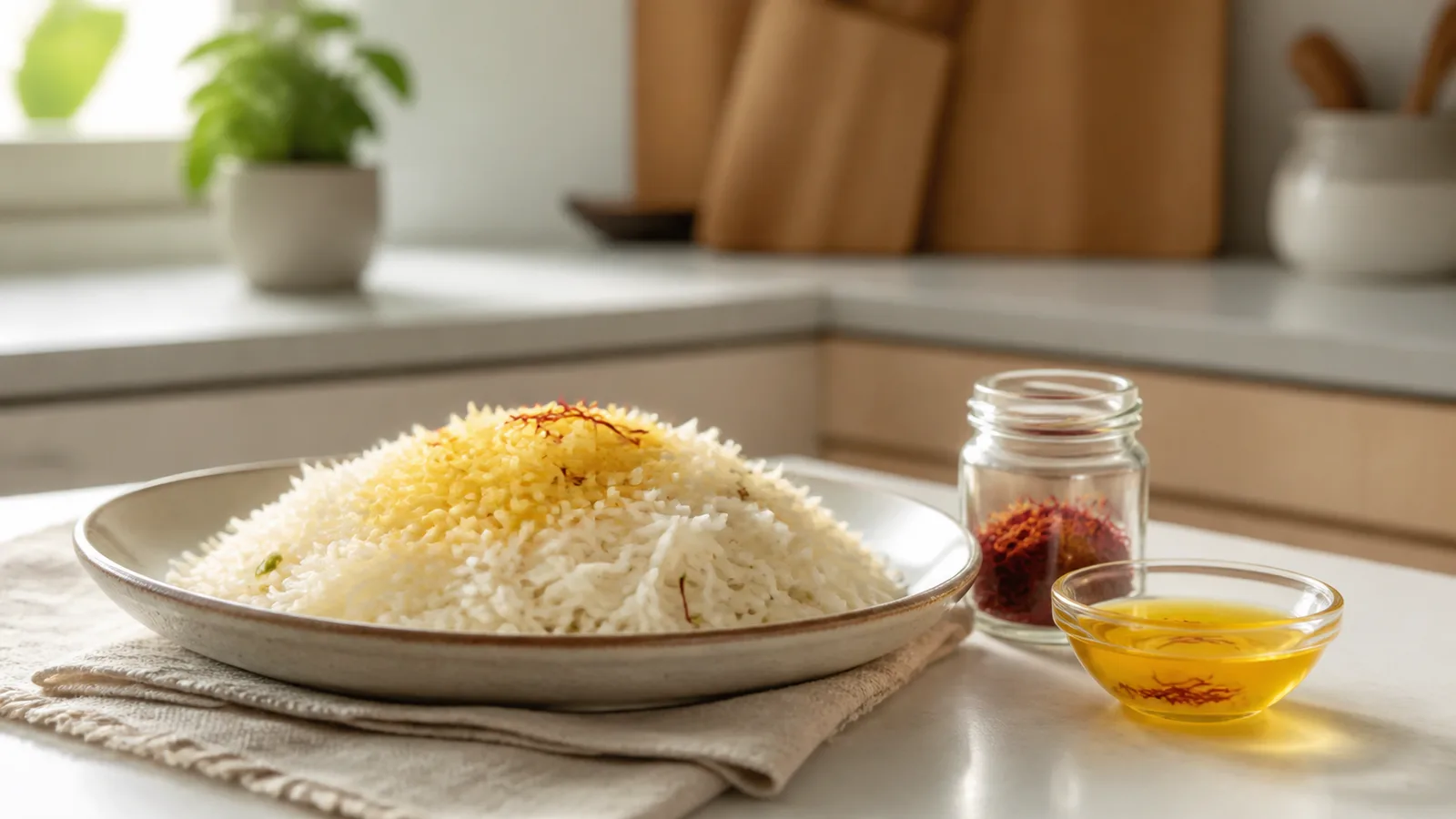
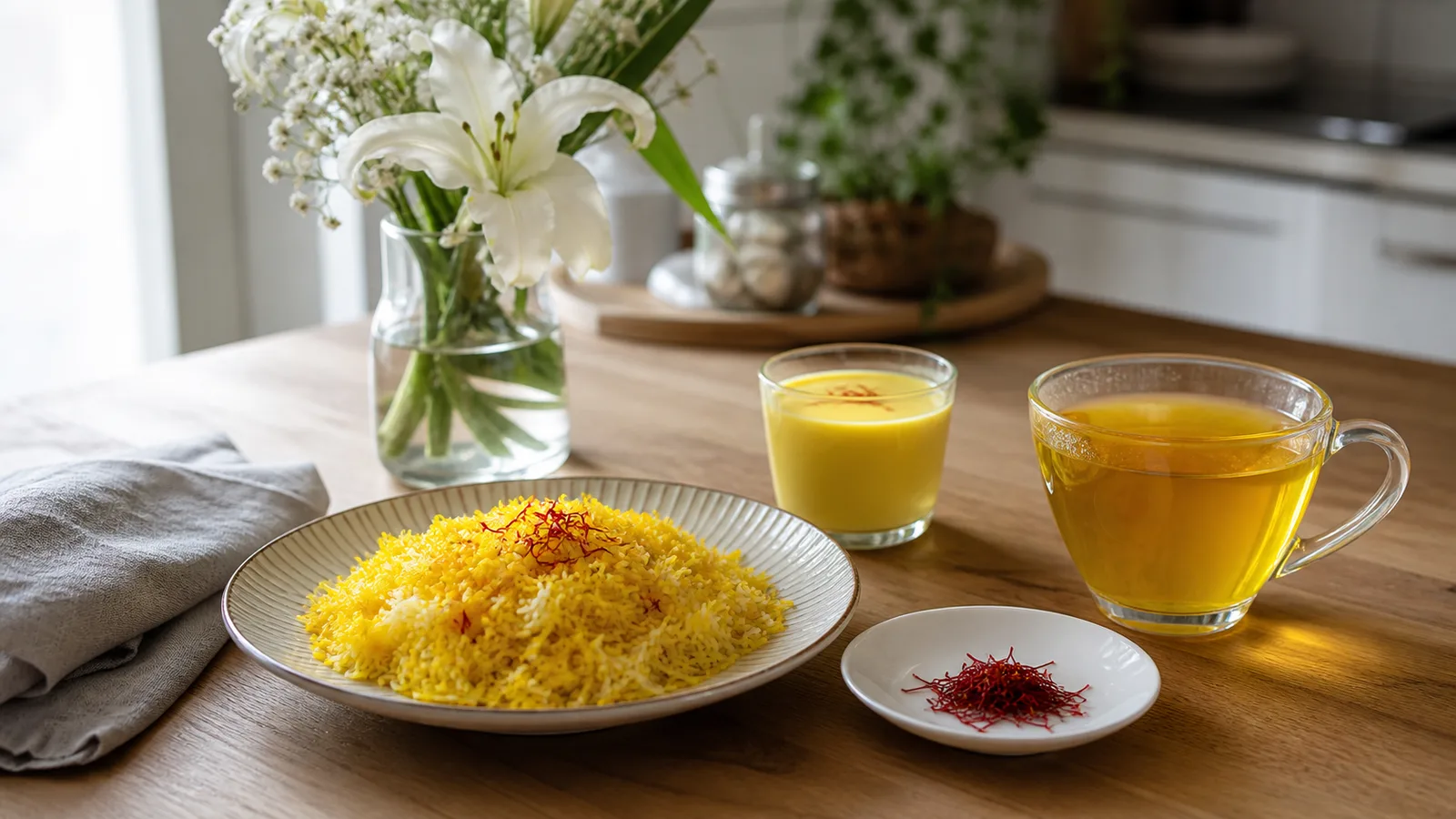
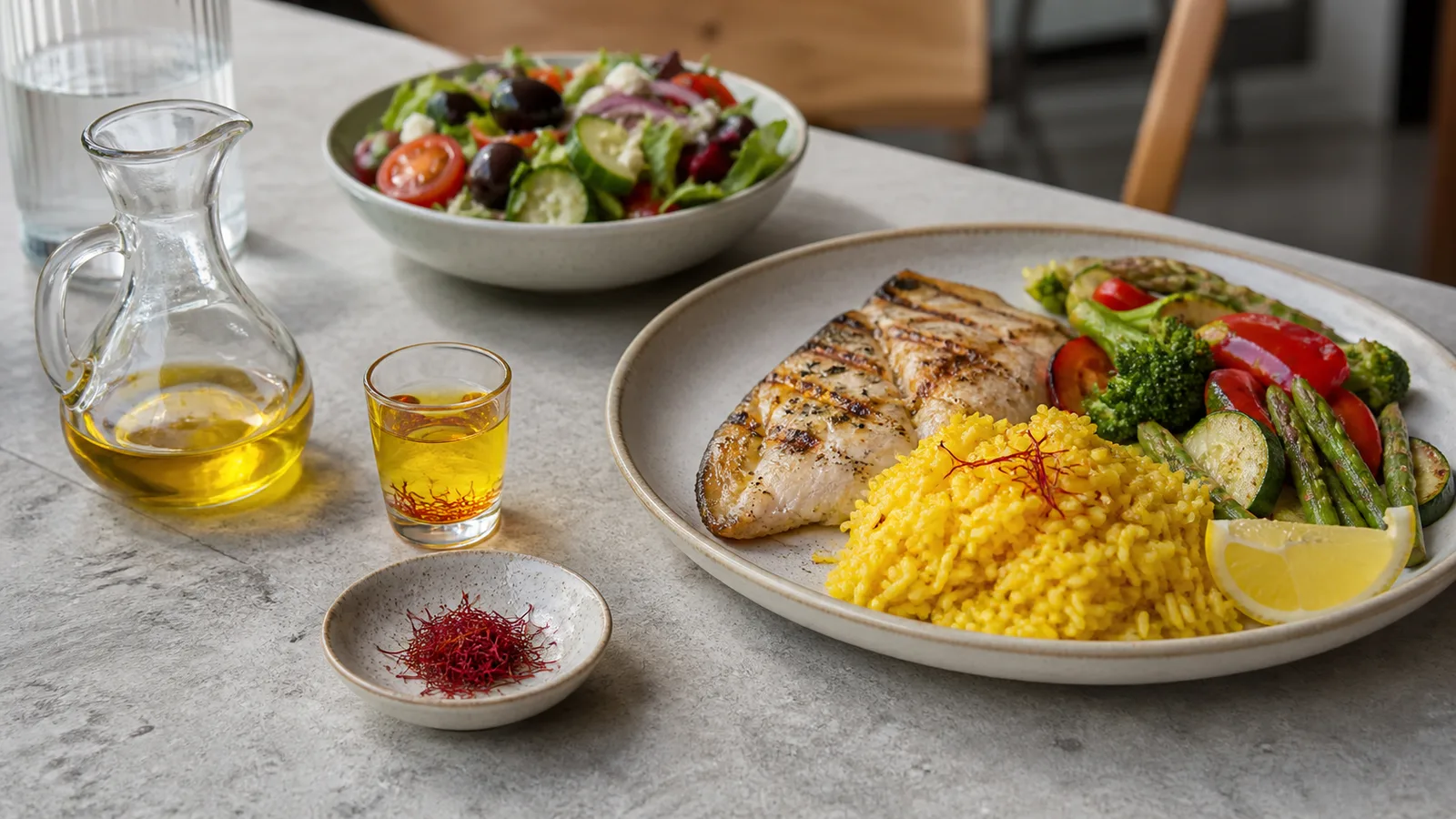
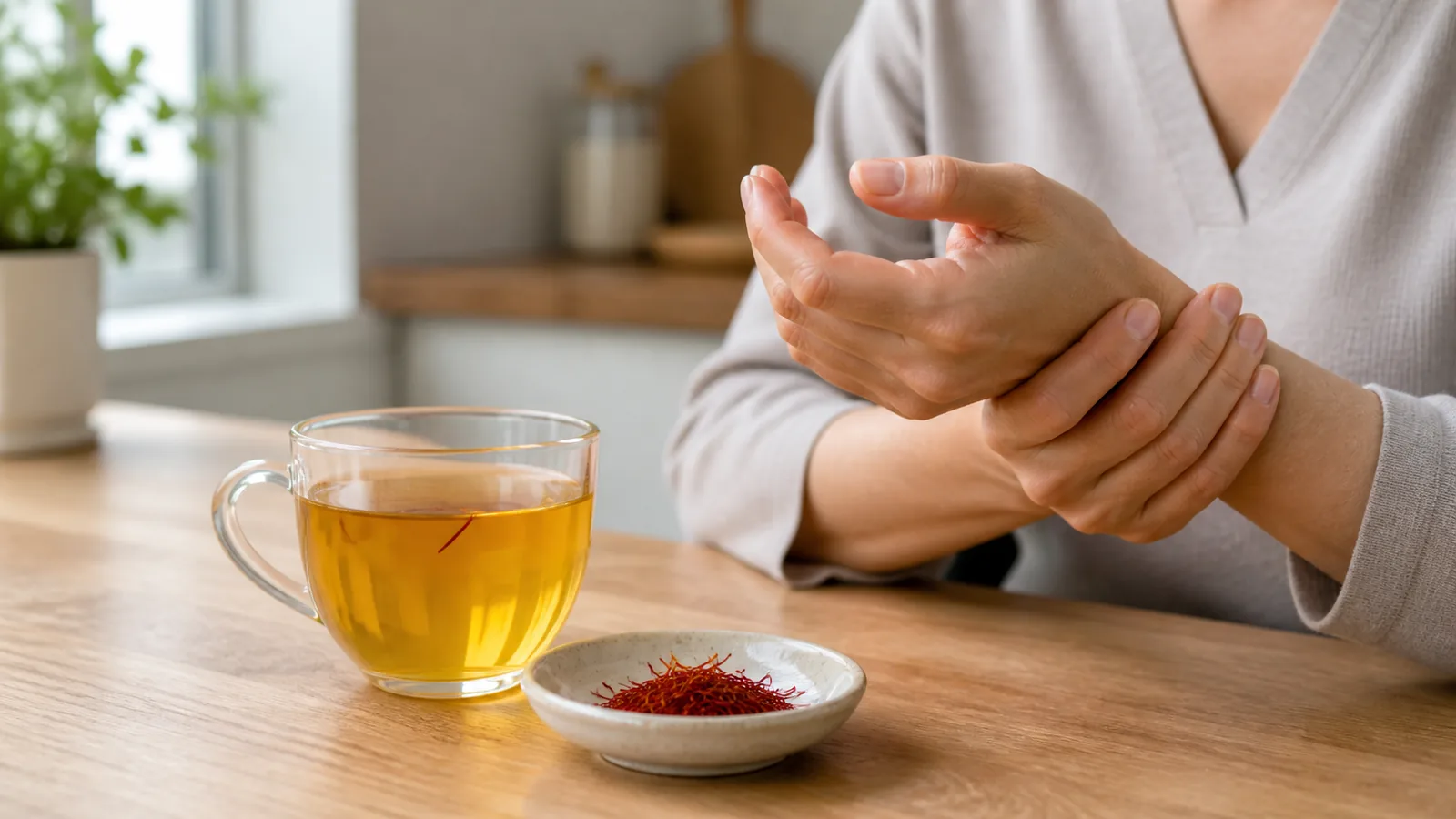
Saffron was described as a remedy for sadness and low spirits in traditional Iranian writing, but that history is not the same as evidence for a modern depression treatment. Today’s clinical research has found encouraging results in some trials, alongside important limits. The safest way to understand the claim is to keep tradition, controlled research and personal medical care in their proper places.
Where the “depression treatment” description came from
The earlier version of this article reported comments from an agricultural specialist interviewed by the Iranian Students News Agency in Sistan and Baluchestan. It described saffron as warm and dry in traditional Iranian medicine and called relief of depression its most important property. The same account attributed pain relief, sedation, better circulation, liver cleansing, cough treatment and several other effects to the spice.
Those statements reflect a traditional framework and a news interview. They are not a diagnosis, a randomized trial or a current clinical guideline. The old promise that eating saffron would keep someone “happy and smiling” made a complex illness sound simple and predictable. Depression is neither.
Why saffron carries such cultural weight in Iran
Saffron is native to a long agricultural and cultural history across the Iranian plateau. Its difficult hand harvest, vivid color, fragrance and value gave rise to the familiar name “red gold.” It appears in food, ceremonies, literature and traditional medical texts.
The article also mentioned Iranian poems and anecdotes collected by the scholar Mohammad-Hossein Abrishami. That literary record matters because it shows how deeply the spice entered everyday language and identity. A metaphor for joy or vitality, however, is not a measured antidepressant effect.
The agricultural setting is equally important. Saffron grows best where corms receive a suitable seasonal cycle, well-drained soil and a dry period. The old interview discussed mild winters, hot summers and exposed land in southeast Iran. Local suitability is more nuanced than one climate sentence, but the connection between crop, place and farming knowledge is real. The FAO-recognized qanat-based saffron system documents this living agricultural heritage.
What modern depression studies examine
Clinical researchers do not test whether saffron is culturally uplifting. They define a participant group, a preparation, a dose, a comparison and a validated symptom scale. Some studies compare saffron extract with placebo; others add it to usual care or compare it with an antidepressant over a limited period.
A 2024 systematic review of neurological and psychiatric trials found a pooled improvement in depression outcomes. A newer GRADE-assessed review reported improvements on some self-reported depression and anxiety scales, but not on all clinician-rated scales, with substantial variation between studies.
Earlier reviews reached a similar cautious position: a positive signal exists, particularly in mild-to-moderate symptoms, but many trials are small, short and concentrated in limited regions. Publication bias, product standardization and long-term safety remain concerns. A finding of “not significantly different” from an antidepressant in a small comparison is not proof that two treatments are interchangeable for every patient.
Tradition and trials answer different questions
- Traditional use tells us how people described and used saffron within a historical medical culture.
- Food use tells us about ordinary culinary exposure, taste and custom.
- A clinical trial tests a defined product in selected participants for a set period.
- A treatment guideline considers the wider evidence, diagnosis, alternatives, harms and individual circumstances.
Moving directly from the first category to the fourth creates risk. It also ignores the difference between a pinch of saffron in rice and a standardized supplement taken every day.
Why depression should not be self-treated from an article
Depression can affect mood, energy, sleep, appetite, concentration, work, relationships and physical health. It can occur alongside anxiety, bipolar disorder, substance use, grief, medication effects or medical conditions. What looks like one problem online may require a different clinical approach.
The US National Institute of Mental Health explains that treatment commonly involves psychotherapy, medication or both, depending on the person and severity. Do not stop, reduce or replace an antidepressant because a plant extract performed well in a trial. Abrupt changes can cause withdrawal symptoms or worsening illness.
Anyone with persistent symptoms should speak with a qualified health professional. Seek urgent local help if depression includes thoughts of self-harm or suicide, inability to stay safe, severe agitation or a sudden dangerous change in behavior.
Safety is more than a list of dramatic overdose symptoms
The former article listed vomiting, bleeding, dizziness, jaundice and death without explaining the source, preparation or exposure. Dramatic lists can alarm readers while still failing to guide them. Risk depends on the amount, product quality, medicines, health conditions and circumstances such as pregnancy.
Culinary use and concentrated supplementation are not equivalent. A supplement may also be adulterated or contain a different amount than its label suggests. Before using one for mood, show the exact product to a clinician or pharmacist, especially during pregnancy, with bleeding concerns, low blood pressure, bipolar disorder or multiple medicines.
What remains true from the original story
Saffron is a valuable Iranian crop with a long literary, agricultural and traditional-medical history. Farmers invest substantial labor in cultivation and harvest, while market structure does not always return that value fairly to the producer. The spice’s global reputation for color, aroma and taste grew from that work.
Its role in depression research is also genuine. The careful conclusion is that standardized saffron preparations have shown potential for some depressive symptoms and deserve continued independent study. “Saffron depression treatment” should not be treated as a promise, and cultural importance should never be used to bypass diagnosis or replace care.