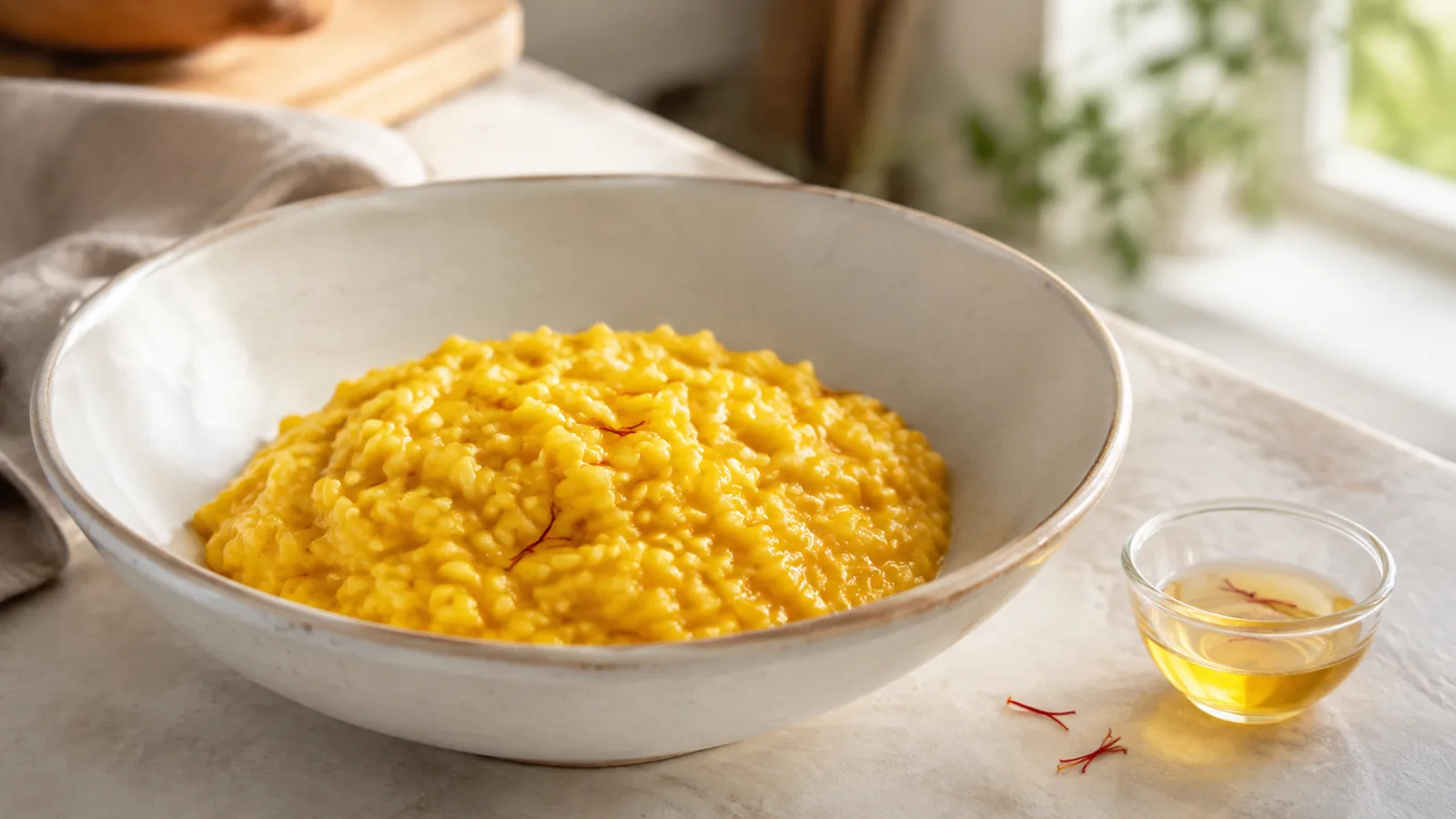
Sohan Asali is a crisp Persian almond brittle scented with saffron and finished with pistachios. It is thin, glassy and quick to eat, which makes it a favourite Iranian sweet for Nowruz and Yalda. The cooking itself is brief; the important part is preparing the tray before the sugar reaches the right temperature.
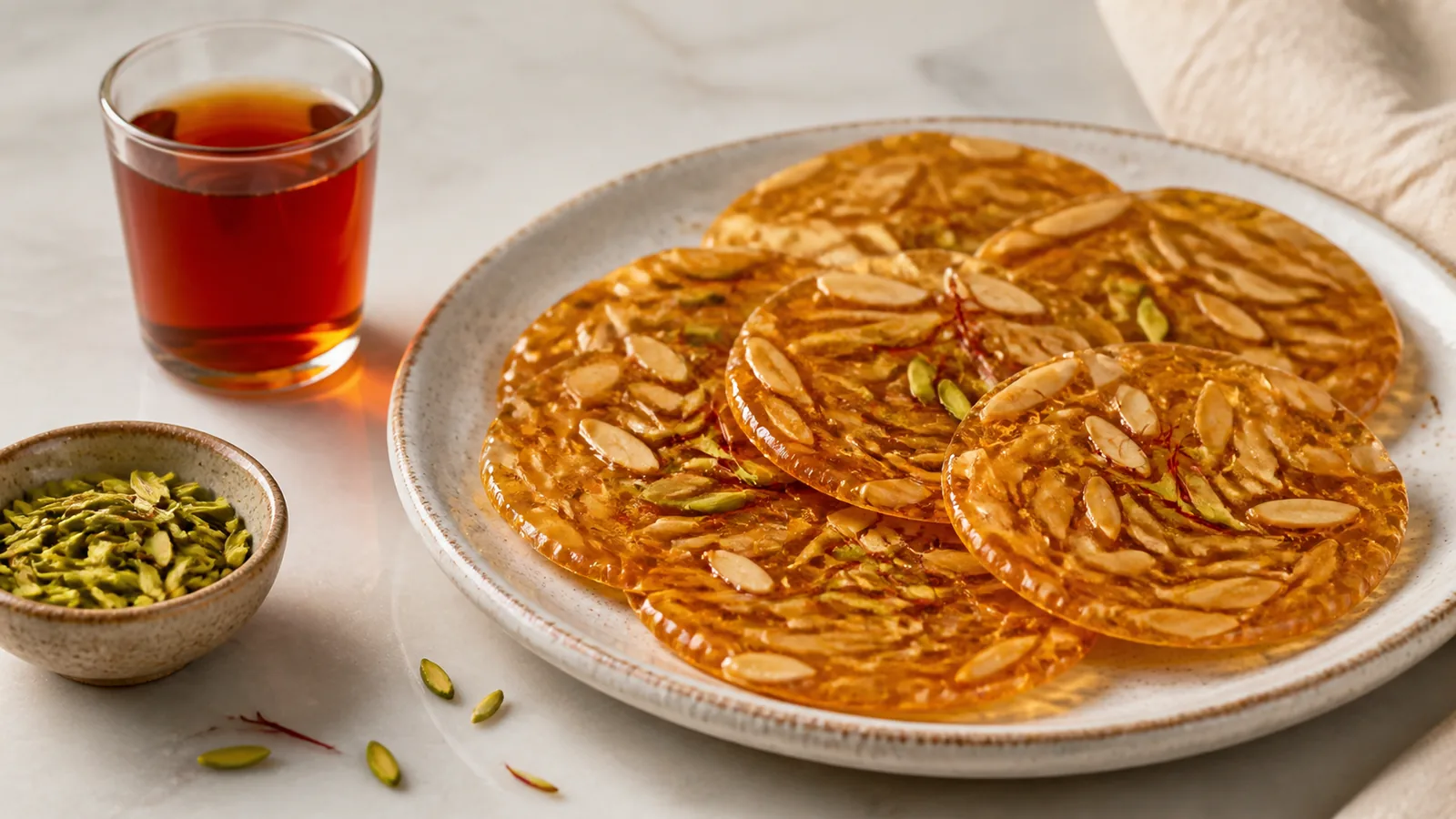
This Sohan Asali recipe keeps the original honey, almond, butter, saffron and rosewater formula, but gives you two reliable ways to judge the syrup. Read the whole method first, because hot brittle waits for no one.
What is Sohan Asali?
Sohan Asali means “honey sohan.” It belongs to the family of Persian nut brittles rather than the thicker, flour-based sohan associated with Qom. Small spoonfuls of almond-filled syrup are dropped onto a tray, topped with slivered pistachios and left to set into delicate golden discs.
If you have been looking for an Iranian sohan recipe that does not require flour or wheat germ, this is the style you want. In Persian homes, the pieces are often made small enough to serve with tea among other Nowruz sweets.
This Sohan dessert is closer to nut brittle than a baked pastry: its texture comes from cooked sugar, not flour or eggs.
Sohan Asali ingredients
- 7 tablespoons clear honey
- 75 g unsalted butter
- 1/2 cup granulated sugar
- 1 cup slivered almonds
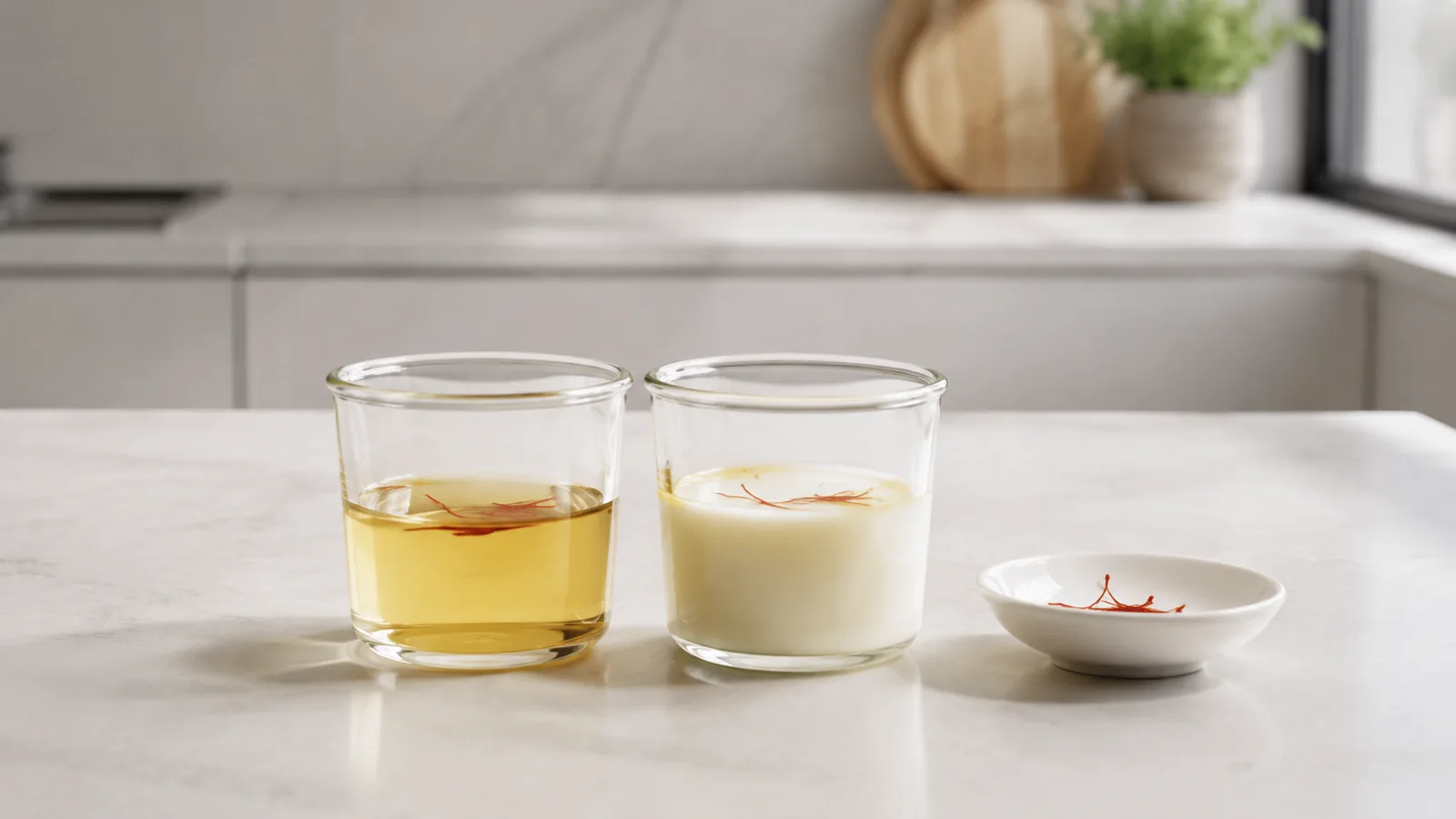
- 1/2 cup boiling water or rosewater
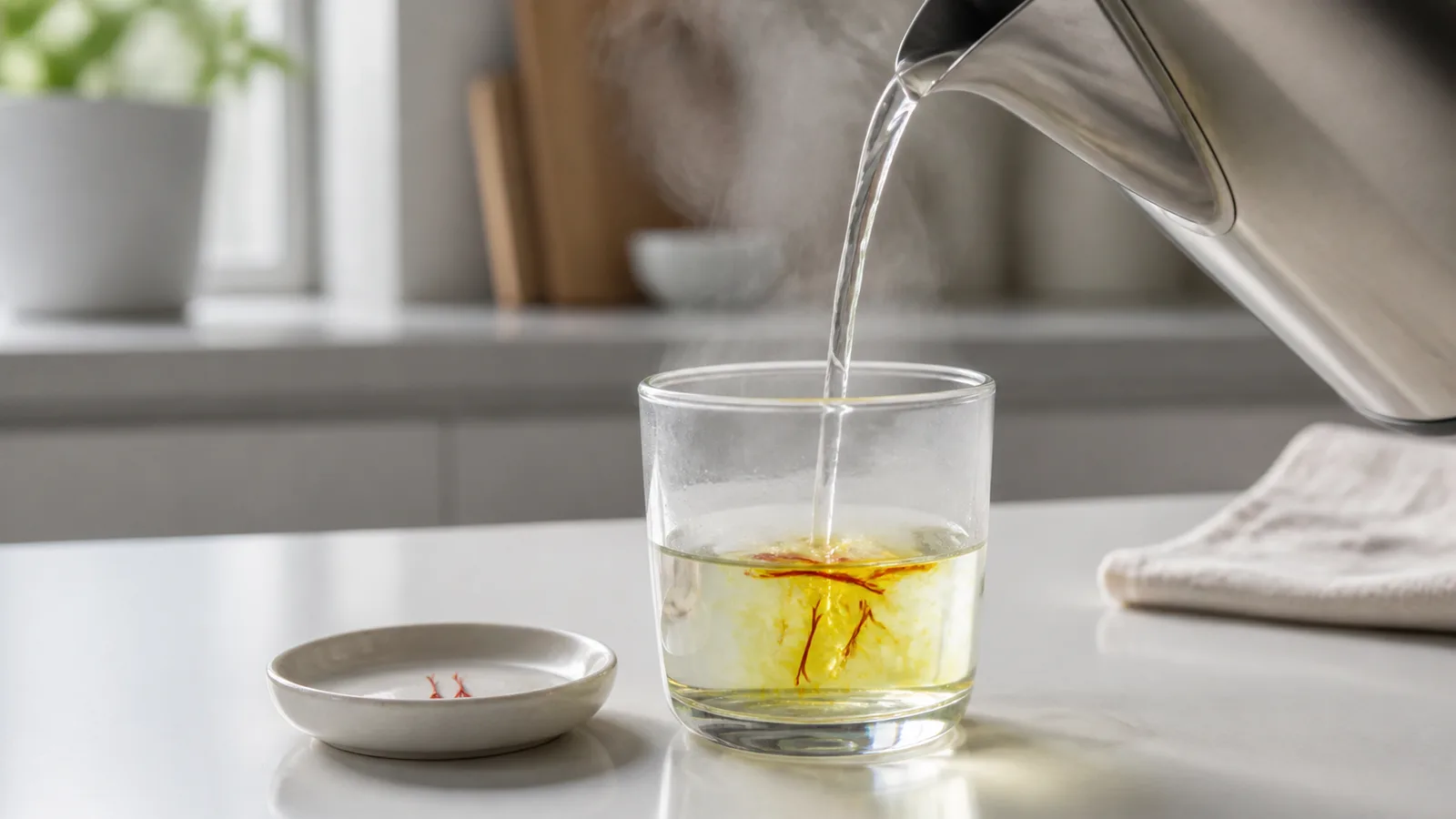
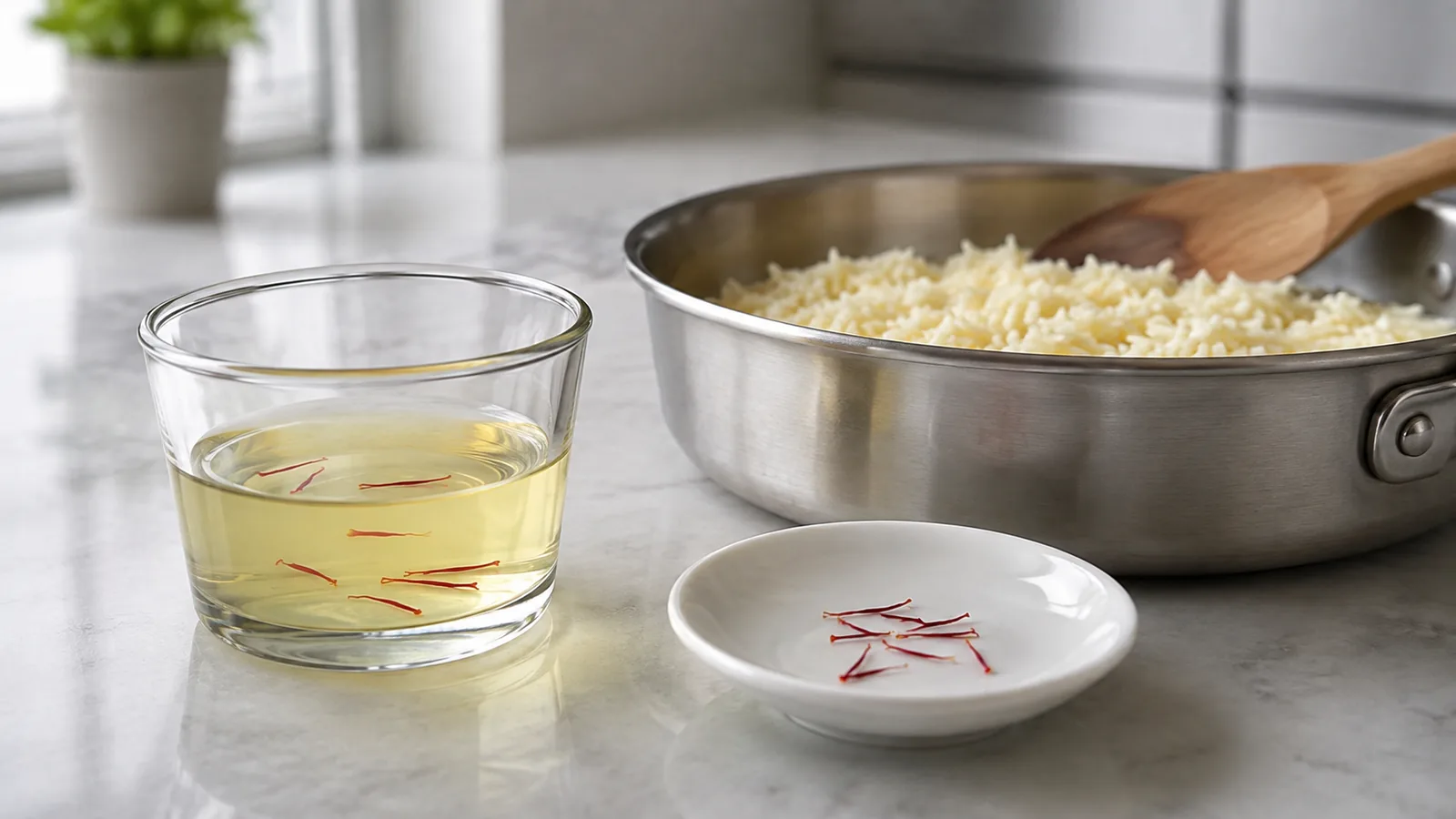
- 2 teaspoons concentrated brewed saffron
- Slivered pistachios, for finishing
These Sohan ingredients make about 30 small discs, depending on how generously you fill each teaspoon.
Water gives the cleanest saffron flavour. Rosewater makes the sweet more floral, although some of its aroma disappears during the high-temperature cooking. Use a wide, heavy, light-coloured saucepan so you can see the syrup change from gold to amber.
Equipment to prepare before cooking
- A large tray lined with baking parchment or a silicone mat
- A heavy saucepan with enough headroom for bubbling syrup
- A heatproof spoon
- Two teaspoons for portioning
- A sugar thermometer, if available
- A small bowl of cold water if using the traditional test
Place the pistachios beside the lined tray and separate any clumps. Once the brittle is ready, you will have only a short window to portion and decorate it.
How to make Sohan
1. Dissolve the sugar
Put the honey, sugar and water or rosewater in the saucepan. Warm over medium-low heat, stirring gently until the sugar has dissolved. Add the butter and let it melt into the syrup.
Once the mixture begins to boil, stop stirring. A clean pastry brush dipped in water can wash stray crystals from the inside wall of the pan, but do not scrape dried sugar back into the syrup.
2. Add almonds and saffron
When the syrup has thickened and taken on a light-golden colour, add the slivered almonds and brewed saffron. Stir slowly just enough to coat the nuts and keep them from catching on the bottom.
Continue cooking until the syrup reaches the hard-crack stage, about 150°C/302°F on a sugar thermometer. Remove it a degree or two early if the pan is heavy, because the retained heat will continue cooking the sugar.
Without a thermometer, drop a little syrup into cold water. It should set immediately into hard, brittle threads that snap cleanly. If it bends or sticks to your teeth after cooling, it needs a little more time.
3. Portion the brittle quickly
Turn the heat to its lowest setting or move the pan onto a heat diffuser. Drop small teaspoonfuls onto the prepared tray, leaving space between them. Use the second spoon to slide each portion off cleanly.
Scatter a few pistachio slivers over each piece at once and press them very lightly before the surface sets. Work steadily, but keep your fingers away from the syrup: cooked sugar causes serious burns and stays hot after it looks firm.
4. Let the Sohan Asali cool
Leave the pieces undisturbed until completely cold and crisp. Depending on their thickness and the room, this usually takes 30–60 minutes; a thick batch may take longer. Lift them from the paper only after the centres have hardened.
How the finished Persian sohan should look
Good Sohan Asali is translucent amber rather than dark brown. Almond slivers should be suspended through each thin piece, with saffron and pistachio visible on top. It should snap, not bend, and melt cleanly as you eat it.
The flavour is a balance: honey first, then toasted almond, butter and saffron. If everything tastes bitter, the sugar went too far. If the pieces remain pale and chewy, the syrup did not reach hard-crack stage.
Common problems and how to fix them
The Sohan Asali is sticky
Sticky Iranian sohan usually means the syrup was undercooked, the weather is humid or the cooled sweets absorbed moisture. Test the syrup before portioning, then store the pieces as soon as they are completely cold.
The syrup crystallised
Crystals can form when undissolved sugar remains on the pan or when the boiling syrup is stirred aggressively. Dissolve the sugar before the boil, keep the sides clean and stir only as much as the almonds require.
The butter separated
Very low heat for too long or hard, constant stirring can make the mixture greasy. Use steady moderate heat once the sugar is dissolved and fold the nuts through gently. If a little butter appears at the edge, remove the pan from direct heat and stir slowly until the mixture comes back together.
The last pieces turn too dark
The syrup continues to cook while you portion it. Keep it barely warm, not actively boiling. If it is setting too fast, return it to very low heat for a few seconds rather than leaving it over a strong flame throughout.
Orange and lemon variations
For orange Sohan Asali, add 1 teaspoon of finely grated orange zest with the saffron. Lemon zest can be used in the same way. Zest contributes aroma without the extra water that juice brings, so it is less likely to disturb the brittle texture.
If you do add juice, use no more than a teaspoon and expect the syrup to take slightly longer to reach hard-crack stage. Add it early enough that the extra water can boil away.
Storage and Sohan calories
Once completely cold, layer the Sohan Asali between pieces of baking paper in an airtight container. Keep it in a cool, dry cupboard away from steam and sunlight. In a very warm home, refrigeration is possible, but seal the container well and let it return to room temperature unopened; otherwise condensation can make the sweets sticky.
Sohan is energy-dense because honey, sugar, butter and nuts are its main ingredients. Exact Sohan calories depend on the size and number of pieces. If this recipe makes about 30 small discs, a rough ingredient-based estimate is around 70–90 calories each; larger pieces will contain more. Treat that as a serving estimate, not a laboratory nutrition label.
This Persian sohan recipe rewards organisation more than elaborate technique. Prepare everything, watch the colour, confirm the hard-crack stage and portion promptly. The result should be a crisp saffron-and-almond sweet that feels at home beside a glass of tea.