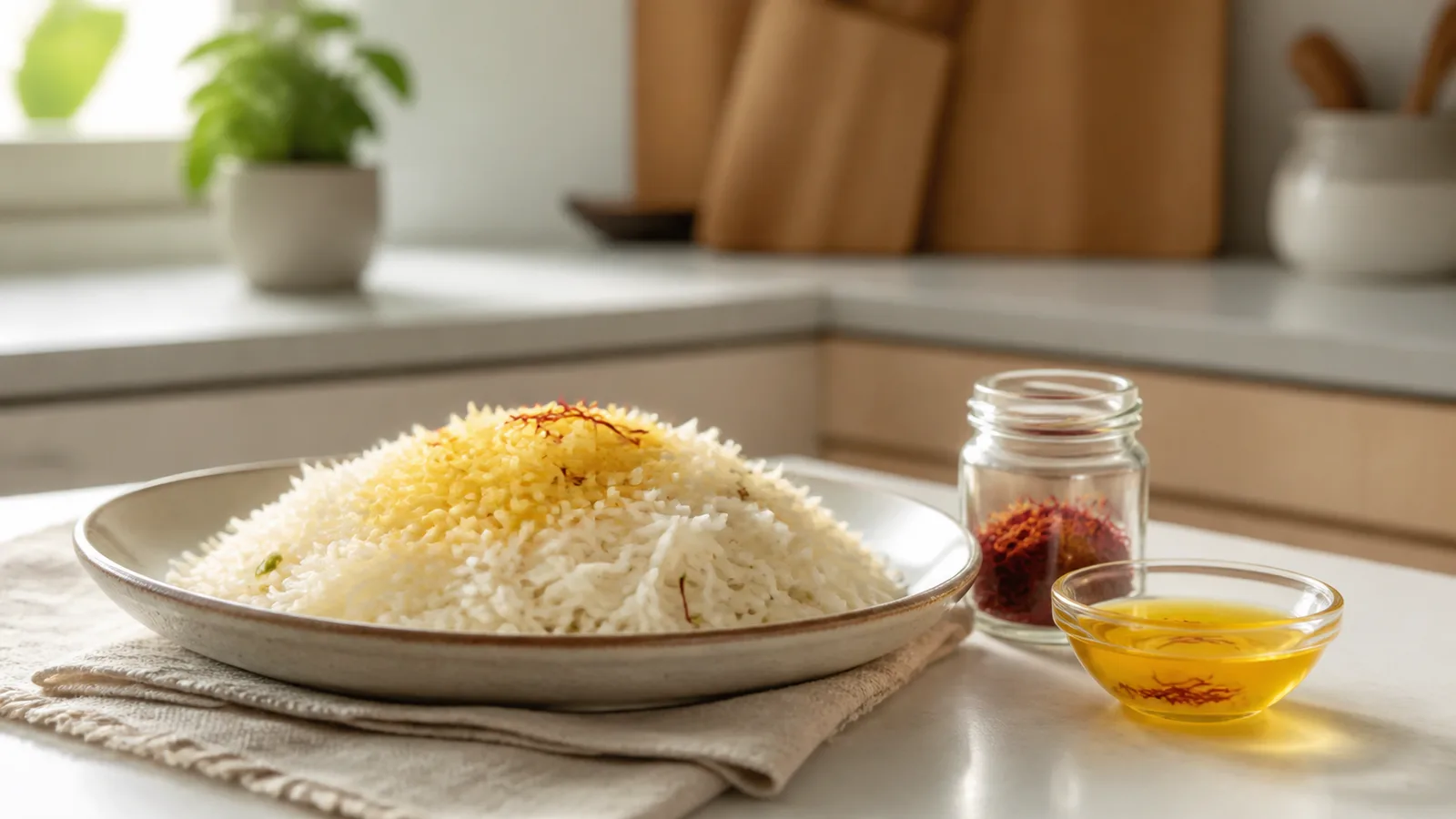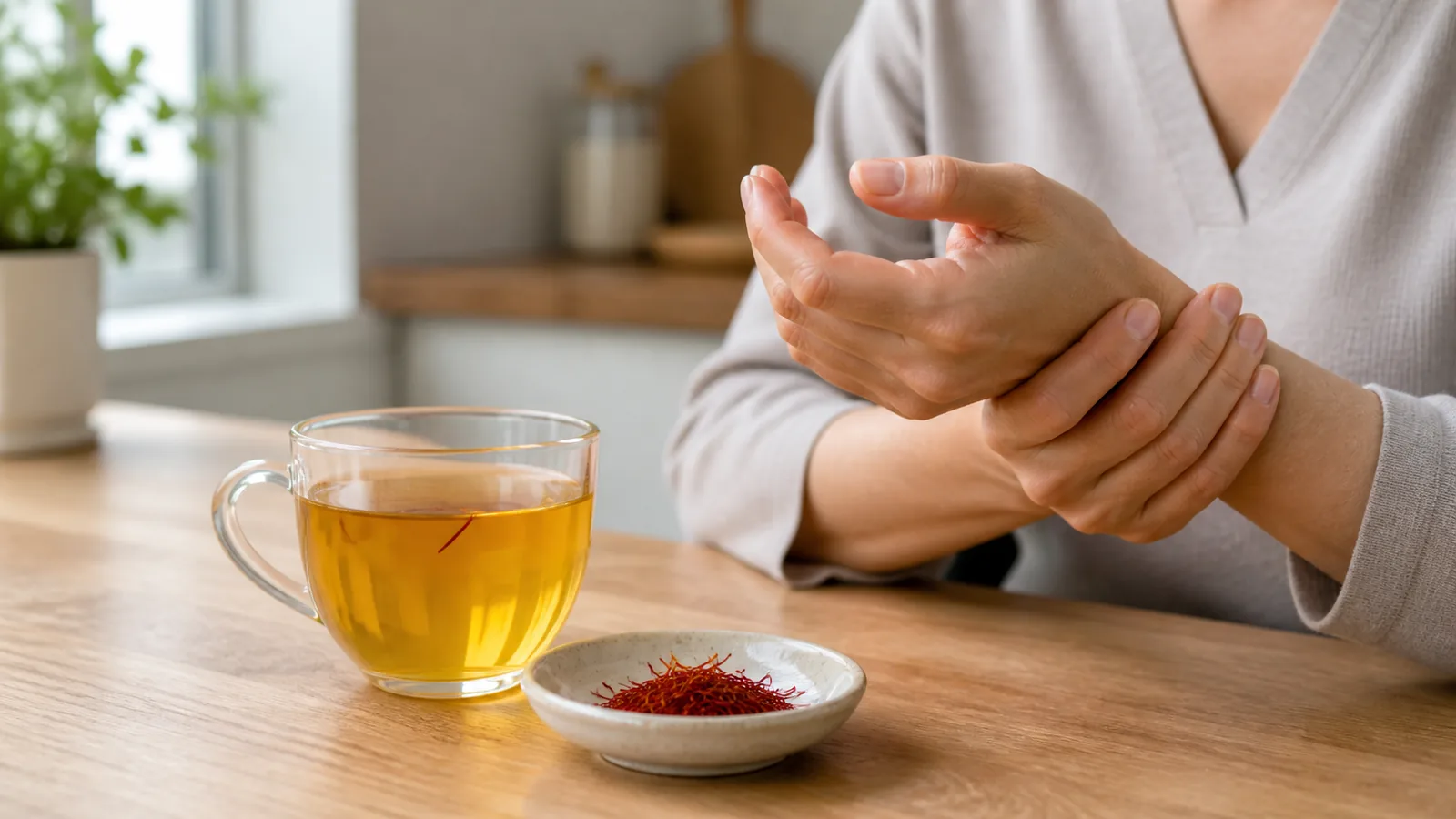
Small clinical trials have found signals that measured saffron preparations may affect cognitive scores in people with mild cognitive impairment or Alzheimer’s disease. The evidence base is limited, however, and it does not establish saffron as a way to prevent, cure, or slow Alzheimer’s. Culinary saffron and home-brewed tea are not equivalent to the standardized capsules used in research.
The phrase Saffron for Alzheimer’s Treatment therefore needs a careful answer: saffron remains a research subject, not an approved substitute for diagnosis, prescribed medicine, or specialist care. Someone noticing memory or thinking changes should seek a medical assessment rather than trying to treat the cause at home.
Alzheimer’s disease, dementia, and memory changes
Dementia is a general term for a decline in memory, reasoning, language, or other thinking abilities that interferes with daily life. Alzheimer’s disease is its most common cause, but it is not the only one. Medication effects, depression, thyroid disorders, sleep problems, vitamin deficiencies, infections, strokes, and other conditions can also affect cognition.
Occasionally misplacing a name is not the same as Alzheimer’s. Repeatedly getting lost, struggling with familiar tasks, losing track of bills or medicines, or showing a marked change in judgment deserves attention. A clinician can review the history, medicines, physical and neurological findings, cognitive tests, and—when appropriate—laboratory tests or brain imaging.
What human studies of saffron found
A 16-week double-blind trial enrolled 46 people with probable mild-to-moderate Alzheimer’s disease. Participants received a standardized saffron capsule totaling 30 mg per day or placebo. Average scores on two cognitive and clinical measures favored saffron, and the researchers called for larger confirmatory studies.
Other small trials compared saffron with donepezil or memantine. A 2020 systematic review and meta-analysis brought four randomized trials together and found favorable signals on some cognitive measures. It also emphasized that there were too few high-quality studies to recommend saffron for clinical use.
That distinction is important. Research on saffron and dementia can justify further trials without proving that a product works in routine care. The studies differed in disease stage and comparator, involved relatively small groups, and do not answer questions about long-term effectiveness, progression of the disease, or the safety of unsupervised use.
Does saffron help memory?
The Alzheimer’s trials measured cognition with formal assessment scales; they did not show that saffron reliably restores lost memories. Nor do they prove that saffron improves everyday memory in a healthy person. “Saffron for memory” and “memory support” are too broad as promises unless the population, preparation, outcome, and limits are stated.
Memory also depends on sleep, mood, hearing, vision, physical activity, medical conditions, and medicines. Addressing those factors can matter, but a lifestyle change should not be used to dismiss progressive symptoms.
Why crocin and other saffron compounds are studied
Saffron contains crocin-related pigments, crocetin, picrocrocin, and safranal. Laboratory and animal research has examined antioxidant activity, oxidative stress, inflammation, acetylcholine-related pathways, and beta-amyloid processes. These mechanisms may help researchers form hypotheses.
They are not proof of a clinical result. A substance can affect cells in a laboratory without reaching the same concentration in the human brain, changing daily function, or altering the course of Alzheimer’s disease. Describing saffron as “protecting brain cells” goes beyond what these mechanisms establish.
What current Alzheimer’s care can include
There is no cure for Alzheimer’s disease. Depending on the stage and the individual, clinicians may use medicines such as donepezil, rivastigmine, galantamine, or memantine to help manage symptoms. Lecanemab and donanemab are disease-modifying immunotherapies approved for selected people with early Alzheimer’s disease; they require confirmation of amyloid disease, careful eligibility decisions, and monitoring for potentially serious adverse effects.
Care is broader than medicine. A practical plan can include regular physical activity, predictable routines, treatment of hearing or sleep problems, social connection, home-safety changes, advance planning, and support for caregivers. The right combination depends on the person rather than on a single supplement.
Can saffron be used in food or tea?
Saffron can be enjoyed in normal culinary amounts for its aroma, color, and flavor. A small pinch may be bloomed in warm water and added to rice, soup, or a drink. That is food use—not an Alzheimer’s regimen—and no evidence shows that tea made from a few threads reproduces a clinical-trial preparation.
Do not copy a research dose from an abstract. Extracts vary in identity, concentration, and quality, while trial participants were selected and monitored. Products may also be adulterated or provide a different amount from the label.
Safety and medicine interactions
Concentrated saffron supplements can cause unwanted effects and may not be appropriate with every medicine or health condition. Ask the treating physician or pharmacist before use, particularly when the person takes blood-pressure, blood-thinning, mood, or cognitive medicines, is preparing for surgery, or is pregnant or breastfeeding.
Do not stop donepezil, memantine, an antidepressant, an anti-amyloid treatment, or any other prescribed medicine to try saffron. A supplement should be recorded on the full medicine list so every member of the care team can consider interactions and side effects.
When memory symptoms need prompt help
Gradual changes should be discussed with a healthcare professional, especially when they affect safety or independent daily activities. Sudden confusion is different: it can be delirium caused by infection, a medicine, dehydration, stroke, or another urgent problem. Seek prompt medical help for an abrupt change, new weakness, trouble speaking, a severe headache, a fall with injury, or altered consciousness.
For people already living with Alzheimer’s, a sudden deterioration should not automatically be blamed on the disease. Caregivers can note when the change began, recent medicines or illness, eating and drinking, sleep, pain, and any fall, then share those observations with the clinical team.
Saffron research in Alzheimer’s disease is interesting, but the responsible conclusion remains modest: early trials provide a signal, not a treatment recommendation. Protecting a person with memory problems starts with an accurate diagnosis, evidence-based care, and support that makes everyday life safer.