

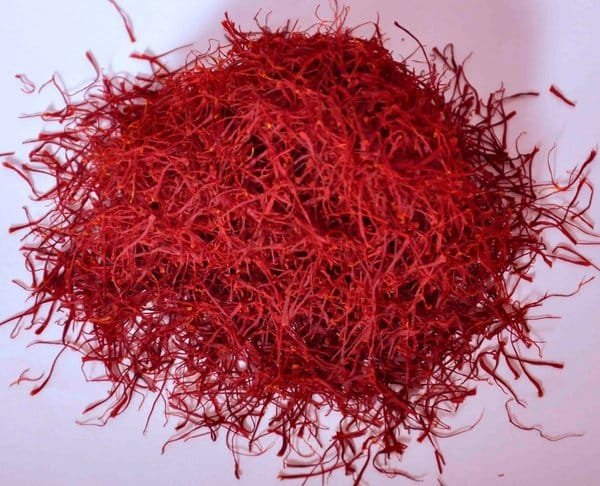
Saffron was planted in Damavand city
So far, experimental cultivation of dry and blue saffron has become widespread in Damavand, some farmers devote a piece of their land to planting saffron bulbs and harvest saffron from their land.
Director of Agricultural Jihad in Damavand, in an interview with the correspondent of the Roodehen Reporters Club, said the city is prone to cultivating medicinal plants such as saffron, due to its climatic and climatic conditions. So far, more than 10 hectares of the province have been cultivating this plant over the past few years. And by performing the experimental stages, the desired results are obtained in terms of quality, quantity and essential oils.
Hamid Reza Khalili, referring to the profits and favorable income of the cultivation of this plant for farmers, said the development of saffron is due to the low requirement of this plant to water more than other medicinal herbs is on the agenda.
He announced the development of saffron cultivation in Damavand city to economize the production and use of land that is less able to convey water to them, adding: “We are going to cultivate saffron cultivars with regard to the very good performance Develop its experimental crop.
Director of the Agricultural and Animal Husbandry Complex, Hamand Abrsard, affiliated to the farm company, a subsidiary of the Ministry of Defense, as responsible for promoting the cultivation of saffron in Damavand, said: “The cultivation of saffron from the last 11 years in Hamand Abderd in one and a half hectares of sloping lands We have begun the course and the line.
Isa Rojhani said: “Scientificly, Damavand has a very good climate for saffron cultivation, and it is safe to say that the quality of the saffron in this region is equal to that of other catenates.”
He added: “The plant is very low in water and it is sleeping in the summer and it does not require irrigation and starts its activity from the beginning of autumn, and the plant needs water in winter and spring and the presence of snow and rain Abundantly in this area does not require the irrigation of this plant for farmers, and it can be said that by drying the crop, this product is also good and it is sufficient two to three times a year.
He said the cultivation of these two crops, the conditions for the production of both crops by farmers, could be arranged by farmers, saying that the cultivation of saffron after tree apple can be considered as the second crop of the city. Because it begins immediately after the end of the apple crop harvest.
“One of the benefits of cultivating this product is dehydration, and farmers who have land but do not have enough water to cultivate can cultivate their land with a minimum of saffron water and, in addition to monetization, temporarily create jobs,” he said.
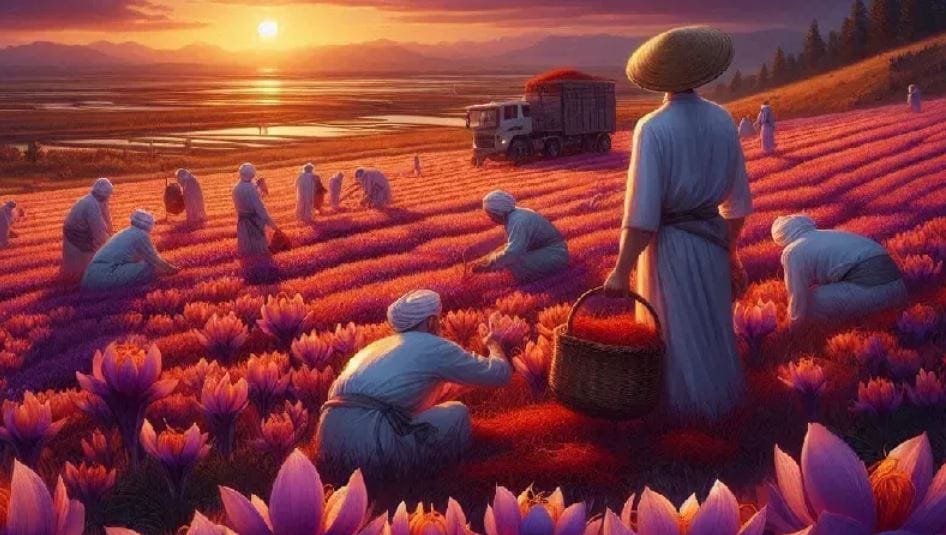
Referring to the fact that hectares of saffron can be harvested five cubits of saffron per hectare, he pointed out: planting this product will cause seasonal and temporary breeding jobs for the household, so that they will fill the saffron flowers and Separating saffron into the door of the house, and taking advantage of the human resources to use it, due to the lack of use of technology and tools.
The manager of Hamand Abster Agricultural and Animal Husbandry Complex said that the results of experimental planting of this product in the city of Damavand are very desirable and said: “By moving saffron bulbs, using high quality seeds, reducing labor costs and applying scientific methods in the development of saffron cultivation in this Let’s take a look at this area since the beginning of the year.
Rajayani acknowledged that the product of saffron in Damavand has reached the packaging stage for supply to the market.
The Damavand Agricultural Development Jihad Promoting Department, together with the Director of Agricultural and Animal Husbandry of Hamand Abrsard, has put forward the cultivation of saffron crop production and seed distribution since many years ago, as part of the entrepreneurship and self-employment initiatives of rural women. Scattered in the villages of this area at a range of 100 and 200 square meters.
Asadullah Haji Mohammadi, a farmer in Damavand, has allocated 100 square meters of land for saffron during the last three years.
The farmer said saffron is from overgrown and perennial herbs, sometimes onions staying on the ground for more than 15 years.
Haji Mohammadi added: The amount of flowers and yield of saffron per unit area depends on the fertility and talent of the land and the age of the farm, and in the first and second years after the onion planting, the amount of the product is not significant, but since the third year onwards, with the increase in the number of onions And its proliferation in the underground will increase the amount of flowering of saffron.
He added: In the fifth, sixth and seventh years, the amount of crop and flower harvest is maximized, and from the eighth day after, the flowering of saffron farms decreases, which should remove the bulbs from the ground and plant on another land so The successive planting of saffron has led to agricultural productivity in all years.
Golam Razaei, a cowherd of other farmers who started the cultivation of dried sausage in a thousand square meters in a trial of seven years ago, also said: saffron is a subtropical herb, and in areas with mild winters and hot and dry summers, it is well You go
He added: Saffron’s resistance to cold is high, but since its growth is coinciding in autumn, winter and early spring, it requires good and moderate weather in these conditions.
Gholamrezai mentioned summer as a period of sleep and rest of the saffron plant, adding that rain or irrigation is harmful to the plant during this period; therefore, its cultivation in Gilan and Mazandaran regions and warm southern regions is not common.
He said about the time of planting saffron onions: from early May to mid-October, this plant can be planted,
He said about the time of planting saffron onions: from early June to mid-October this plant can be planted, but it is better to avoid planting the onions in late July and early August, because in this situation the air and the earth are very hot and humidity may be Onion will be lost when it is displaced and damaged.
The farmer said about the choice of seed type: Selected onions should be sharper, healthier and scarred and free from any disease.
He said that he himself is one of the experts in the agricultural jihad in Damavand, from the cultivation of saffron in the form of microficies in the villages of Mehrabad, Mara’, Jaban, Sarband, Garm Absard, and added: “Due to the city’s drought, cultivating saffron that does not require much water It will be an appropriate alternative for the exploiters, and it will be possible to exploit the available land for employment and income generation for the household.
The farmer added: The harvest time is from late October to early November, and given the fact that this product needs irrigation in spring and autumn, and the Damavand area also benefits from heavenly descents this season, It will be logical.
Gholam Razaei, the past experiments in experimental cultivation, called this production effective in the current situation and said: “I have been cultivating some saffron dimes for about seven years, and in the fourth year about half a kilogram of crop was harvested.
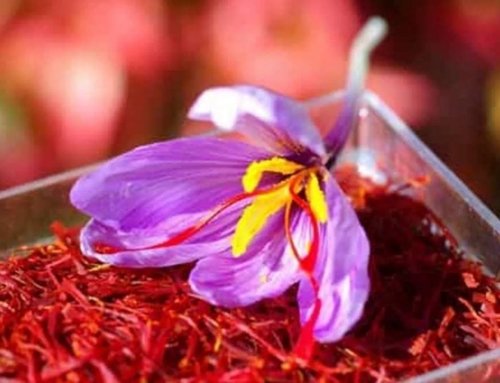
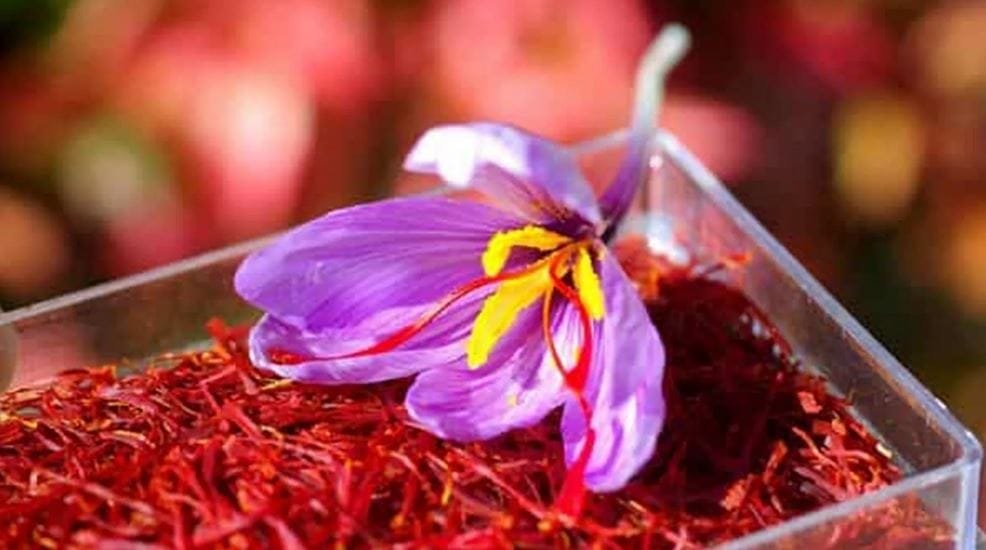
After picking the flower of the saffron from the farm, it is a difficult step to remove it from its red color, which is actually the main saffron (sargol), which saffron saffron is called saffron filling.
According to the saffron, a skilled person can only fill about four kilograms of saffron in one day, but this difficult phase in Damavand is still enjoyable due to experimentation with saffron planting and harvesting.
source: yjc /ir

![Exporting Saffron to Turkey + Price Guide [Complete 0 to 100]](https://www.rowhanisaffron.com/wp-content/uploads/f1-372-500x383.jpg)

Get Social