


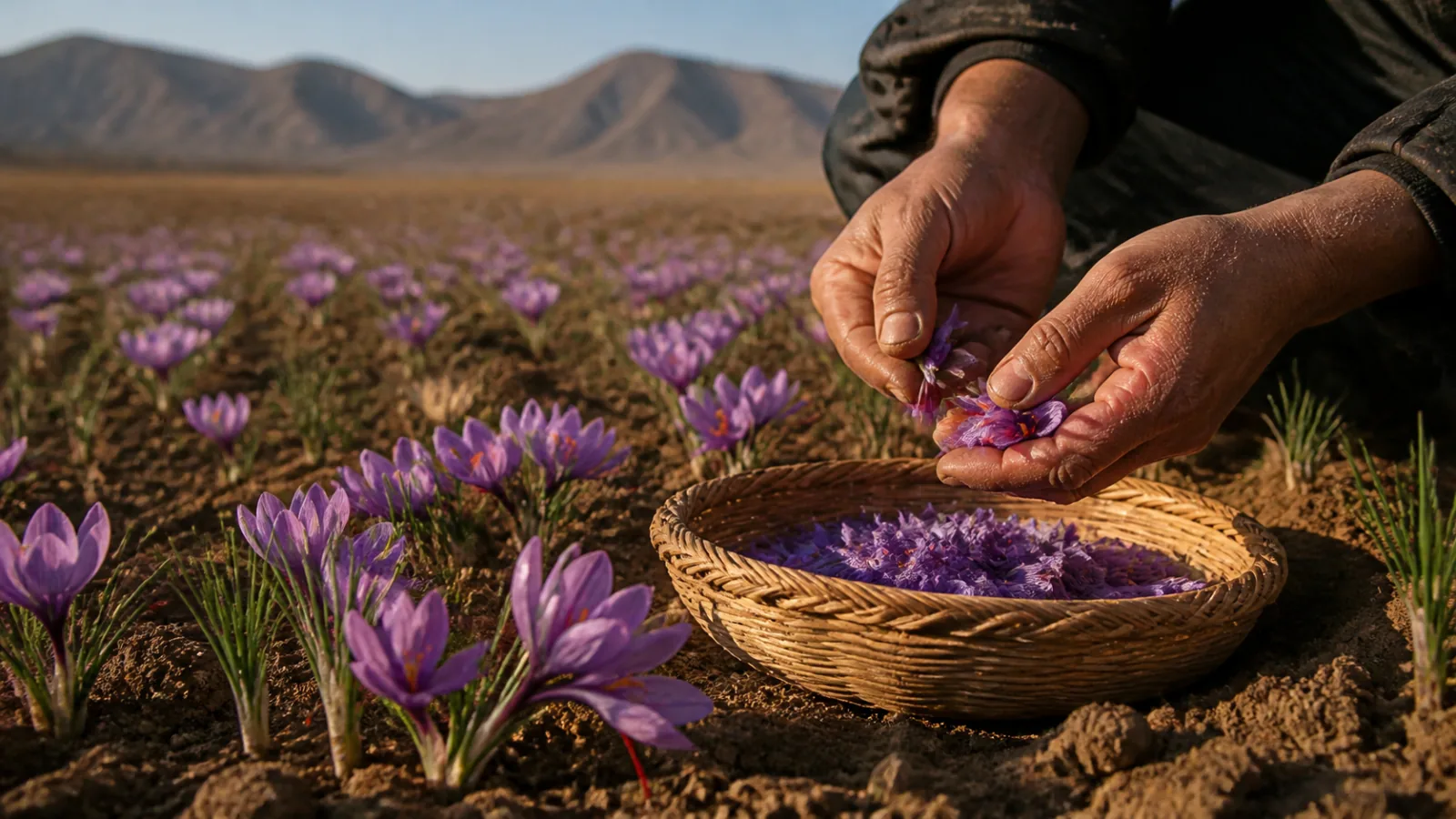
The saffron harvest in Qanbar Bagi, a village in Esfarayen, is documented most clearly by the original citizen photographs of that flowering season. The place name also appears as Ghanbar Baghi in the archived source. Both English spellings refer to the same village named in the photo report.
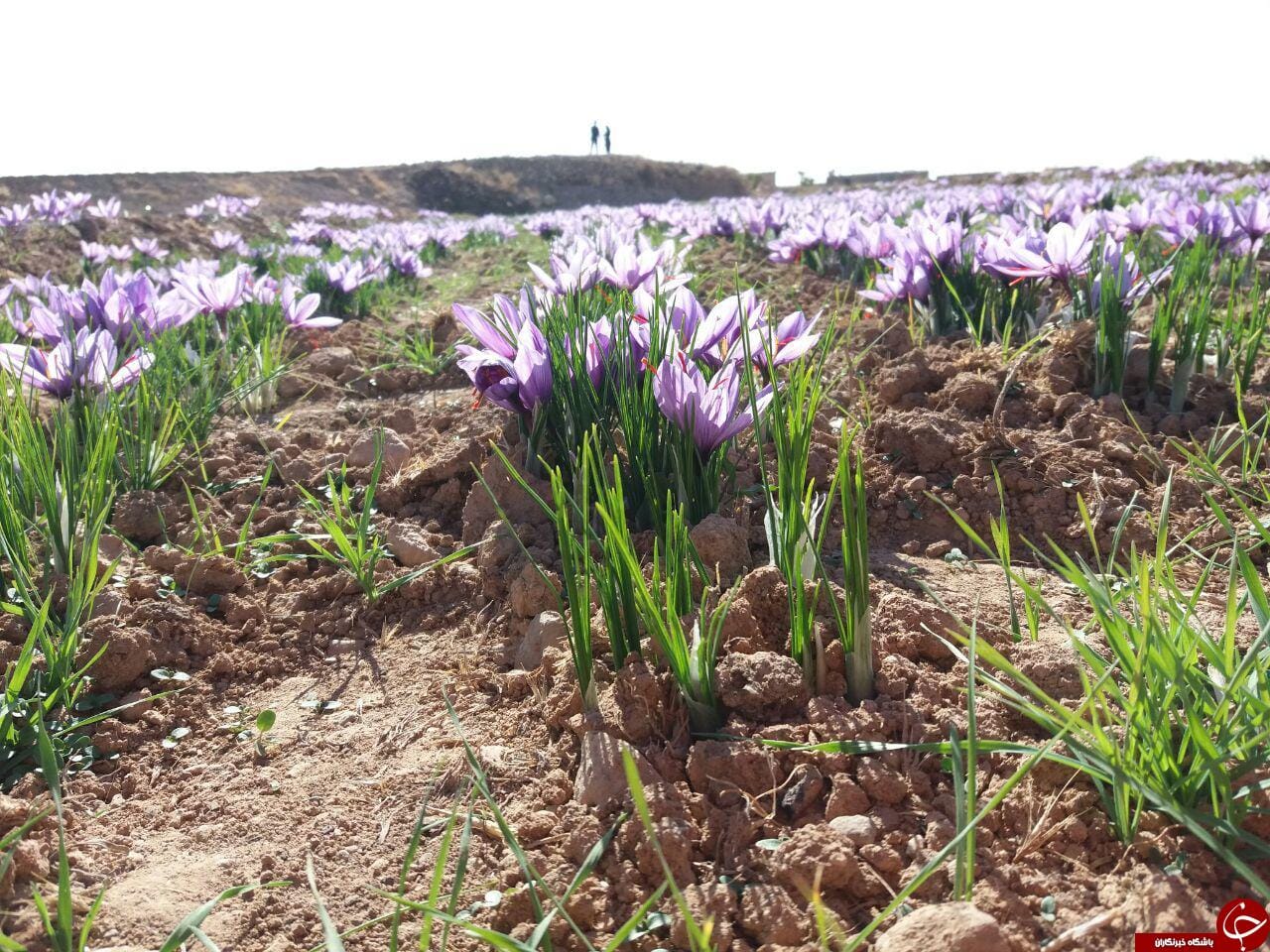
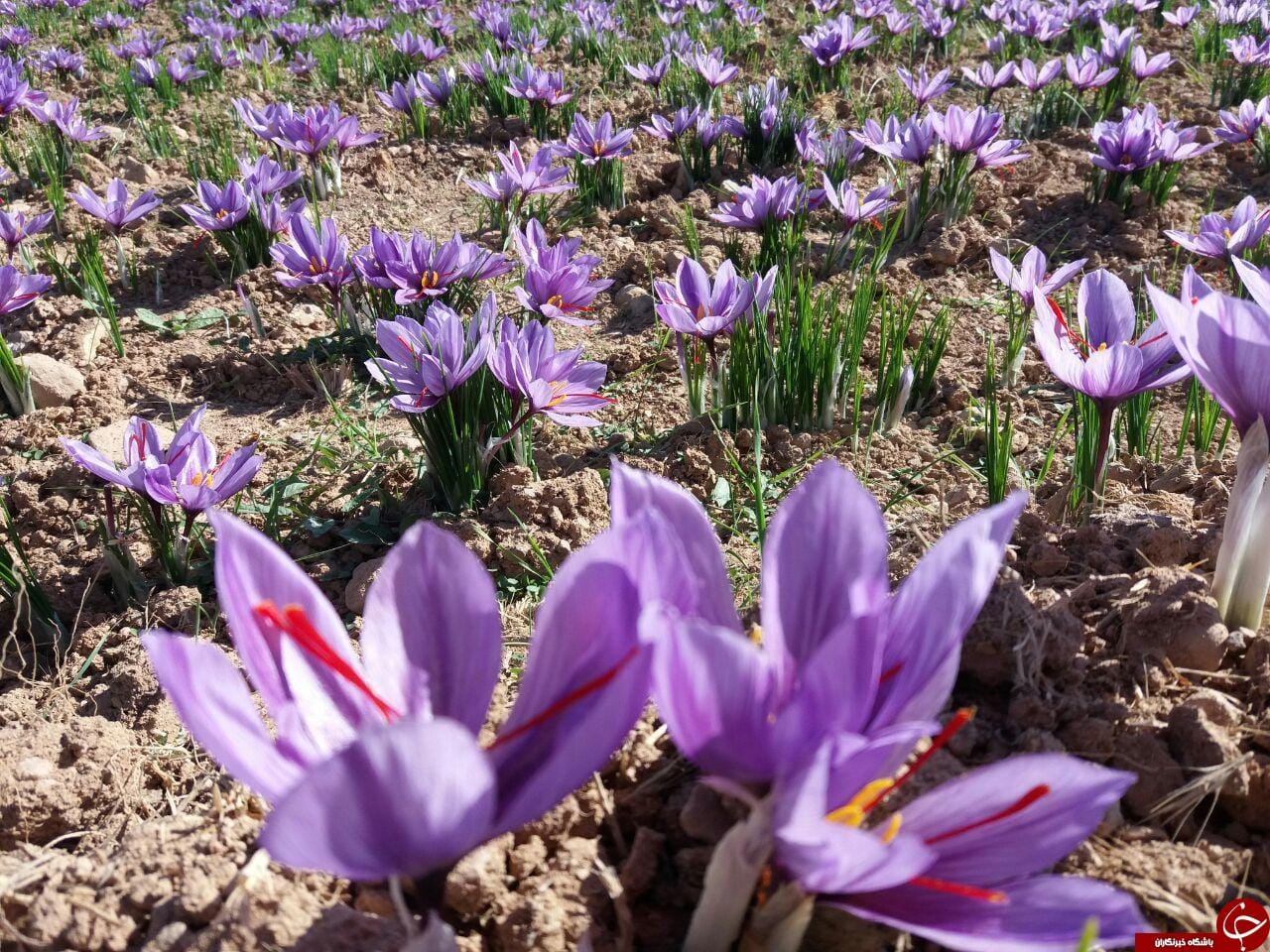
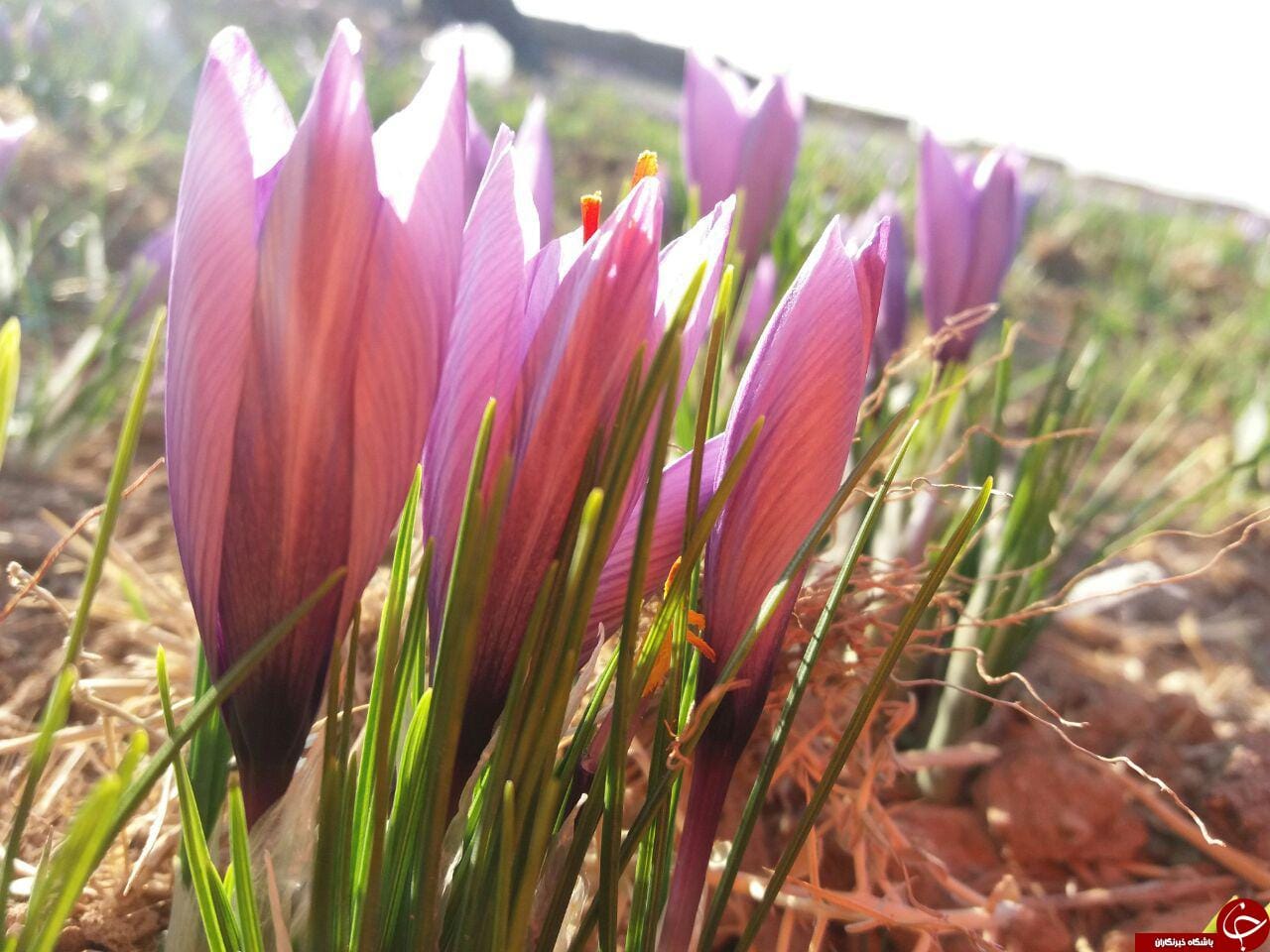
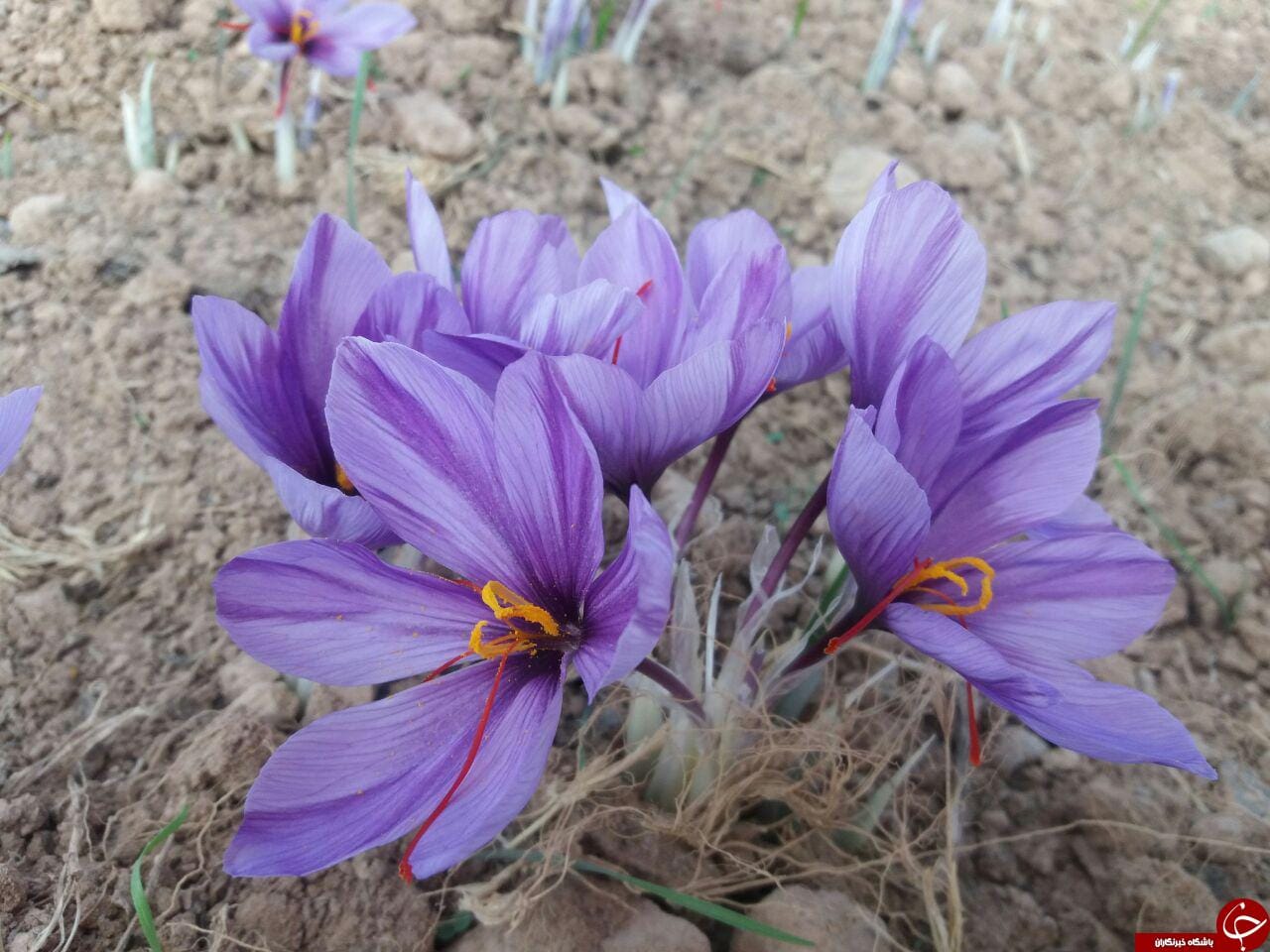
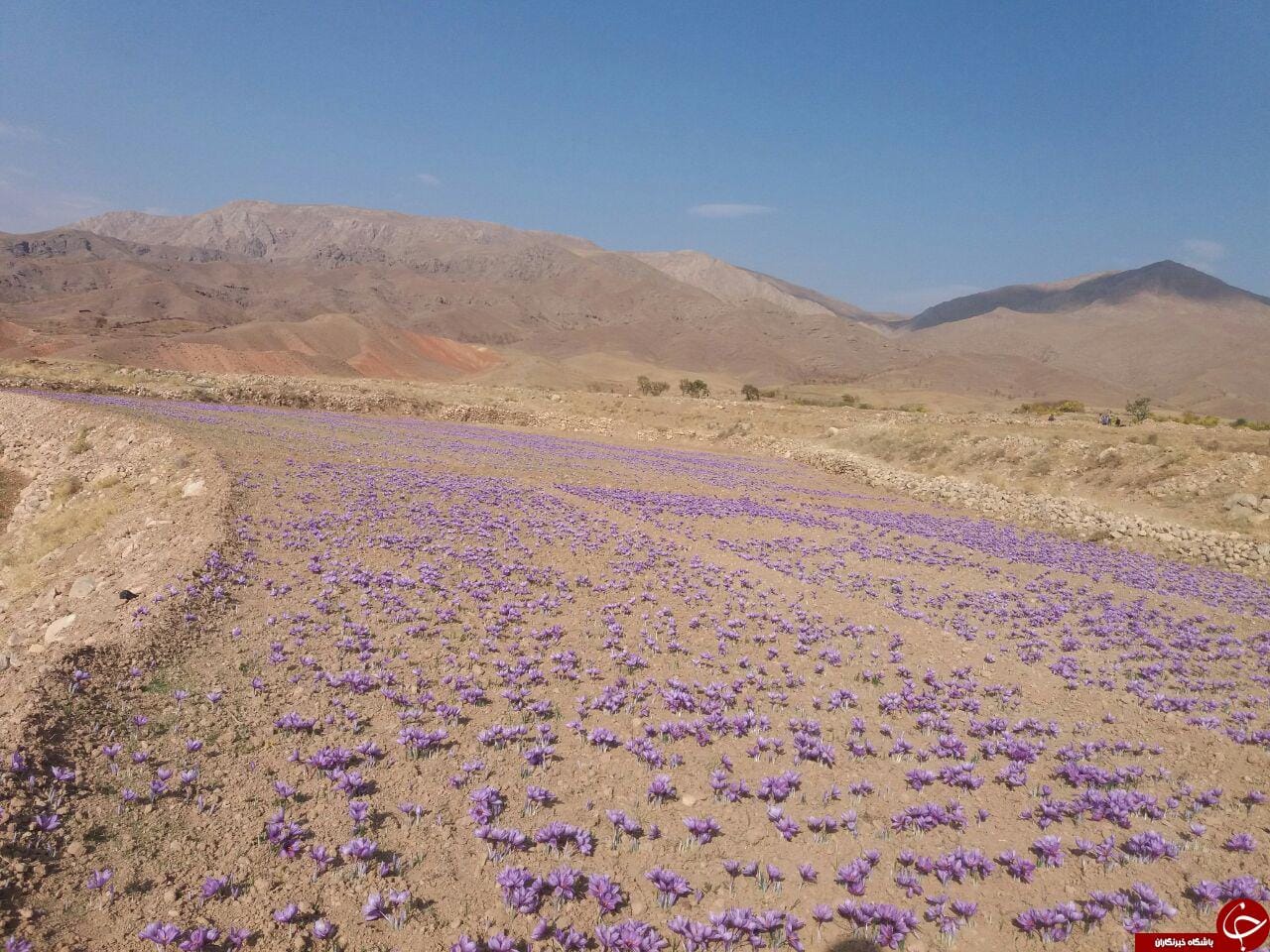
The images show a dry, open field at the foot of bare mountains, with purple saffron flowers emerging in rows. Close views capture the red stigmas, yellow stamens, lilac petals and narrow green leaves. Nothing in the source establishes the planted area or harvested weight, so this article does not turn the photographs into an unsupported production claim.
A citizen record from Esfarayen
The Young Journalists Club published the images after receiving them from a resident of Qanbar Bagi. The surviving English text contains little more than the location and the statement that saffron was being harvested. The photographs, rather than a statistical report, are the substance of the story.
Qanbar Bagi was identified as a village of Esfarayen in North Khorasan. Keeping the village name in the title matters: it preserves a local record that would be lost if the page were rewritten as a general guide to saffron harvesting.
What the photographs show
The wide field views show flowering spread across dry, uneven soil rather than a manicured garden bed. That context is useful. Saffron crocuses are low plants, and the flowers can be easy to miss from a distance even when many are open.
Closer photographs show open flowers and buds at several stages. Each saffron flower normally carries three red stigmas. Those stigmas are the part separated and dried as the spice; the yellow stamens are not saffron threads.
The images do not show picking teams, baskets, stigma separation or drying. They therefore document flowering and a reported harvest period, not the complete post-harvest process.
How saffron should be picked
Flowers are normally collected promptly during bloom, often early in the day while they are still fresh. Pickers need shallow, clean containers so the flowers are not crushed or heated in a deep pile. Soil, leaves and damaged flowers should be kept out of the collection.
After picking, the red stigmas are separated carefully and dried under controlled, hygienic conditions. Delays can reduce quality. University extension guidance notes that harvesting and separating saffron are labour-intensive because every flower is handled individually.
A photograph of a field cannot reveal the grade of the dried spice. Identity, cleanliness, moisture and chemical quality require examination of the finished lot.
The original Qanbar Bagi photo gallery
These five images are retained from the citizen report because they are direct documentary evidence of the place and flowering described by the page.
Why local photo records matter
A village harvest can disappear from the public record when a short news caption loses its images or place name. Preserving the original gallery gives growers and researchers a visual reference, while careful captions make the images understandable and accessible.
For broader regional context, see our report on the historical increase in North Khorasan saffron production. Its dated figures should be read separately from this Qanbar Bagi photo story.
Harvest reference: University of Vermont Extension’s saffron overview. Original gallery source: citizen submission from Qanbar Bagi, Esfarayen, published by YJC and retained here without claiming a yield or field size.

![Exporting Saffron to Turkey + Price Guide [Complete 0 to 100]](https://img.rowhanisaffron.com/20260827003933/saffron-export-turkey-quality-inspection.webp)



