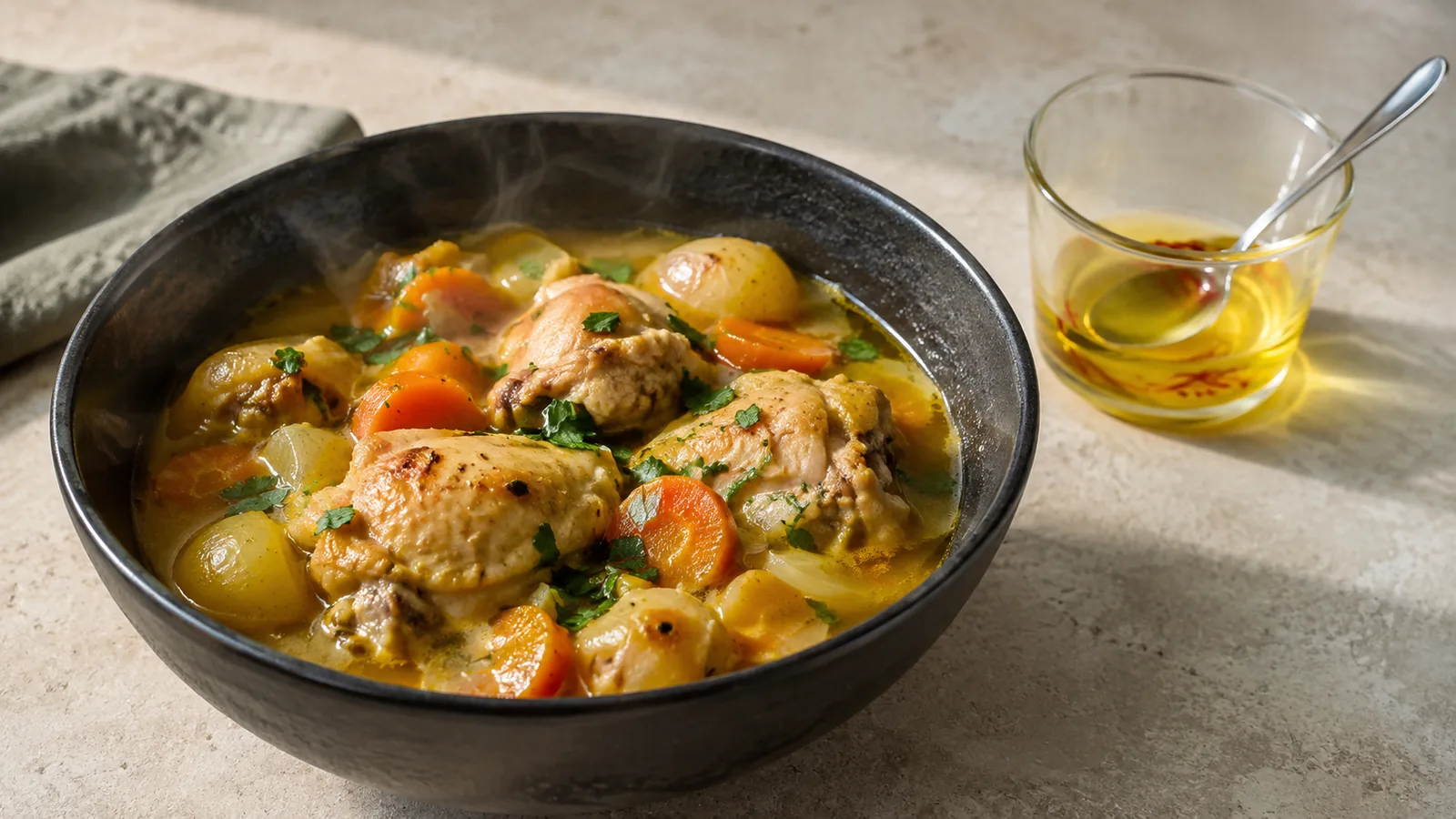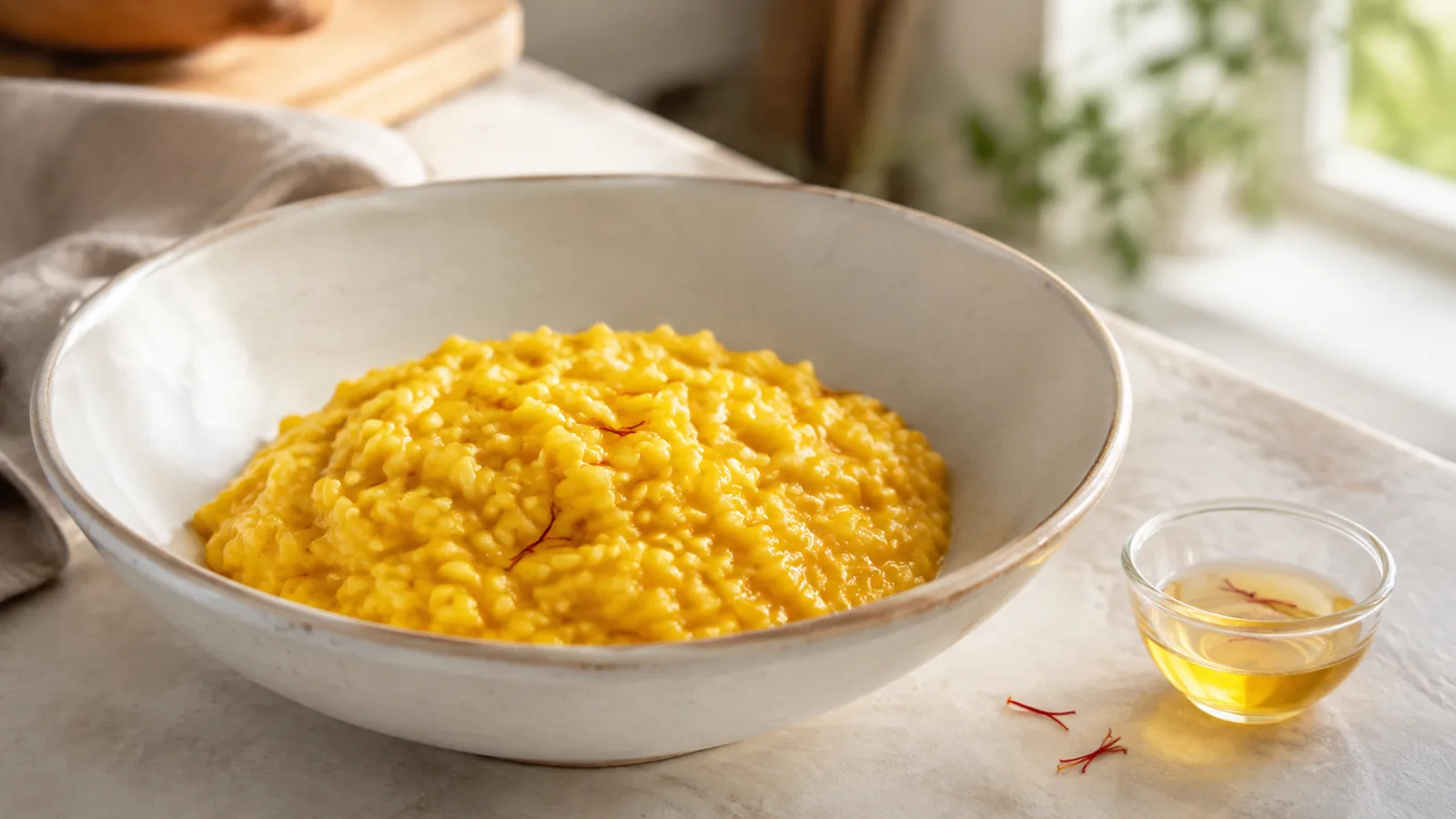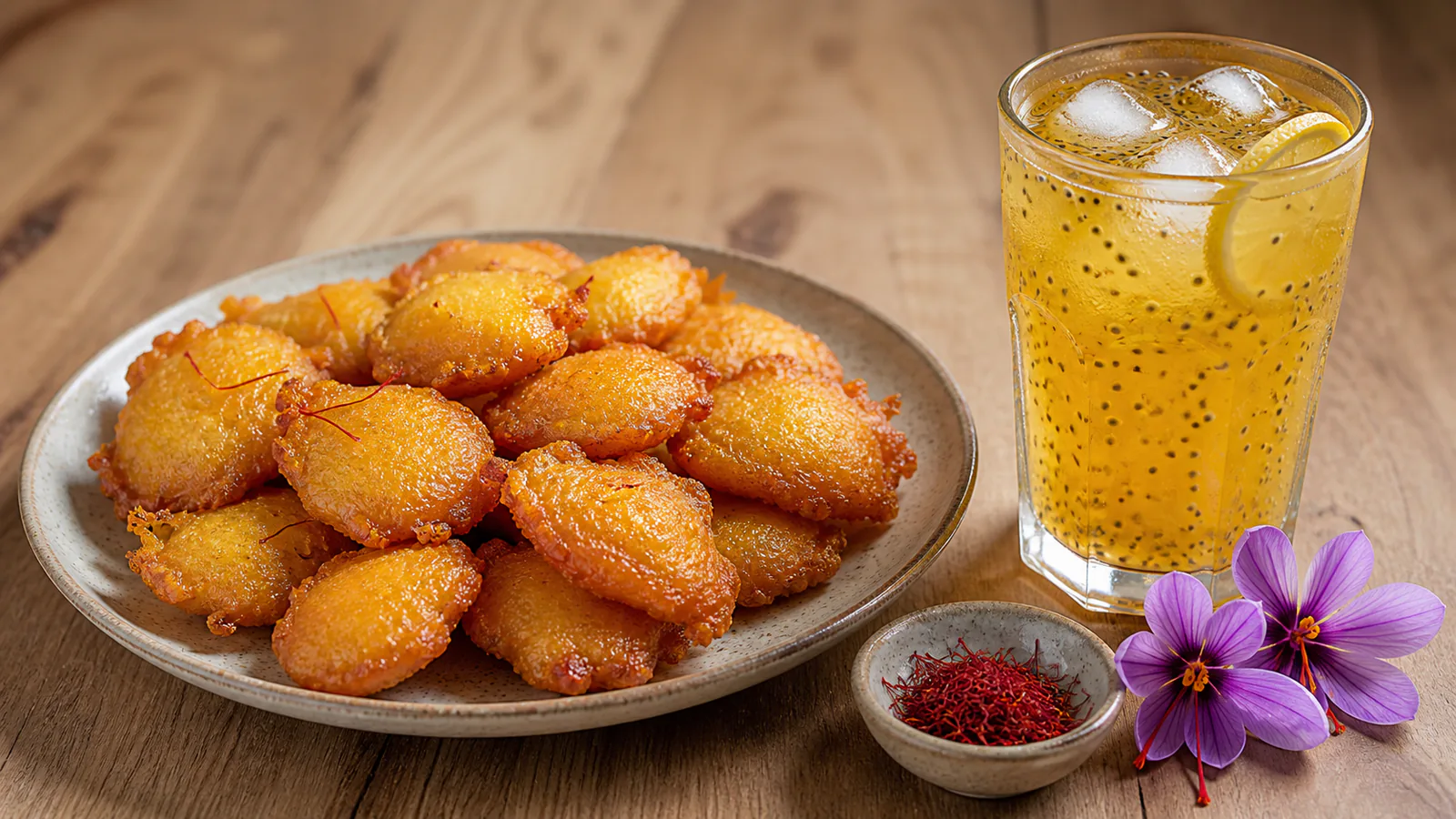
This saffron sweets grenade recipe makes small spoon-dropped pastries with a tender yogurt batter, crisp fried edges and a fragrant saffron syrup. The Persian name, shirini narenjaki, refers to the sweet’s small rounded shape. It is not a filled pastry and contains no pomegranate.
Serve the sweets at room temperature with tea, or pair them with the chilled saffron basil-seed drink later in this guide. Make the syrup first so it has time to cool while the pastries fry.
Saffron grenade sweets ingredients
For the batter
- 1 large egg
- 1 cup plain unsweetened yogurt
- 1 cup all-purpose flour
- 1/4 teaspoon baking soda
- 1/4 teaspoon ground saffron, divided
- Neutral oil for deep frying
For the saffron syrup
- 2 cups sugar
- 1 cup water
- Half of the divided saffron
- 1 teaspoon fresh lemon juice, optional
- 1 teaspoon rosewater, optional
The original recipe used a glass as its measure. Use the same cup for the sugar and water so the two-to-one ratio stays consistent. Rosewater is optional; a small amount should support the saffron rather than cover it.
Bloom and divide the saffron
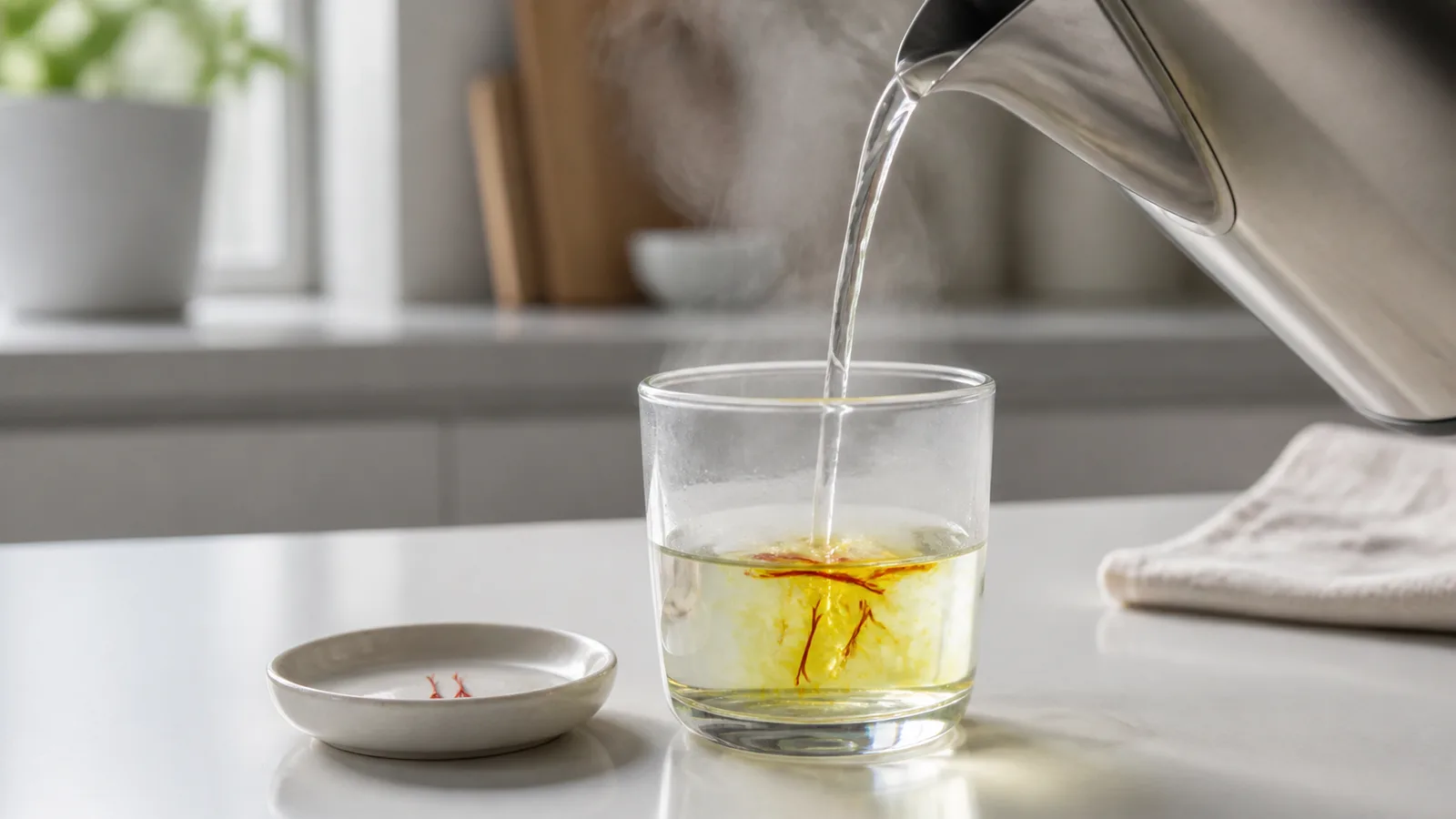
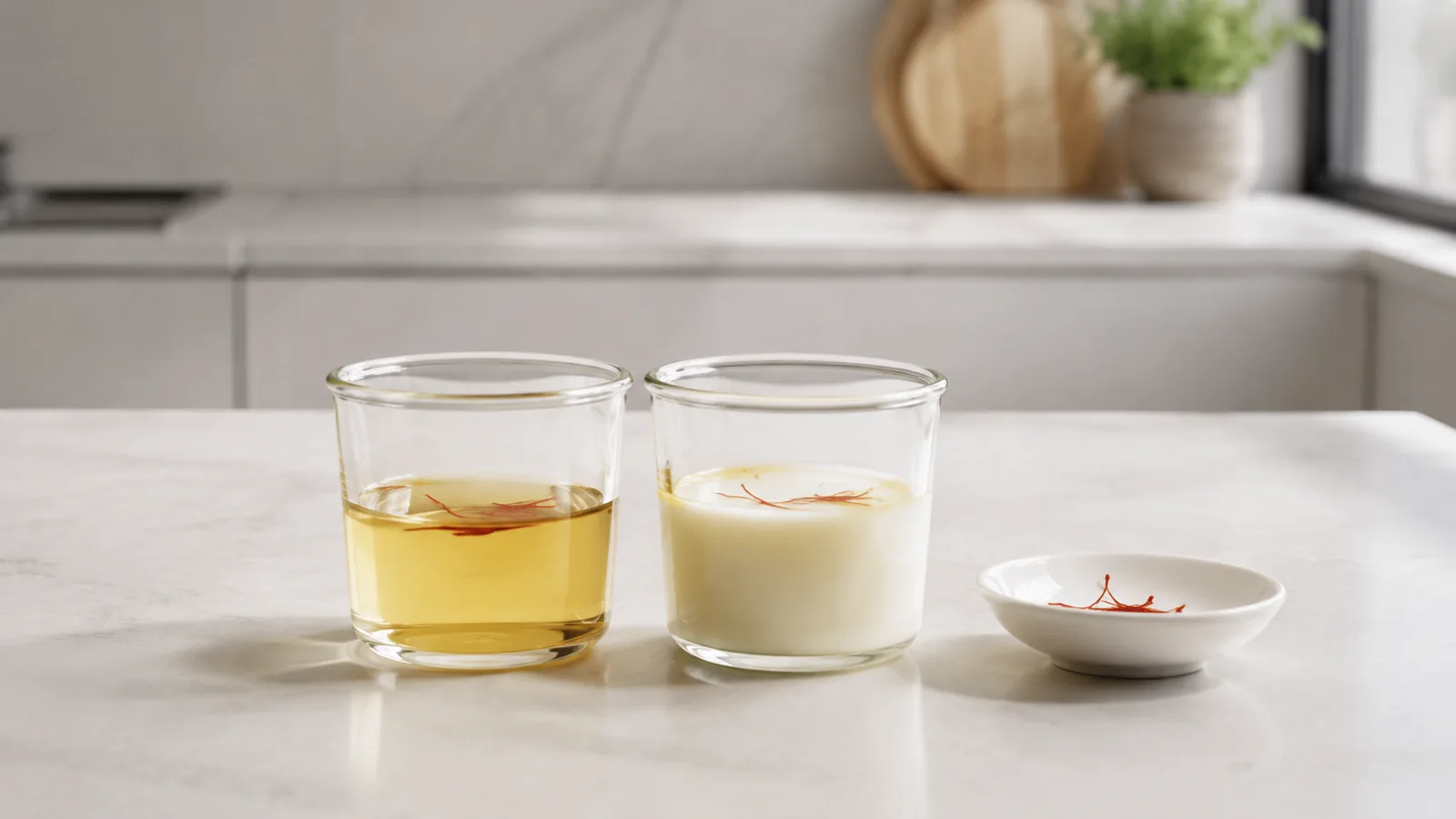
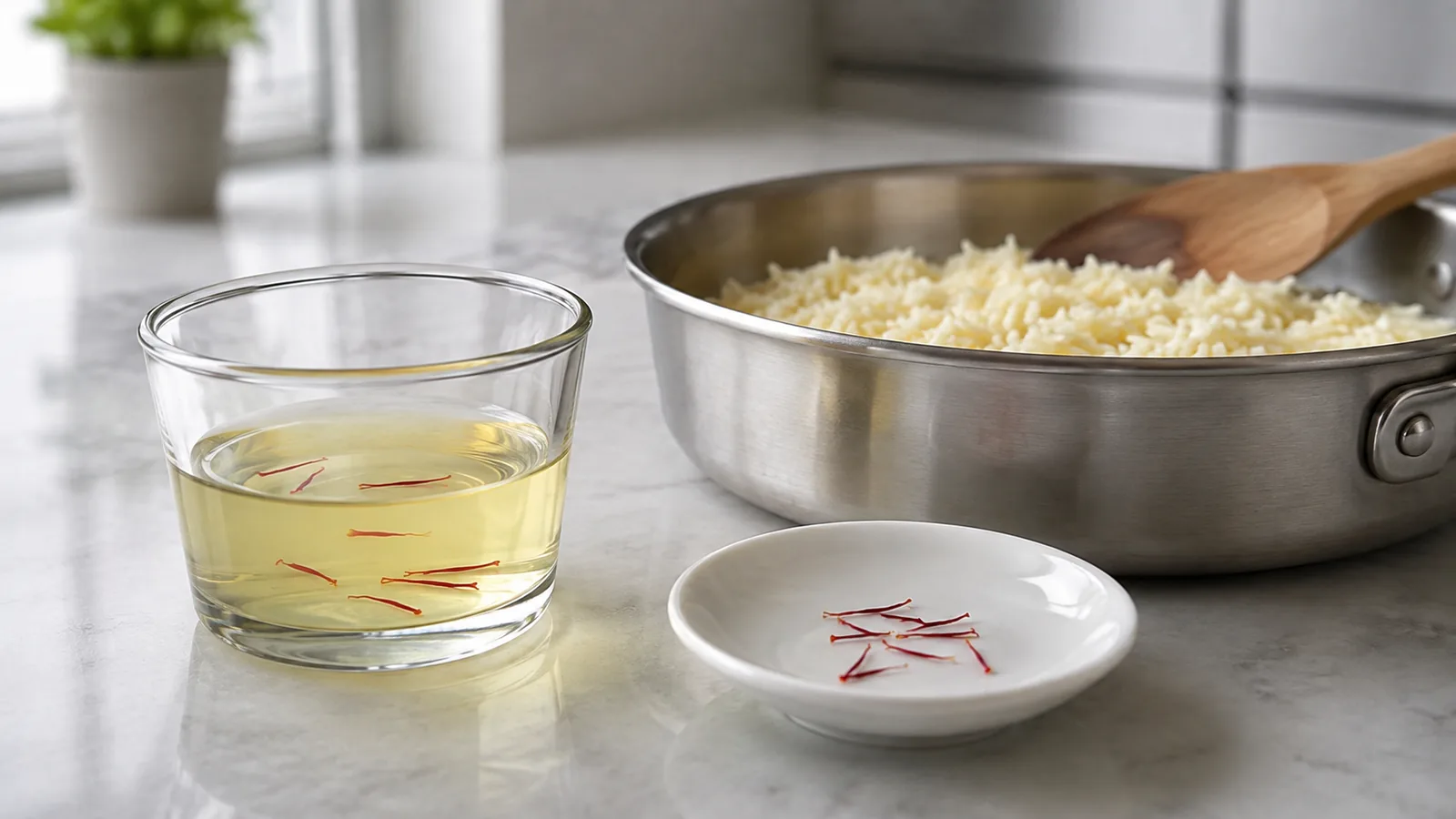
Grind the saffron finely. Stir it into about 2 tablespoons of hot, not aggressively boiling, water and leave it for several minutes. Divide the liquid into two portions: one for the batter and one for the syrup. Our guide to using saffron in cooking explains why a short infusion distributes the colour and aroma more evenly than adding dry threads at the end.
Make the syrup first
- Put the sugar and water in a small saucepan. Warm gently, stirring only until the sugar dissolves.
- Add one portion of the bloomed saffron. Bring the mixture to a gentle simmer.
- Simmer until the syrup lightly coats a spoon but is still pourable. Avoid reducing it into a thick caramel.
- If using lemon juice, stir it in near the end. Add rosewater after removing the pan from the heat.
- Set the syrup aside to cool to room temperature.
A cool syrup on hot fried sweets helps the outside keep some texture. If both syrup and pastry are very hot, the pieces can soften quickly.
Mix the yogurt batter
- Whisk the egg in a medium bowl until the white and yolk are fully combined.
- Add the yogurt and whisk until smooth.
- Add the flour gradually. Mix until no dry pockets or large lumps remain.
- Stir in the baking soda and the remaining bloomed saffron.
- Let the batter stand for 5–10 minutes while the frying oil heats.
The batter should fall slowly from a spoon. Yogurt and flour absorb differently, so use texture as the final guide. If it is extremely stiff, mix in a teaspoon of water. If it runs like a thin drink, add a spoonful of flour.
Fry the sweets safely
Pour oil into a deep, stable saucepan, leaving generous space above it. Heat over medium heat to about 175°C/350°F. Keep water away from the pan, use a long-handled spoon and never leave hot oil unattended.
- Lower small teaspoon portions of batter into the oil. Do not crowd the pan.
- Fry until the pieces are evenly golden, turning as needed so the egg-and-yogurt centre cooks through.
- Lift them out with a slotted spoon and let excess oil drain briefly.
- Place the hot pastries into the cooled saffron syrup. Turn them so all sides are coated.
- Remove when the syrup has penetrated the surface but before the sweets become waterlogged.
Cut open the first piece. The centre should be set and airy, with no wet batter. Adjust the oil heat or spoon size before frying the rest.
How to serve and store them
Arrange the sweets in a single layer until the coating settles. A light garnish of chopped unsalted pistachios or dried rose petals is optional. They are best on the day they are made, when the edges still contrast with the syrupy centre.
Once cool, refrigerate leftovers in a covered container because the batter contains egg and yogurt. Let them sit briefly at room temperature before serving. Do not return syrup that has contacted cooked pastries to a bottle intended for drinks.
Saffron basil-seed drink
This chilled drink uses the same saffron, sugar and water palette as the sweets. In Iran, food-grade basil seeds sold as tokhm sharbati are traditionally soaked into summer and Ramadan drinks. They are sometimes mistranslated as “seafood seeds,” “bean seeds” or other unrelated ingredients; use a package clearly identified as edible basil seeds.
Drink ingredients
- 1 cup sugar
- 2 cups water
- A generous pinch of ground saffron, bloomed in hot water
- 1 teaspoon fresh lemon juice
- 1–2 tablespoons food-grade basil seeds
- 1–2 teaspoons rosewater, optional
- Cold water and ice for serving
Make the saffron seed syrup
- Combine 1 cup sugar, 2 cups water and the bloomed saffron in a saucepan.
- Warm just until the sugar dissolves, then simmer gently for a few minutes. Add the lemon juice and remove from the heat.
- Stir in rosewater if desired and cool completely.
- Put the basil seeds in a separate bowl and cover generously with clean boiled water that has cooled slightly. Stir and leave them until every seed develops a translucent gel coating.
- Strain off excess soaking water if necessary, then stir the hydrated seeds into the cooled saffron syrup.
- To serve, dilute to taste with cold water and ice. Stir before drinking because the seeds settle.
Do not add dry basil seeds directly to the serving glass. They swell as they hydrate, so soak them completely first. Adjust the syrup with more water if the sweets make the combination too sweet.
A note about Ramadan and health claims
The basil-seed drink is traditionally served between iftar and suhoor and is often described as refreshing during fasting periods. It does not prevent dehydration and does not replace adequate water. Its sugar content also matters for anyone who needs to manage blood glucose.
The old source attributed weight-loss, respiratory, digestive, mood and diabetes-treatment effects to the seeds. Those claims were unsupported and have not been carried into this recipe. This is a food and a sweetened drink, not a treatment for asthma, depression, diabetes or any other medical condition.
One saffron menu, two textures
The fried sweets are warm, crisp and syrupy; the basil-seed drink is cold and lightly textured. Making them together works because the same bloomed saffron, lemon and optional rosewater can be prepared in one session while each recipe keeps its own syrup ratio.
Use saffron for aroma and balance rather than adding more simply for colour. A carefully bloomed pinch should be noticeable in both the pastry and the glass.