


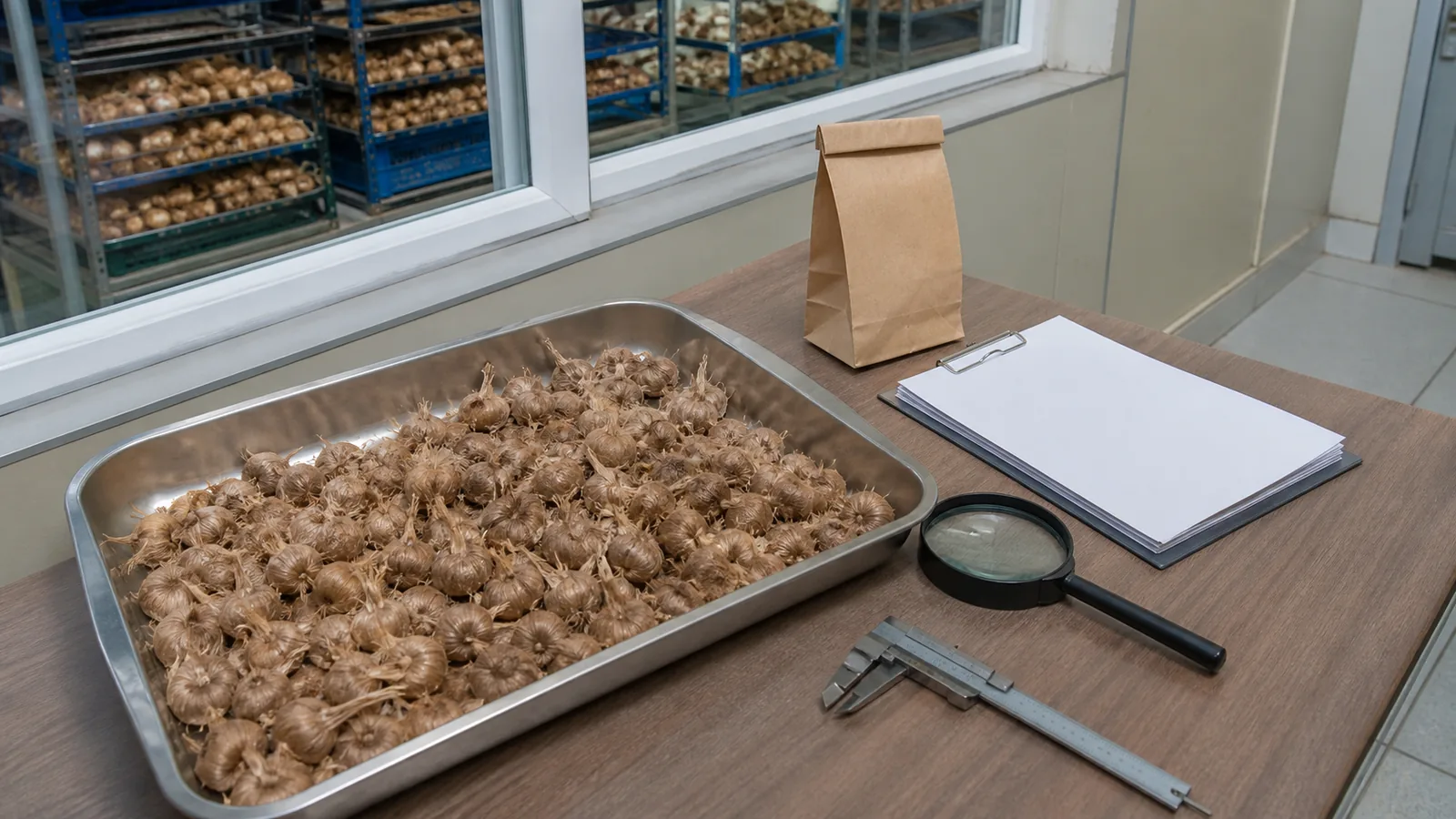
The “Saffron Crisis in Iran” described in this 2017 report was a dispute over saffron corm policy, consultation and illegal cross-border movement—not evidence that shops had run out of saffron. A National Saffron Council member questioned the removal of a long-standing restriction and warned that the technical rules for moving planting material were unclear.
The article is best read as a record of that policy debate. It does not establish a current saffron shortage, a current export ban or the present permit procedure.
What changed in the 2017 account
Ali Hosseini, identified as a member of the National Saffron Council and vice-president of an association of producers and exporters, spoke to the Iranian Labour News Agency about what the translation called the “release of saffron onion.” Saffron onion means the corm used to propagate Crocus sativus.
Hosseini said a restriction described as a 10-year ban had been removed. Technical supervision, organisation and permits for moving saffron corms to other provinces were assigned to the Khorasan Agricultural Engineering Organization.
The source uses “export” for both movement to other Iranian provinces and movement beyond the national border. Those are not the same legal act. The preserved report does not contain the underlying rule, so it cannot show whether the change covered domestic transfers, international exports or both.
Why growers objected
Hosseini said producer and exporter associations had not been consulted and that he learned about the decision through the media. He asked why organisations and people whose livelihoods depended on growing and harvesting saffron had not been included.
The criticism was about process as well as outcome. Moving planting material requires clear responsibility for corm identity, health, treatment, inspection and documentation. Hosseini said it was unclear what equipment or preparation should be required and argued that the issue had not been studied enough.
Domestic movement and smuggling are different
A permit system for lawful domestic movement can help trace corms between provinces. Smuggling refers to movement that evades the applicable border or customs rules. One does not automatically cause the other, although weak controls or unclear responsibilities can make enforcement harder.
Hosseini alleged that saffron corms had crossed Iran’s borders for years and linked that movement to increasing production in neighbouring countries, particularly Afghanistan. He called for serious enforcement and said officials should not be indifferent.
Those statements are attributed to the interview. The page does not provide seizure records, volumes or a measured link between specific corm shipments and foreign output.
Why saffron corm controls matter
- Plant health: corms can carry soil or disease unless sourced, inspected and handled correctly.
- Traceability: growers need to know the origin, lot and storage history of planting stock.
- Crop planning: unrestricted movement can change where production expands and how supply develops.
- Genetic resources: policymakers may treat established planting material as strategically important.
- Enforcement: clear rules help distinguish a documented shipment from an unlawful one.
Controls can also impose cost and delay. A sound policy therefore needs a defined purpose, proportionate requirements and a practical route for legitimate growers.
Was there a saffron shortage?
The original article did not report a shortage of culinary saffron, failed harvest, empty inventory or inability to meet consumer demand. People searching for “saffron shortage” should not read its crisis headline as evidence of one.
A shortage concerns available supply relative to demand. The 2017 controversy concerned the governance of saffron corms and the risk of production capacity moving elsewhere. Those issues may influence future supply, but they are not interchangeable.
What would make a corm policy credible
A workable system should state which movements require permission, who can issue it, what health checks apply, how lots are identified and what evidence accompanies a shipment. It should also define sanctions, appeals and coordination between agricultural, customs and border bodies.
Consultation does not mean every stakeholder gets the policy it wants. It does help officials test whether rules can be followed in real farms and whether they address the actual route of risk.
How to use this historical report
The page preserves a producer-side warning from 2017: changing a long-standing corm rule without clear technical preparation or consultation could create uncertainty, while illegal border movement remained a separate concern.
For current decisions, check the latest Iranian agricultural and customs regulations. For international shipments, verify the destination country’s plant-import and phytosanitary rules as well. This article explains the old crisis; it does not replace current legal guidance.

![Exporting Saffron to Turkey + Price Guide [Complete 0 to 100]](https://img.rowhanisaffron.com/20260827003933/saffron-export-turkey-quality-inspection.webp)



