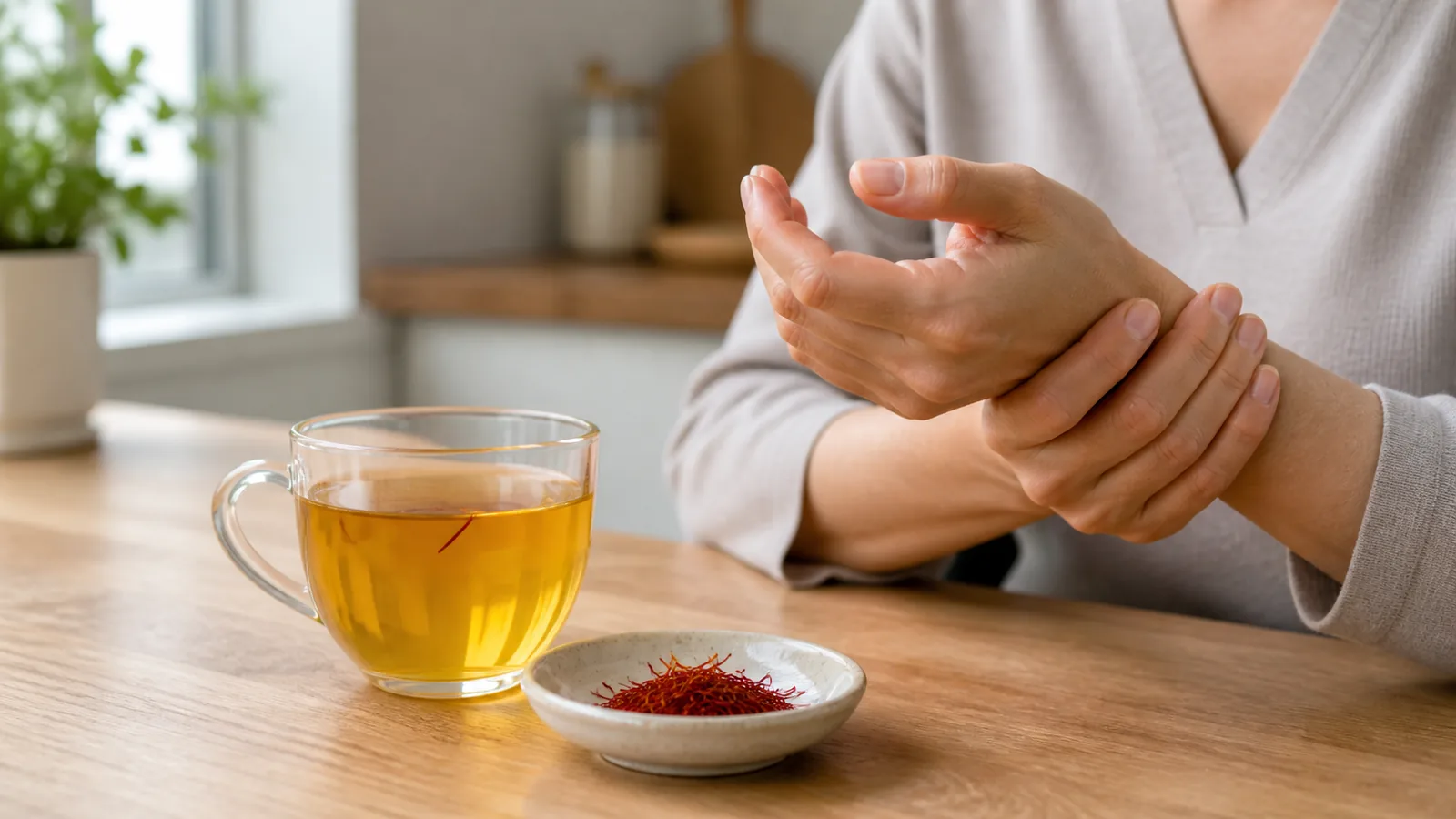
Saffron for athletes is an interesting research subject, but it is not a proven shortcut to greater speed, strength or recovery. A few small studies have tested concentrated saffron in active or healthy young men. Their results are mixed, and they do not support the old claim that athletes should take saffron to prevent cancer.
That distinction matters. Saffron can be enjoyed as a spice in an athlete’s normal meals. A capsule used in a trial is a different product, at a different dose, and should be judged as a supplement rather than as food.
Why saffron attracted sports researchers
Hard exercise increases oxygen use and temporarily changes the balance between reactive oxygen species and the body’s antioxidant defences. Reactive oxygen species are often called free radicals, although the terms are not identical. They are not simply “bad”: some are involved in normal cell signalling and adaptation to training. Excessive oxidative stress can contribute to tissue damage, but eliminating every oxidant is neither possible nor a sensible training goal.
Saffron contains carotenoid compounds, including crocin and crocetin, that show antioxidant activity in laboratory research. That biological plausibility led researchers to ask whether saffron might affect exercise performance, soreness or recovery. A plausible mechanism, however, is only the beginning of the evidence chain.
What human exercise studies found
A short strength and reaction-time trial
A 2016 randomised study assigned 28 non-active, healthy male university students to dried saffron stigma or a placebo for 10 days. The saffron group used 300 mg per day and recorded improvements in some leg-strength and reaction-time measurements.
The result is worth knowing, but it is not proof that saffron improves competitive performance. The sample was small, the participants were not trained athletes, and the study lasted only 10 days. A result from one narrow group may not apply to women, older adults, endurance athletes or a full training season.
Delayed-onset muscle soreness
Another small randomised, double-blind trial examined delayed-onset muscle soreness after an eccentric exercise session. Thirty-nine non-active male students received saffron, indomethacin or placebo. The researchers reported less soreness and smaller changes in certain muscle-damage markers in the saffron group.
This was a controlled experiment rather than a recommendation for routine use. Its participants, protocol and short duration limit what can be inferred about ordinary training recovery. The study dose should not be copied as a personal dose without clinical advice.
A newer repeated-sprint test found no benefit
A 2024 double-blind crossover study tested a single 300 mg saffron dose in 22 healthy, active young men. It found no significant improvement in repeated-sprint time, fatigue index, blood lactate, heart rate, perceived exertion or feeling scores compared with placebo.
Taken together, these studies do not produce a simple yes-or-no answer. They test different outcomes, exposure periods and populations, all with small samples. The fair conclusion is that saffron’s sports effects remain preliminary.
The original Iranian student-conference report
This page originally reported a presentation by Mina Akbari, described as a graduate student at Tehran Azad University. According to the 2016 news item, her paper on short- and long-term saffron supplementation and antioxidant capacity in distance runners was selected as a leading paper at a student sports-immunology conference.
That historical report helps explain the page’s original focus on runners, training volume and oxidative stress. It did not include the complete methods, participant data or a peer-reviewed paper that readers could assess. Its claims therefore should remain attributed to the presentation, not repeated as established clinical findings.
Saffron does not prevent cancer in athletes
The old article said that saffron could control free radicals and prevent malignant tumours. Human evidence does not support that statement. Laboratory and animal research has explored the antioxidant and anticancer activity of saffron compounds, but preclinical findings do not demonstrate cancer prevention in people.
Exercise, age or training volume does not turn a spice into cancer treatment. Athletes should follow evidence-based screening and medical advice, and anyone with symptoms or a diagnosis should speak with a qualified clinician.
Food use and supplement use are not the same
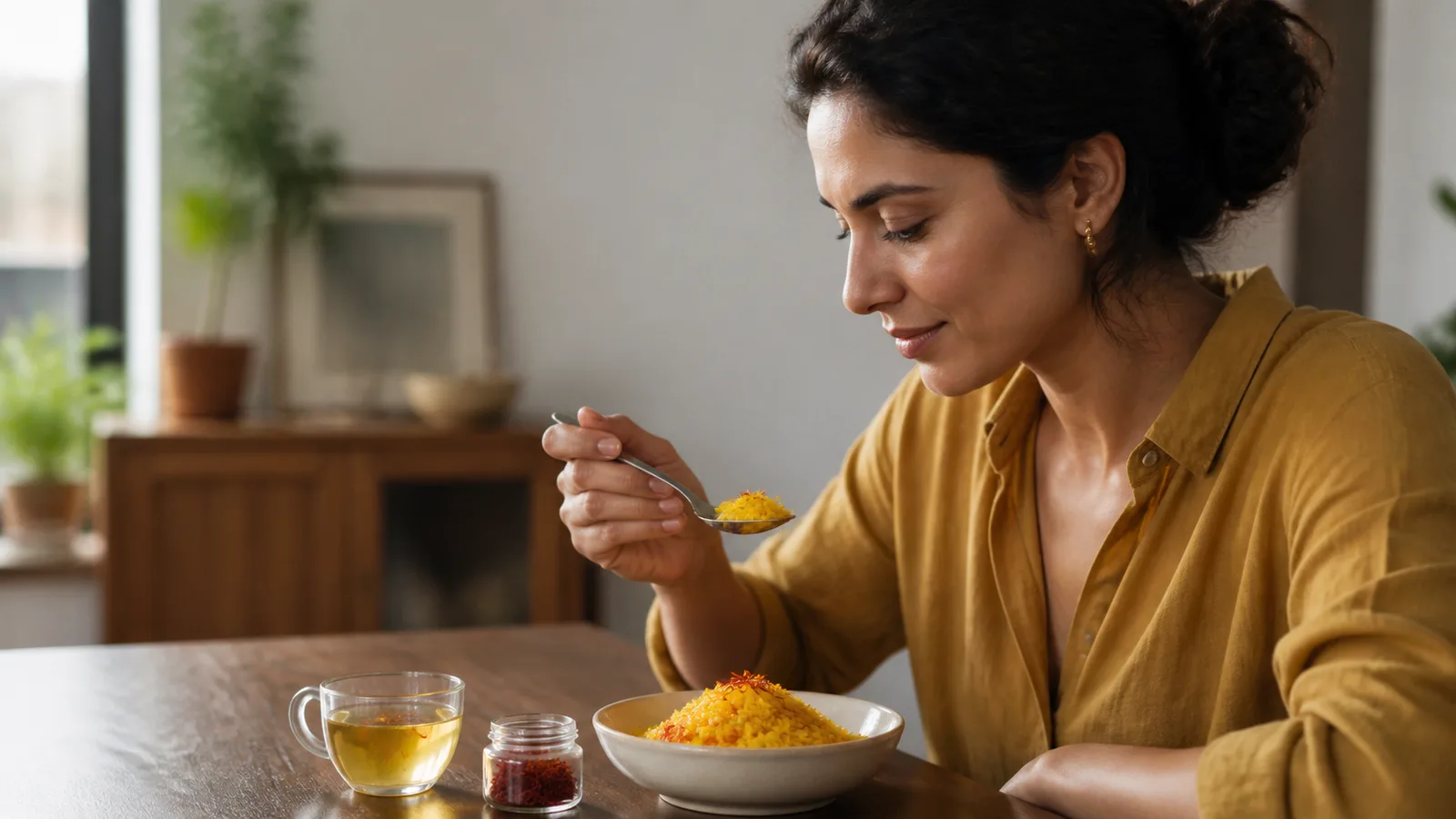
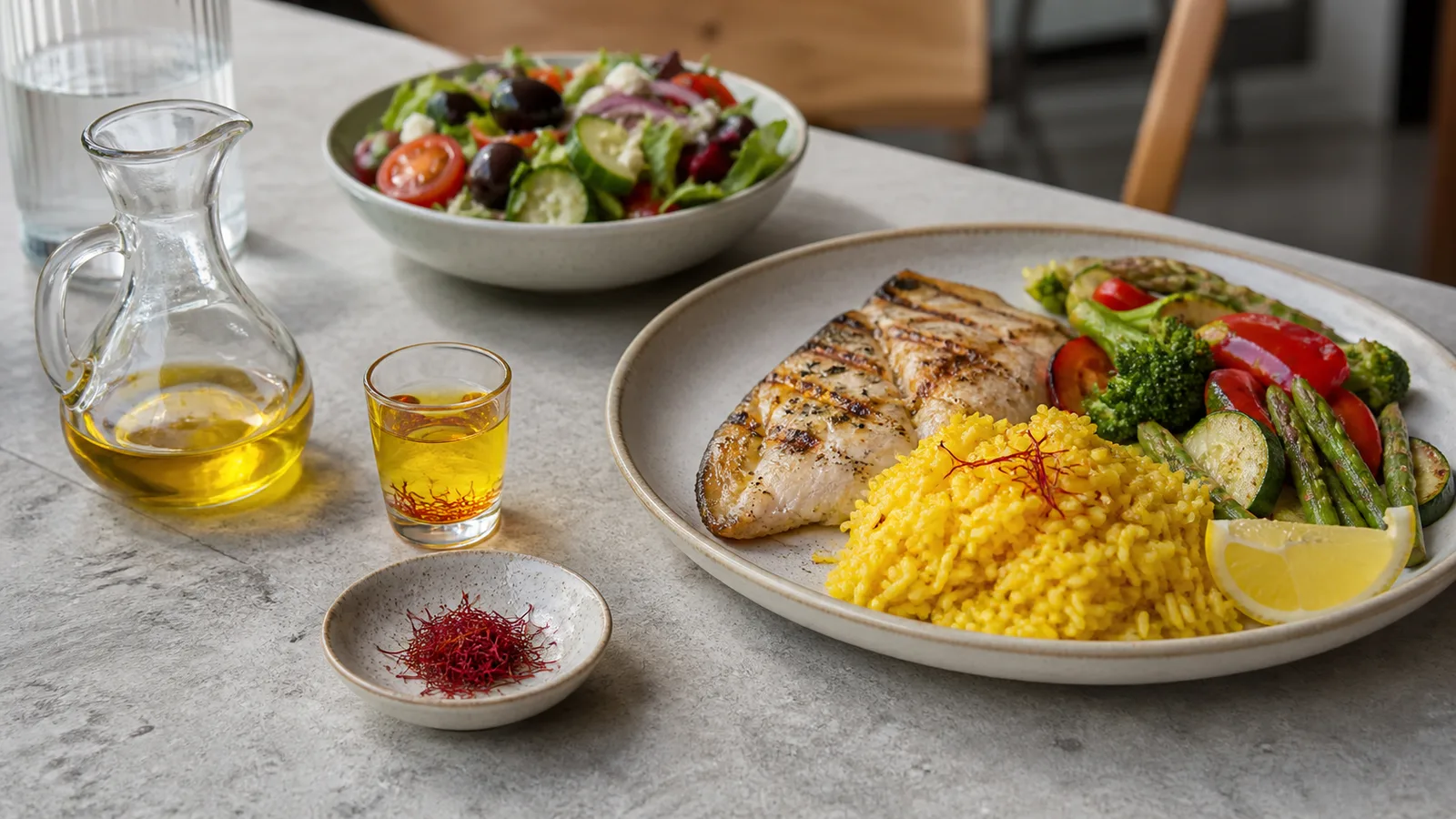
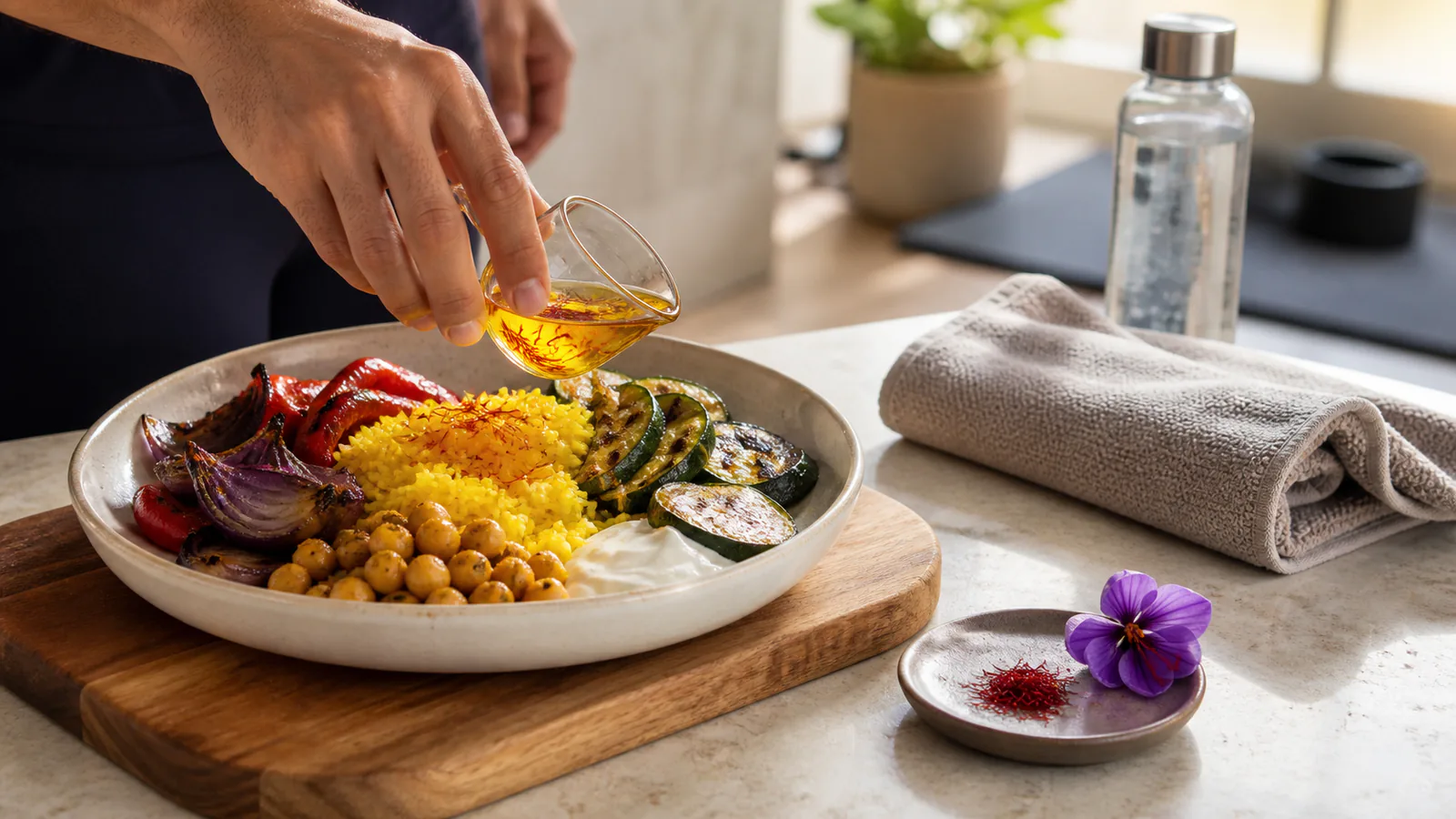
Using a small amount of saffron to flavour rice, soup, yoghurt or a milk-based drink is culinary use. It can make a varied meal more enjoyable, but it does not replace enough energy, carbohydrate, protein, fluids, iron or other nutrients needed for training and recovery.
Research capsules can contain far more saffron than a serving of food. Supplement strength also depends on the extract, standardisation, storage and authenticity. A study using one preparation cannot validate every product sold under the same ingredient name.
What competitive athletes should check
- Start with the purpose. Decide which specific outcome you are trying to improve and whether saffron has credible human evidence for it.
- Check medicines and health conditions. Ask a doctor or sports dietitian before using a concentrated product, particularly during pregnancy, before surgery or when taking prescribed medicine.
- Consider supplement contamination. The World Anti-Doping Agency Prohibited List governs banned substances, but a product label alone cannot guarantee that a supplement is contamination-free. Use the risk-management process required by your sporting body.
- Do not copy a research dose. The amount used in a small trial is part of that protocol, not a universal intake recommendation.
- Protect the basics. Sleep, an appropriate training plan, hydration and adequate food have much stronger practical foundations than an unproven supplement.
A practical way to include saffron in an athlete’s diet
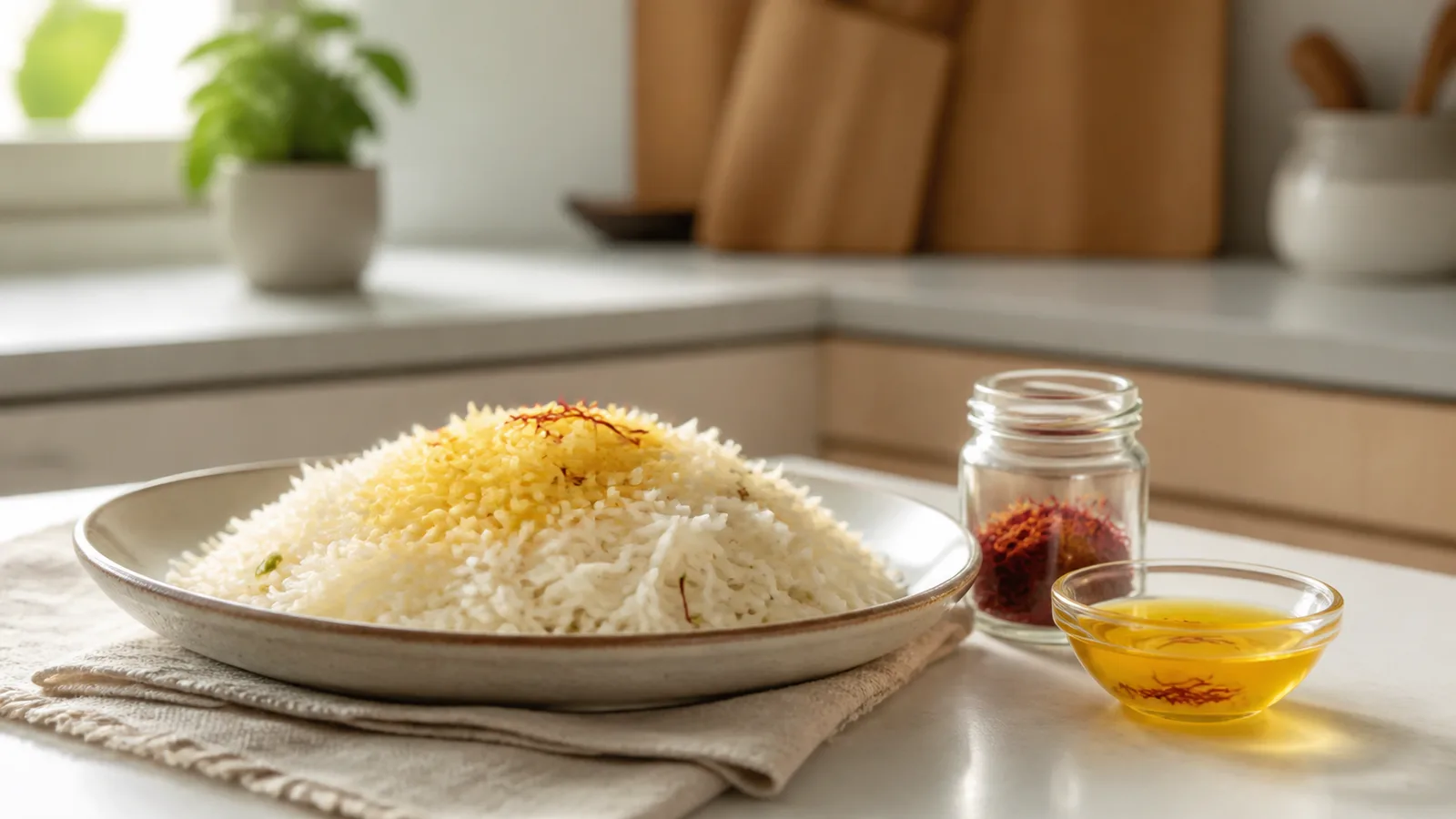
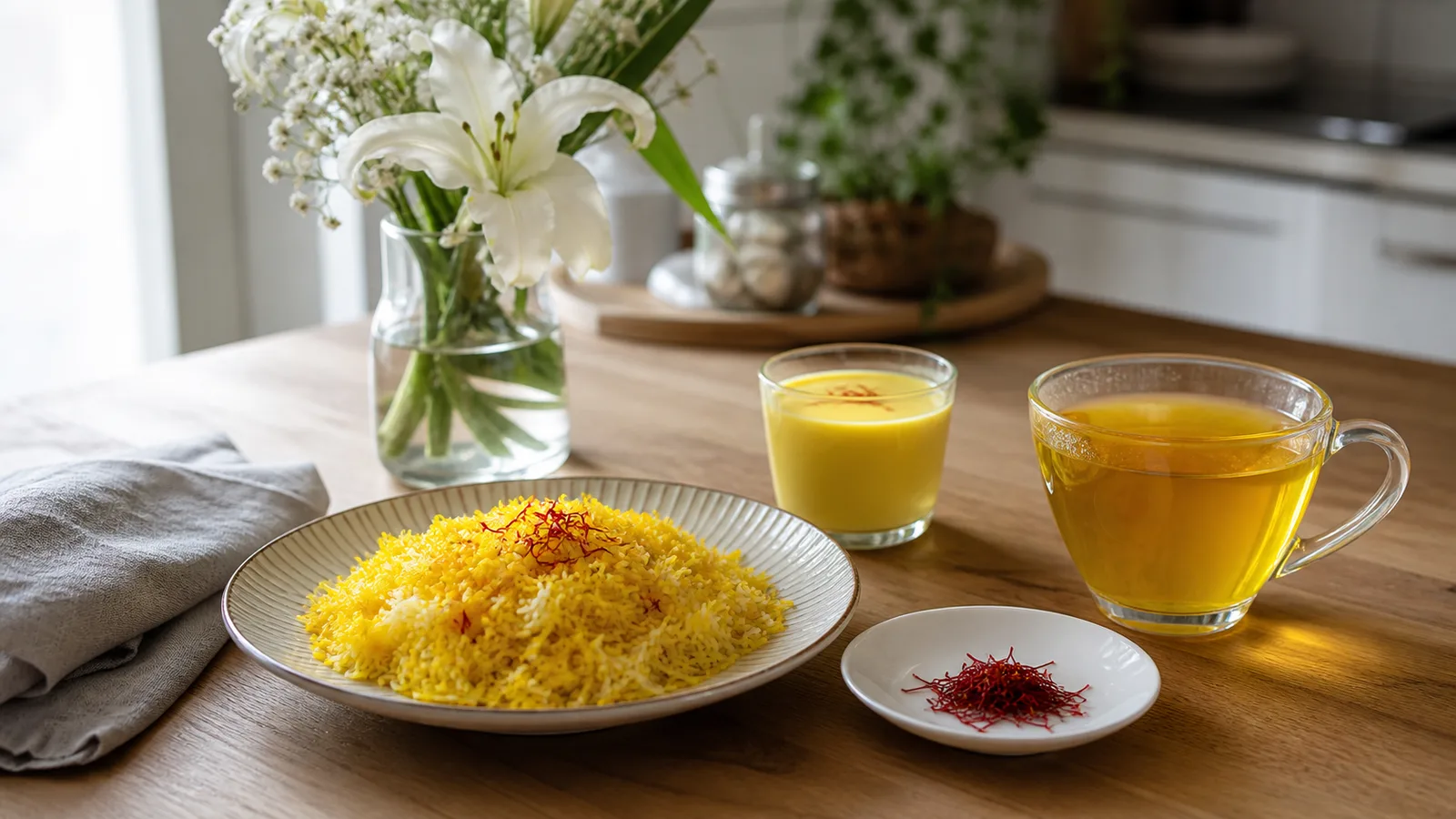
For flavour rather than a promised performance effect, lightly crush a small pinch of genuine saffron threads and steep them in warm water or milk for 10 to 15 minutes. Add the infusion to rice, a stew or another meal. The liquid spreads the colour and aroma more evenly than scattering dry threads over finished food.
Buy threads from a traceable supplier and store them airtight, away from heat, moisture and light. Very cheap powder is difficult to assess visually and can be easier to adulterate. If a product promises immediate endurance, cancer prevention or guaranteed recovery, the marketing has moved well beyond the evidence.
The honest answer for athletes
Saffron is a valuable culinary spice and a legitimate subject of sports research. Small trials have reported some promising findings, while a newer repeated-sprint trial found no acute performance benefit. Larger, independently replicated studies in trained athletes are needed before saffron supplementation can be recommended for performance or recovery.
Enjoying saffron in food is reasonable for most people. Treating a concentrated supplement as an ergogenic aid is a separate decision, and one that deserves the same evidence, safety and anti-doping scrutiny as any other sports supplement.