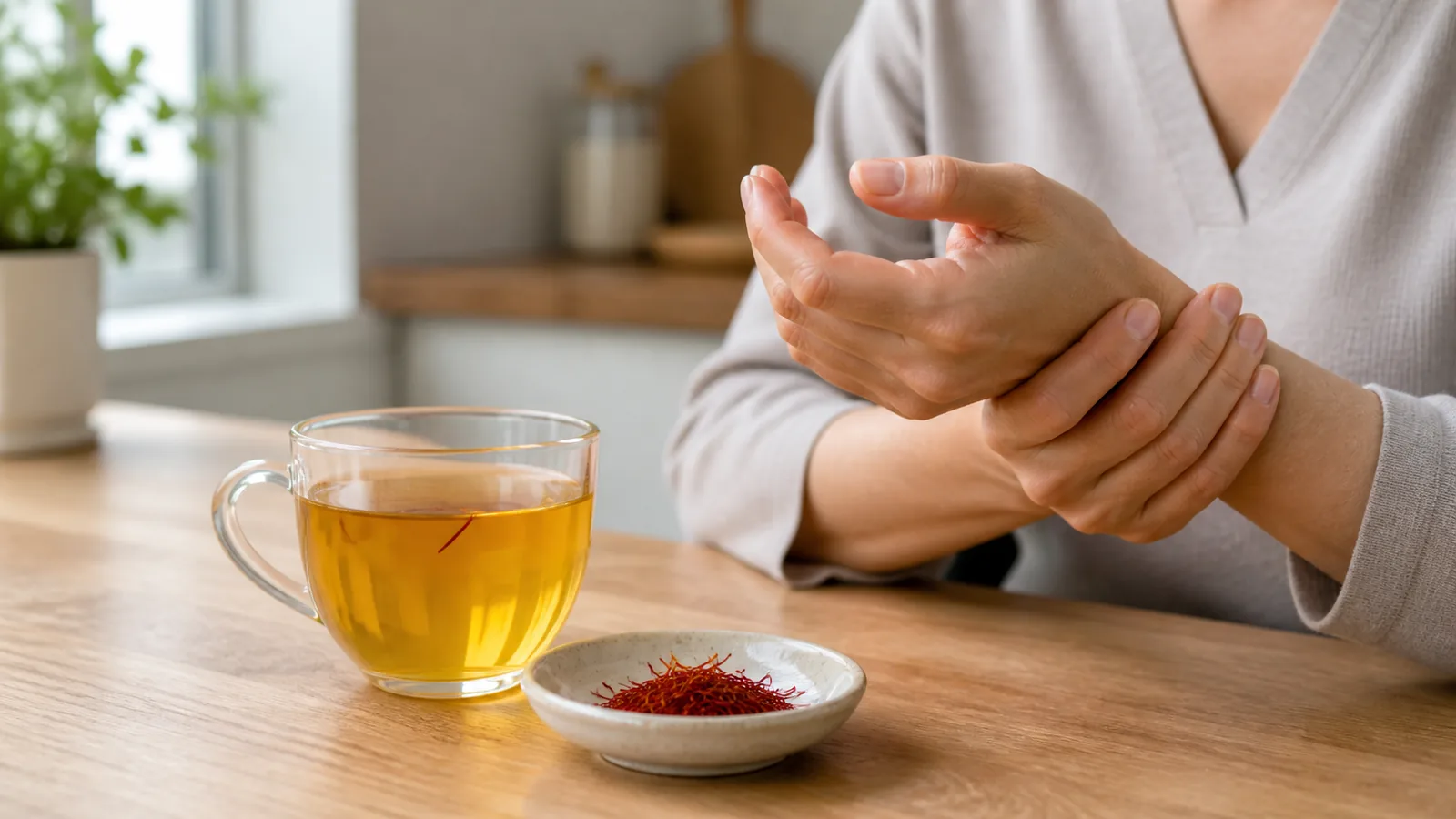
Calling saffron an anti-cancer plant goes further than current human evidence allows. Saffron contains compounds that researchers have tested in cells and animals, and some laboratory results are interesting. That does not show that eating saffron prevents cancer, that a supplement treats it, or that saffron can replace surgery, radiotherapy, chemotherapy, immunotherapy or other oncology care.
This article revisits a 2017 Iranian profile that combined a long list of health claims with news about saffron cultivation in Fars Province. The agricultural information is preserved as a dated report. The medical claims are separated into what has been studied, what remains traditional and what should not be presented as treatment advice.
What saffron is
Saffron is the dried stigma of Crocus sativus. The plant grows from an underground corm. A typical flower has six purple tepals and three red stigmas, which are collected and dried as the spice. The old description of “stems,” six petals and three strands of red wine was a translation of that basic anatomy.
The species has a long cultivation history across southwestern Asia and parts of southern Europe, including Spain. Its modern production range is wider than the three regions named in the 2017 article.
The report also confused plant count and weight when it said 100,000–200,000 grams of plants produced five kilograms of flowers and one kilogram of dried saffron. Common estimates place the number of flowers needed for a kilogram of dried spice around 150,000, but corm, flower, stigma and drying conditions make any fixed conversion approximate.
Why laboratory anti-cancer results are not a treatment
Crocin, crocetin and safranal are among the saffron constituents investigated in cancer models. A compound can slow a cultured cell line at a particular concentration or affect a tumour model in an animal without becoming a safe and effective treatment for people.
Cell experiments do not reproduce absorption, metabolism, tumour diversity, immune response, side effects or interactions in a patient. Animal results help researchers decide what to study next, but they do not establish a human dose or survival benefit.
A systematic map of saffron clinical evidence found human trials across several health areas, yet it did not establish saffron as a cancer therapy. The US National Cancer Institute explains that no special food, herb or supplement has been proved to slow cancer, cure it or prevent it from returning.
What someone with cancer should do
Culinary saffron in food and a concentrated extract are different exposures. Anyone receiving cancer treatment should tell the oncology team about supplements, teas and extracts. Products can interact with medicines, affect bleeding or blood pressure, add side effects, or vary from the ingredient and dose on the label.
A person should not delay diagnosis or prescribed care to try saffron. New pain, unexplained bleeding, a persistent lump, jaundice, urinary changes, breathing difficulty, visual changes or unexplained weight loss need appropriate assessment; a spice cannot determine the cause.
Other health claims in the old profile
The 2017 text said saffron reduced fat and cholesterol, relaxed the body, changed appetite, relieved spasms, prevented heart disease and cancer, strengthened memory and lowered blood pressure. Human studies have examined mood, cognition and some cardiometabolic markers, but effects differ by preparation, dose, population and study quality. None of those statements should be converted into a guaranteed outcome from ordinary food use.
It also described saffron as a treatment for asthma, skin and eye disease, urinary infection, jaundice, abdominal bloating, stomach pain and anaemia, and as a digestive aid and painkiller for gum pain. Some are traditional uses; others may have laboratory or early clinical research. The list does not prove that saffron treats any one condition, and several symptoms can indicate illness that needs diagnosis.
The profile claimed saffron prevented depression, Alzheimer’s disease and Parkinson’s disease while increasing concentration and sensory ability. Trials of standardised preparations have reported effects on depressive symptoms and explored cognition, but prevention of those disorders has not been established. Saffron should not replace mental-health, neurological or dementia care.
Side effects and uncontrolled use
The old page listed vomiting, a reduced heart rate, nosebleeds, bleeding from the eyelids or lips, dizziness, lethargy, jaundice and other dangerous effects after “uncontrolled” consumption. It did not give a reliable exposure, case source or diagnostic criteria.
A 2026 systematic review of saffron adverse events found that studied products were generally tolerated, with gastrointestinal symptoms most often reported, while noting potentially important events with higher or prolonged medicinal exposure. That evidence does not make a home threshold safe.
Seek urgent care for breathing difficulty, facial swelling, fainting, severe vomiting, unusual bleeding, a very slow heart rate, altered consciousness or jaundice. Pregnant people and anyone using anticoagulants, antiplatelet drugs, antidepressants or blood-pressure medicines should ask a clinician or pharmacist before using concentrated saffron products.
Food, textile and dairy uses
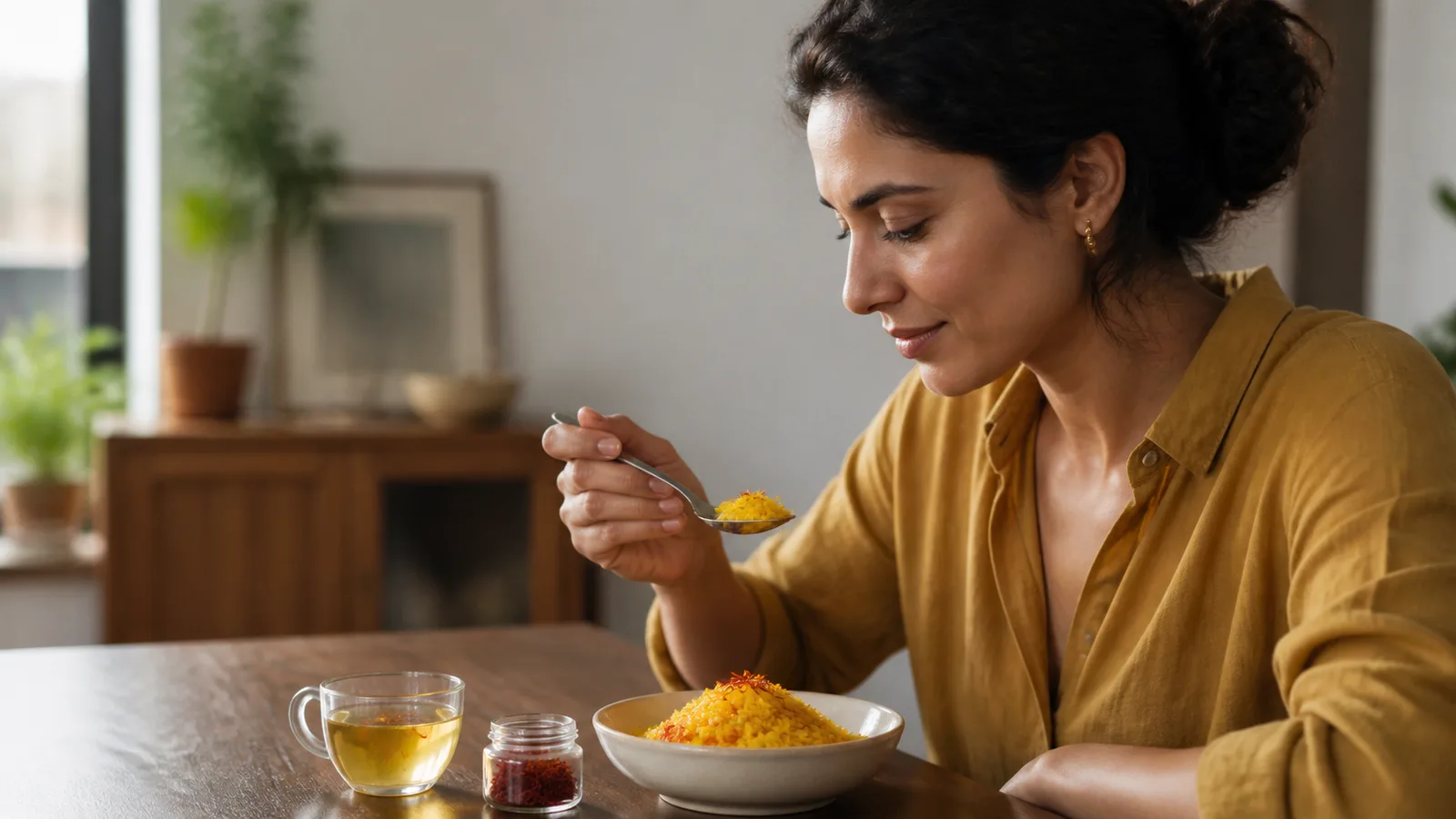
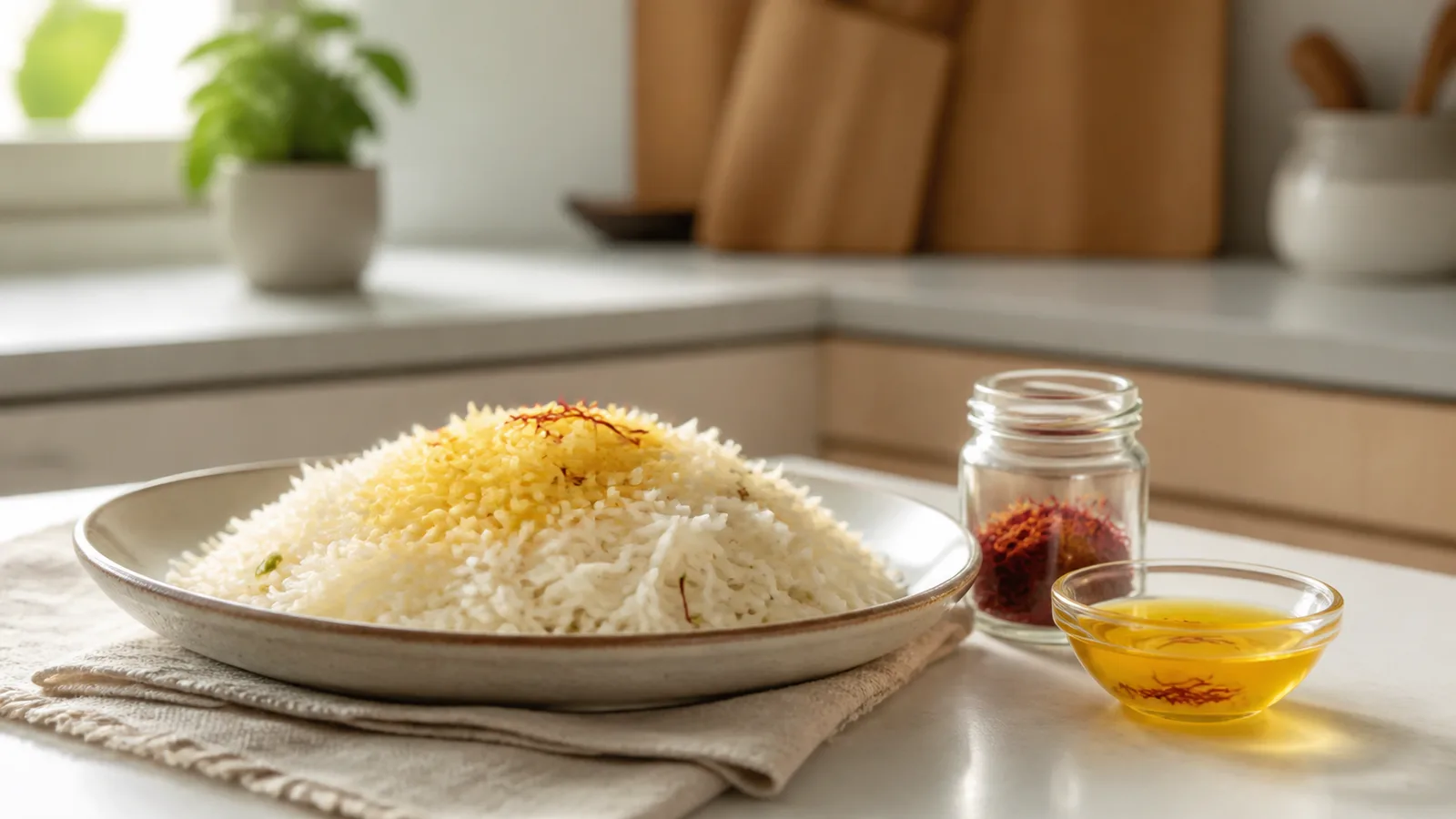
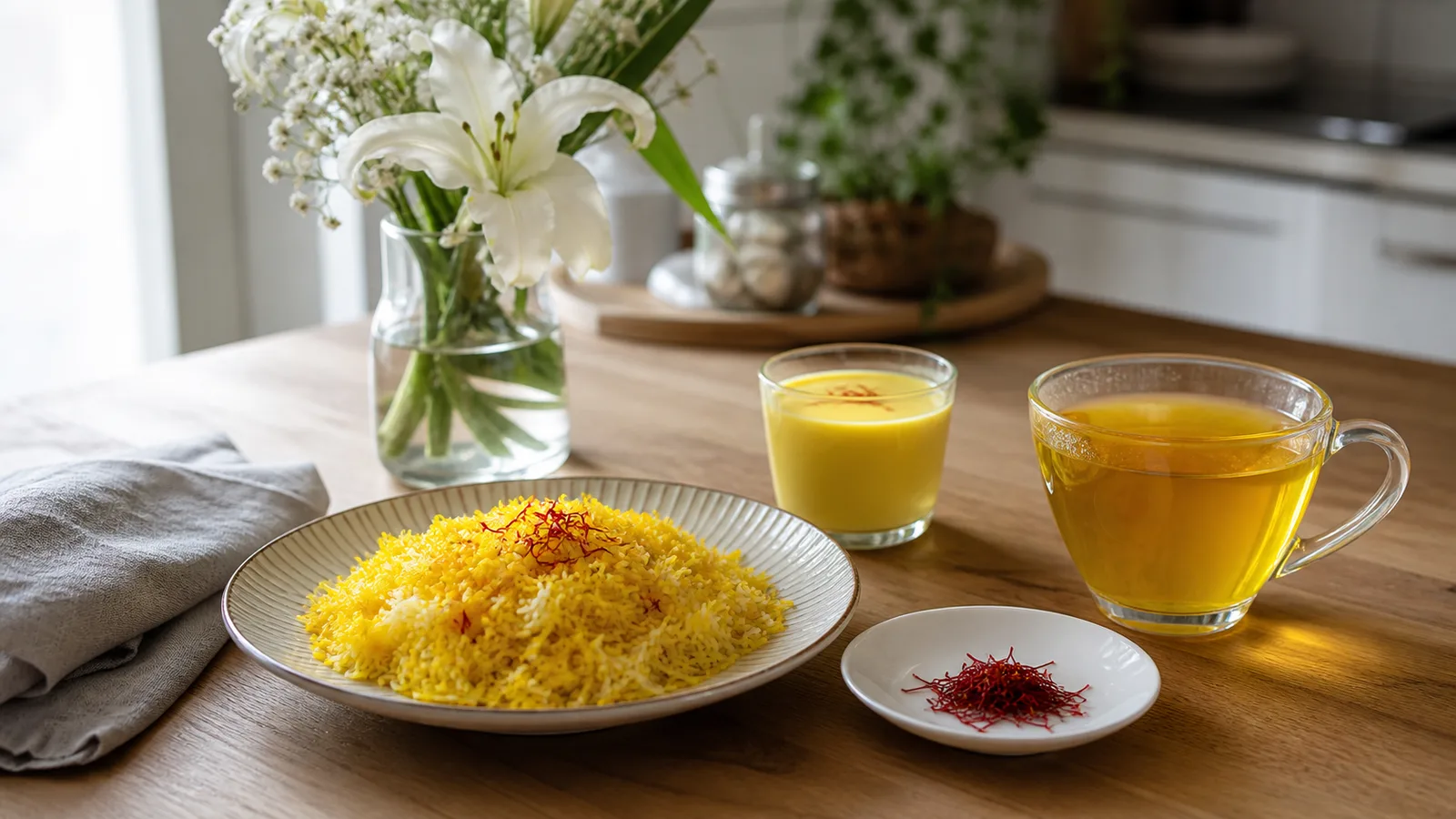
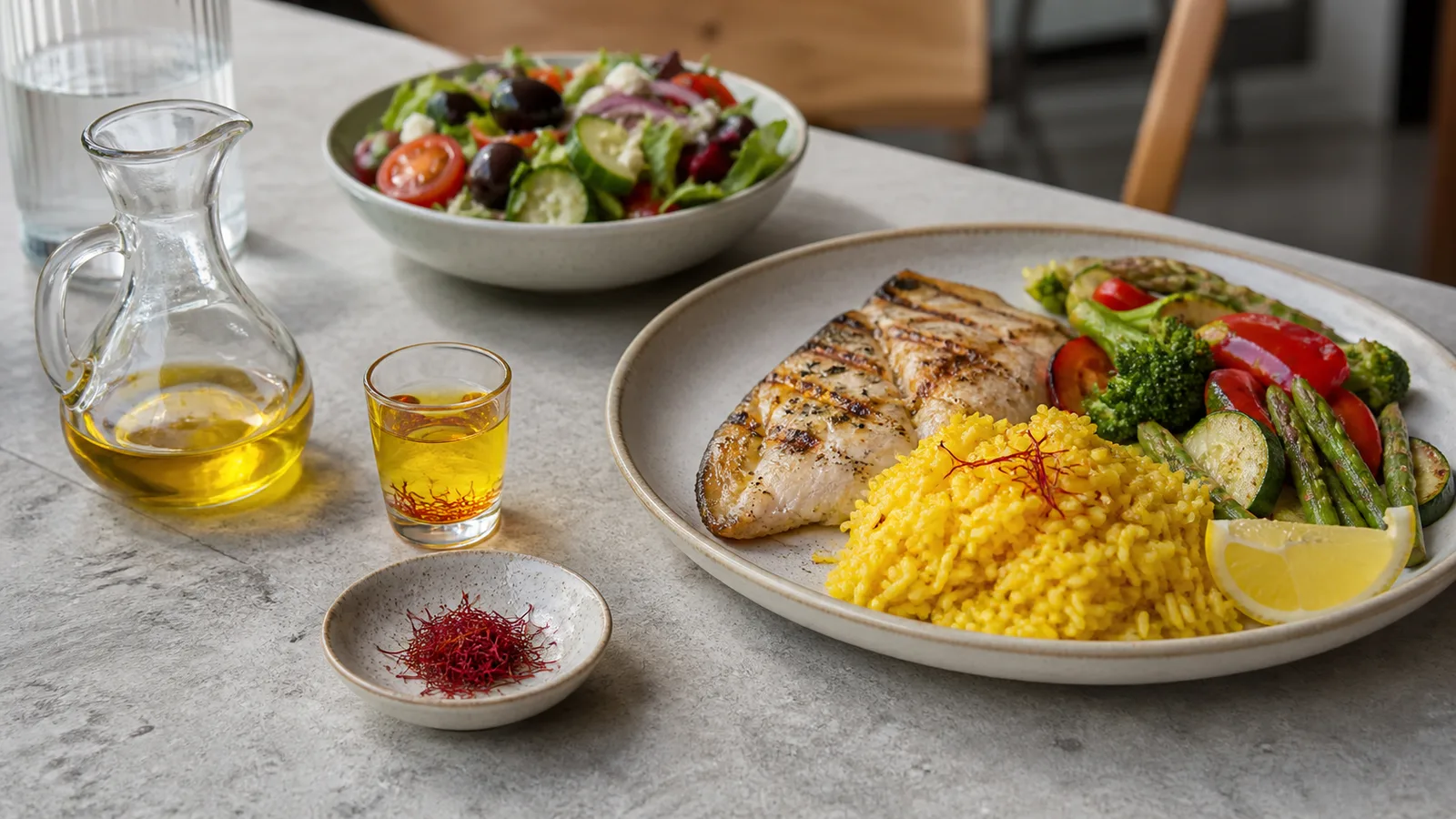
Saffron’s established value is sensory. Its pigments, bitterness and aroma are used in food, confectionery and dairy products. It also has a history as a textile colourant, although price and colourfastness affect that use. These applications do not depend on an anti-cancer claim.
Keep dried saffron in a tightly closed, food-safe glass or metal container away from light, heat and moisture. Use a dry utensil and return the container promptly to storage. Correct storage protects colour and volatile aroma; it does not preserve a medicinal effect indefinitely.
The 2017 Fars cultivation report
Heshmatollah Sadeghi, identified as a medicinal-plants specialist with the Fars Agricultural Jihad organisation, said 700 hectares of agricultural land in Fars would be allocated to saffron that year. The translated report then predicted harvest from 50 hectares and compared it with “last year’s 3,000 hectares.” Those quantities do not reconcile, so they should not be treated as a verified area trend.
The article named Estahban, Abadeh, Eghlid, Bavanat, Marvdasht, Firoozabad and parts of Fasa County as saffron-growing locations. It also said the crop was exported to Gulf countries, China, Japan, South Korea, Germany, France and Spain. These are statements from the historical IRIB News item, not a current destination list.
Fars can be part of a saffron production story without turning a commercial crop announcement into health evidence. Cultivation area, export destination and laboratory activity answer different questions.
The evidence-based conclusion
Saffron is a valuable spice and a legitimate subject of cancer research. “Anti-cancer plant,” however, can easily be read as a prevention or treatment promise. The responsible conclusion is narrower:
- saffron compounds have shown biological activity in preclinical cancer models;
- preclinical activity does not establish a human cancer treatment;
- ordinary culinary use is not equivalent to a studied extract;
- supplements should be discussed with the oncology team;
- no saffron product should replace proven cancer care.
That boundary protects patients and keeps the research interesting for the right reason: as a question to test, not a cure to sell.
Historical Fars source: IRIB News, as cited in the original 2017 post.