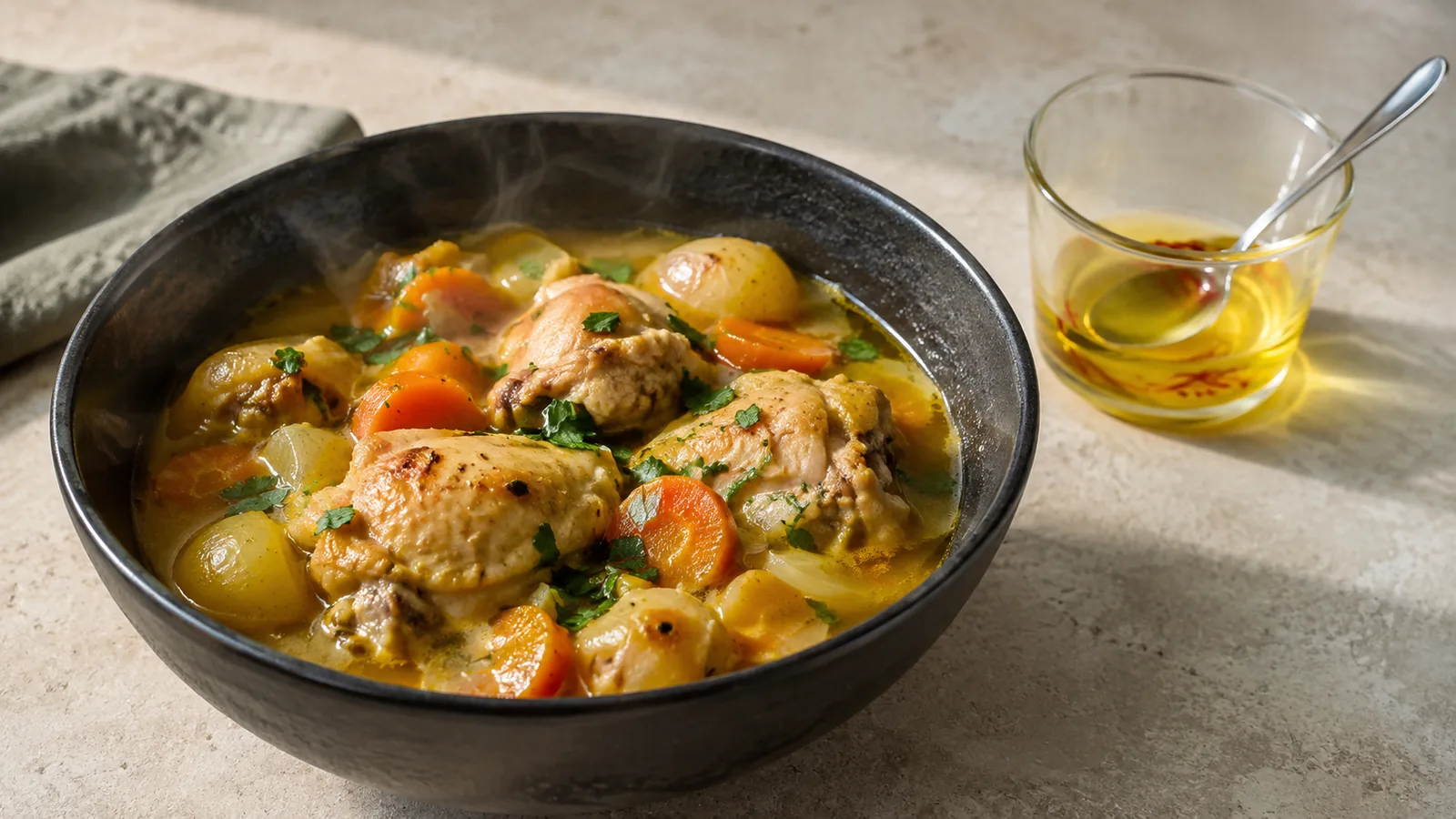
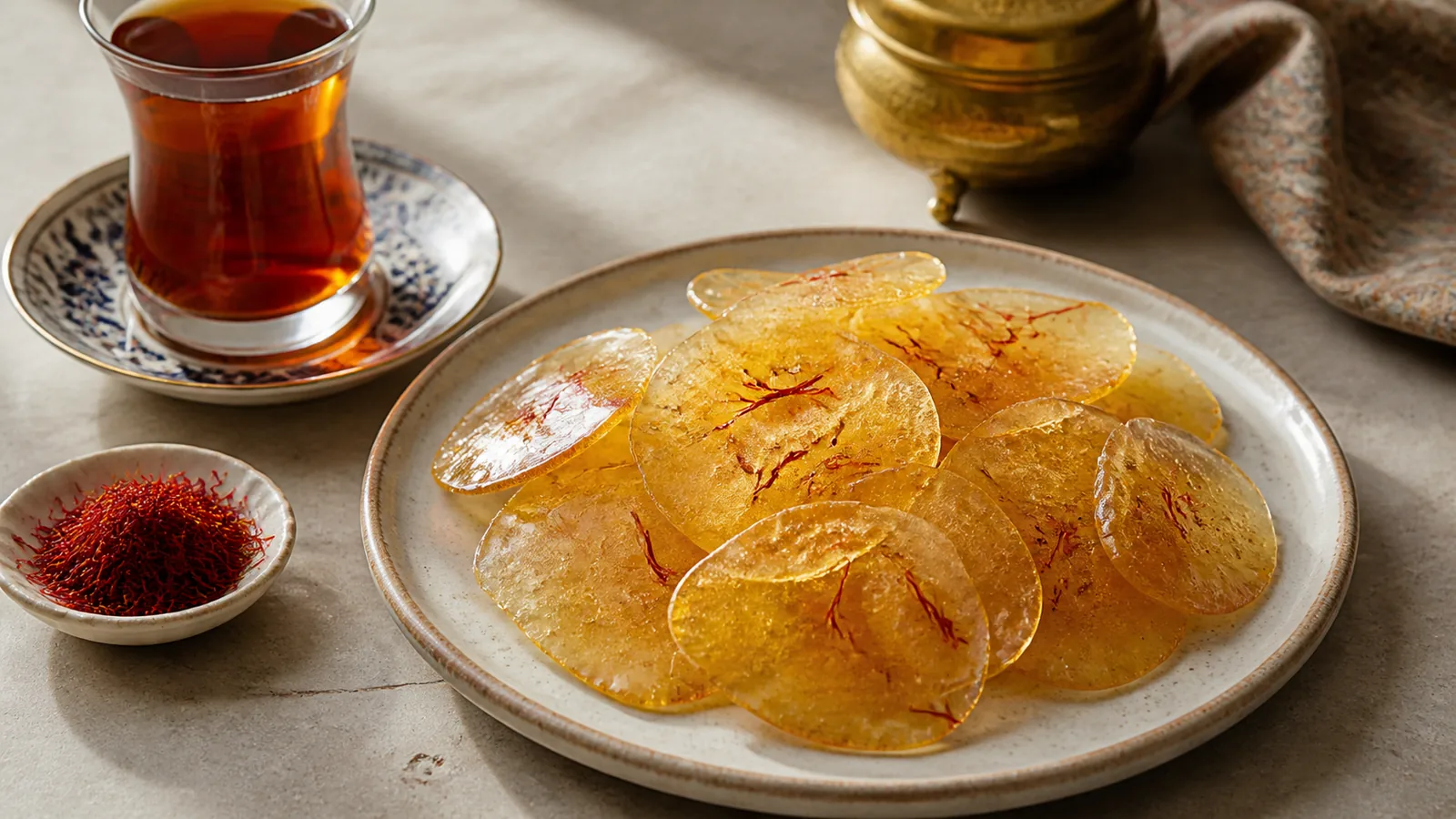
Poolaki is the thin, crisp sugar candy associated with Isfahan, often served beside tea instead of a sugar cube. These translucent saffron coins are made from a short ingredient list, but success depends on taking the syrup to the hard-crack stage without letting it burn.
Poolaki candy ingredients
- 1 cup granulated sugar
- ½ cup water
- ¼ cup mild, clear vinegar
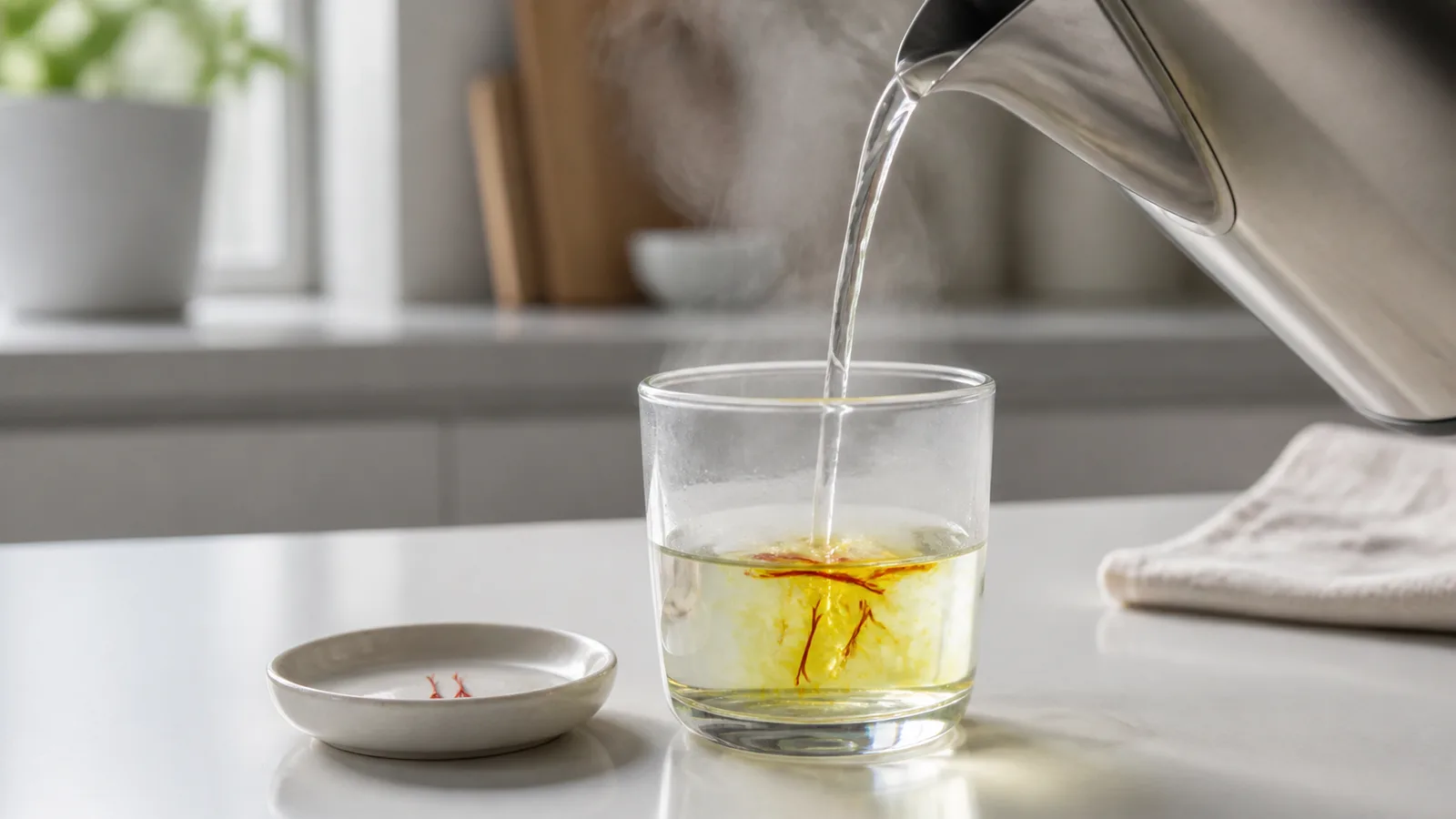
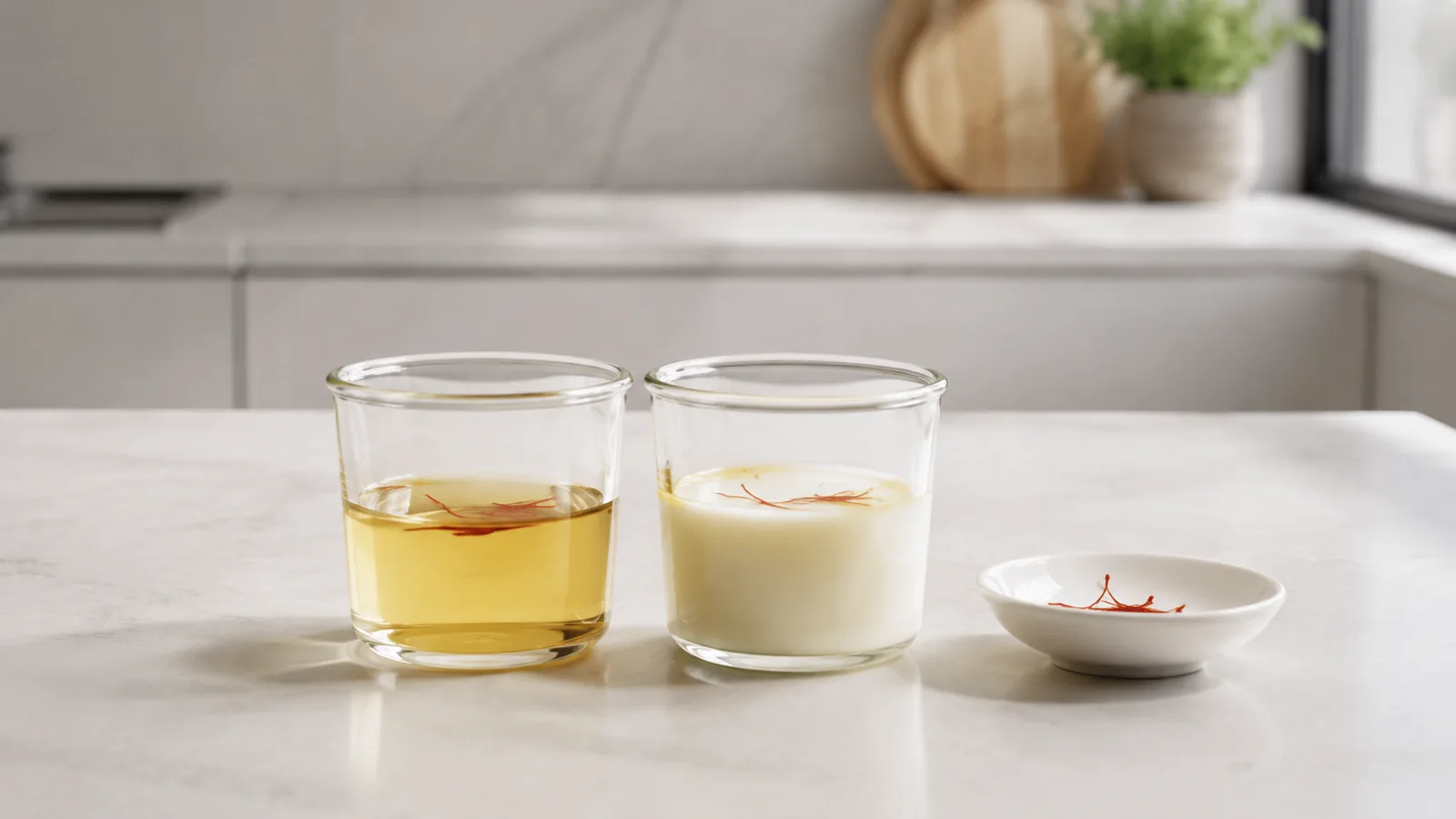
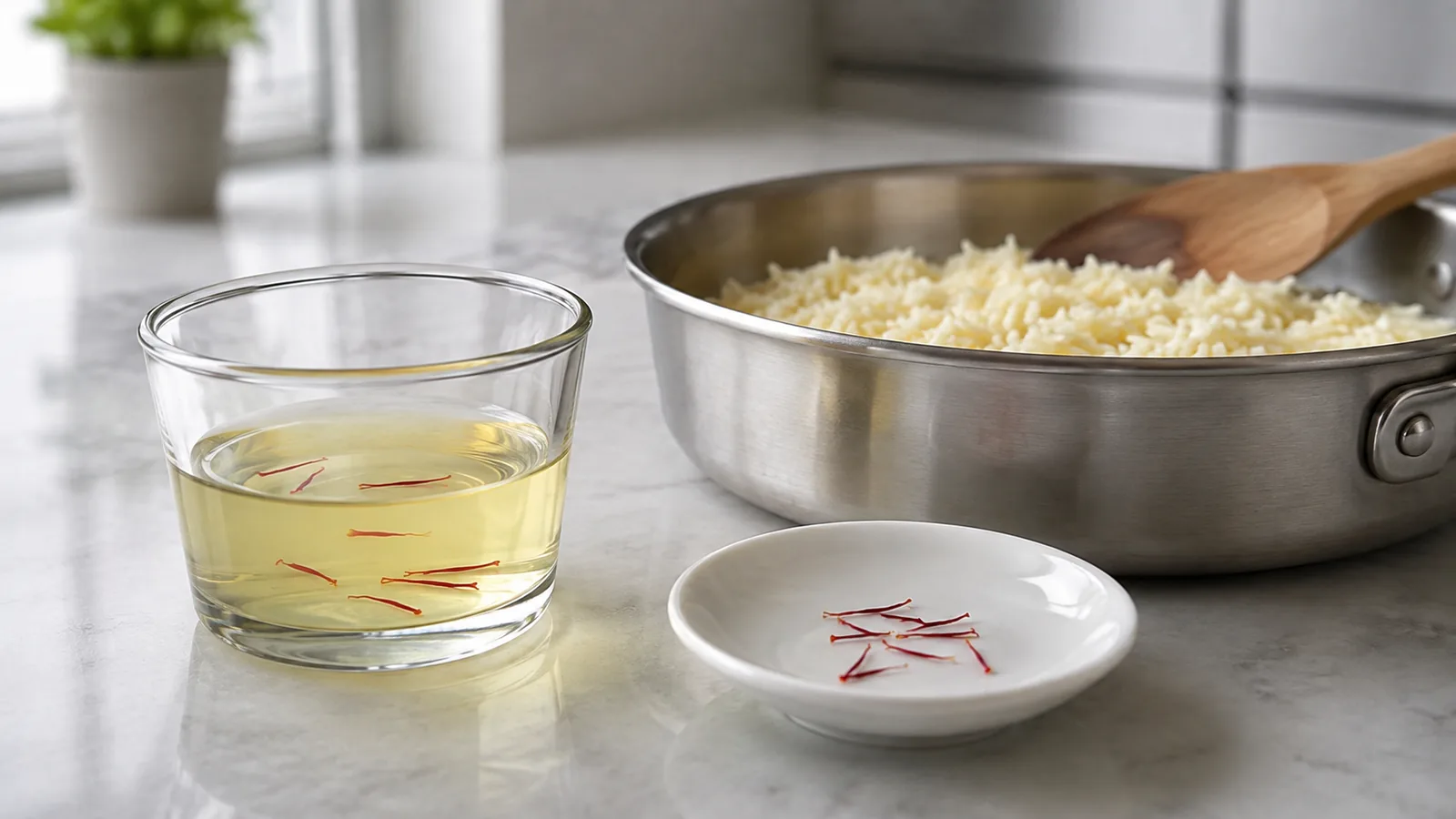
- 1 tablespoon brewed saffron
- Neutral oil, for the tray
Poolaki may also be written as poolak, poulaki or puulaki. Whatever the spelling, the finished sweet should be thin and brittle, with a clean snap rather than a soft or sticky bend.
Prepare the tray and work area
Lightly oil a metal tray or cover a heatproof tray with a silicone baking mat. Set it on a stable surface close to the stove. Have a dry teaspoon or small metal spoon ready before cooking begins; once the syrup reaches temperature, it sets quickly.
Hot sugar causes severe burns and sticks to skin. Keep children and pets out of the kitchen, wear sleeves and oven gloves, and never taste or touch the syrup while it is hot. Do not use a cold glass surface, which can crack under sudden heat.
Cook the saffron candy syrup
- Combine the sugar, water and vinegar in a small, heavy saucepan. Warm over low heat, stirring gently only until the sugar has dissolved.
- Bring the syrup to a steady boil. Stop stirring once it boils; agitation can encourage crystals around the pan.
- Continue cooking until the syrup reaches the hard-crack stage, about 149–154°C (300–310°F) on a candy thermometer.
- Add the brewed saffron near the end, carefully, because the water in it may make the syrup bubble. Swirl the pan rather than stirring vigorously.
- Remove the saucepan from the heat as soon as the syrup reaches the target and remains pale amber.
If you do not have a thermometer, drip a small amount from a spoon into a bowl of ice water. It should harden immediately into brittle threads that snap cleanly. A soft, bendable drop needs more cooking. This test is safer and clearer than pouring the syrup directly onto loose ice.
Shape the traditional thin coins
Working promptly, drop small teaspoons of syrup onto the prepared tray, leaving room between them. Each drop should spread into a thin round disc. The inherited recipe used a tablespoon; that produces much larger pieces, so use it only if you deliberately want broad discs.
Leave the candy untouched until completely cool. Slide a thin spatula underneath each piece. If the poolaki bends or clings after cooling, the syrup did not quite reach hard crack or the weather is very humid.
Scissor-cut poolaki variation
The same syrup can be made into irregular scissor candy. Pour it in a narrow strip on the greased tray and scatter it sparingly with barberries, cardamom seeds or a little dried Limoo Omani powder.
Let the strip cool only until it is firm enough to lift but still pliable, then cut it with sturdy, lightly oiled kitchen scissors. This stage is extremely hot; if you are not experienced with pulled or cut sugar, make the safer dropped discs instead. Never handle the strip with bare fingers.
Colour and texture cues
- Pale and sticky: the syrup came off the heat before hard crack.
- Dark and bitter: it cooked too long or the heat was too high.
- Grainy: sugar crystals formed on the side of the pan or the boiling syrup was stirred.
- Too thick: the drops were too large or the syrup cooled before shaping.
Saffron makes visual judging less obvious because it colours the syrup. For a first attempt, a thermometer is more dependable than omitting the saffron, which would remove the defining flavour of this recipe.
How to store poolaki
Once the pieces are completely cool, transfer them to an airtight container with parchment between layers. Keep them at room temperature in a dry cupboard. Refrigeration and humid air make hard candy absorb moisture and become sticky.
Serve one or two thin pieces with hot tea. Good saffron poolaki dissolves cleanly, snaps when bitten and keeps the light golden colour that distinguishes careful sugar work from caramel that has gone too far.