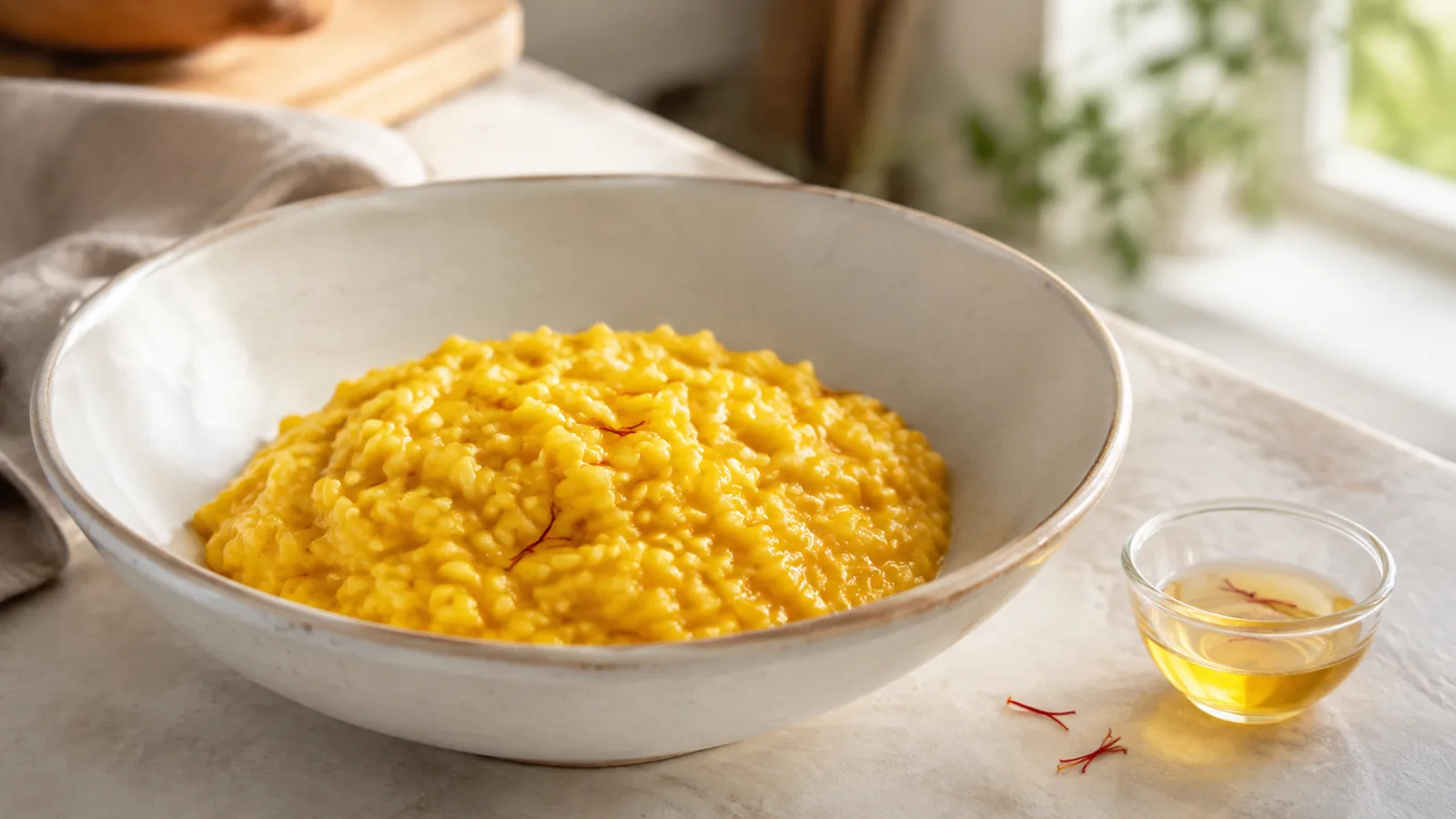
This recipe for cooking loghmeh kebab with Iranian saffron makes tender, pan-cooked skewers with grated onion, fresh herbs and a gentle saffron aroma.
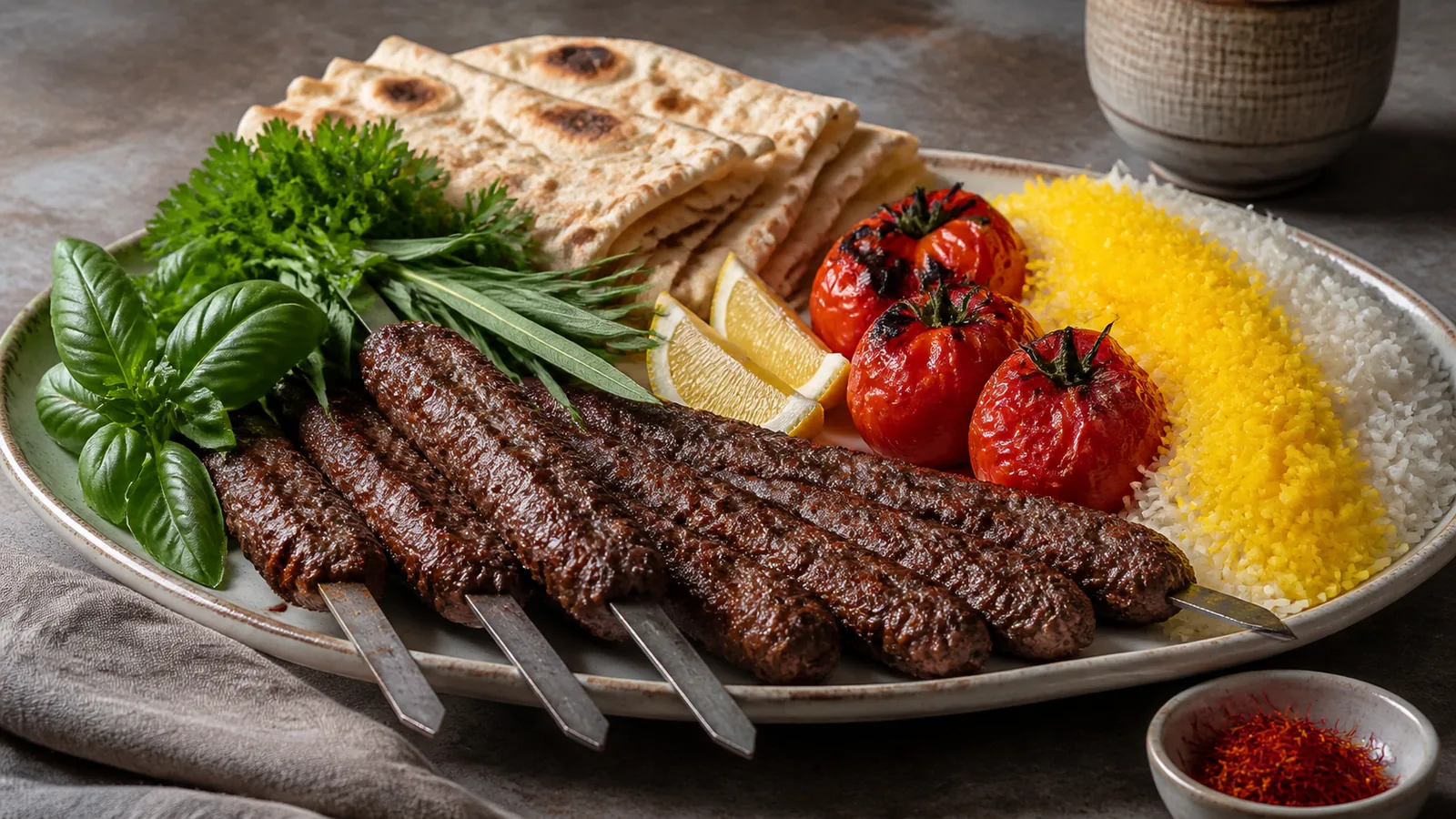
Loghmeh means a bite or morsel, which suits the compact shape of these kebabs. You may also see the name written as logmeh kebab, kebab loghmeh or kabab loghmeh. The spellings vary, but the useful technique remains the same: remove the onion juice, knead the minced meat until cohesive and cook the shaped kebabs without drying them out.
Ingredients for loghmeh kebab
- 500 g minced meat
- 1 medium onion
- 1 tablespoon finely chopped aromatic herbs, using basil, tarragon and parsley
- 1 tablespoon fine breadcrumbs or lightly toasted flour
- 1 tablespoon concentrated brewed saffron, cooled
- Salt and black pepper, to taste
- A little oil for the pan and for brushing, if needed
- Bread or rice and grilled tomatoes, for serving
The older version of this recipe names “fried flour” in the ingredients and breadcrumbs in the method. Either can absorb a small amount of moisture, but fine breadcrumbs are usually easier to mix evenly. If you use flour, toast it lightly in a dry pan and let it cool before adding it.
Prepare the saffron and onion
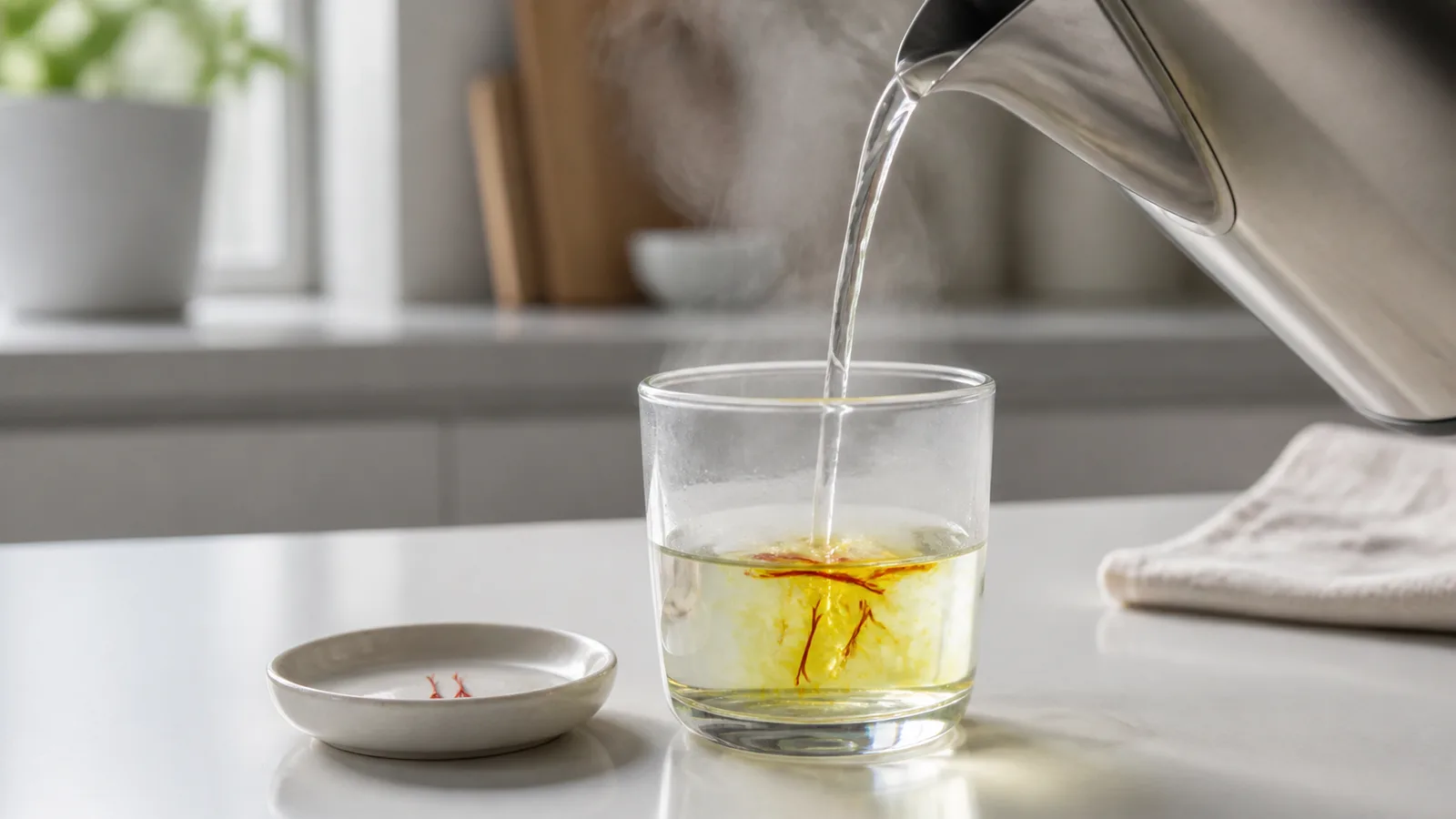
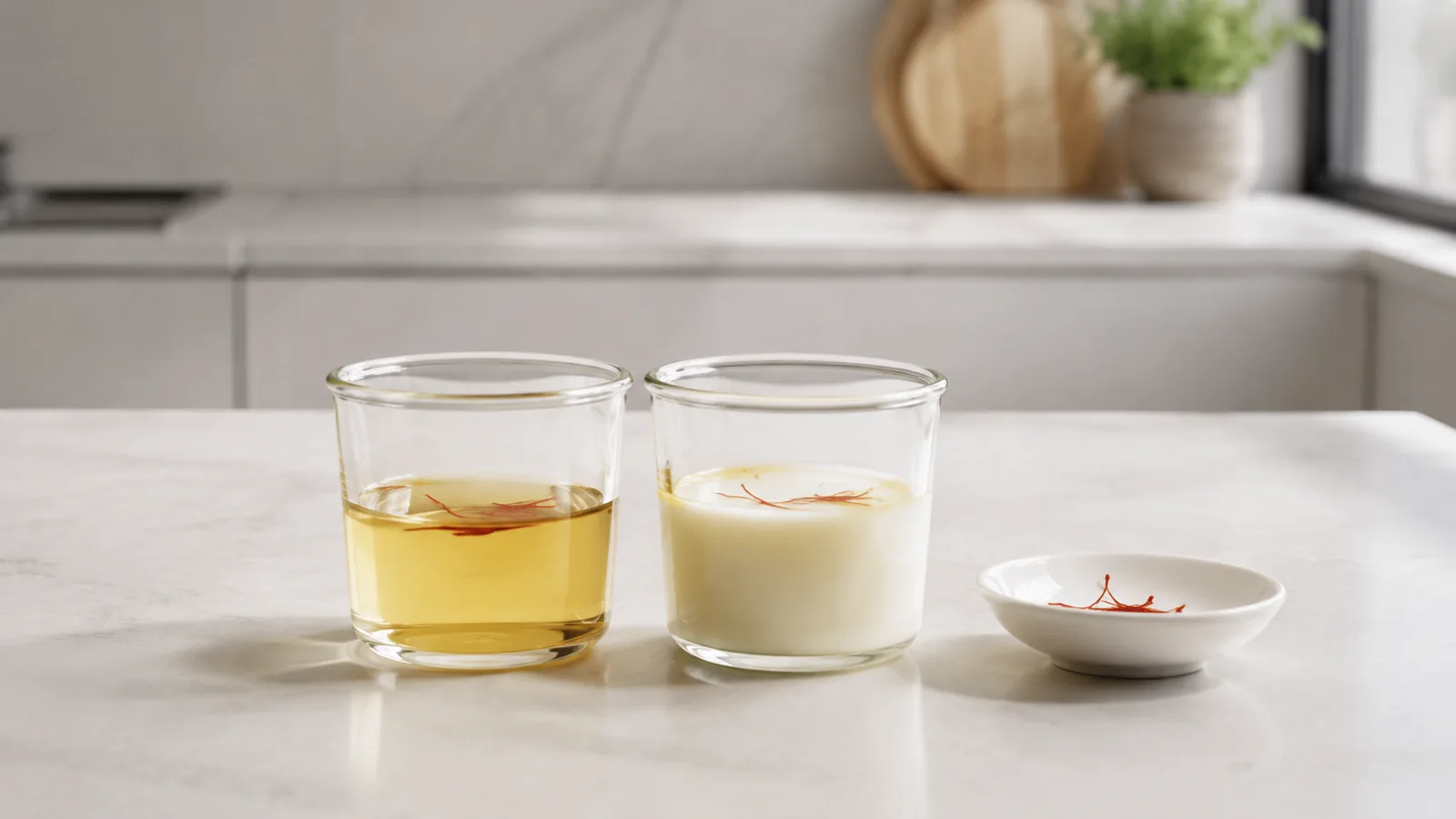
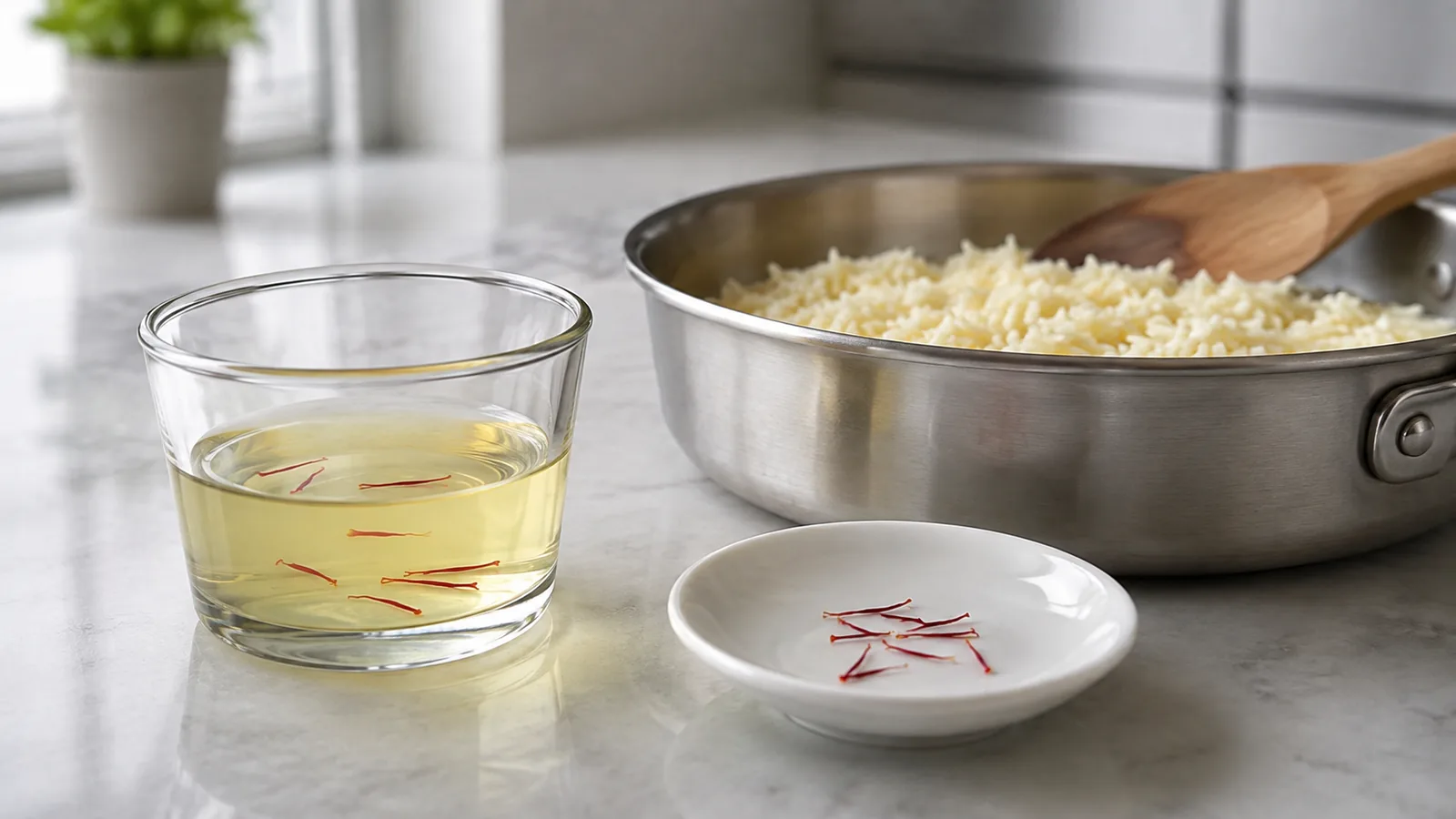
Grind the saffron threads finely, then bloom them in a small amount of hot water. Leave the infusion to cool before it is added to the meat. Keep it concentrated: a watery infusion can loosen the kebab mixture.
Finely grate the onion. Transfer it to a strainer or clean cloth and press out as much juice as possible. Keep the drained pulp and discard or reserve the liquid for another dish. This step matters because excess onion water makes the mixture difficult to shape and encourages it to fall away from the skewer.
Mix the loghmeh kebab
- Place the minced meat, drained onion, salt and pepper in a large bowl.
- Knead the mixture by hand for about 10 minutes, until it feels sticky and holds together.
- Add the chopped basil, tarragon and parsley. Mix just until the herbs are distributed.
- Add the cooled saffron infusion and the breadcrumbs or toasted flour. Fold them in without overworking the mixture.
- Cover the bowl and chill it for 10 minutes so the mixture firms slightly before shaping.
The mixture should feel cohesive rather than wet. If it still seems loose, check that the onion was thoroughly drained before adding more binder. Too much breadcrumb or flour can make the cooked kebab dense.
Shape the kebabs on wooden skewers
Soak wooden skewers in lukewarm water before shaping the kebabs. The original method specifies 10 minutes; a longer soak is useful if the skewers will be exposed to a grill flame.
Divide the cold meat mixture into even portions. With lightly dampened hands, shape one portion into a short cylinder around each skewer. Press it firmly enough to remove air pockets while keeping an even thickness from end to end. A compact, bite-sized shape is characteristic of loghmeh kebab and helps the meat cook evenly.
Cook loghmeh kebab in a pan
- Add a thin film of oil to a wide frying pan and warm it over medium heat.
- Lay in the skewers without crowding the pan.
- Cook gently, turning the kebabs as each side browns. Avoid very high heat, which can darken the outside before the centre is cooked.
- Brush with a little oil or melted butter only if the surface looks dry.
- Remove the kebabs when they are browned on all sides and safely cooked through.
Colour and cooking time alone are not reliable safety checks. For minced beef, pork, veal or lamb, the USDA safe minimum temperature chart gives 160°F (71°C). If you make the recipe with ground chicken or turkey, cook it to 165°F (74°C). Measure in the thickest part without touching the skewer.
Oven and charcoal-grill options
For the oven, arrange the skewers over a lined tray or on a rack set above it, leaving space between them. Turn them during cooking so they colour evenly, and use the same internal-temperature check rather than relying on a fixed time.
On a charcoal grill, wait until the coals are glowing and the fierce flames have subsided. Keep the skewers close enough to brown but far enough away to avoid scorching. Turn them often. A light brushing of oil or melted butter can protect the surface, but repeated heavy basting may cause flare-ups.
How to keep the kebabs on the skewer
- Drain the onion thoroughly. This is the most important control for excess moisture.
- Knead before adding the herbs. The meat and onion need time to become cohesive.
- Keep the saffron concentrated. It should add aroma and colour, not extra water.
- Chill before shaping. Ten minutes helps the mixture become easier to handle.
- Make each kebab an even thickness. Thin and thick patches cook at different rates and can split.
Serving the saffron kebabs
Serve the loghmeh kebabs straight from the pan or grill with warm bread or saffron rice and grilled tomatoes. Fresh herbs, sliced onion and a squeeze of lemon also suit the rich meat without covering the saffron.
Good loghmeh kebab should be browned outside, moist in the centre and firm enough to stay on its skewer. Careful onion draining and moderate heat do more for that texture than adding extra binder.