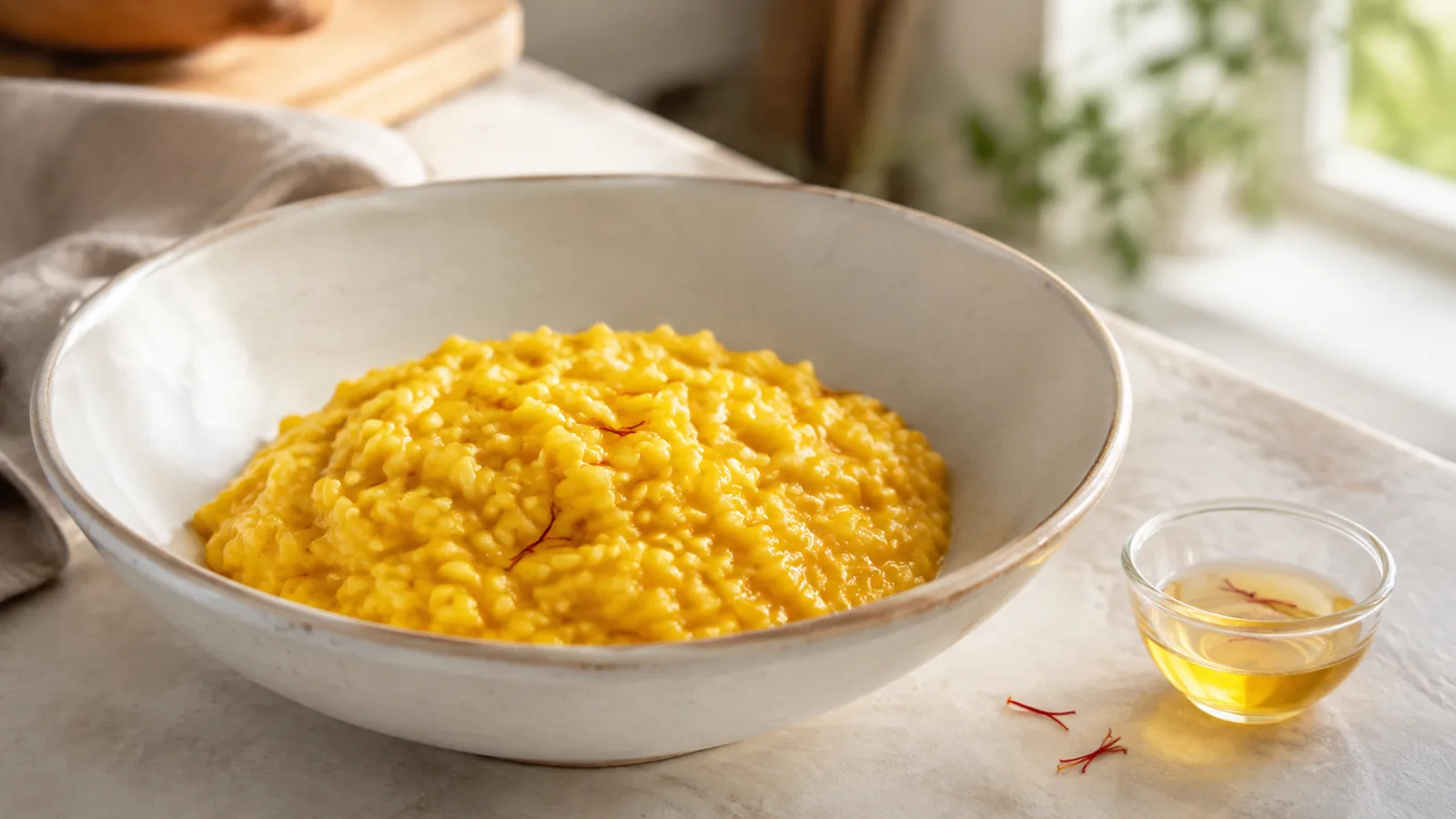
Dark halva gets its deep brown colour from patiently toasted flour, then takes on the aroma of saffron, rosewater and cardamom. It is soft enough to shape while warm and firm enough to hold a spoon pattern once it cools.
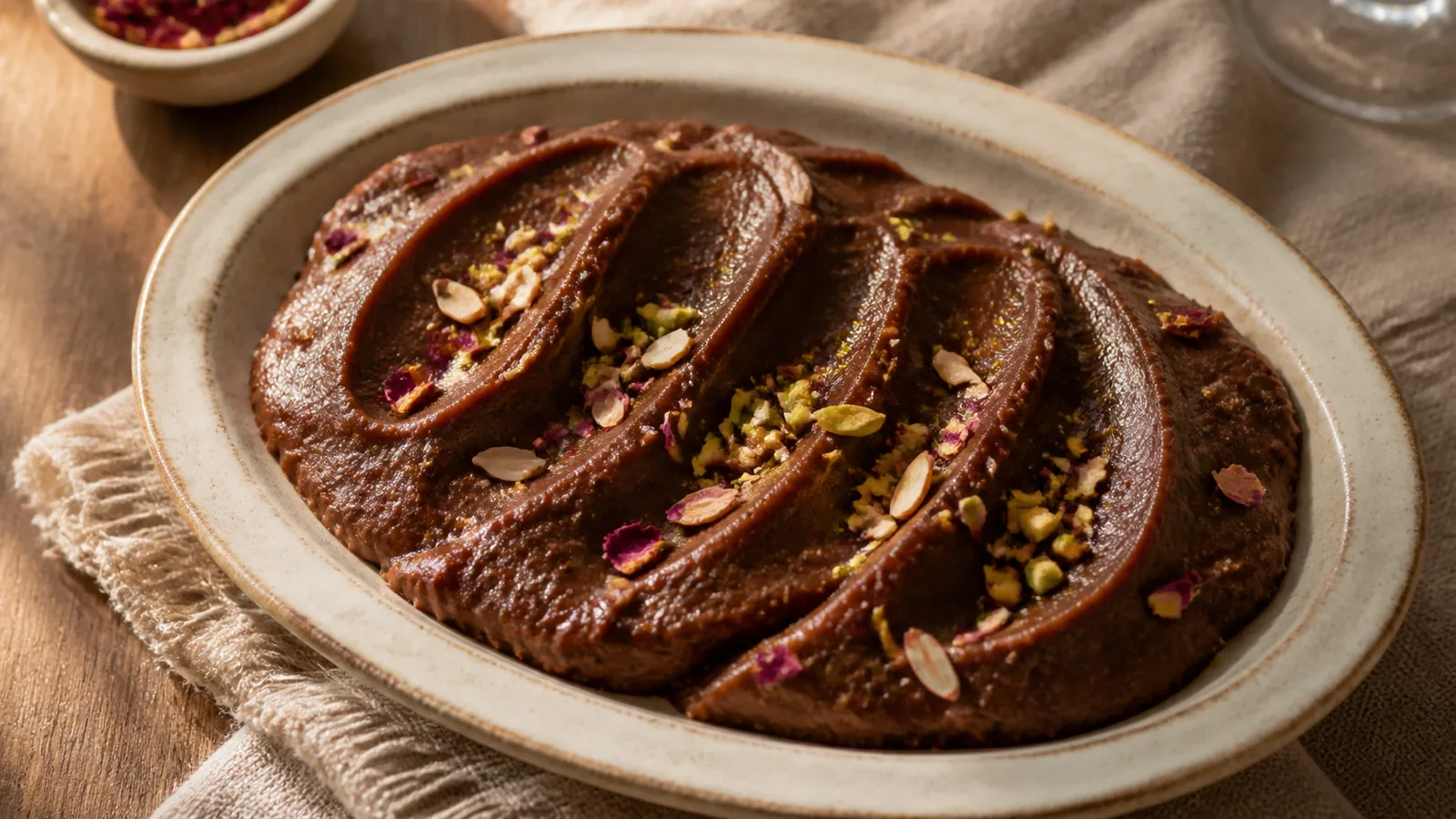
This saffron halwa is often prepared as Nazri for religious gatherings, but the same recipe works for a family dessert or a layered wafer sweet. The flour stage determines the result, so judge it by colour and aroma rather than rushing toward a fixed time.
Ingredients for dark halva
- 2 cups plain white flour or fine bread flour
- 1 cup sugar
- 1½ cups water
- ⅓ cup rosewater
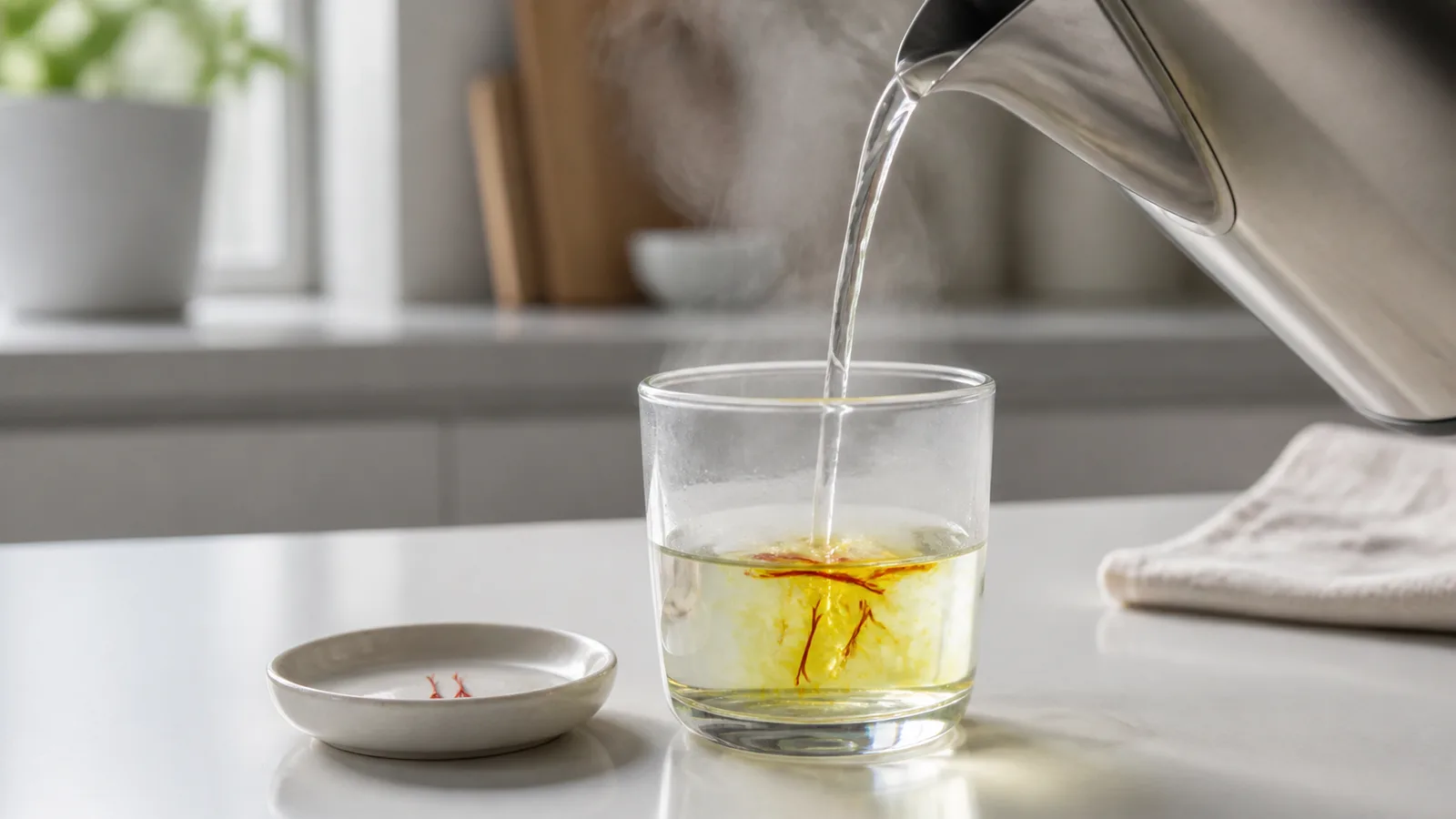
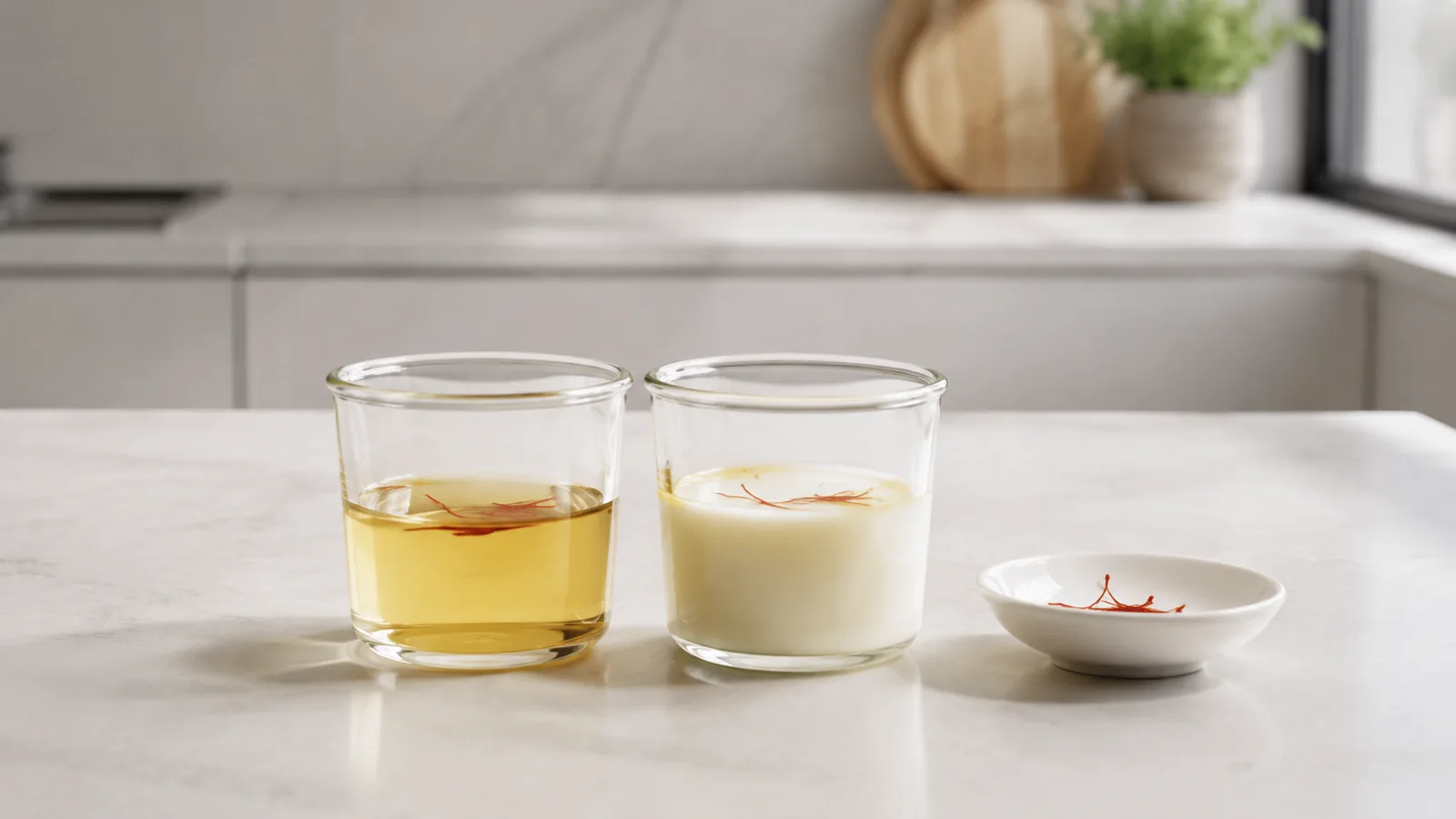
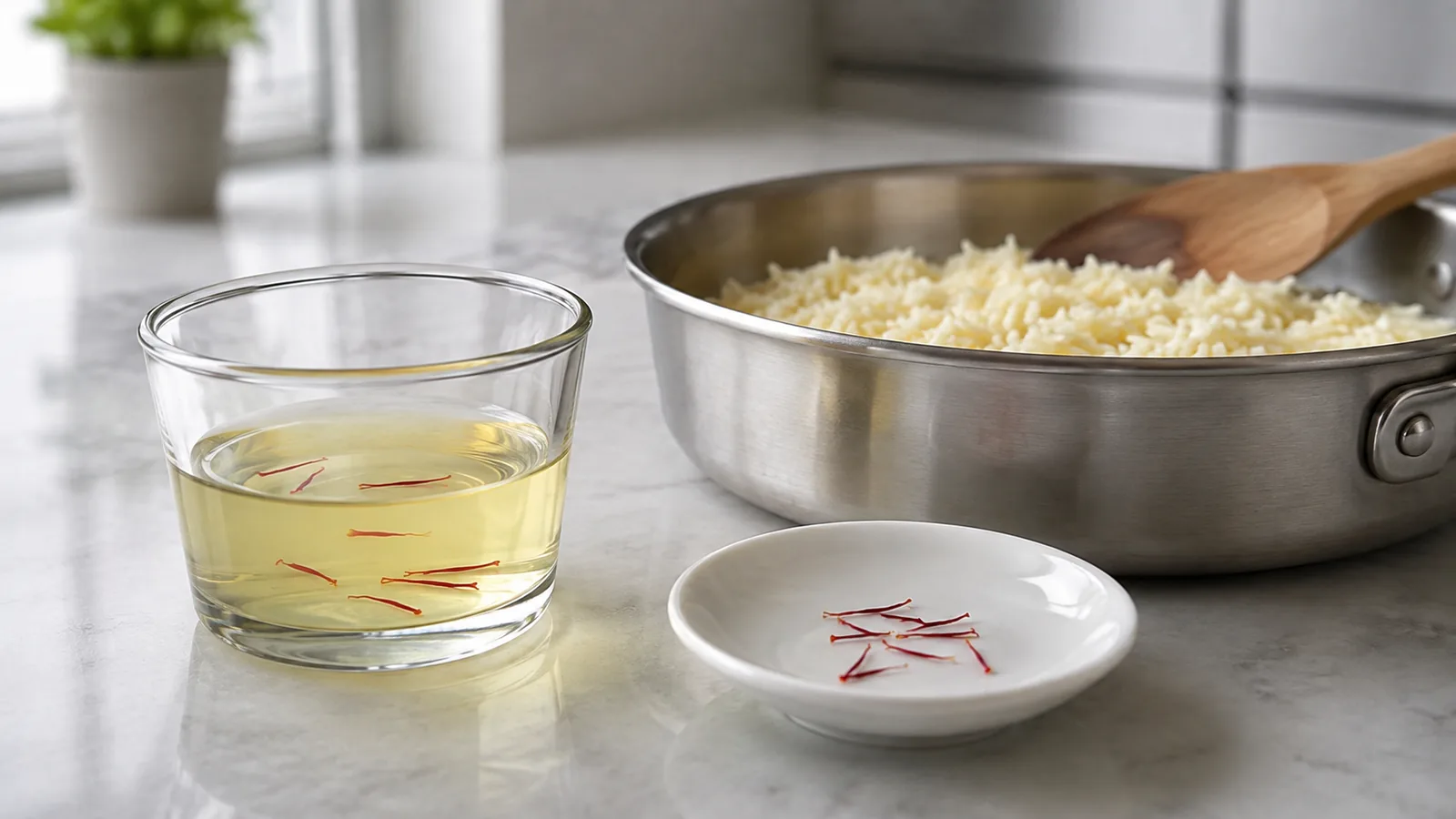
- 5 tablespoons brewed saffron
- ¼ teaspoon ground cardamom
- 1 cup neutral liquid oil
- 50 g butter
Sangak-style bread flour can make a darker, more rustic halva because it usually contains more of the wheat grain. Plain white flour gives a smoother texture and lets you control the colour through roasting.
Make the saffron syrup
Combine the sugar and water in a saucepan. Warm over medium-low heat, stirring only until the sugar dissolves. Let it simmer gently for 2 to 3 minutes, then add the brewed saffron and cardamom.
Remove the syrup from the heat and stir in the rosewater. Keep it warm, not vigorously boiling. Long boiling can concentrate the syrup too far and flatten the delicate rose and saffron aromas.
Sift and toast the flour
Sift the flour once or twice into a wide, heavy saucepan. Put the dry pan over low to medium-low heat and stir constantly, scraping the base and corners.
The flour moves through several stages: raw white, pale cream, light biscuit and finally warm brown. For true dark halva, continue until it smells deeply toasted and is a shade lighter than the finished colour you want. It will darken again after the oil and syrup are added.
This may take 25 to 40 minutes depending on the pan and heat. If black specks appear or the flour smells burnt, the heat is too high; burnt flour cannot be rescued with extra saffron or sugar.
Add the oil and butter
Warm the oil separately until fluid but not smoking. Lower the heat under the flour and add the oil gradually, stirring after each addition. The mixture should become smooth and glossy rather than swimming in fat.
Add the butter and keep stirring for 3 to 5 minutes. The flour will deepen in colour and the mixture should move as one thick paste. If tiny lumps remain, press them against the side of the pan or pass the warm flour-and-oil mixture through a strong wide-mesh sieve.
Combine the halva safely
Take the flour pan off direct heat and let the most intense sizzling settle. Add the warm saffron syrup in several small portions, standing back from the pan and stirring with a long-handled spoon. The mixture will bubble and tighten quickly.
Return the pan to low heat only after the liquid is incorporated. Stir continuously until the halva pulls away from the sides and gathers into a soft mass. A light sheen of oil may appear, but a pool around the edges means the mixture has been cooked too far or contains more fat than the flour can hold.
Know when the dark halva is ready
Lift and tilt the pan gently from side to side. Properly cooked halva rolls as one cohesive mass and leaves most of the base clean. It should look supple, not crumbly.
Stop while it is still easy to spread. Halva continues to firm as it cools, and overcooking at this point can make the final dessert oily and brittle.
Shape and garnish
Spoon the hot halva onto a serving plate and smooth it with the back of an oiled spoon. Make shallow waves or channels while the surface is warm, then garnish sparingly with chopped pistachios, almonds, desiccated coconut or a few dried rose petals.
For individual portions, pipe the warm halva with a sturdy piping bag fitted with a large tip. Do not use a thin disposable bag; the mixture is dense and can split it.
Make wafer-layer dark halva
Dark halva can also be layered between plain Mikado or ice-cream wafer sheets. Spread a thin, even layer of warm halva over one sheet, cover with a second sheet and press gently without crushing it.
Let the slab cool completely under a light flat board, then cut it with a sharp serrated knife. If the filling is too hot or thick, the wafer softens unevenly; if it is cold, it will not adhere.
Optional cocoa variation
For a darker cocoa version, sift one tablespoon of unsweetened cocoa powder and stir it into the flour during the final minute of dry roasting. Cocoa is not necessary for traditional dark colour and will add a mild chocolate note, even if saffron and cardamom remain noticeable.
Troubleshooting dark halva
- Pale colour: the flour needed longer dry roasting; do not try to darken finished halva over high heat.
- Bitter taste: the flour scorched or the cocoa was overcooked.
- Flour lumps: sift before roasting and add oil gradually; strain the warm paste if needed.
- Loose and oily: keep stirring briefly over low heat, then stop as soon as it gathers.
- Dry and crumbly: work in a spoonful of warm water or syrup while the pan is over very low heat.
Good dark halva is not simply black or heavily sweet. It has the rounded flavour of toasted wheat, a clean saffron-rose aroma and a smooth texture that holds its shape without leaving a greasy coating on the plate.