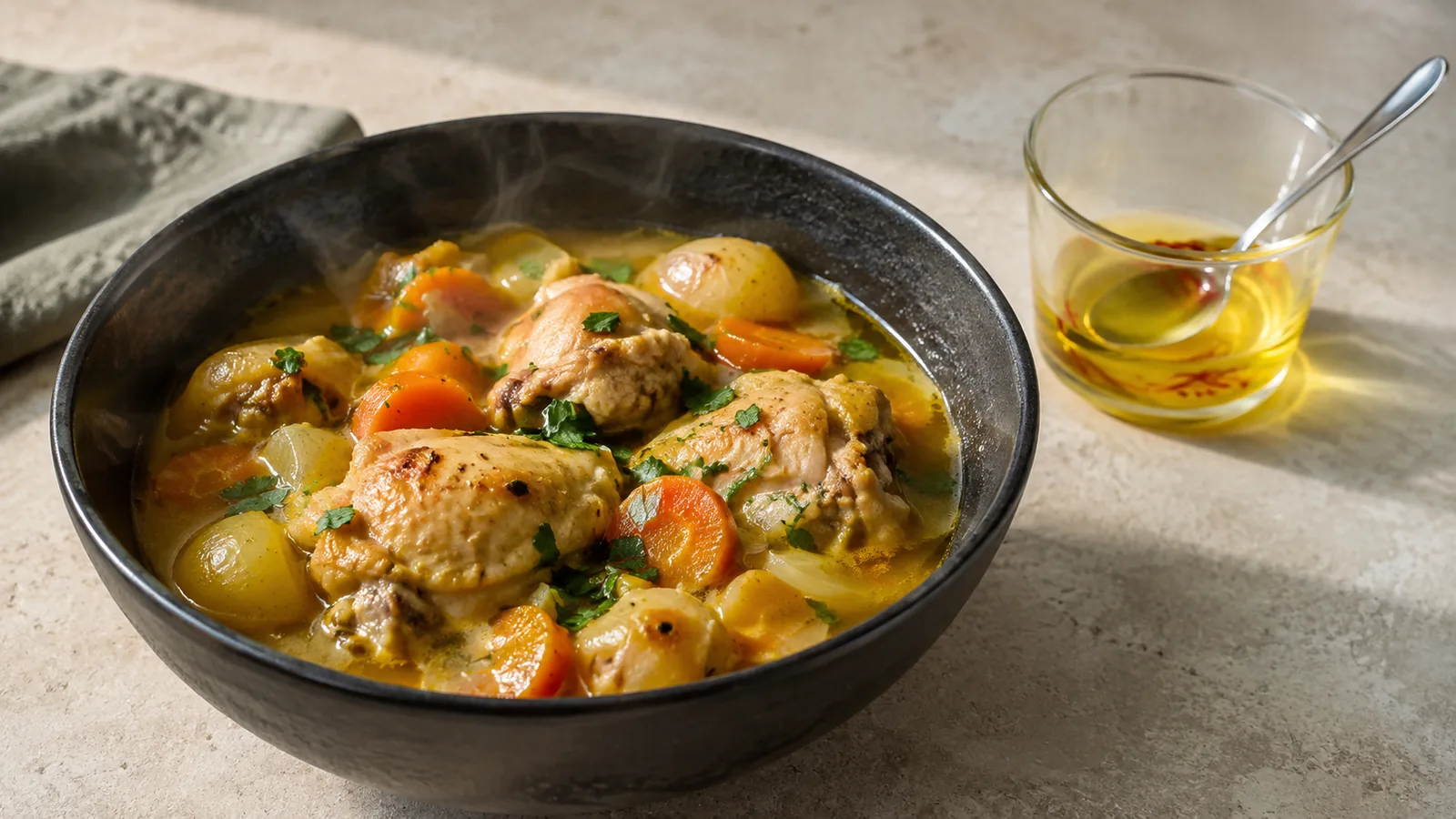
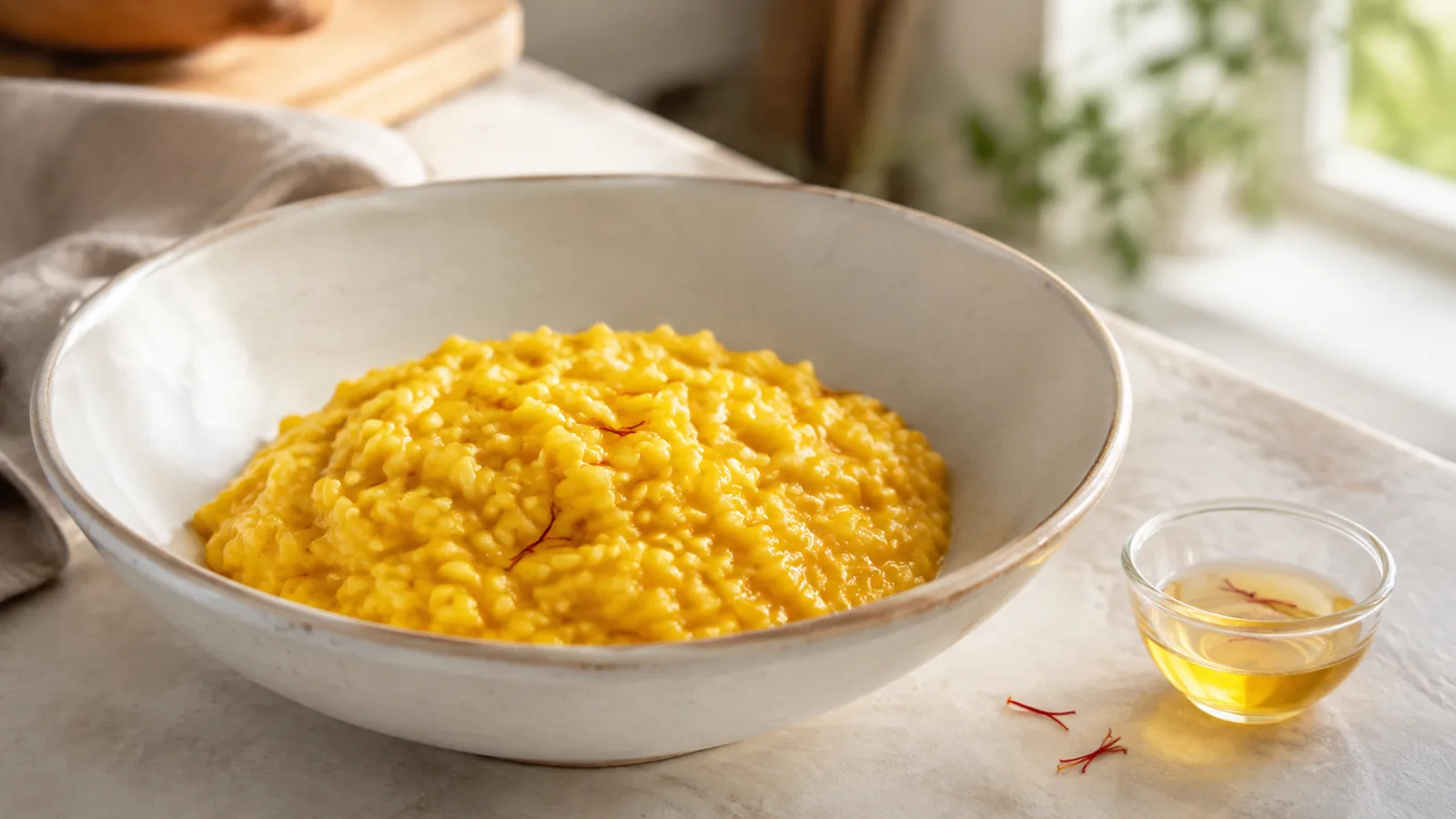
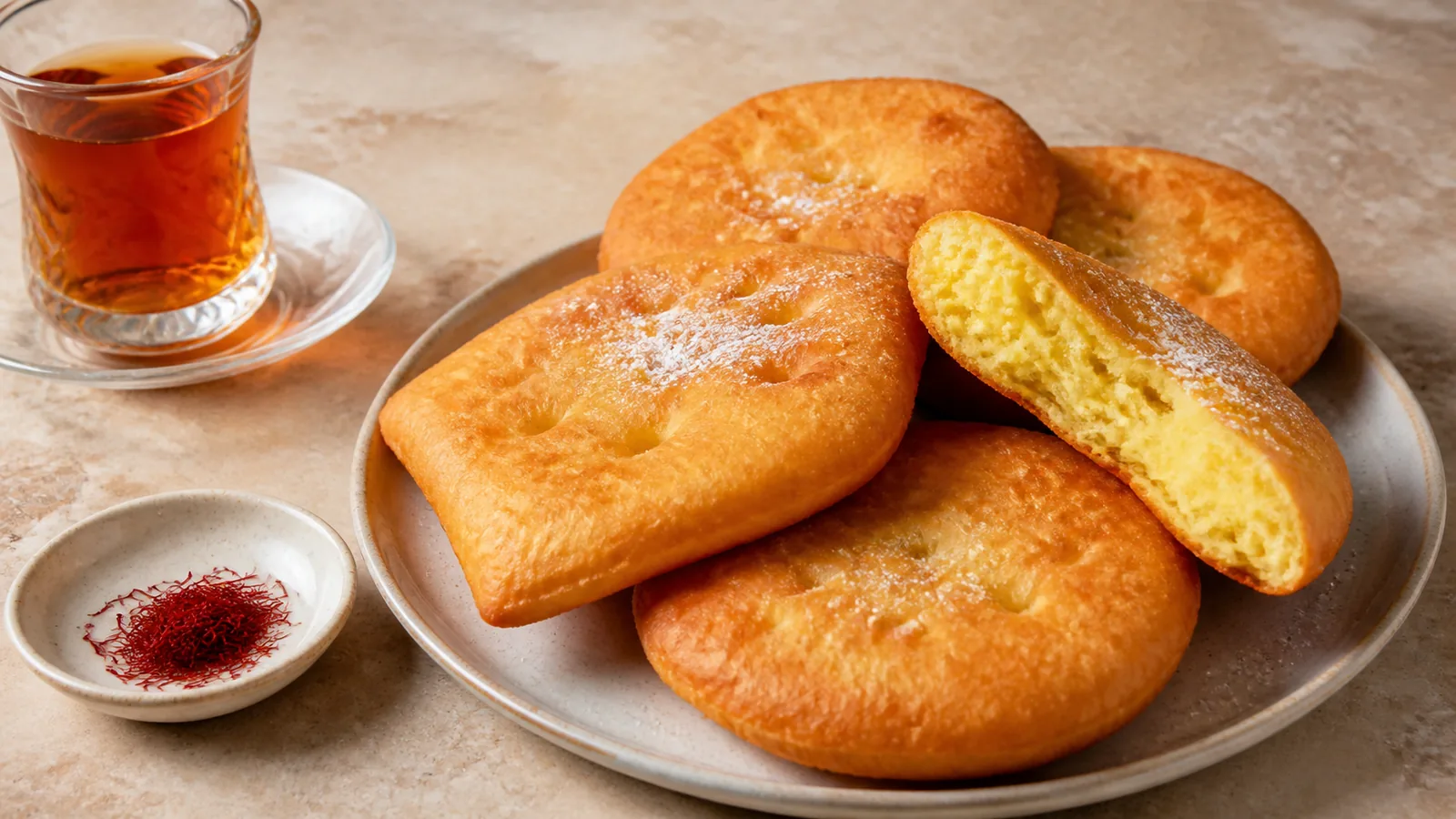
Agrdak is a lightly sweet Iranian fried bread with a soft, saffron-coloured centre and a golden surface. The name also appears as Agardak, Agerdak or Ardak, and local versions are made in Qazvin, Hamadan and other parts of Iran. This recipe uses a yeasted dough, eggs and milk, then fries the shaped pieces until they puff.
Traditional Agrdak ingredients
- 750 g plain white flour, plus a little for shaping
- 180 g granulated sugar, divided
- 2 large eggs, at room temperature
- 2 teaspoons baking powder
- ¾ cup warm low-fat or whole milk
- ½ teaspoon fine salt
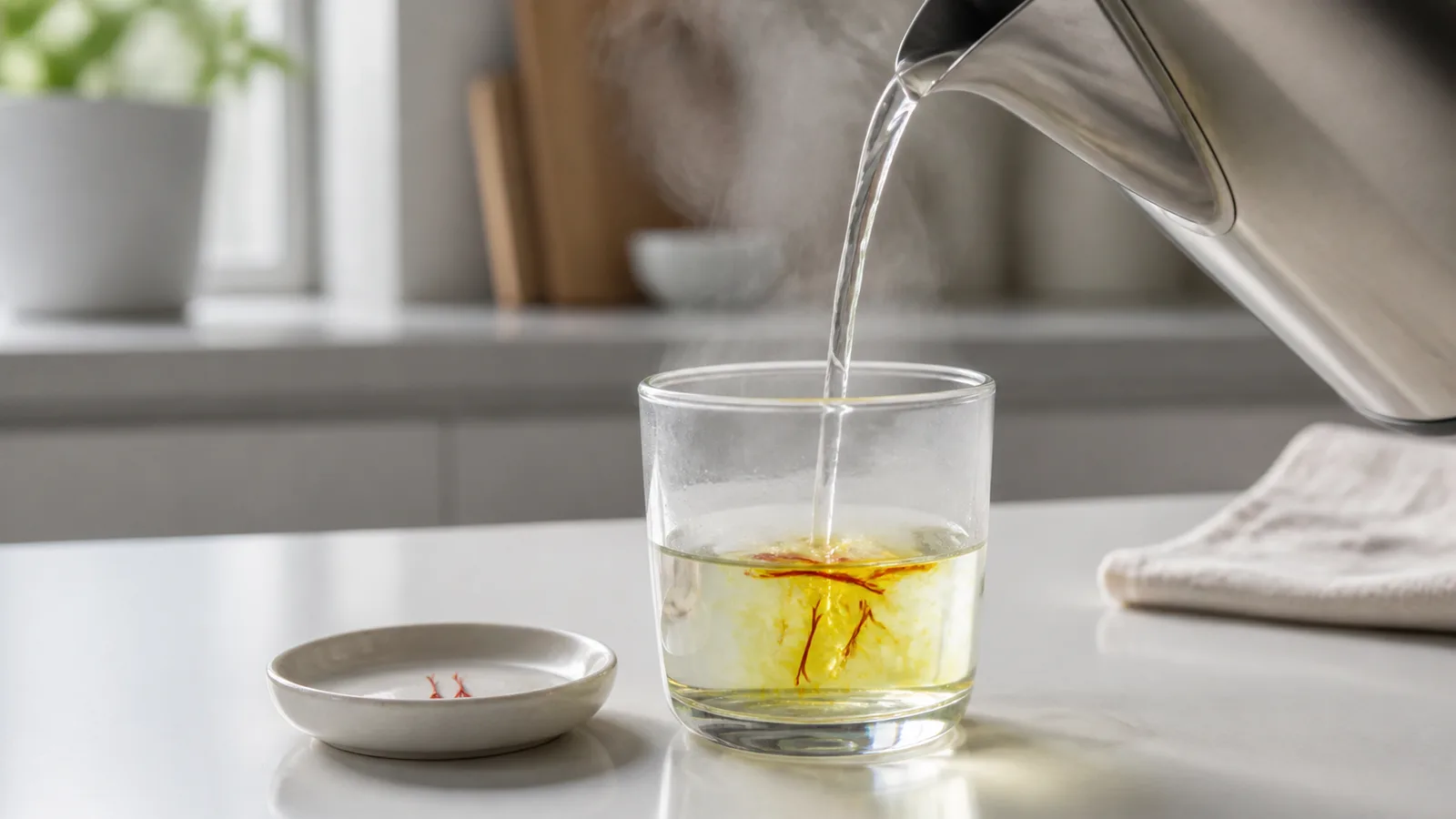
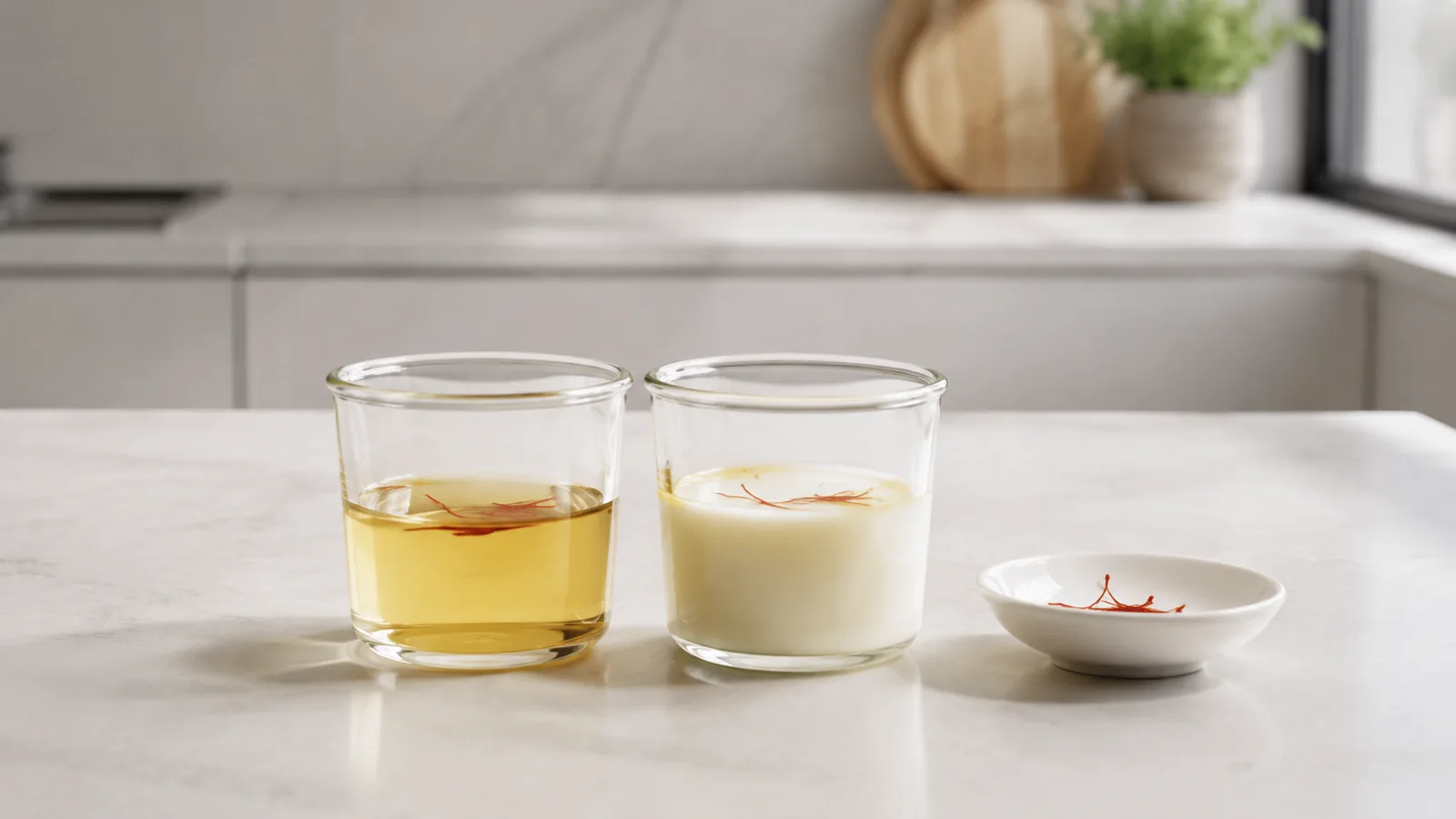
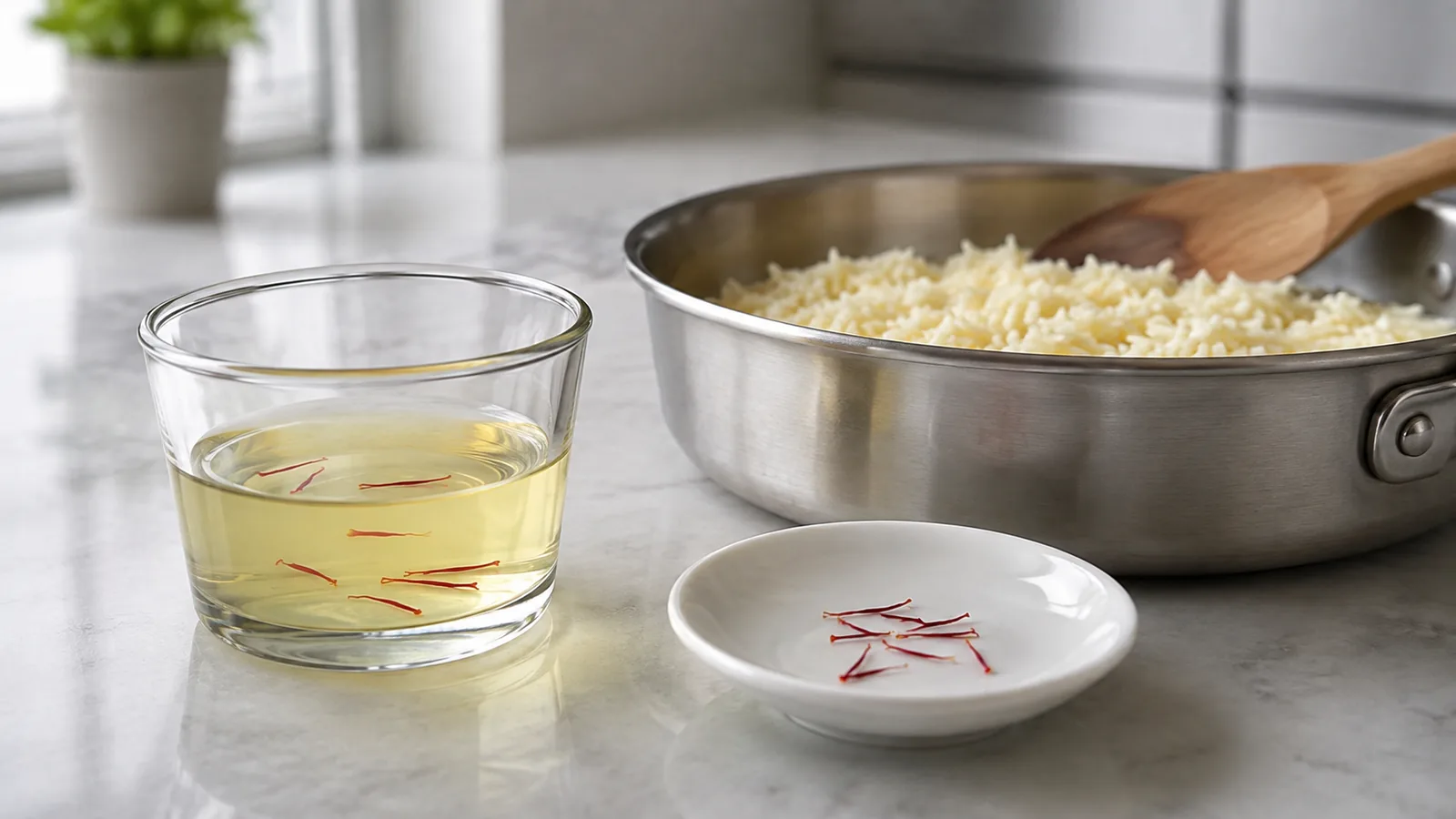
- 3 tablespoons concentrated brewed saffron, cooled
- 1 tablespoon active dry yeast
- 1 cup lukewarm water
- Neutral high-heat oil, for frying
- Icing sugar, optional
Activate the yeast
Take 1 tablespoon of the measured sugar and stir it into the warm milk. Add the yeast, cover loosely and leave for 5 to 10 minutes, until a layer of foam appears. The milk should feel pleasantly warm, not hot; liquid above about 43°C (110°F) can damage the yeast.
If the mixture shows no activity after 10 minutes, check the yeast date and start again. Flour is too valuable to add to inactive yeast.
Make and rest the Agrdak dough
Beat the eggs in a large bowl until the whites and yolks are combined. Add the foamed yeast mixture, remaining sugar, brewed saffron and lukewarm water. Whisk until even.
Mix the flour, baking powder and salt. Add the dry ingredients gradually, first with a spoon and then by hand. Stop when the dough is soft and only slightly tacky; depending on the flour and egg size, a small amount may remain. A stiff dough produces heavy bread.
Knead for 8 to 10 minutes, until smoother and elastic. Place it in a lightly oiled bowl, cover and leave in a warm, draught-free place until roughly doubled, about 1 hour. Temperature matters more than the clock, so give it longer in a cool kitchen.
Shape the traditional sweets
Turn the risen dough onto a lightly floured board and press out the largest air pockets. Roll it to about 5 to 7 mm thick. Cut rounds, diamonds or simple rectangles, then prick each piece 2 or 3 times with a fork. Keep the shaped dough covered while the oil heats so the surface does not dry.
Let the pieces rest for 10 minutes after cutting. This short pause helps the gluten relax and gives the yeast a chance to recover before frying.
Fry Agrdak safely and evenly
Pour oil into a deep, heavy pan, leaving generous space above it, and heat to 170–175°C (338–347°F). Keep water away from the pan and never fill it more than halfway with oil.
Lower in one test piece. It should rise steadily and colour gradually. Fry the Agrdak in small batches, spooning hot oil carefully over the exposed surface to encourage an even puff. Turn once and cook until both sides are deep gold and the centre is cooked through.
Transfer to a rack or paper-lined tray. Let the oil return to temperature before adding the next batch. Oil that is too cool makes the bread greasy; oil that is smoking darkens the outside before the dough cooks inside.
Serving and storing Agardak
Serve the fried bread warm or at room temperature, plain or with a light dusting of icing sugar. It is pleasantly mild beside tea and can also be served with honey or fruit preserves. Saffron supplies both fragrance and colour; there is no need to add turmeric to this version.
Agrdak is best on the day it is fried. Once completely cool, keep it in a covered container for up to 2 days. Rewarm pieces briefly in a low oven or dry pan rather than returning them to oil. For longer storage, freeze the cooled breads in a well-sealed bag and thaw before warming.
Why the bread may not puff
Common causes are inactive yeast, a dough made stiff with too much flour, too little proofing, or oil below temperature. Very thick pieces can brown outside while remaining doughy in the centre. Keep the dough soft, use the visual doubling cue and test one shaped piece before committing a full batch.