This recipe for baking pasta cake with Iranian saffron turns macaroni, a savory meat filling and a saffron egg-and-yogurt mixture into a sliceable oven dish.
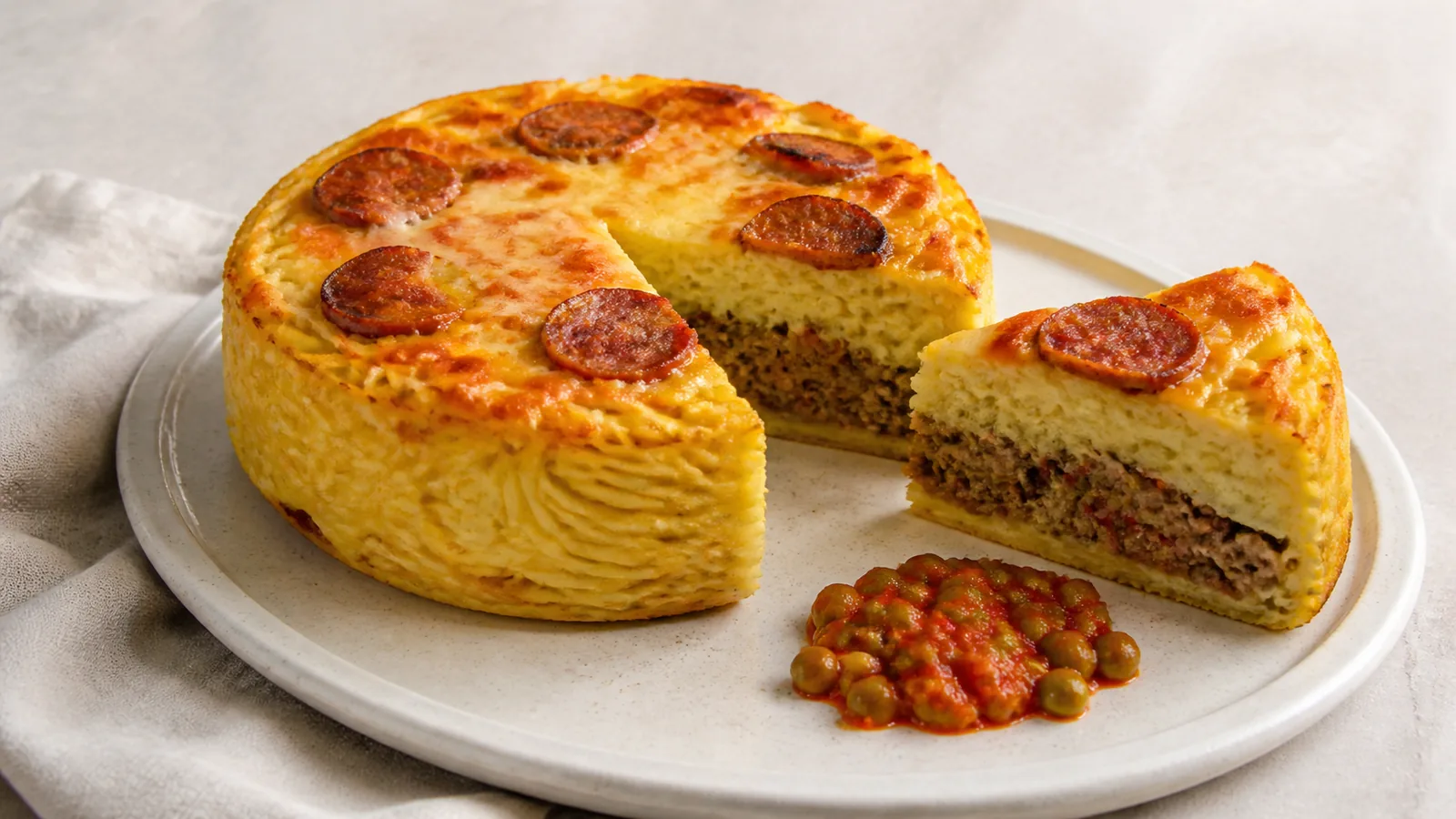
Despite the name, pasta cake is not a dessert. It is an Iranian-style baked pasta assembled in layers, pressed into a round mold and turned out for serving. Saffron seasons the pasta itself, while minced meat, bell pepper and tomato paste make the filling.
Ingredients for saffron pasta cake
- 300 g long pasta or macaroni
- 200 g minced beef or lamb
- 1 medium onion, finely chopped
- ½ large bell pepper, about 80 g, finely chopped
- 3 tablespoons tomato paste
- 2 small sausages, about 100 g, sliced
- 5 tablespoons grated pizza cheese, about 50 g
- 3 eggs
- 3 tablespoons plain yogurt
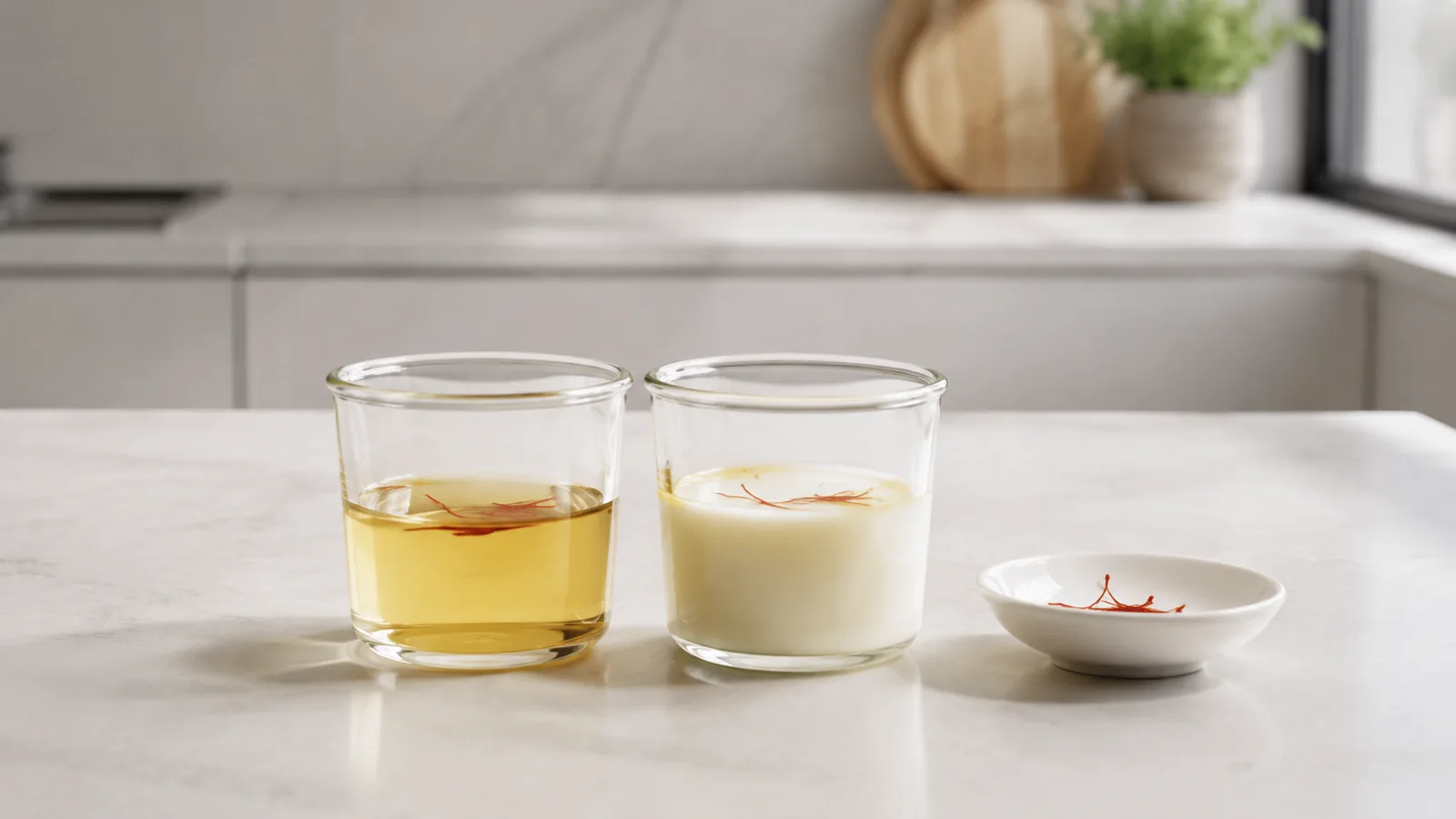
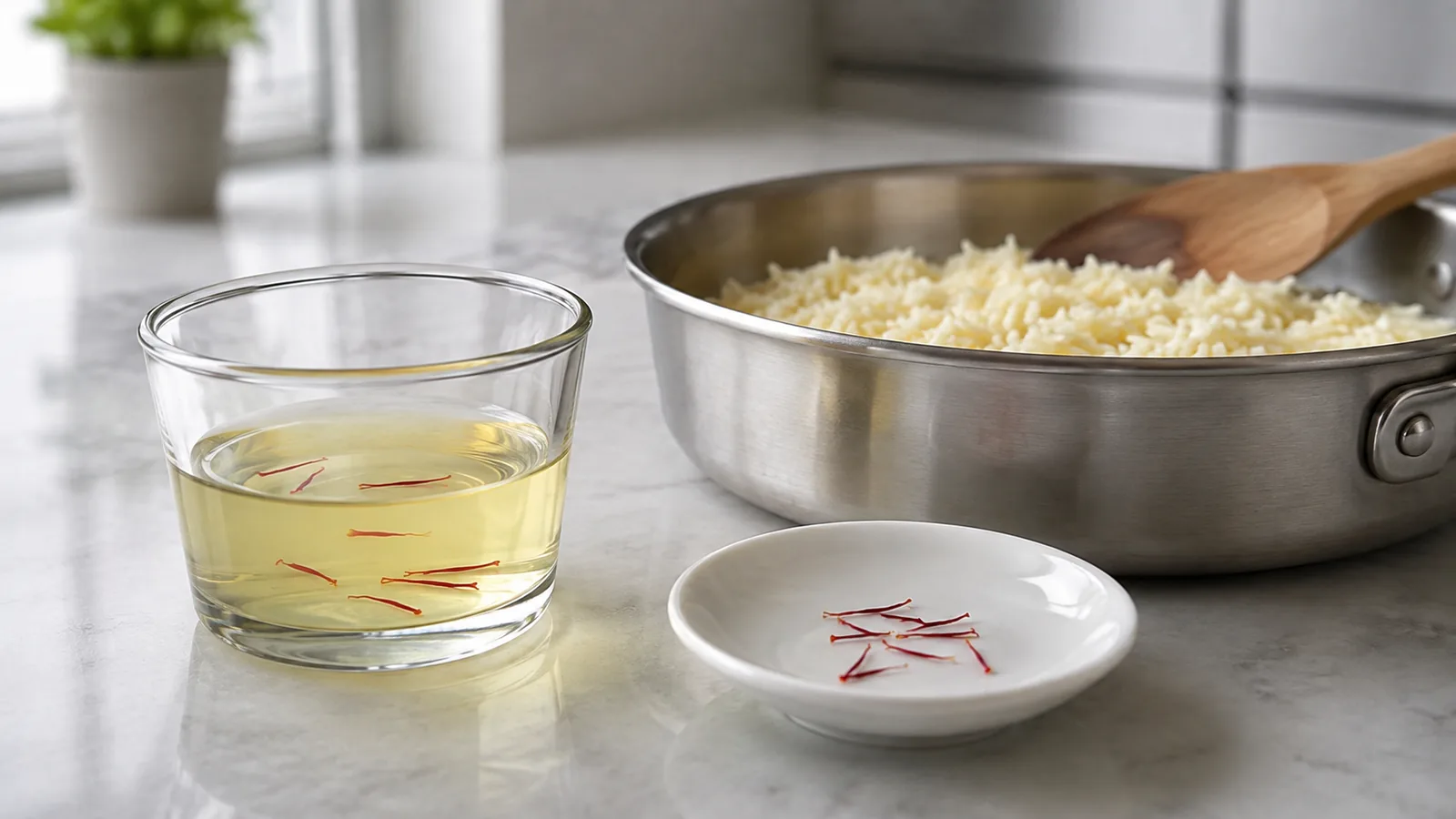
- ¼ teaspoon saffron threads, finely ground and bloomed
- Cooking oil, up to ½ cup in total
- Salt and black pepper, as needed
- Tomato sauce and cooked peas, optional, for serving
You will also need a greased 24 cm round ovenproof mold or cake tin. A loose-bottomed tin makes unmolding easier, but a solid tin works if it is greased thoroughly.
Make the meat filling
Heat two tablespoons of the oil in a frying pan. Add the onion and cook over medium heat until softened and lightly golden.
Add the minced meat, break it apart with a spoon and cook until no raw areas remain. Season with salt and black pepper, then stir in the tomato paste. Let the paste cook for a minute before adding the chopped bell pepper.
Cook for a few more minutes, just until the pepper begins to soften. The filling should be moist but not watery; excess liquid can prevent the pasta cake from holding a clean shape.
Cook and season the pasta
Bring a large pan of well-salted water to the boil. Break very long pasta in half so it fits the mold more easily, then cook it until flexible but still slightly firm, usually about 8 to 10 minutes depending on the package directions.
Drain the pasta and rinse it briefly with cool water to stop further cooking. Leave it in the colander for a few minutes so water does not dilute the saffron mixture.
In a large bowl, whisk the eggs with the yogurt and bloomed saffron until evenly combined. Add the drained pasta and turn it gently until every strand has a light coating.
Assemble the pasta cake
Heat the oven to 170°C. Grease the base and sides of the 24 cm mold with some of the remaining oil.
Spoon in half of the saffron pasta and press it into an even layer. Keep the meat filling a little away from the edge as you spread it over the pasta; a pasta border helps the finished cake stay together. Scatter over about half of the cheese.
Add the rest of the pasta, level the surface and press it down firmly with the back of a spoon. Cover the mold with foil.
Bake and unmold
Place the mold on the middle shelf and bake for about 45 minutes. The exact time depends on the depth and material of the pan, so look for a set center and lightly browned edges.
Remove the pasta cake from the oven and let it rest in the mold for 10 minutes. Run a thin knife around the edge, place a serving plate over the mold and turn both over carefully.
If you are using a loose-bottomed tin, release the sides first and slide the cake onto a heatproof serving plate.
Add the cheese and sausage topping
Arrange the sliced sausage over the top and scatter on the remaining cheese. Put the pasta cake under a hot grill or broiler for up to five minutes, watching closely, until the cheese melts and develops a few golden spots.
Serve it warm in wedges. Tomato sauce and peas can be added at the table, or you can pair the pasta cake with a crisp salad to balance the rich filling.
How to help the cake hold its shape
- Do not overcook the pasta: very soft strands absorb less of the egg mixture and can collapse after unmolding.
- Drain it well: water left in the pasta loosens the saffron coating.
- Keep filling away from the edge: the outer pasta layer acts as the cake’s shell.
- Press each layer: empty pockets make the slices fragile.
- Rest before turning out: ten minutes gives the hot layers time to settle without letting the cheese become cold.