This recipe for baking meat cake with broad bean and Iranian saffron wraps tender braised meat, fresh fava beans and tomato in crisp layers of yufka or filo pastry.
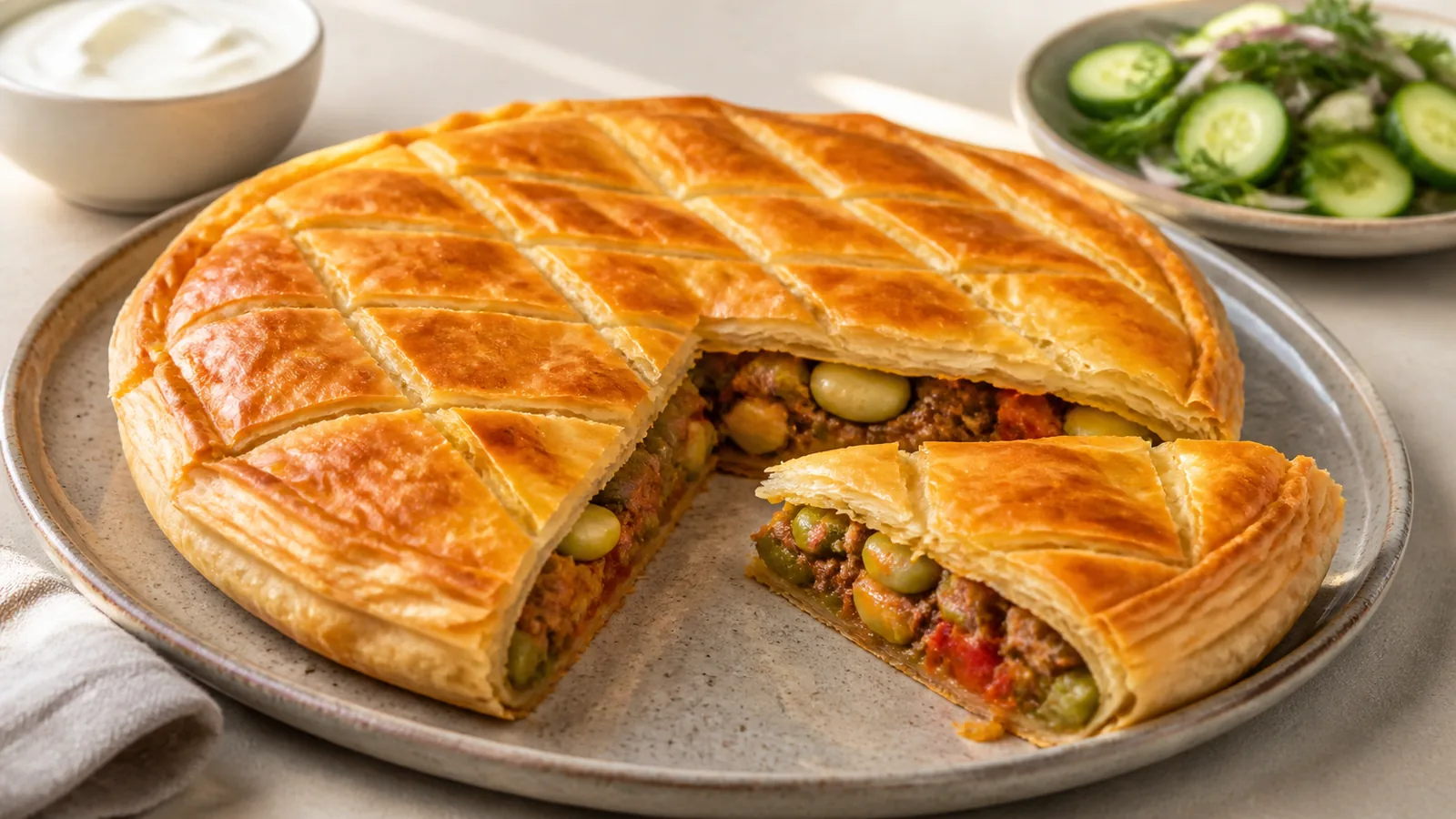
Despite the name, this is a savory pastry rather than a cake in the sweet sense. It is an Iranian version of a deep meat pie: the filling is cooked until nearly dry, enclosed in thin dough and baked in its serving dish until the top is golden.
Ingredients for broad-bean meat cake
For the meat and broad-bean filling
- 2 large onions, finely chopped
- 2–3 tablespoons cooking oil
- 1 kg boneless lamb leg or another tender stewing cut, trimmed and cut into large pieces
- A small amount of Iranian saffron, bloomed in hot water
- 300 g shelled broad beans or fava beans, with the tough outer skins removed
- 2–3 tablespoons tomato paste
- 2–3 tomatoes, chopped
- Salt and black pepper, as needed
- 3–4 glasses boiling water, or enough to come close to covering the meat
For the pastry case
- 4–5 large sheets yufka dough, or enough filo sheets to build 5–6 thin layers
- 1/4 cup milk
- 1/4 cup neutral oil
- 1 egg, separated
- Extra oil for the baking dish
Yufka is generally thicker and more flexible than commercial filo. If using very thin filo sheets, handle them gently and keep the unused stack covered with a barely damp cloth so it does not crack.
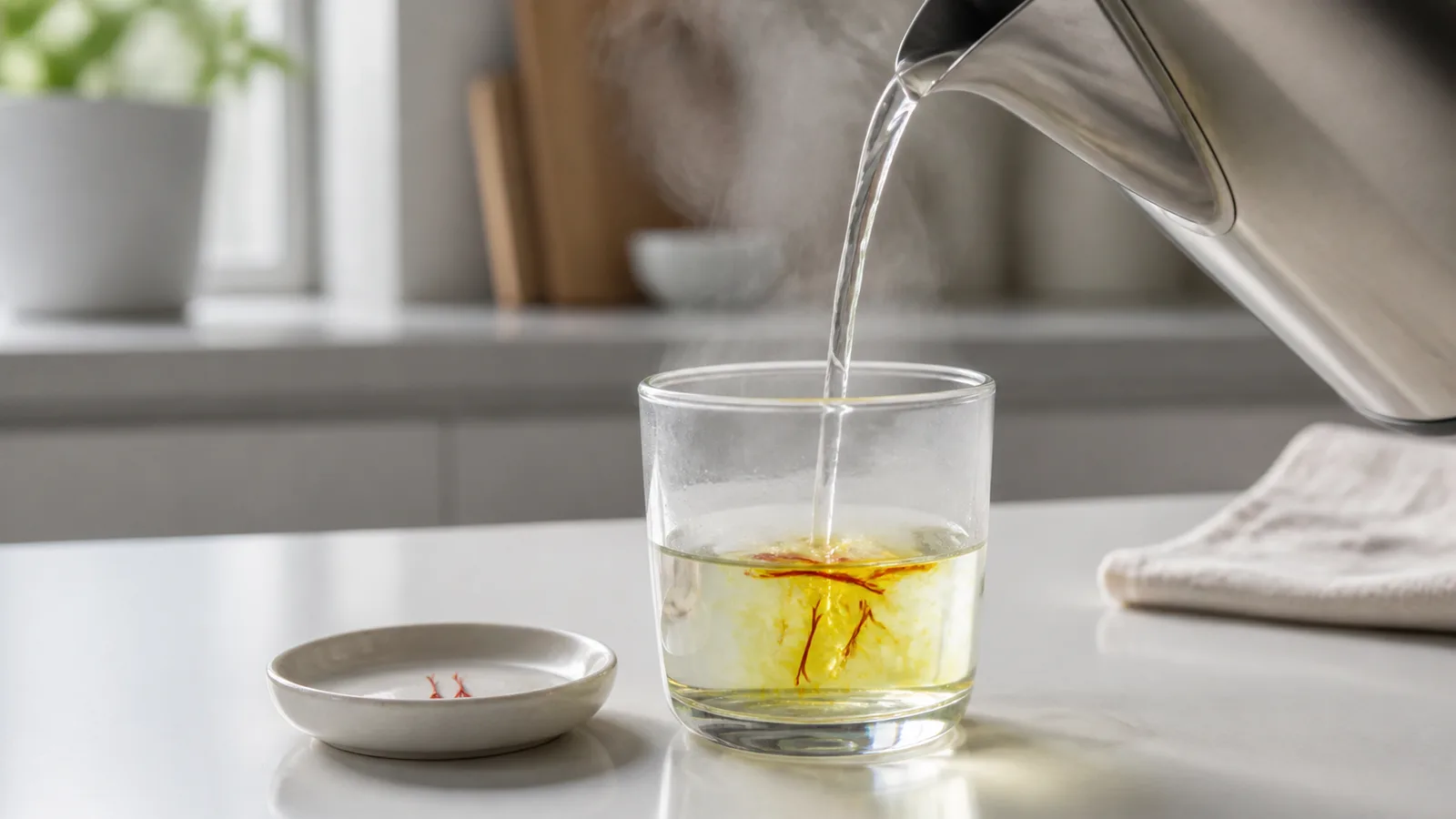
Bloom the saffron
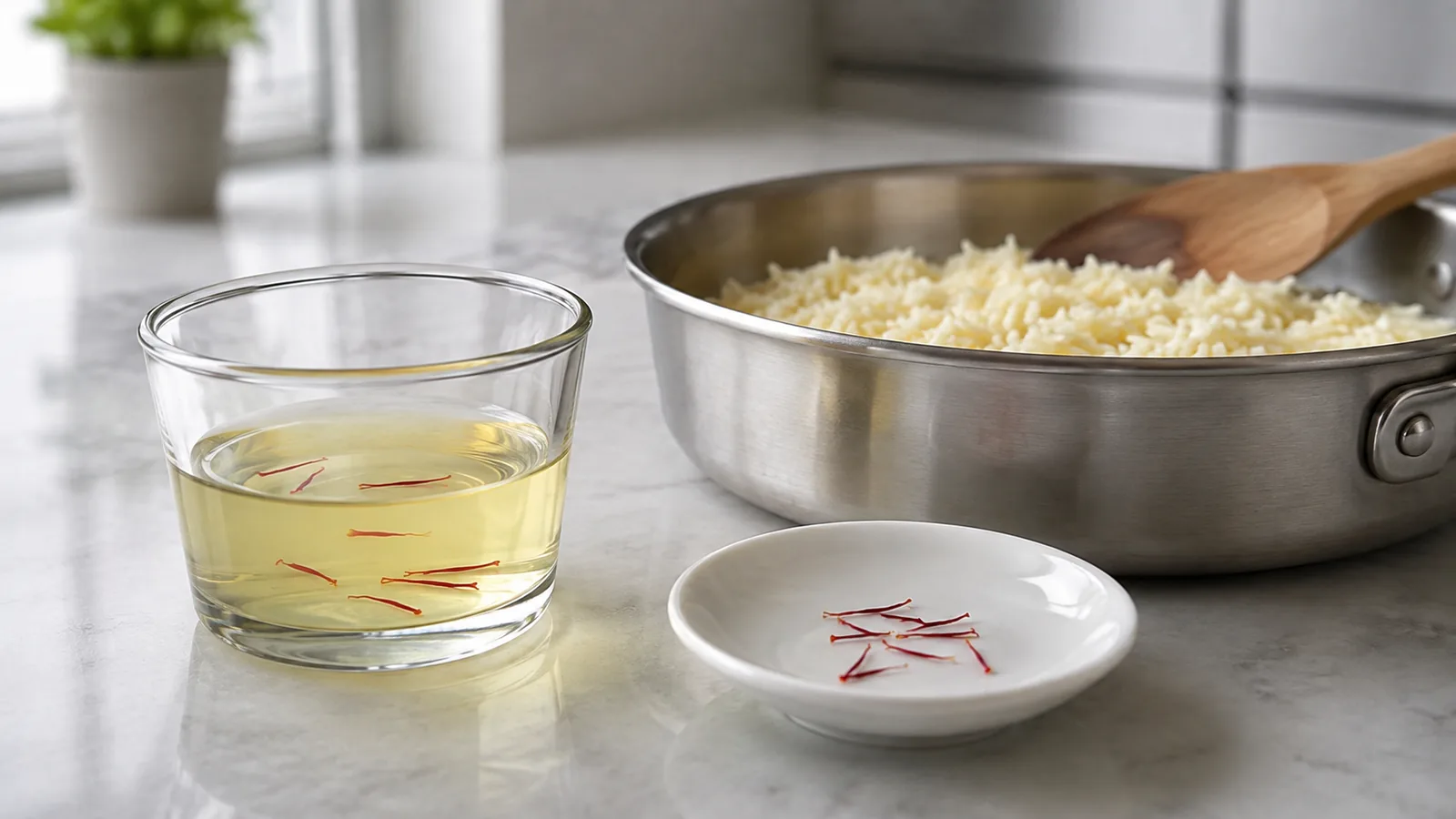
Grind the saffron threads, add a small amount of hot water and leave them for 10–15 minutes. The liquid should be concentrated enough to flavor the meat without adding much water to the filling. The site’s checked method for brewing Iranian saffron gives the proportions and handling details.
Brown the onion and meat
Choose a wide, heavy pot that can hold the meat in a fairly even layer. Heat 2–3 tablespoons of oil over medium-high heat, then add the chopped onions. Cook until soft and beginning to turn golden.
Pat the meat dry and add it in batches so the pot stays hot. The old instruction to add the meat “to the grain” refers to the hot onion-and-oil base. Crowding cold, wet pieces into the pot lowers the temperature and makes them release liquid instead of browning.
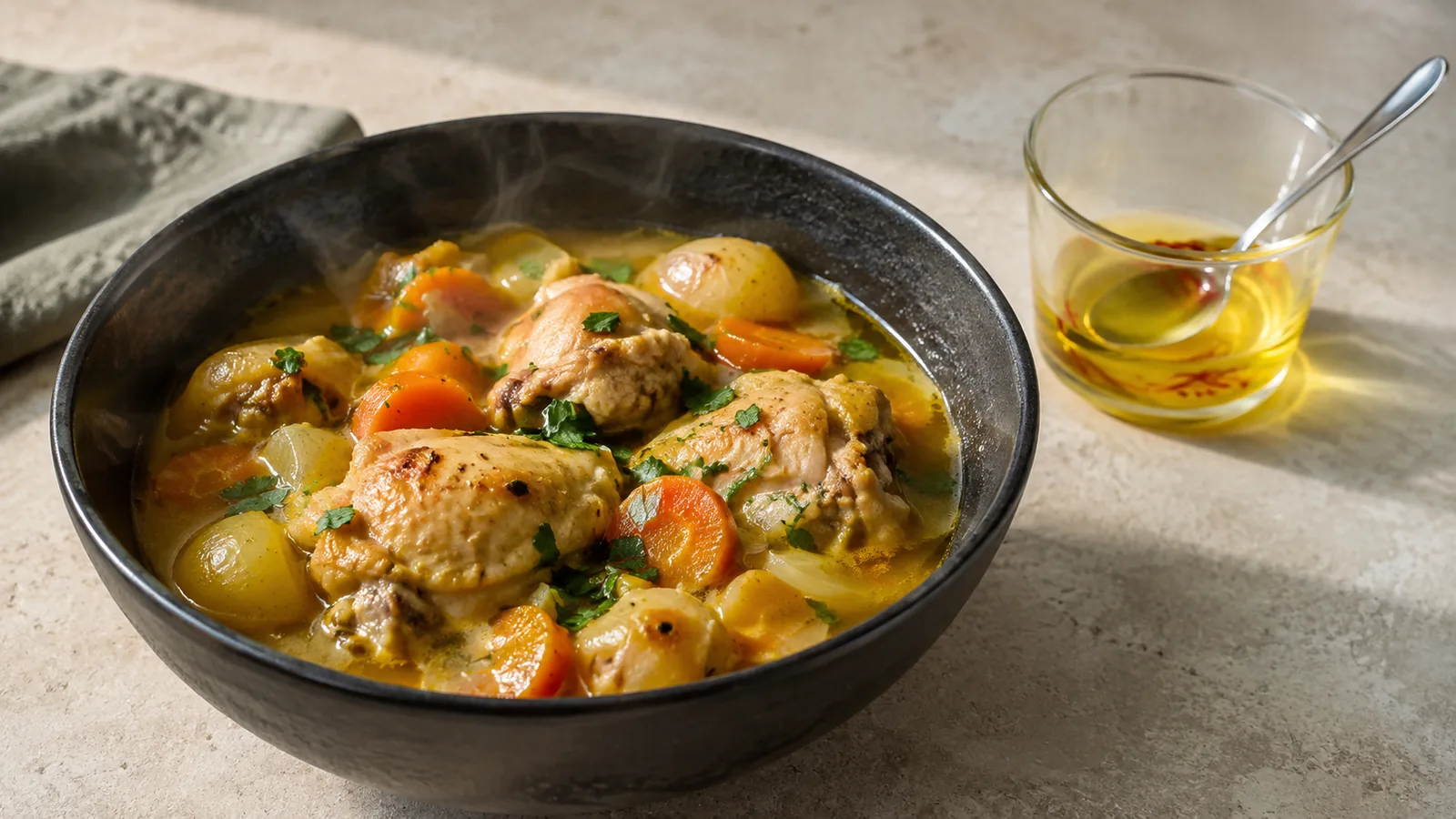
Turn the pieces just long enough to color their surfaces. They do not need to cook through at this stage. Pour the bloomed saffron over them and add 3–4 glasses of boiling water, stopping when the liquid almost covers the meat.
Braise the saffron meat until tender
Bring the liquid back to a boil, reduce the heat and cover the pot. Cook at a gentle simmer for 1–2 hours, or until the meat is tender enough to cut with a spoon. A tougher cut may need longer, so tenderness matters more than the clock.
Whole cuts of lamb and beef are considered safe at 145°F (63°C) followed by a three-minute rest, but braising normally takes the meat well beyond that temperature to soften its connective tissue.
Check the pot occasionally and add only a little boiling water if it threatens to dry before the meat becomes tender. The finished filling must not be soupy, because excess liquid will soak through the pastry.
Prepare the broad beans
Remove the broad beans from their pods. If the beans are mature or their outer skins feel tough, blanch them for one minute, cool them in water and slip off the pale skins. This is the useful meaning behind the garbled peeling sentence in the old recipe.
When the meat is tender, add the cleaned bean kernels along with salt and black pepper. Simmer uncovered until the beans are tender and nearly all the cooking liquid has been absorbed. Stir carefully so the beans do not break down into a paste.
If liquid remains after the meat and beans are ready, remove the lid and raise the heat for a few minutes. Stir frequently. Transfer the mixture to a wide bowl and let it cool; hot filling makes filo soft and difficult to layer.
Finish the tomato filling
In the same pot, fry 2–3 tablespoons of tomato paste for a minute or two, stirring until its raw smell fades and its color deepens. Add the chopped tomatoes and cook for another 3–4 minutes.
Return the meat and broad beans to the pot and fold everything together. Cook only until the mixture is cohesive and moist, with no loose sauce at the bottom. Taste and adjust the salt, pepper or saffron, then leave it to cool to room temperature.
Line the dish with yufka or filo
Heat the oven to 180°C (350°F). Oil the bottom and sides of a deep Pyrex, ceramic or metal baking dish.
Whisk the milk, oil and egg white lightly with a fork. Keep the yolk in a separate small bowl for the top. The milk-and-oil mixture moistens the pastry and helps the layers hold together without becoming heavy.
Cut the dough to fit the base and walls while leaving enough overhang to fold across the filling. Lay the first sheet in the dish, brush it lightly with the milk mixture and repeat until there are 5–6 thin layers. If your yufka is large and thick, 4–5 sheets may be enough; very thin filo may require the full six.
Fill and close the meat cake
Spread the cooled meat-and-broad-bean mixture evenly over the pastry. Fold the hanging edges inward, brushing dry areas lightly as you work.
Cut another 5–6 pieces of dough to the shape of the dish and layer them over the filling. Brush each one sparingly with the milk mixture and tuck the edges down the sides. Too much liquid between layers can prevent them from becoming crisp.
For the diamond pattern described in the original recipe, cut the final sheet into diamonds and arrange them neatly over the closed top. Brush with the reserved egg yolk. A teaspoon of milk can be mixed into the yolk if it is too thick to spread.
Bake until crisp and golden
Place the dish on the middle oven rack and bake at 180°C until the pastry is evenly golden and crisp, usually 30–40 minutes depending on the dish and thickness of the dough. If the top colors too quickly, cover it loosely with foil for the final minutes.
Rest the baked meat cake for 10–15 minutes before cutting. That pause lets the filling settle and gives the bottom layers time to firm, so the slices hold their shape.
Serving meat cake with broad bean and saffron
Serve the pastry directly from its baking dish or lift out individual wedges with a broad spatula. A cucumber-and-herb salad or plain yogurt suits the rich meat and crisp dough.
A good slice shows separate pastry layers around a tender filling, with broad beans still visible among the meat and tomato. Keeping the filling almost dry before assembly is the detail that makes that clean result possible.