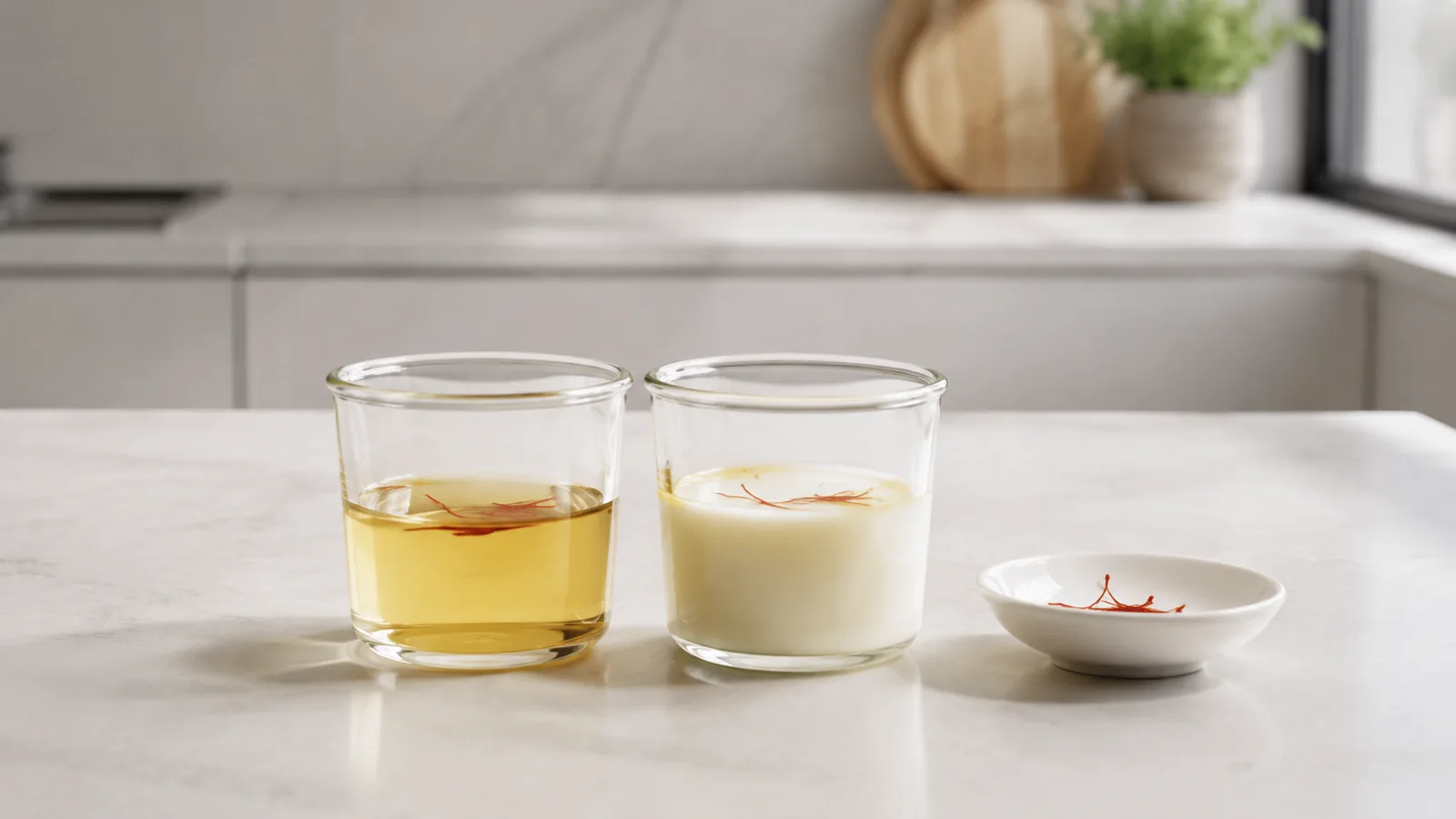
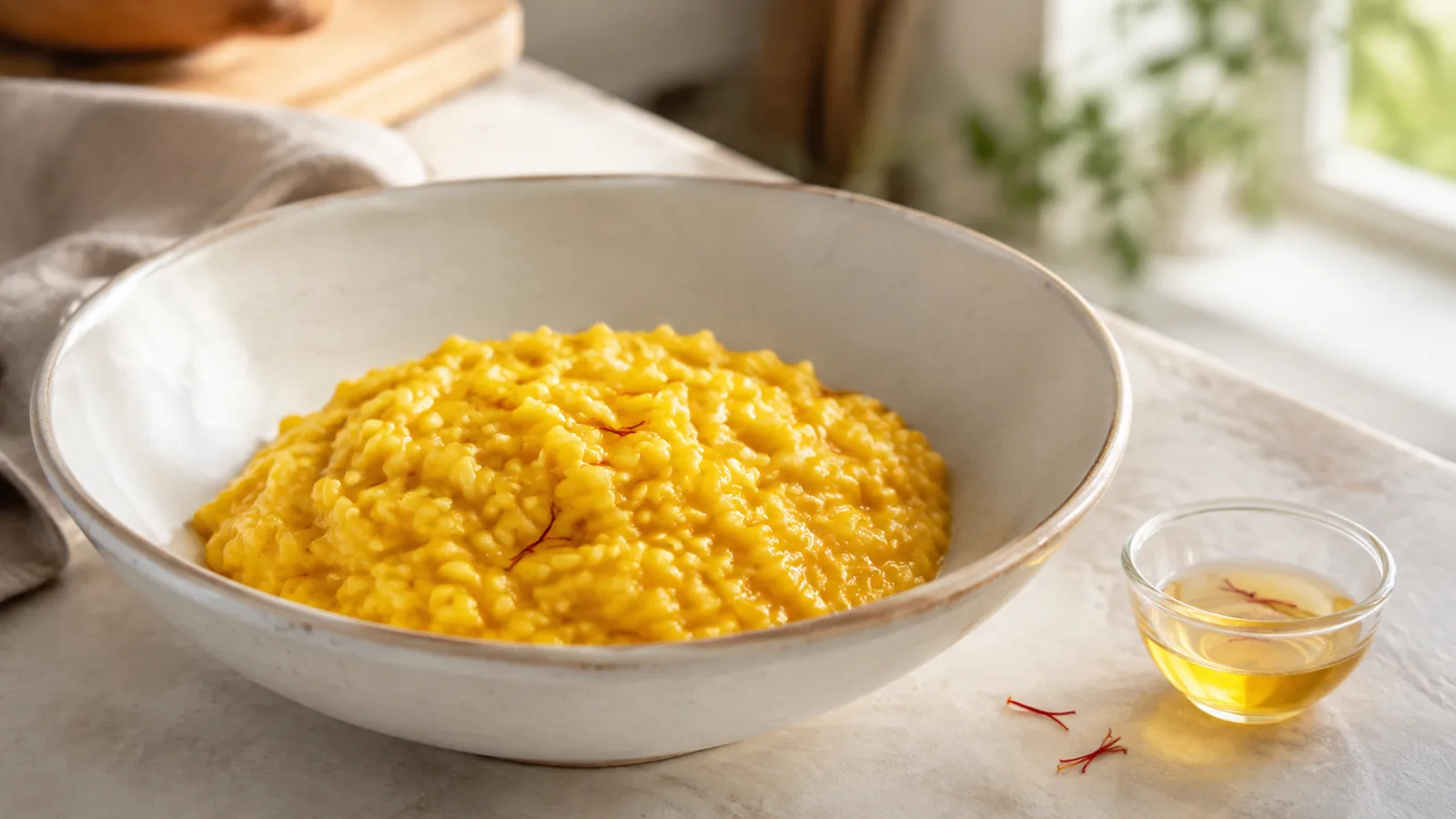
Leopard cake gets its spotted crumb from three simple batters—vanilla, cocoa and saffron—placed carefully in the tin before baking.
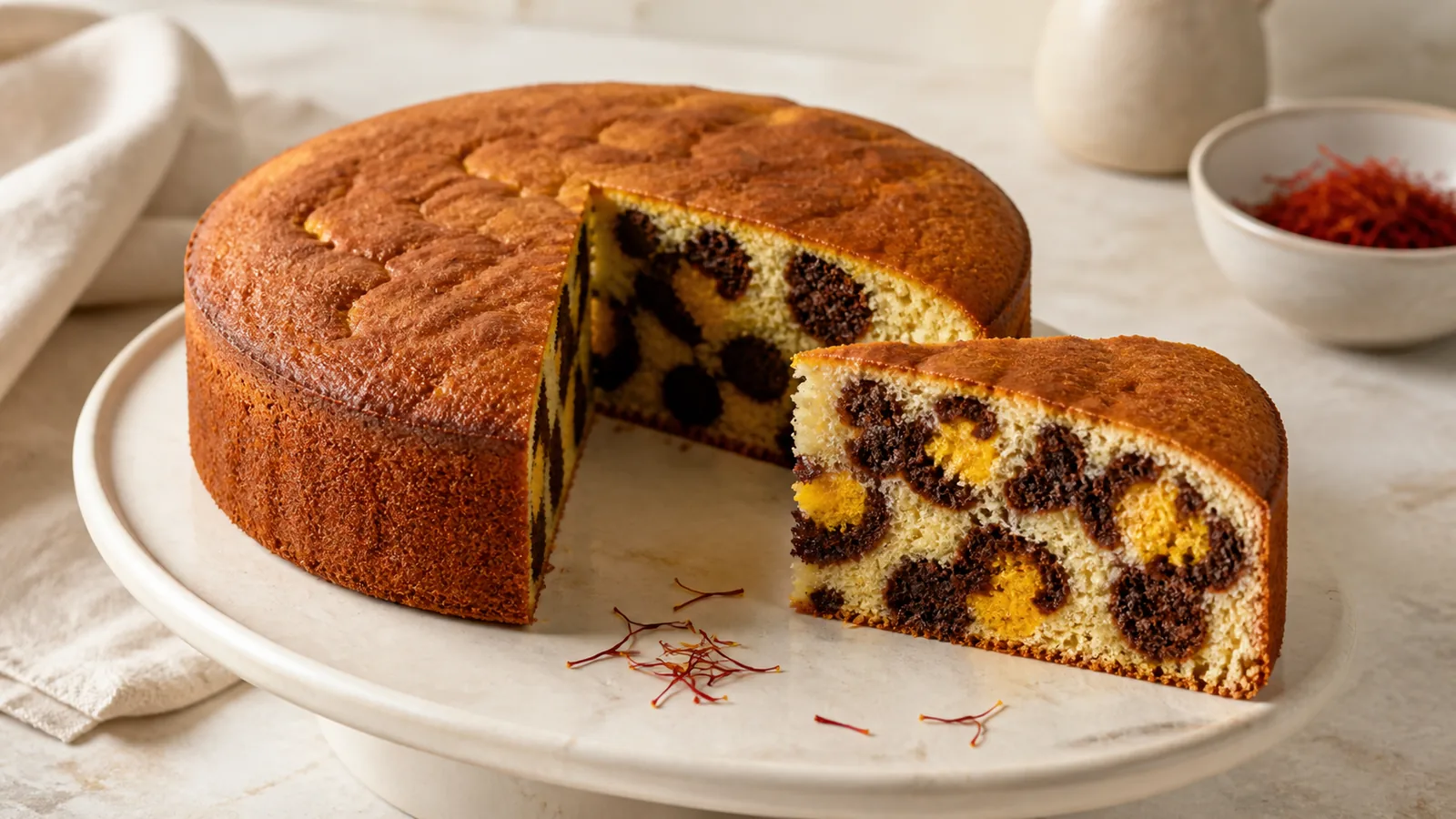
The pattern is formed with a spoon rather than a special pan. Vanilla batter makes the background, cocoa creates the darker marks, and saffron batter brightens the center of each spot. Once sliced, every piece has a slightly different design.
Ingredients for saffron leopard cake
- 4 eggs, separated
- 2 glasses sugar
- 1 glass liquid oil
- ½ teaspoon vanilla
- 1 glass milk
- 3 glasses flour
- 2 teaspoons baking powder
- Bloomed saffron, as needed
- Cocoa powder, as needed
Allow about 30 minutes for preparation and 40 minutes for baking. Have three clean bowls ready before dividing the batter, and grease the cake tin thoroughly so the patterned cake releases cleanly.
Prepare the cake tin and oven
Preheat the oven to 200°C, as specified in the original recipe. Grease the base and sides of the cake tin with a thin, even film of oil. If your tin commonly holds on to cakes, line the base with baking paper as well.
Ovens do not all hold the same temperature. Keep the original 40-minute baking time as the guide, but begin checking a little earlier if your oven runs hot or the top is browning quickly.
Whip the egg whites
Separate the four eggs while they are cool, taking care not to let any yolk fall into the whites. Set the yolks aside in a large mixing bowl.
Beat the egg whites in a clean, dry bowl until they hold firm peaks. The whipped whites provide much of the cake’s lift, so put them aside and avoid stirring them again until the main batter is ready.
Mix the yolk batter
Beat the egg yolks until they look lighter and creamy. Add the two glasses of sugar and the liquid oil, then mix until the sugar is well incorporated and the batter has an even texture.
Pour in the milk and add the vanilla. Mix briefly. In a separate bowl, combine the flour and baking powder, then sift them over the yolk mixture in stages. Fold or mix at low speed only until no dry flour remains.
Add the whipped egg whites in several portions. Use a broad spatula to lift the batter from the bottom and fold it over the whites. Stop as soon as the mixture is even; vigorous mixing at this point will knock out the air.
Make the three cake colors
Divide the batter among three bowls. Leave one portion vanilla. Stir bloomed saffron into the second portion until it has a clear golden color, and mix cocoa powder into the third to make the dark batter.
Add the saffron and cocoa gradually. Both portions should remain close to the vanilla batter in thickness so the spots stay where they are placed instead of sinking or spreading into one another.
Create the leopard pattern
Spread the vanilla batter across the prepared tin in an even layer. With a teaspoon, place small points or short patches of cocoa batter over the surface, leaving space between them.
Add a smaller spoonful of saffron batter to the center of each cocoa mark. Continue building scattered cocoa-and-saffron spots rather than straight rows. The shapes do not need to match; irregular marks give the sliced cake its leopard appearance.
If batter remains in the colored bowls, repeat the same arrangement lightly over the surface. Do not drag a knife through the spots, because swirling would turn the defined pattern into a marble effect.
Bake the leopard cake
Place the tin in the preheated oven and bake for about 40 minutes. Avoid opening the oven during the early part of baking, when a sudden loss of heat can make the center fall.
The cake is ready when the top springs back gently and a skewer inserted in a plain section near the center comes out without wet batter. If the surface colors too quickly before the center is done, cover it loosely for the remaining baking time.
Cool, slice and serve
Let the cake rest in its tin briefly, then loosen the edge and transfer it to a rack. Wait until it is cool before slicing; a warm crumb can compress and blur the saffron and cocoa pattern.
Cut straight, clean slices to show the spots. The saffron gives the pale golden sections their aroma and color, while cocoa provides contrast without covering the vanilla cake beneath it.
Checks for a clear pattern
- Whip in a clean bowl: grease or yolk prevents egg whites from gaining volume.
- Fold gently: keeping air in the batter gives the cake a lighter crumb.
- Match the consistencies: overly thin colored batter will bleed into the vanilla portion.
- Spoon, do not swirl: separate cocoa marks with saffron centers create spots rather than marbling.
- Cool before cutting: the crumb and pattern become cleaner as the cake sets.