This Russian-style boiled beet stew combines meat, beetroot, tomato, potato and carrot in a sweet-sour broth, with saffron added as an Iranian variation. It resembles a borscht-style stew, but it is not presented as one definitive Russian regional recipe.
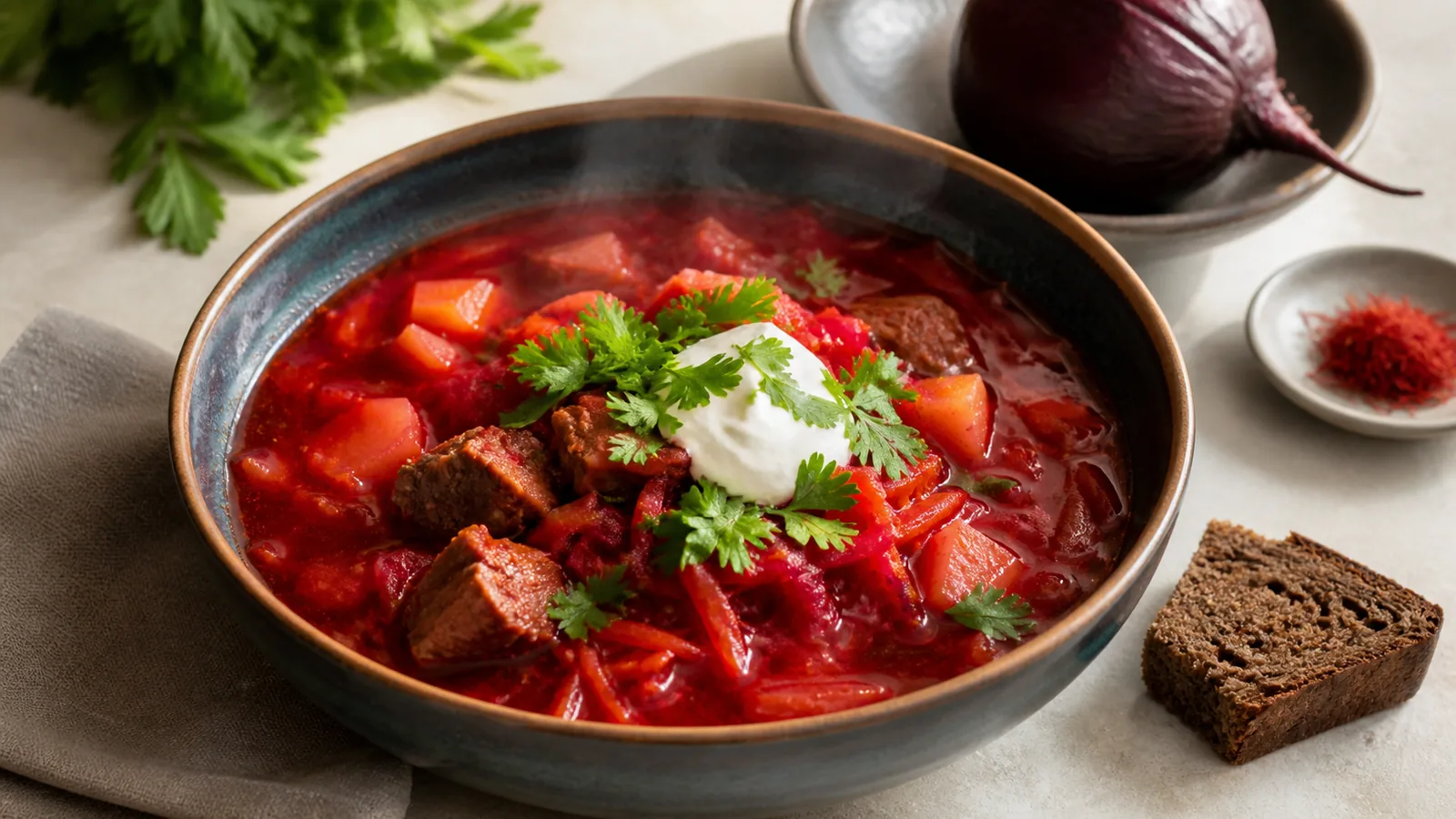
The beetroot supplies the deep ruby colour. Vinegar keeps the flavour lively, while a small amount of sugar rounds out its earthy edge.
Ingredients
- 300 g stewing beef or lamb, cut into small pieces
- 3 medium boiled beets
- 2 potatoes, peeled and diced
- 2 carrots, peeled and grated
- 2 onions, grated or finely chopped
- 2 tomatoes, peeled and chopped
- 2 garlic cloves, grated or crushed
- 2 tablespoons tomato paste
- 3 tablespoons brewed saffron
- 3 tablespoons chopped parsley
- 1 tablespoon butter
- 1 tablespoon vinegar, plus more to taste
- 1 to 2 tablespoons sugar, to taste
- Salt, black pepper and a small amount of turmeric
- Neutral oil, as needed
- Sour cream or full-fat yogurt, to serve
Boiling fresh beets
For a boiled beetroot recipe, scrub the fresh beets without cutting away the roots. Put them in a saucepan, cover with cold water and bring to a gentle boil. Cook until a knife enters the centre with little resistance, usually 30 to 50 minutes depending on size.
Drain and cool them until safe to handle, then slip off the skins. Grate or cut the boiled beets into fine strips. Wearing kitchen gloves will keep the colour off your hands.
Cook the meat
- Warm a little oil in a heavy saucepan. Add half the onion and cook until soft and lightly golden.
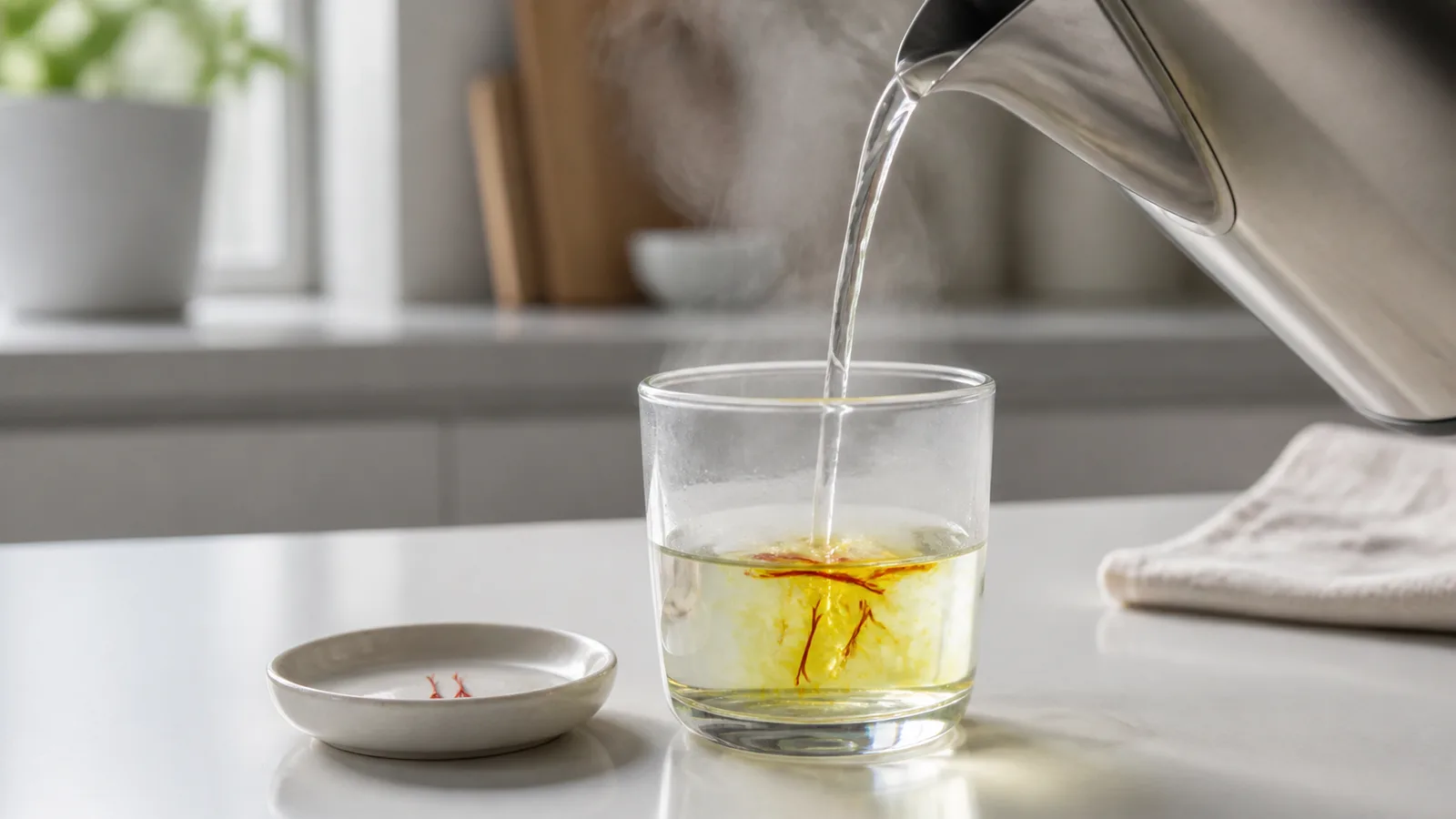
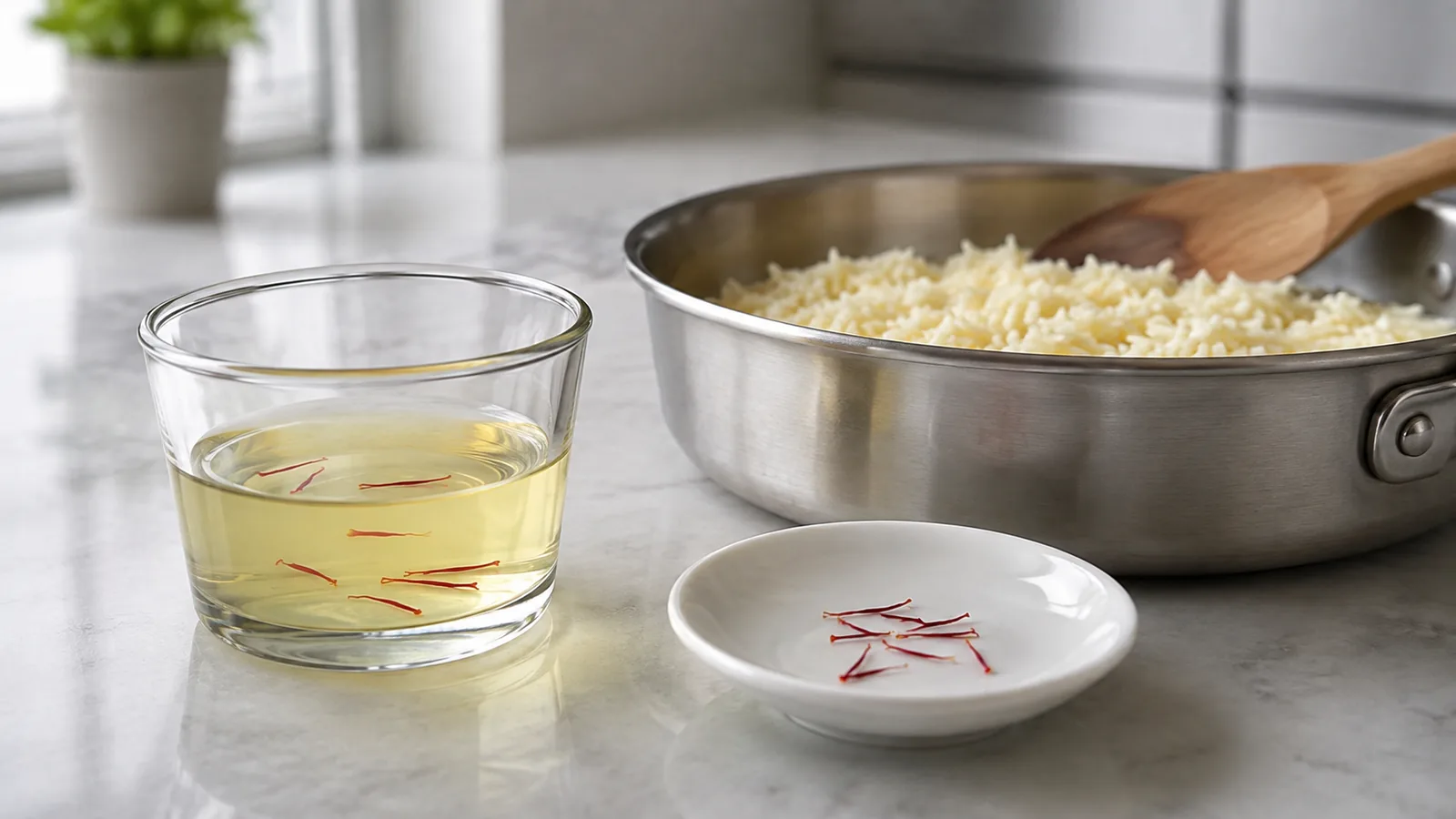
- Add the meat and turn it until the outside changes colour. Season with pepper, a small pinch of turmeric and 1 tablespoon of the brewed saffron.
- Add 3 to 4 cups of hot water. Bring to a gentle simmer, cover partially and cook for 1 to 2 hours, until the meat is nearly tender.
Prepare the beet and carrot mixtures
Warm a little oil in a frying pan. Add the grated boiled beets and vinegar and cook for a few minutes. Stir in the sugar and tomato paste, cooking until the paste loses its raw smell. Set this mixture aside.
In a second pan, melt the butter with a little oil. Add the remaining onion and cook gently until soft, then add the carrots and continue cooking until they begin to soften.
Finish the Russian stew
When the meat is close to tender, add the potatoes and simmer for 15 minutes. Stir in the beet mixture and the carrots, then cook until the potatoes are soft but still hold their shape.
To peel the tomatoes easily, lower them into boiling water for about 30 seconds and then transfer them to cold water. Remove the skins and chop the flesh. Add the tomatoes to the stew with the parsley, garlic, remaining saffron, salt and pepper. Simmer gently for another 15 minutes.
Taste at the end and adjust the vinegar or sugar in small amounts. The broth should be balanced, not sharply sour or obviously sweet.
Why saffron appears in this version
Saffron is not a defining ingredient in classic borscht. Here it is a deliberate variation that gives the broth a floral note beneath the beet and tomato. Add most of it late so the aroma remains perceptible. For more background on culinary uses of Iranian saffron, see our separate guide.
If you arrived by asking for “saffron in Russian,” the Russian word is шафран, transliterated as shafran. That language question is separate from whether a Russian stew traditionally contains the spice.
Serving the beet stew
Serve the stew hot with bread and a spoonful of sour cream or full-fat yogurt. The pale, tangy topping softens the beet’s sweetness and gives the bowl a familiar finish. Parsley or dill can be added at the table if desired.