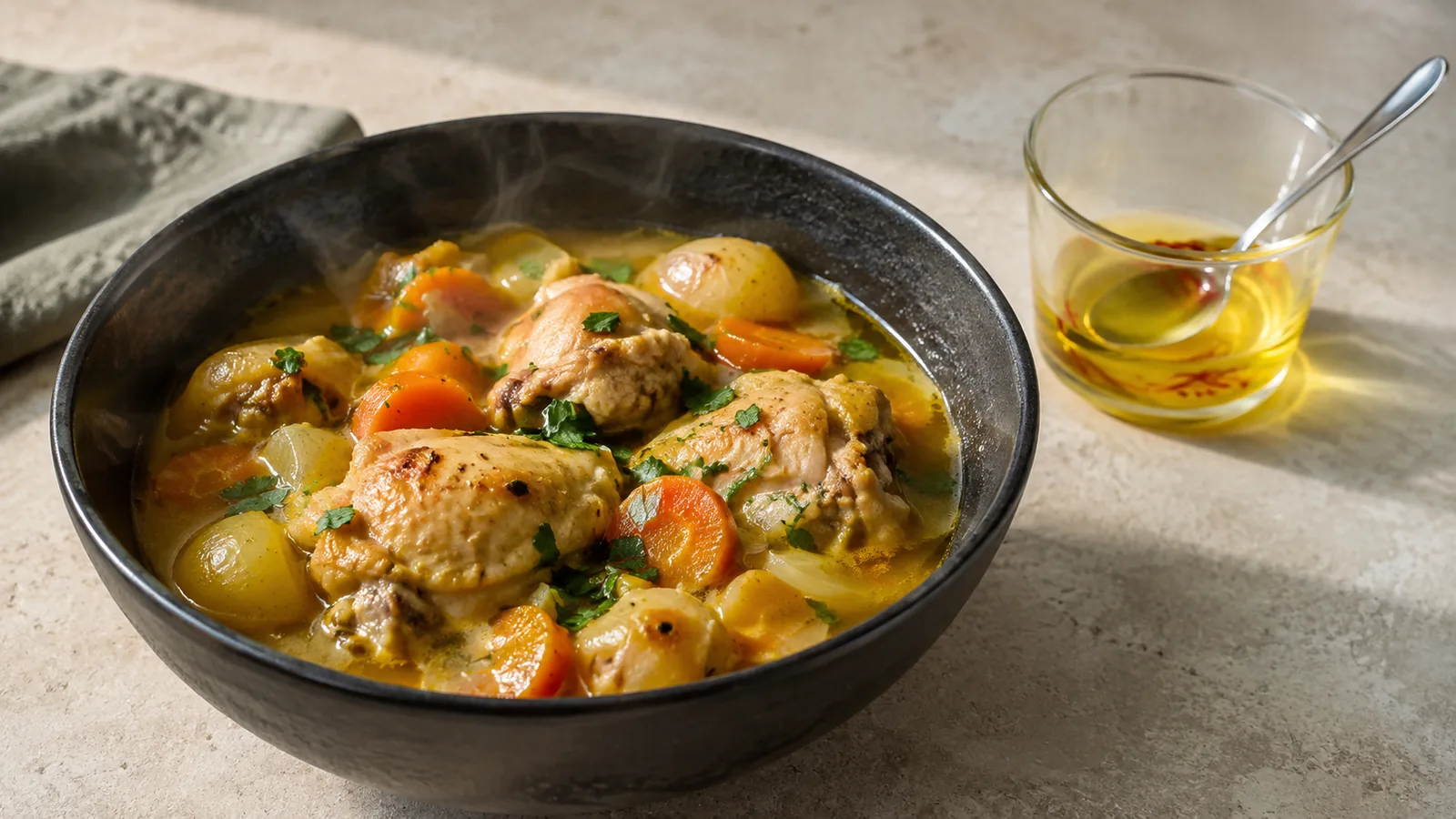
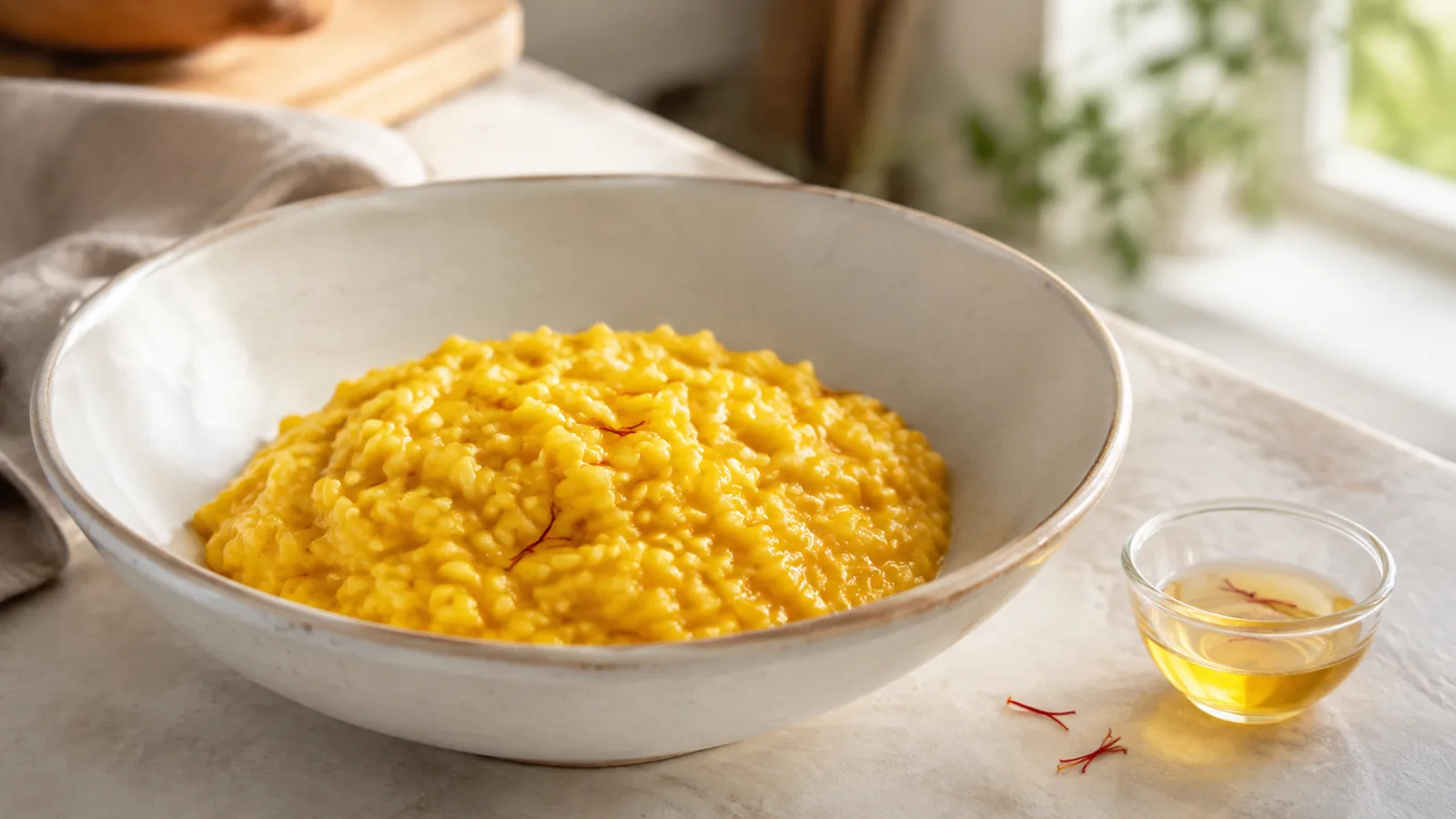
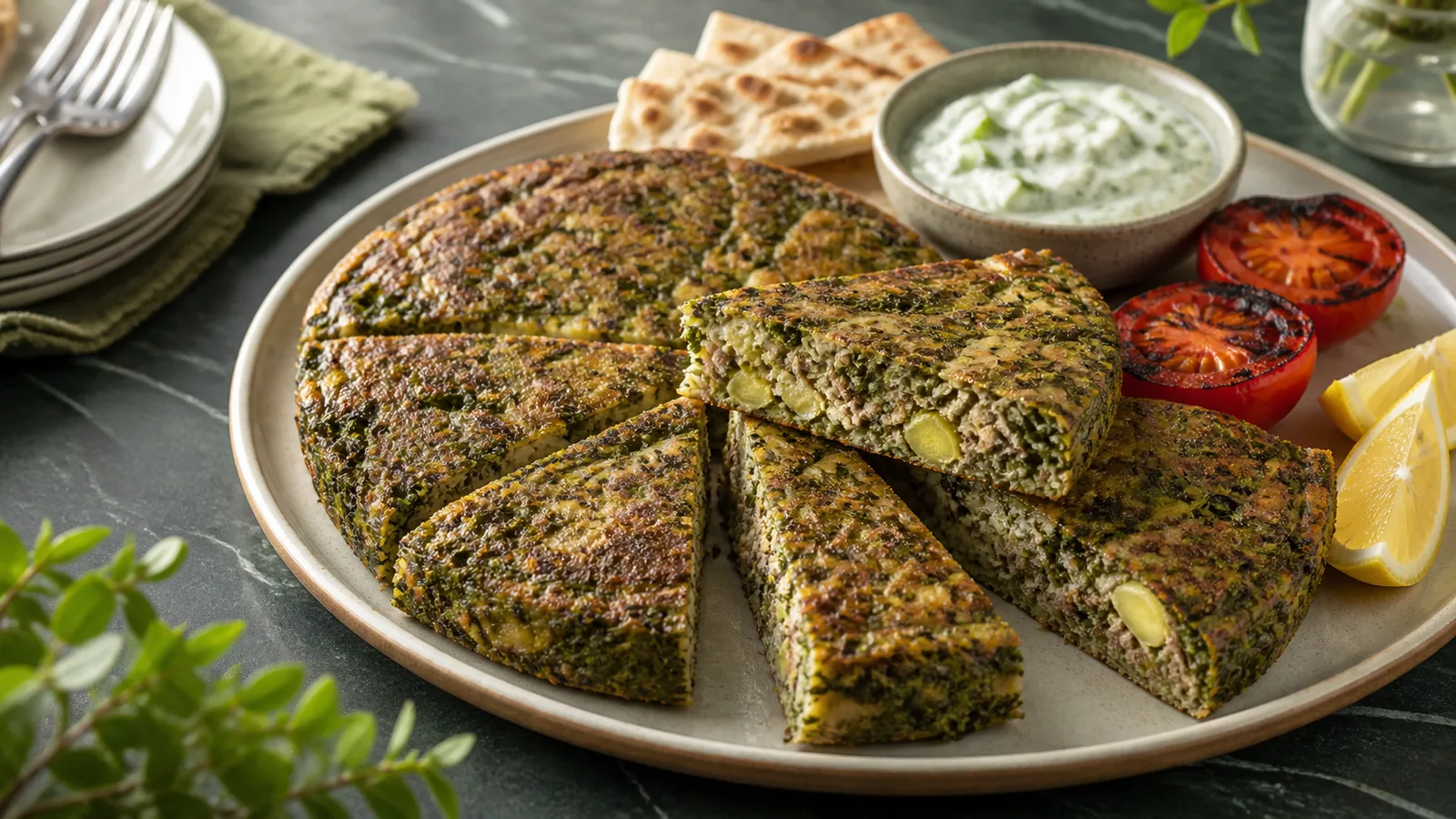
kuku meat vegetables Saffron Recipe is a substantial Persian-style herb kuku made with minced meat, potato, eggs, walnuts, Parmesan and saffron. You can cook it as one shallow round and cut it into wedges, or spoon the mixture into the pan as small patties. This version keeps the original ingredients but replaces mistranslated and unsafe instructions with a clear method.
Recipe at a glance
- Preparation: about 45 minutes, plus optional chilling
- Cooking: about 20 minutes, depending on thickness
- Style: one large pan kuku or individual meat-and-herb patties
Ingredients
- 300 g minced meat
- 100–150 g mixed kuku herbs: chives, parsley, coriander (cilantro), mint and fenugreek, cleaned and finely chopped
- 4 garlic cloves, finely grated or crushed
- Finely grated zest of 2 unwaxed lemons
- 1 onion, grated and squeezed to remove excess liquid
- 1 medium potato, cooked, cooled and grated
- 100 g Parmesan, finely grated
- Fresh breadcrumbs from 1 slice of toast or a small piece of burger bun
- 50 g walnuts, finely chopped
- 5–6 medium eggs
- 1 teaspoon baking powder
- 1 tablespoon milk
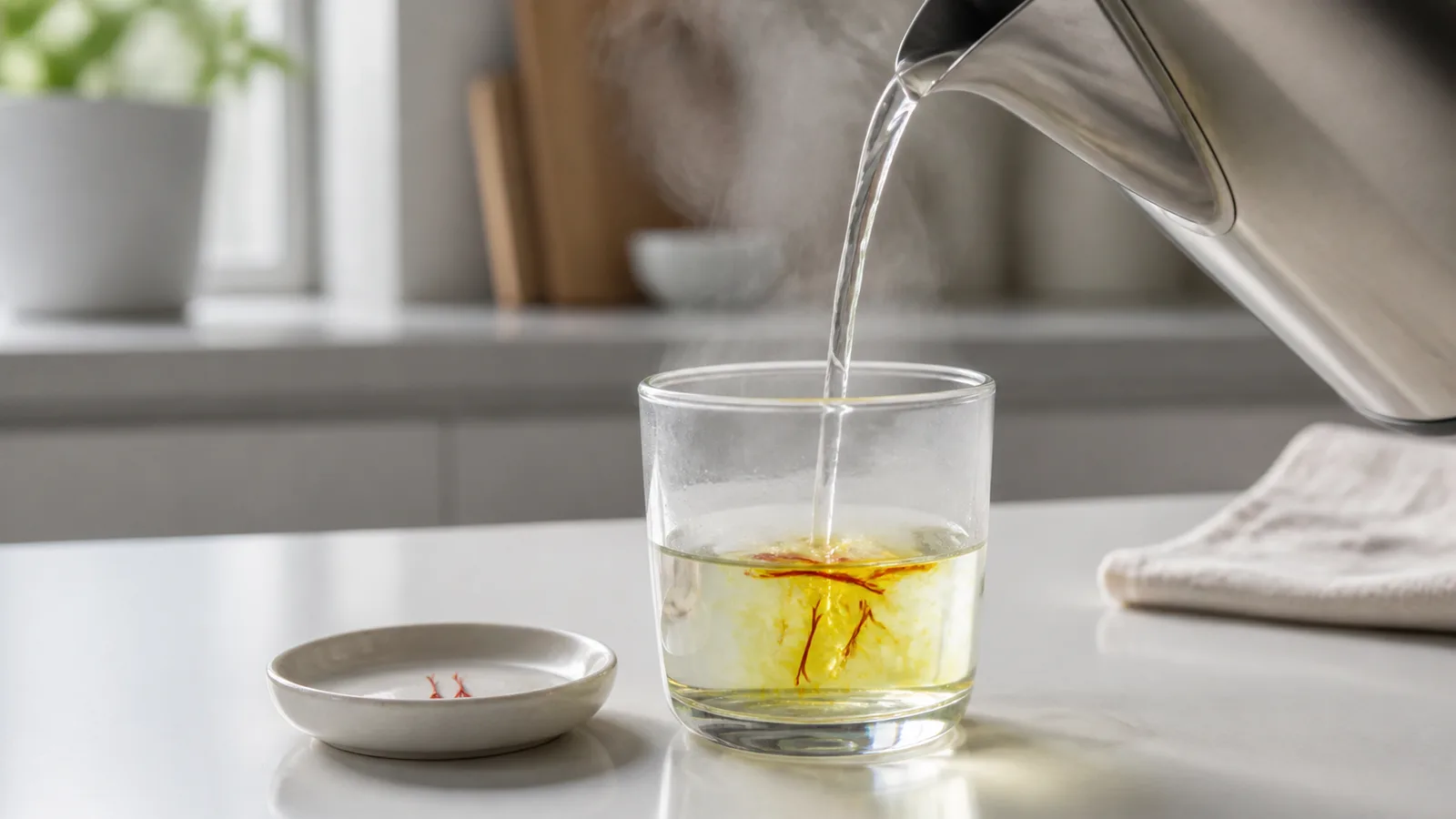
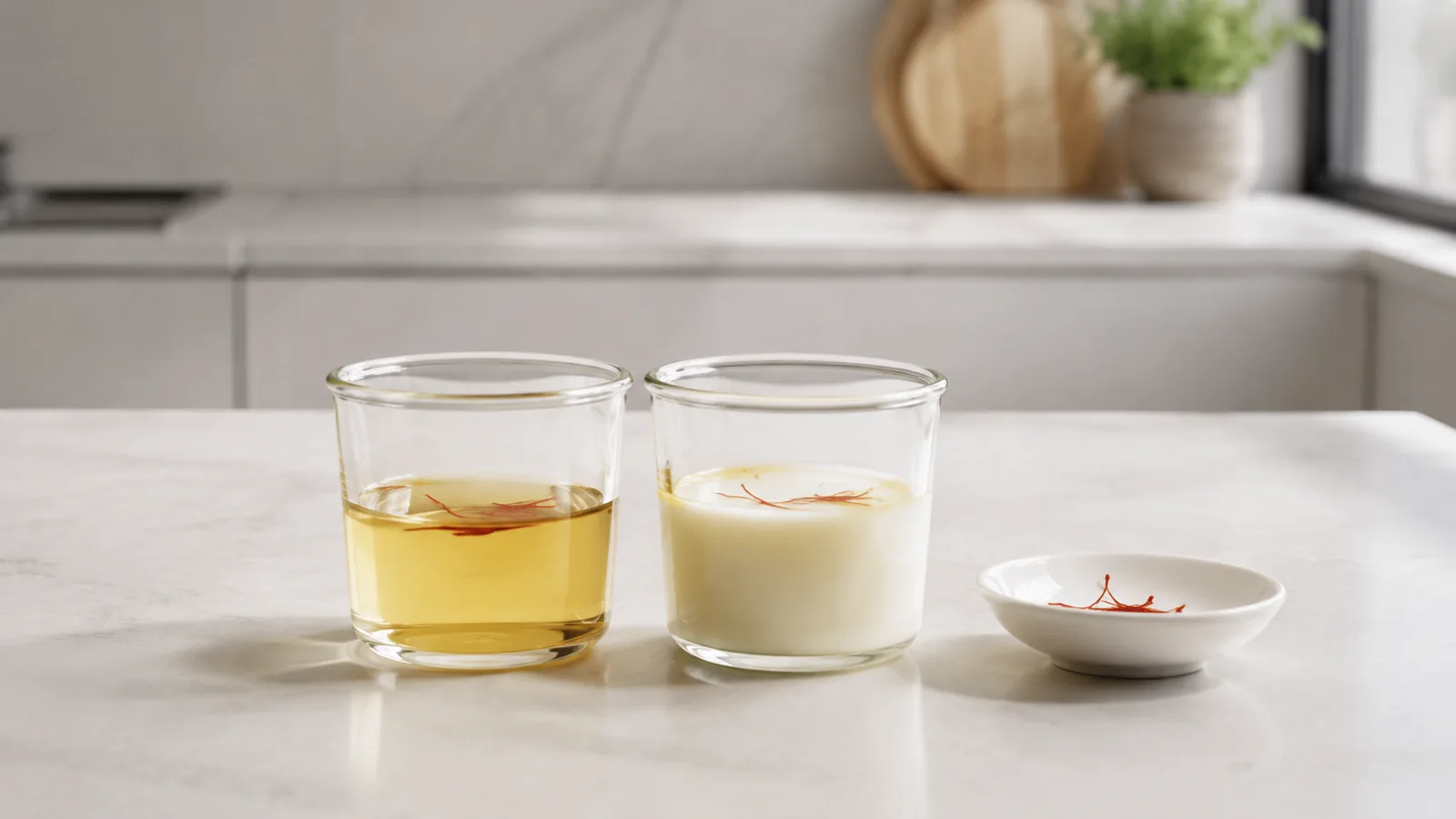
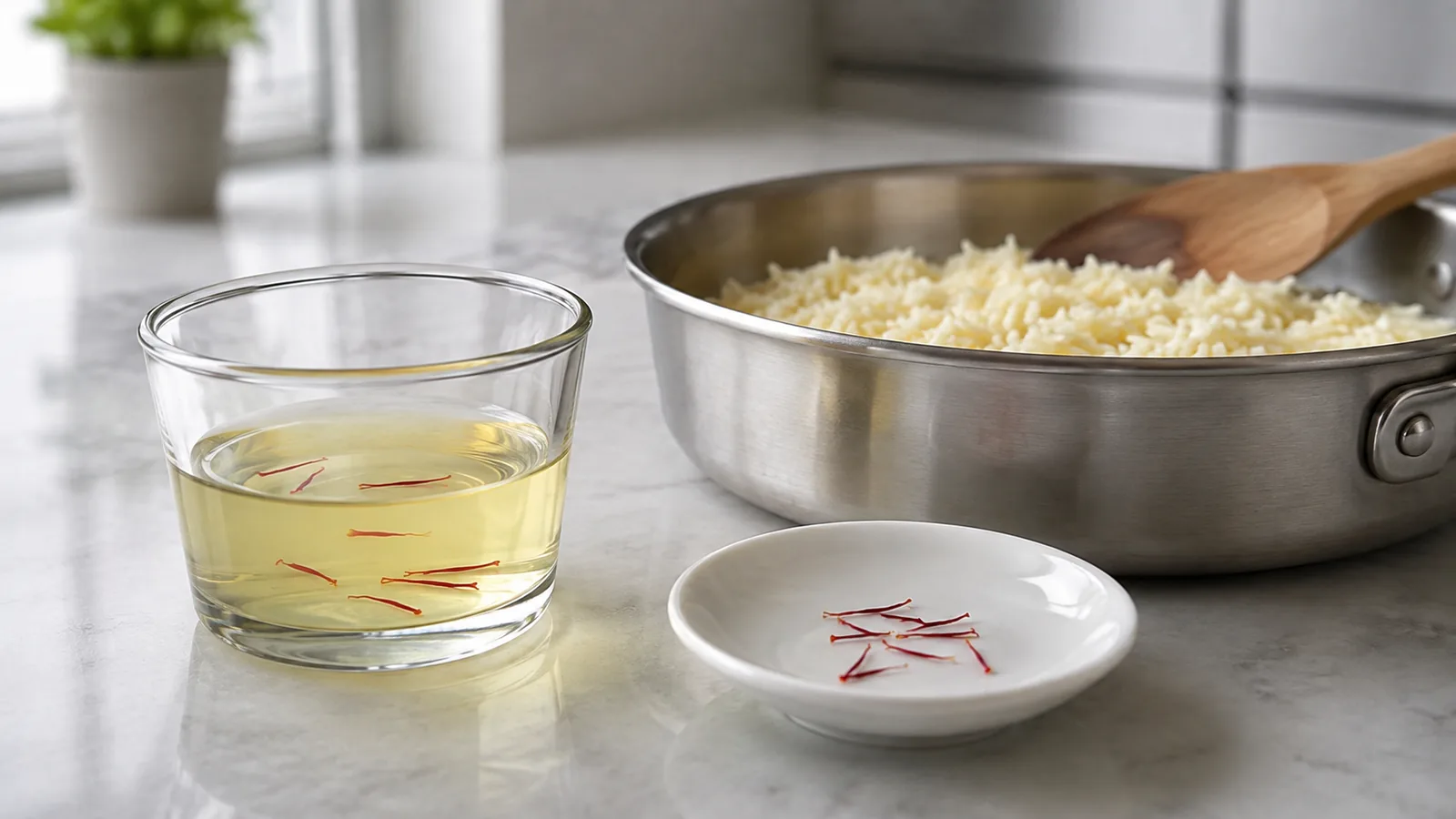
- ¼ teaspoon ground saffron
- ½ teaspoon turmeric
- ½ teaspoon mustard powder or mustard sauce
- Salt and black pepper, to taste
- 2 tablespoons barberries, optional
- Neutral cooking oil, for the pan
The old ingredient list called for “4 pcs” of garlic, “1 spoon” of milk and one piece of bread. Four cloves, 1 tablespoon and one slice are practical readings. Use only the coloured outer lemon zest; the white pith can make the kuku bitter.
Prepare the herb and meat mixture
- Wash the herbs thoroughly and dry them well before chopping. Excess water makes the kuku loose and encourages splattering.
- Combine the minced meat, chopped herbs, garlic, grated potato, squeezed onion, walnuts, breadcrumbs, Parmesan, saffron, turmeric and mustard in a large bowl.
- Cover and chill for at least 30 minutes. The original recipe allowed several hours or even overnight. If preparing it the day before, keep it continuously refrigerated and add the eggs only when you are ready to cook.
Finish the kuku batter
In a separate large bowl, beat five eggs until the whites and yolks are fully blended. Add the lemon zest, milk, baking powder, salt and black pepper. Stir in the chilled meat-and-herb mixture.
The batter should hold together without flowing like soup. If it seems too stiff for all the ingredients to be evenly coated, beat the sixth egg and mix it in. Fold in up to 2 tablespoons of rinsed, well-drained barberries if using them. The old line about adding “cherries and eggs” appears to be a damaged reference to this optional barberry step.
Method 1: cook one large kuku
- Choose a wide non-stick frying pan so the mixture forms a relatively thin layer. Add enough oil to coat the base and heat it over medium heat.
- Pour in the batter and spread it evenly. Let the underside set and colour without moving the pan constantly.
- Lower the heat, cover with a proper pan lid for the first part of cooking and let the centre firm.
- Cut the kuku into wedges in the pan, or slide it onto a plate and invert it carefully. Add a little oil if the pan is dry, then cook the second side uncovered.
- Continue until both sides are browned and the centre reaches at least 71°C (160°F), the safe minimum for dishes made with ground meat.
The source suggested covering the pan with a sheet of “A4 paper.” Do not put office paper over a hot pan. The intended instruction was probably a lid or another heat-safe cover.
Method 2: fry individual kuku patties
For smaller portions, drop heaped spoonfuls into a lightly oiled pan and flatten them to an even thickness. Cook over medium heat until the first side is browned and releases easily, then turn once and finish over medium-low heat.
Do not crowd the pan. Small patties are easier to turn and give more crisp edge, but the minced-meat centre still needs to reach 71°C. Transfer cooked pieces to a rack or absorbent kitchen paper so excess oil can drain.
Heat control and turning
The original method moved from hot oil to moderate and then lower heat. That sequence makes sense: the initial heat sets the outside, while gentler heat cooks the egg, potato and meat through without burning the herbs.
Turn only after the base is firm. Trying too early is the main reason a large kuku breaks. Keeping the layer relatively thin also shortens the distance heat must travel to the centre.
Why each binder is in the recipe
The eggs are the main binder. Cooked potato and breadcrumbs absorb moisture, while Parmesan and walnuts add body and flavour. The tablespoon of milk helps disperse the baking powder before it enters the egg mixture; the original recipe associated it with a kuku that holds together more evenly.
These ingredients cannot compensate for a wet onion or dripping herbs. Squeezing the onion and drying the greens are more important than adding extra flour, which is not part of this recipe.
How to avoid bitterness
Use finely grated yellow lemon zest and stop before reaching the white pith. Keep the heat low enough that the herbs, walnuts and saffron do not scorch. Burnt greens and over-browned walnuts will taste bitter even if the centre is correctly seasoned.
Ground saffron disperses directly in this moist batter, but it should be measured. More than the stated ¼ teaspoon is not automatically better and can overpower the herbs.
Serving suggestions
Serve the meat and vegetable kuku hot or warm with fried or grilled tomato slices. A bowl of plain yogurt with chopped cucumber makes the fresh side dish intended by the source’s awkward phrase, “there is no suggestion for a cup of yogurt and a cucumber.”
Add flatbread, lemon wedges and a simple salad if serving the kuku as a main meal. Barberries give occasional tartness, so use them sparingly rather than turning the whole mixture sweet-sour.
Food-safety note
Raw minced meat and egg mixture must remain refrigerated until cooking. Wash hands, tools and surfaces after contact with it. The USDA Food Safety and Inspection Service sets 160°F (71.1°C) as the safe minimum internal temperature for ground meats; check the thickest part with a food thermometer rather than judging only by surface colour. See the official USDA meat-cooking guidance.
Recipe basis
Every core ingredient, the 45-minute preparation and 20-minute cooking estimates, advance chilling, two frying formats, moderate-to-low heat, turning, draining, tomatoes, cucumber yogurt and optional two tablespoons of barberries come from the original recipe. The rewrite clarifies mistranslations, rejects the A4-paper instruction and adds the ground-meat temperature needed to make the dish usable safely.