Is Saffron Safe for Kidneys? Exploring Its Health Effects
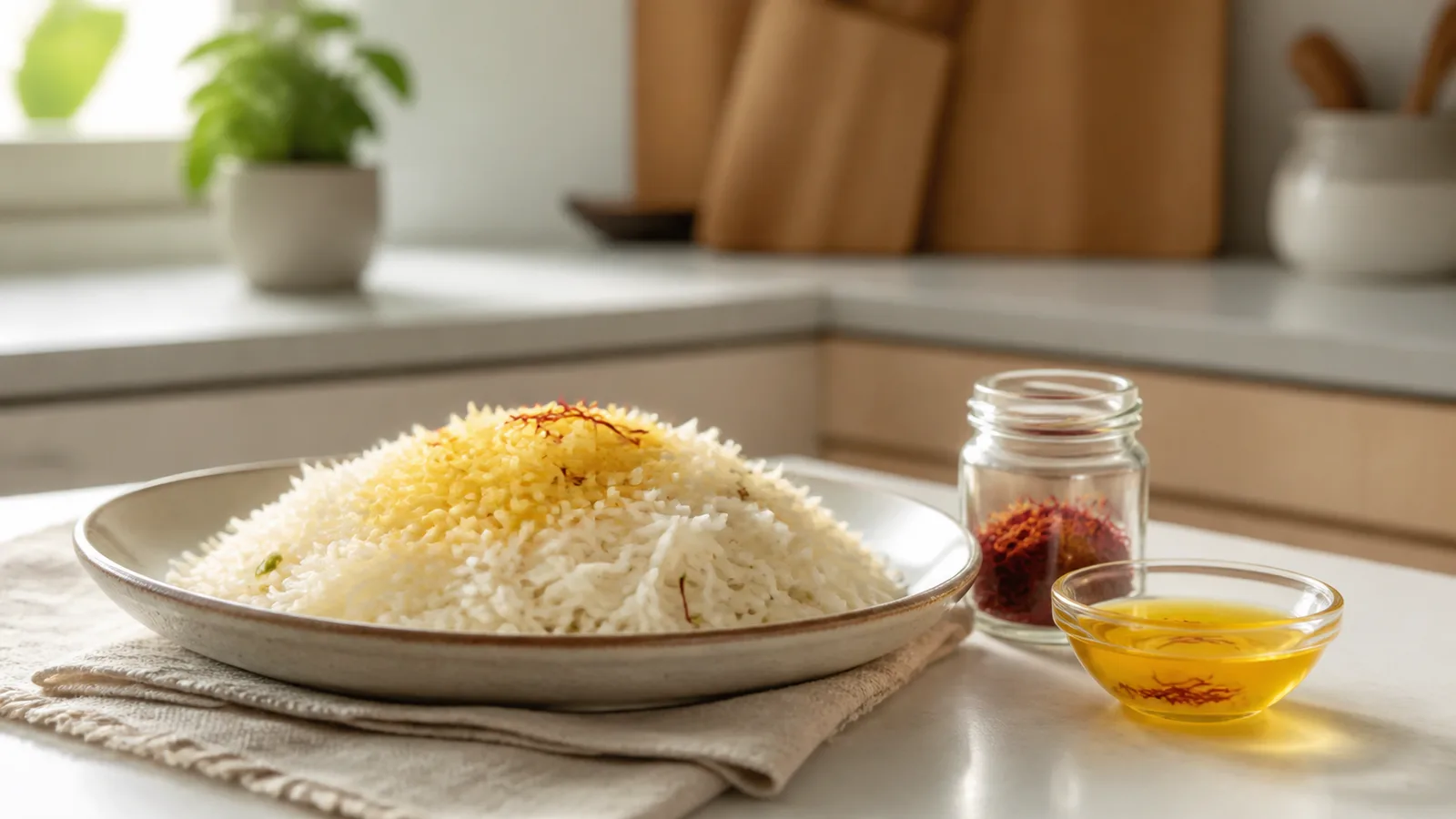
A small amount of saffron used to flavour food is not known as a common cause of kidney injury in most people. That does not prove that saffron protects the kidneys, lowers creatinine or is suitable as a concentrated supplement for someone with chronic kidney disease. Product form, kidney function, medicines and the reason for using it all matter.
The ten historical clicks for this page are query-hidden, so the complete existing title, meta description and kidney topic need protection. The most useful clarification is the difference between culinary saffron and a supplement promoted for “renal health.” They should not be treated as the same exposure or held to the same evidence standard.
Is saffron good for kidneys? Search shorthand such as “saffron good for kidneys” asks the same thing. Current clinical reviews do not show a dependable improvement in renal function.
Saffron and Kidney Health: Potential Benefits
Animal and laboratory studies have explored crocin, crocetin, safranal and saffron extracts in models of oxidative stress or kidney injury. Those experiments can suggest mechanisms for further study. They do not show that eating saffron prevents chronic kidney disease, repairs damaged kidneys or improves filtration in people.
Human evidence does not support a kidney-benefit promise. A 2022 systematic review and meta-analysis of nine randomised trials found no significant effect of saffron supplementation on serum urea or creatinine, with substantial heterogeneity. The authors concluded that further trials were needed to determine the actual effect and safety.
Searches for “saffron benefits for kidney health” or “saffron for kidney health” should therefore be read as research questions, not established benefits. The broader saffron kidney evidence remains too limited for treatment claims.
A separate 2025 GRADE-assessed review in diabetes and prediabetes likewise reported no significant effect on renal function. Its observed changes in some non-renal measures were not considered clinically important. These results do not support selling saffron as kidney treatment.
Is saffron good for creatinine?
Creatinine is used with age, sex and other information to estimate kidney filtration; it is not a toxin that a spice simply washes away. A change can reflect kidney function, hydration, muscle mass, diet, medicines and laboratory variation. Saffron has not been shown to reliably lower creatinine or improve estimated glomerular filtration rate.
If creatinine is higher than expected, the useful next step is to understand the result and trend with a clinician. Do not take a saffron extract before a repeat test in the hope of changing the number, and do not delay assessment of a rising result.
Potential Risks: Saffron and Kidney Function
Is saffron a diuretic? The old article said that it is and that it strains the kidneys. Human evidence is not strong enough to present either as a predictable effect of ordinary saffron use. Increased urination can have many causes, and a food spice should not be described as a proven diuretic without suitable clinical evidence.
The real supplement risks are broader. Concentrated products may supply a different exposure from food, contain several active ingredients, interact with medicines, or be contaminated or incorrectly labelled. Vomiting or diarrhoea after any supplement can lead to dehydration, which matters more when kidney function is already reduced.
Do not use several-gram quantities or an unknown extract as a home experiment. A 2026 systematic review of saffron adverse events found single-ingredient preparations generally tolerated in clinical trials, while adverse effects still occurred and were most often gastrointestinal. Higher-dose or prolonged medicinal use warranted closer monitoring.
Is Saffron Safe for Individuals with Kidney Disease?
Chronic kidney disease changes how a supplement decision should be made. Reduced filtration, dialysis, fluid or electrolyte restrictions, transplantation and multiple medicines can each alter the context. A product that seems harmless to a healthy adult may be unsuitable because of another ingredient or interaction.
The National Kidney Foundation’s guidance on herbal supplements and kidney disease explains that safety and purity can be uncertain and that supplements may interact with medicines or contain contaminants. It recommends discussing herbal products with the kidney-care team.
A normally seasoned meal may be acceptable for many people with kidney disease, but the answer depends on the overall dish as well. Sodium, potassium, phosphorus, fluid, sugar and portion size may be more important to the prescribed diet than the few saffron threads. Follow the individual renal diet rather than a generic “kidney-friendly spice” list.
Is saffron bad for kidneys?
It is not accurate to label all saffron harmful to the kidneys. It is equally inaccurate to guarantee that every extract is safe. The question becomes more specific: what product, how much, how often, for whom, and alongside which medicines?
Keep the package, full ingredient panel and lot number. Whole culinary threads are easier to inspect than an unknown powder. Avoid material that is damp, mouldy, insect-damaged, chemically scented or inconsistent with the label.
Kidney warning signs should not be managed with saffron
Seek medical advice for a sustained change in urination, blood in the urine, new swelling, persistent flank pain, repeated vomiting, unexplained shortness of breath, marked fatigue, confusion or a concerning change in blood tests. These symptoms have many possible causes and cannot be diagnosed from a saffron article.
Very little urine, severe breathlessness, confusion, fainting, intense pain or rapidly worsening illness requires urgent care. Stop a suspect supplement and take its label with you. Do not try to “flush” the kidneys with saffron water or another herbal product.
Consulting a Healthcare Provider About Saffron and Kidneys
Ask whether the exact food amount or supplement fits your kidney function, medicines and treatment plan. Bring the container. Mention over-the-counter pain relievers, vitamins, herbal mixtures and products bought online as well as prescriptions.
The FDA advises consumers to review supplements alongside medicines because combinations can change intended or unwanted effects. Do not stop a prescribed medicine or alter dialysis, fluid or diet instructions in order to use saffron.
Conclusion
Is saffron safe for kidneys? A modest culinary use is not known as a common kidney hazard for most people, but saffron is not a proven kidney protector and has not reliably improved creatinine in clinical reviews. Concentrated products need a more careful, product-specific decision.
If you have kidney disease, abnormal tests or a complex medicine regimen, involve the kidney-care team before taking an extract. Use saffron in food for flavour when it fits your diet; do not use it to treat a kidney result or symptom.