
 Iranian Saffron Exported Under Spanish Brand
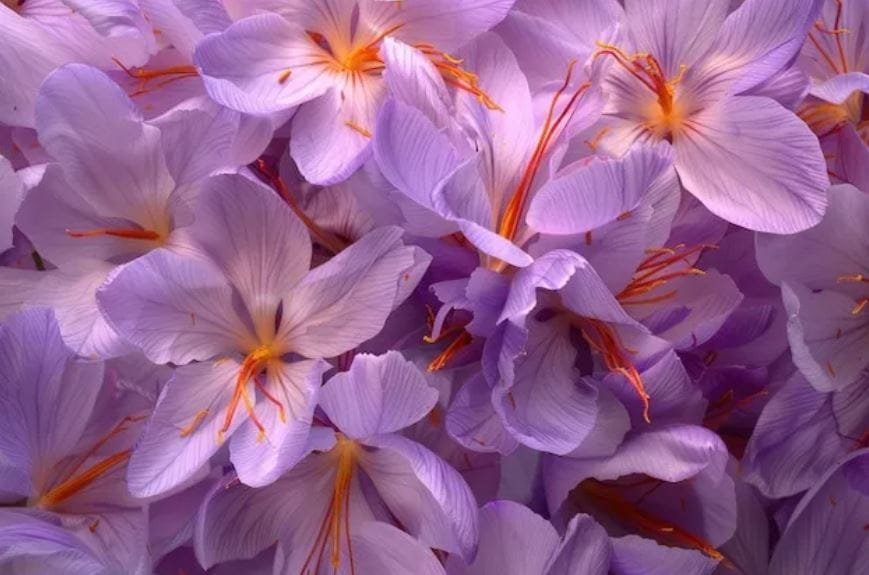
Iranian saffron trade : Spain is known as one of the largest exporters of saffron worldwide. However, the country only recently started cultivating saffron, while Iran has long supplied saffron that is exported from Spain and marketed as a Spanish product in global markets.
According to Ekongar, as reported by ILNA, a member of the Iran-Spain Joint Chamber of Commerce stated that although Spain is a major exporter of saffron, it only began cultivating this spice recently. For years, Iran has supplied saffron that Spain exports internationally under a Spanish label.
Saffron Industry Dynamics in Spain
Iranian saffron trade : Mohammad Hassan Didevar, a member of the Iran-Spain Joint Chamber of Commerce, provided an update on trade between the two countries. He mentioned that although trade volume hasn’t significantly increased compared to the previous year, the rise in the value of the Euro has boosted the trade’s overall value. However, embassies should provide precise statistics, which they have not yet delivered, making it difficult for merchants to access accurate trade figures.
One of the major challenges in trade with Spain is the lack of banking transactions, which complicates financial dealings. Currently, some Iranians in Spain have purchased property and received residency permits, but they can’t open bank accounts for daily transactions. While cash payments are possible in Spain, Iranians still can’t open accounts to carry out such payments.
Banking and Financial Barriers
Iranian saffron trade : Despite these hurdles, Didevar noted that the rejection of Iranian products in Spain has decreased significantly, thanks to the improved quality of Iranian goods. However, the financial barriers continue to threaten the presence of Iranian goods in the Spanish market. Interestingly, Afghan traders have performed better in this market than Iranians due to Spanish policies allowing them to open accounts, which significantly benefits their trade.
The challenges faced by Iranian traders, especially in Europe and other regions, require them to adopt strategies to circumvent sanctions. Their financial transactions often go through exchange offices in African and Arab countries, a process that increases the cost and risk of trade. Nonetheless, Iranian businesses have persisted despite these difficulties, but the path to success remains arduous.
Saffron’s Role in Iranian Trade
Saffron, along with pistachios and dried fruits, continues to be one of Iran’s most important exports to Spain. Petrochemical products also make up a significant portion of this export. Iran also exports ceramics and tiles to Spain. However, Afghan carpets, despite lacking the quality of Iranian ones, have seized a portion of the market by being more affordable than Iranian carpets.
The Role of Saffron in Iranian Exports
Iranian saffron trade :The challenges extend to the efforts of Iranian diplomats in Spain, who could be more proactive in boosting Iranian trade. Iran’s saffron, for example, remains highly sought after on a global scale. Despite this, some Iranian saffron brands have taken on Spanish branding, further muddying the waters in terms of market dynamics. This shift was driven by the entry of Afghan traders into the Spanish market. One prominent Iranian saffron brand in Mashhad established a large presence in Spain, selling Iranian saffron under a locally-based brand name. However, this brand eventually moved to Canada due to the growing presence of Afghan traders in Spain’s market.
Impact of Sanctions on Iran-Spain Trade
In terms of cooperation between Iranians and Spaniards to develop Iranian rail lines, Didevar believes such collaboration is unlikely at present. With the severe restrictions imposed on direct flights between Iran and European countries like Spain, companies like Emirates and Turkish Airlines have raised their ticket prices by 20%, further complicating trade prospects and communications between the two countries.
The Path Forward for Saffron Trade
Iranian saffron trade : Despite the challenges faced by Iranian saffron in Spain, the prospect of Iranian saffron achieving a significant international presence remains promising. The current situation highlights the resilience of Iranian entrepreneurs, especially in the saffron sector. While challenges remain, including competing markets and ongoing geopolitical struggles, the journey for Iranian saffron in global markets continues to hold promise.
Looking Toward a Stronger Future
Ultimately, the Iranian saffron industry’s ability to adapt, innovate, and circumvent obstacles remains a key factor in its continued success. Despite global challenges and competition, Iranian saffron remains a vital product in trade with Spain and other parts of the world.
Conclusion: Saffron’s Continued Prominence in Global Trade
As the landscape of international trade evolves, Iranian traders and saffron exporters are adapting their approaches. While Spain remains a pivotal market for Iranian saffron, it’s clear that Iranian entrepreneurs are resilient. With the right adjustments, they will continue to thrive in the global market.

![Exporting Saffron to Turkey + Price Guide [Complete 0 to 100]](https://www.rowhanisaffron.com/wp-content/uploads/f1-372-500x383.jpg)



Get Social