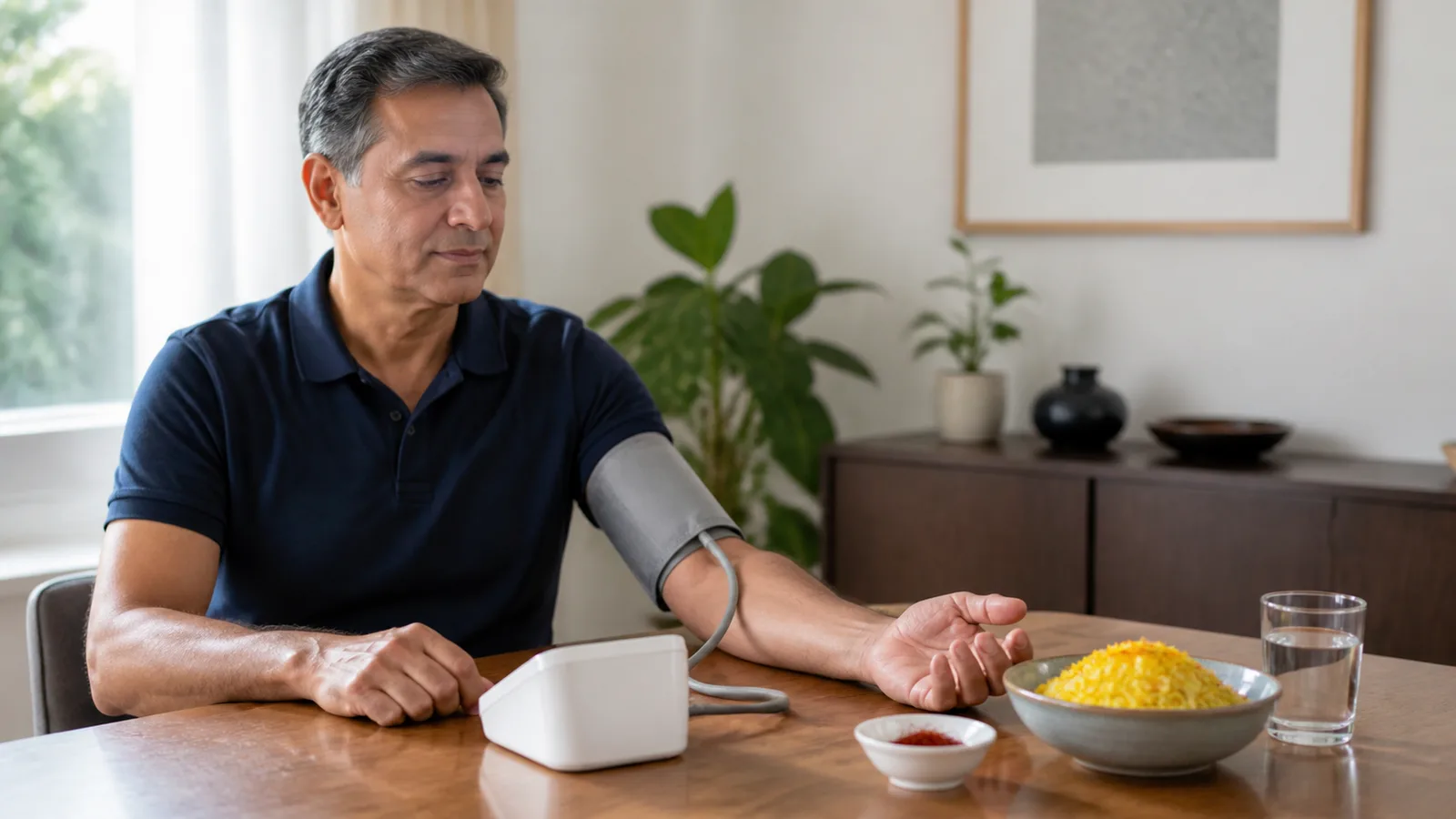
Do not use saffron as a replacement for blood-pressure medicine. Meta-analyses of short supplement trials report small average reductions in blood pressure in some groups, but the studies vary in product, dose, health condition and quality. They do not prove that saffron tea can control hypertension or prevent a heart attack or stroke.
That is the essential answer to how to use saffron for lowering blood pressure: enjoy it in food if it suits you, and treat any concentrated extract as a supplement that needs a medicine and safety check. Keep measuring blood pressure as advised, and do not reduce or stop treatment because a reading improves.
Does saffron lower blood pressure?
A systematic review and dose-response meta-analysis of randomized trials found modest average changes in systolic and diastolic blood pressure with saffron supplementation. Later reviews in people with metabolic or glucose-related conditions also reported reductions in some analyses. The size of the effect, study limitations and differences between products make the result uncertain for any individual.
These were supplement studies, not proof that a few strands in a cup produce the same effect. A measured extract may be standardized for selected compounds. A home tea varies with the threads, storage, amount and preparation, while a culinary pinch is chosen for flavour rather than pharmacological consistency.
So the saffron effect on blood pressure is best described as a research signal. It is not an established treatment plan. Hypertension often causes no symptoms, which is why feeling calmer after a drink cannot tell you whether pressure is controlled.
Does saffron raise blood pressure?
Clinical research does not suggest that saffron routinely raises blood pressure. Individual reactions still matter, and a supplement can contain ingredients other than saffron. Stimulants, liquorice, high sodium, decongestants or an inaccurate label may be more relevant to an unexpected rise.
If readings change after starting any supplement, record the product, time and repeat measurements rather than guessing. Persistent high or unusually low readings should be discussed with a clinician. Dizziness, faintness or falls can matter just as much as a high number, particularly in older adults.
Saffron and blood pressure medication
Saffron and blood pressure medication may have additive effects, meaning pressure could fall more than intended. Evidence for specific interactions is incomplete, so absence from an interaction checker is not proof of safety. The exact extract, dose, other ingredients and full medicine list all matter.
Before using a capsule or daily concentrated drink, show the label to a pharmacist or prescriber. This is especially important when taking several antihypertensives, diuretics, anticoagulants or antiplatelet medicines, diabetes treatment, antidepressants or sedatives. Pregnancy, kidney or liver disease, upcoming surgery and a history of fainting also change the risk discussion.
Never skip a dose of prescribed medicine to “make room” for saffron. If treatment seems to cause low readings or side effects, the prescriber can adjust it safely using a pattern of reliable measurements.
Saffron for high blood pressure: food versus supplements
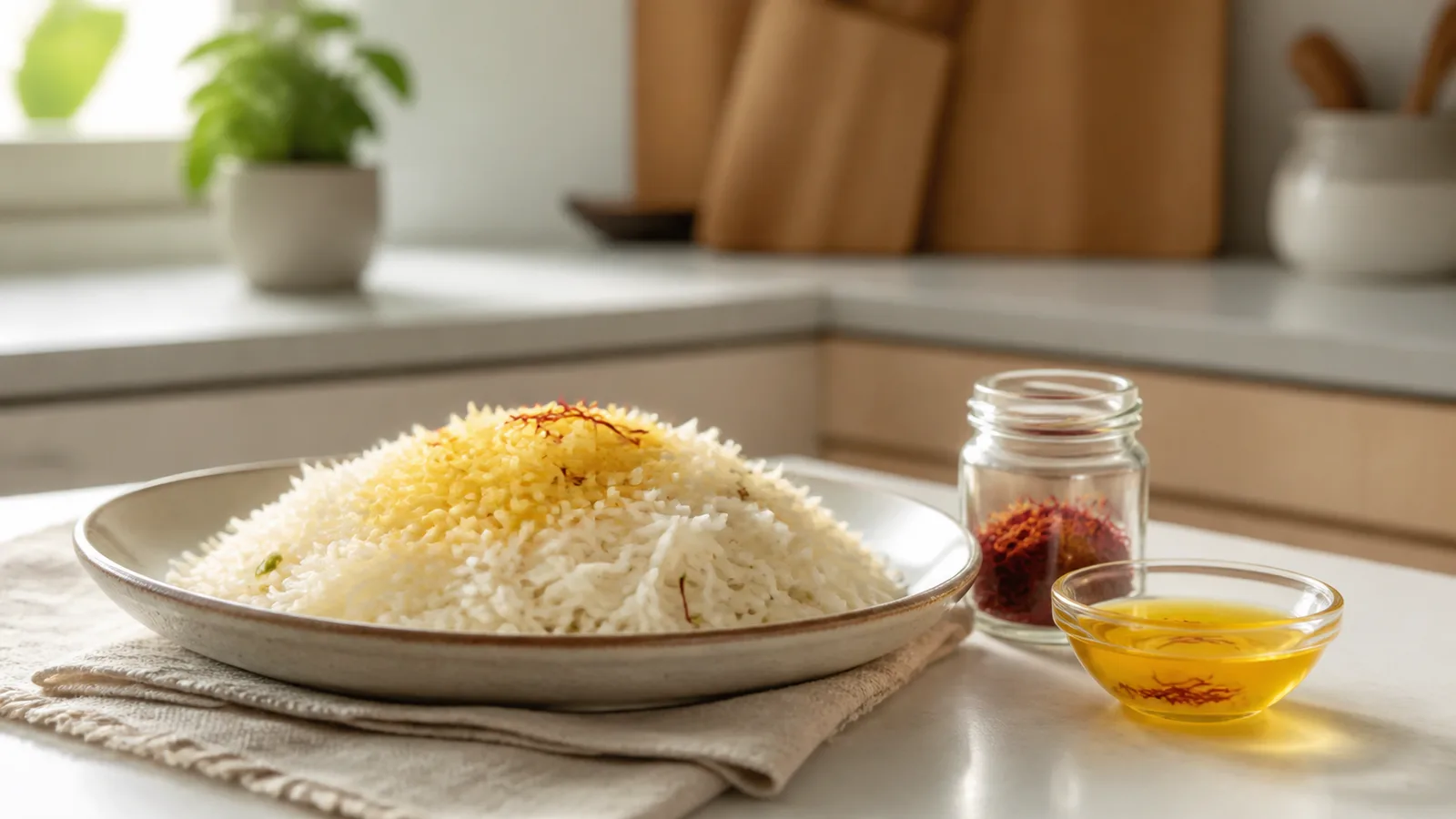
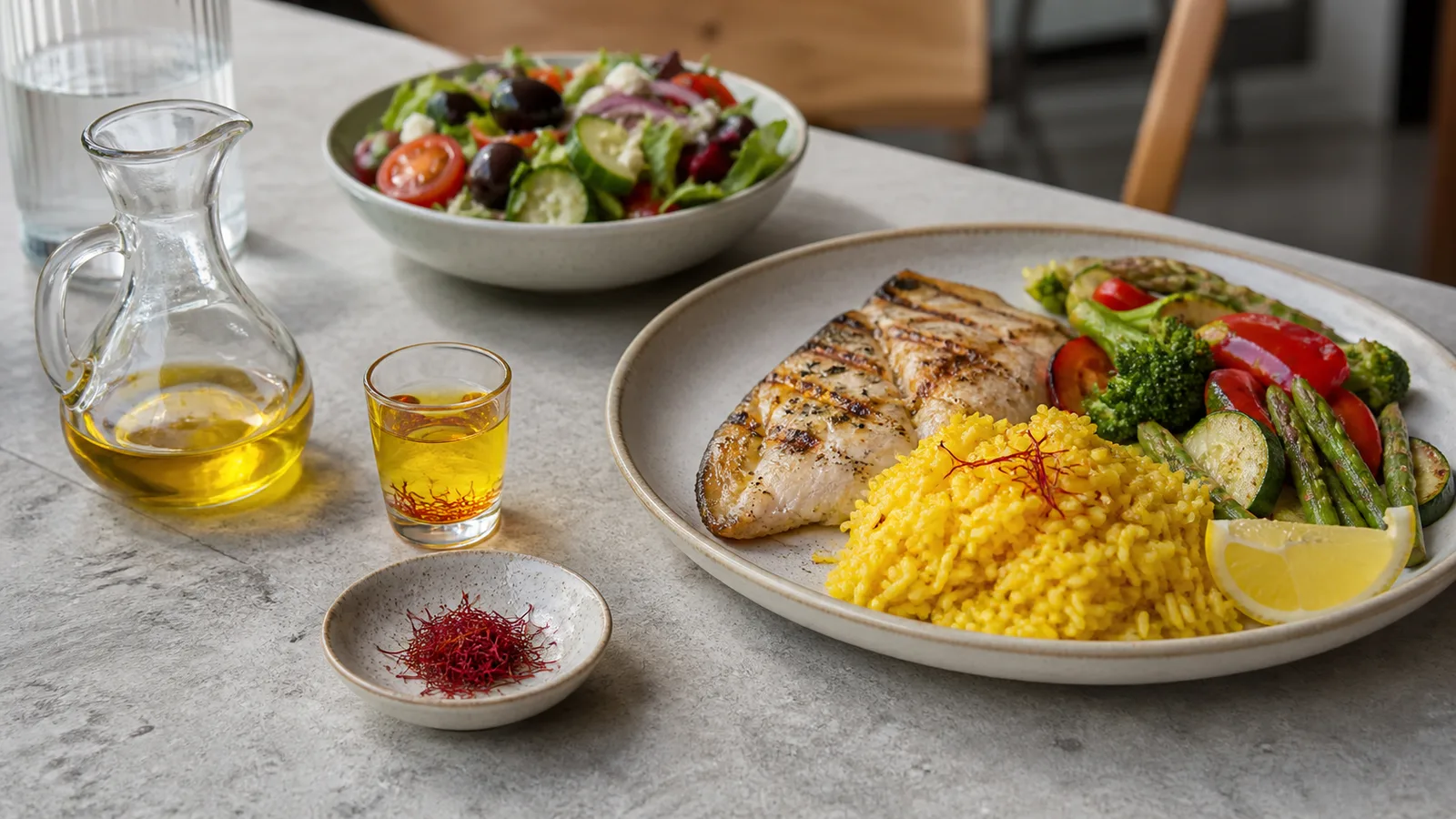
In food, gently crush a small pinch of whole threads, steep them in warm water, then add the infusion to rice, vegetables, fish, soup or another dish. This is a culinary method, not a blood-pressure dose. The old recommendation to consume as much as 1–2 grams every day has been removed because it is far beyond normal flavouring use and was presented without a safe clinical basis.
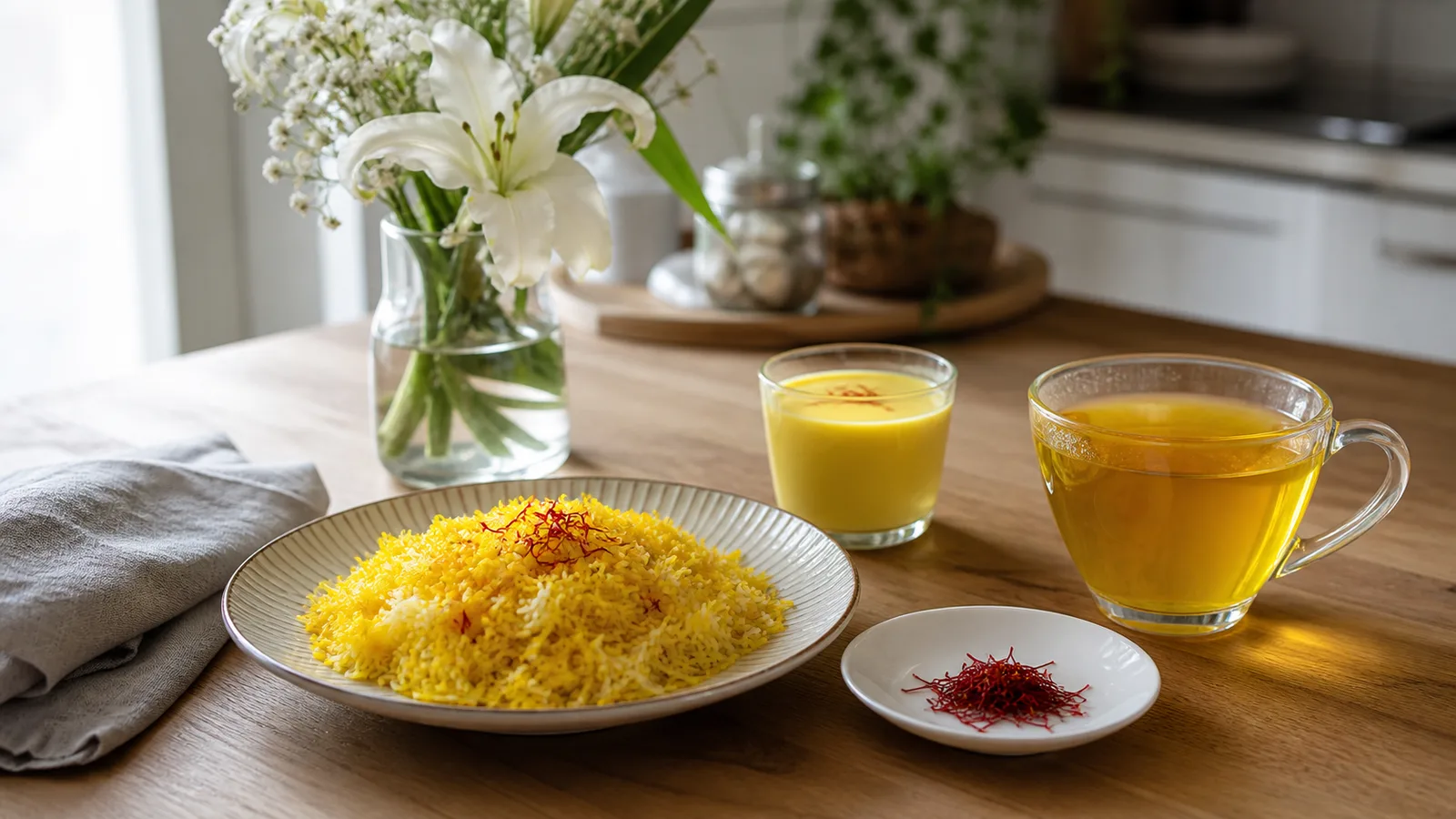
Saffron tea can be prepared with a few threads for taste and aroma. Avoid turning it into a heavily sweetened drink if blood sugar, weight or cardiovascular risk is a concern. Adding honey does not make a supplement interaction disappear.
For saffron for blood pressure research, trial preparations should not be copied from a summary. A study’s eligibility criteria, standardized product, monitoring and exclusion rules are part of the intervention. Buying a product with the same number on the label does not recreate that supervision.
How to measure blood pressure before judging an effect
Use a validated upper-arm monitor with the correct cuff size. Avoid exercise, smoking and caffeine for about 30 minutes beforehand; empty the bladder, sit quietly, support the back and feet, and keep the cuffed arm at heart level. Take readings at consistent times and follow the schedule provided by the healthcare team.
One result can be distorted by talking, pain, stress, a full bladder, the wrong cuff or poor arm position. A written or digital log is more useful than remembering the highest or lowest number. The American Heart Association’s home-monitoring guidance explains technique and why medication should not be stopped from home readings alone.
What helps lower blood pressure reliably?
The strongest plan is individual, but it commonly includes taking prescribed medicine consistently, reducing excess sodium, eating a varied diet rich in vegetables and other appropriate foods, being physically active as health allows, limiting alcohol, not smoking, sleeping adequately and addressing sleep apnoea where relevant.
Saffron can flavour food without adding salt. That may be its most practical role in a blood-pressure-conscious kitchen: it contributes colour and aroma to a dish that still needs sensible ingredients and portions. It does not cancel a high-sodium meal or replace the rest of the plan.
Antioxidant and anti-inflammatory claims
Crocin-family compounds and other saffron constituents show antioxidant or anti-inflammatory activity in experimental systems. Statements that they “relax blood vessels,” neutralize the cause of hypertension or protect the whole circulatory system go further than current clinical evidence.
Hypertension has many contributors, including genetics, kidney function, hormones, vascular changes, medicines, sleep and lifestyle. Oxidative stress is part of research into those pathways; it is not a single toxin that saffron removes.
Other claimed benefits do not prove blood-pressure control
Saffron extracts have been studied for depression and anxiety symptoms, but a calmer mood does not demonstrate controlled pressure. Likewise, saffron is not rich enough in vitamin C at culinary amounts to establish immune system support, and there is not adequate clinical evidence that it improves skin health by rejuvenating collagen, treats UV damage, relieves asthma or prevents respiratory disease.
Those claims were common in the old article, so their subjects remain visible here with the correction attached. A benefit in one condition cannot be borrowed as evidence for another.
When a blood-pressure reading needs urgent action
If a reading is extremely high, sit quietly and repeat it according to the monitor instructions. A repeated reading of 180/120 mm Hg or higher needs prompt professional guidance. If it occurs with chest pain, shortness of breath, weakness, numbness, difficulty speaking, severe headache, confusion, vision change or another alarming symptom, call emergency services.
Fainting, severe dizziness, a fall, new confusion or signs of an allergic reaction after a supplement also warrant timely care. Do not try to correct an emergency reading with saffron, extra medicine or another home remedy unless an emergency clinician directs it.
The bottom line on saffron blood pressure claims
Saffron blood pressure research suggests a possible modest effect from some supplements, not a dependable result from food or tea. The article title asks how to use saffron for lowering blood pressure; the safest answer is to use culinary saffron for flavour, not as a substitute prescription.
Keep the proven treatment plan, measure correctly and ask a pharmacist or clinician before adding a concentrated product. That approach protects against both uncontrolled hypertension and pressure that falls too low.