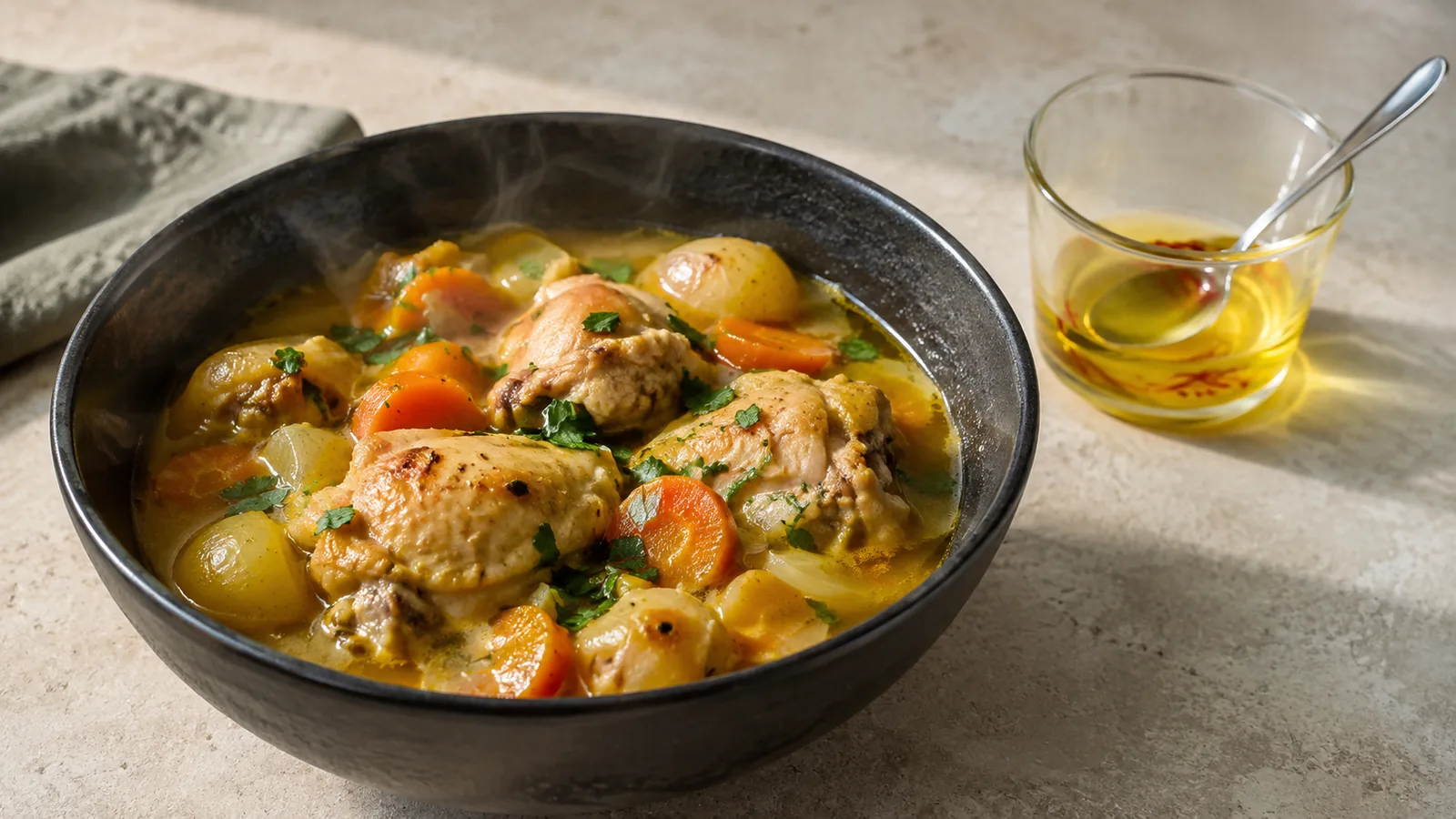
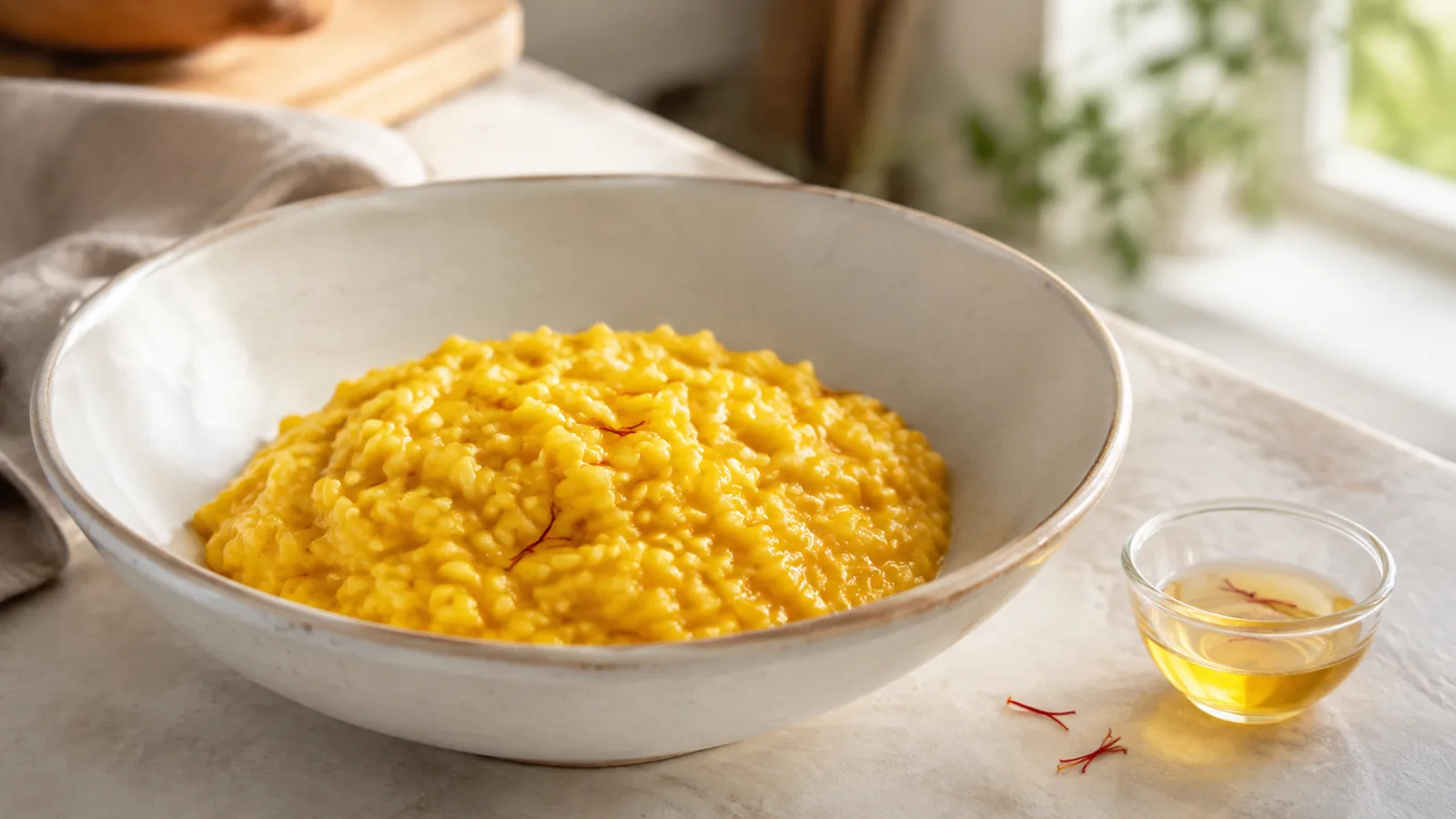
This Halva Saffron Shiraz Recipe makes a soft, milk-based dessert thickened with rice flour and starch, then scented with rosewater and saffron. Unlike a dry, toasted-flour halva, Shirazi tar halva is poured into a dish and allowed to set before serving.
It is smooth enough to eat with a spoon while warm and becomes firm enough to cut after chilling. Steady stirring is the main technique: it cooks out the raw flour taste and keeps the milk mixture free of lumps.
Halva Shirazi ingredients
- 1 cup rice flour
- 1 cup wheat starch or cornstarch
- 1 cup cold water
- 2 litres whole milk, cold
- 2 cups sugar
- 1/2 cup rosewater
- 2 tablespoons concentrated saffron infusion
- 3 tablespoons neutral oil or melted unsalted butter
- Chopped or slivered pistachios, for finishing
Use pure culinary rosewater rather than rose flavouring. The full quantity should smell floral but not perfumed once it is dispersed through two litres of milk.
Make a smooth starch slurry
Put the starch in a bowl and whisk in the cold water until no dry pockets remain. Let it stand for 10 minutes, then stir again.
If using traditional wheat starch that contains visible sediment or impurities, let it settle, pour away the cloudy surface water and repeat with fresh cold water. For packaged cornstarch, a smooth one-step slurry is sufficient.
Combine the rice flour and milk
In a large, heavy saucepan, whisk the rice flour and sugar with about one quarter of the cold milk until smooth. Gradually whisk in the remaining milk.
Pour the starch slurry through a fine sieve into the pan. Straining catches any hard starch pieces before they can turn into lumps.
Cook the Shirazi tar halva slowly
Place the saucepan over medium-low heat. Stir continuously with a flat-edged wooden spoon or heatproof spatula, reaching across the base and into the corners.
The mixture will first look like thin milk, then begin to coat the spoon. Keep the heat moderate. A high flame thickens the starch on the bottom before the rest has cooked and can leave rubbery pieces in the finished saffron halva.
Once it reaches the consistency of a loose porridge, lower the heat. Continue stirring until a line drawn across the surface remains visible for a moment instead of closing immediately.
Add rosewater, saffron and oil
Stir in the rosewater and concentrated saffron infusion. The mixture will loosen briefly; keep cooking and stirring until it returns to the previous thickness.
Add the oil or melted butter one tablespoon at a time. Stir until each addition disappears into the halva before adding the next.
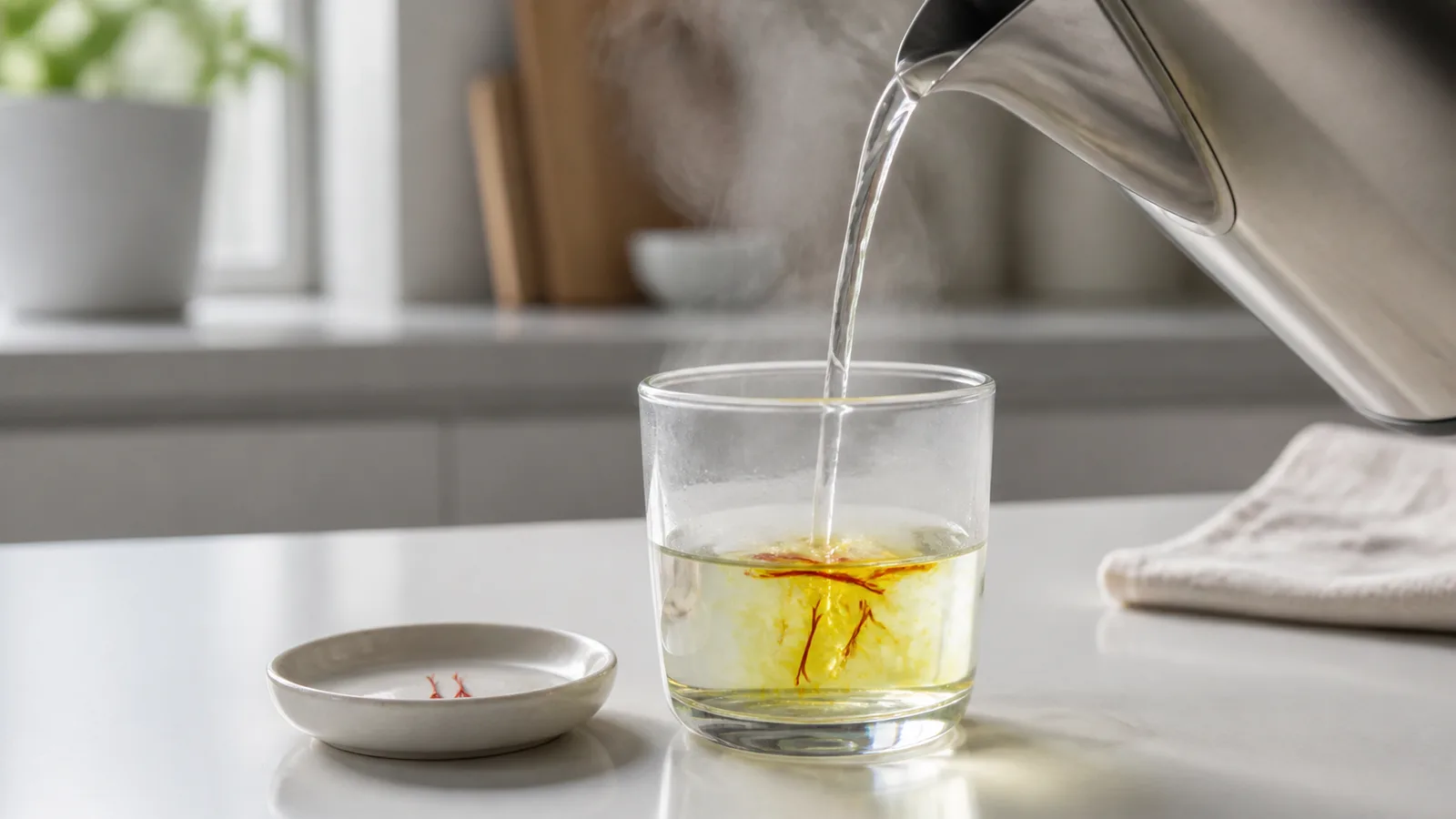
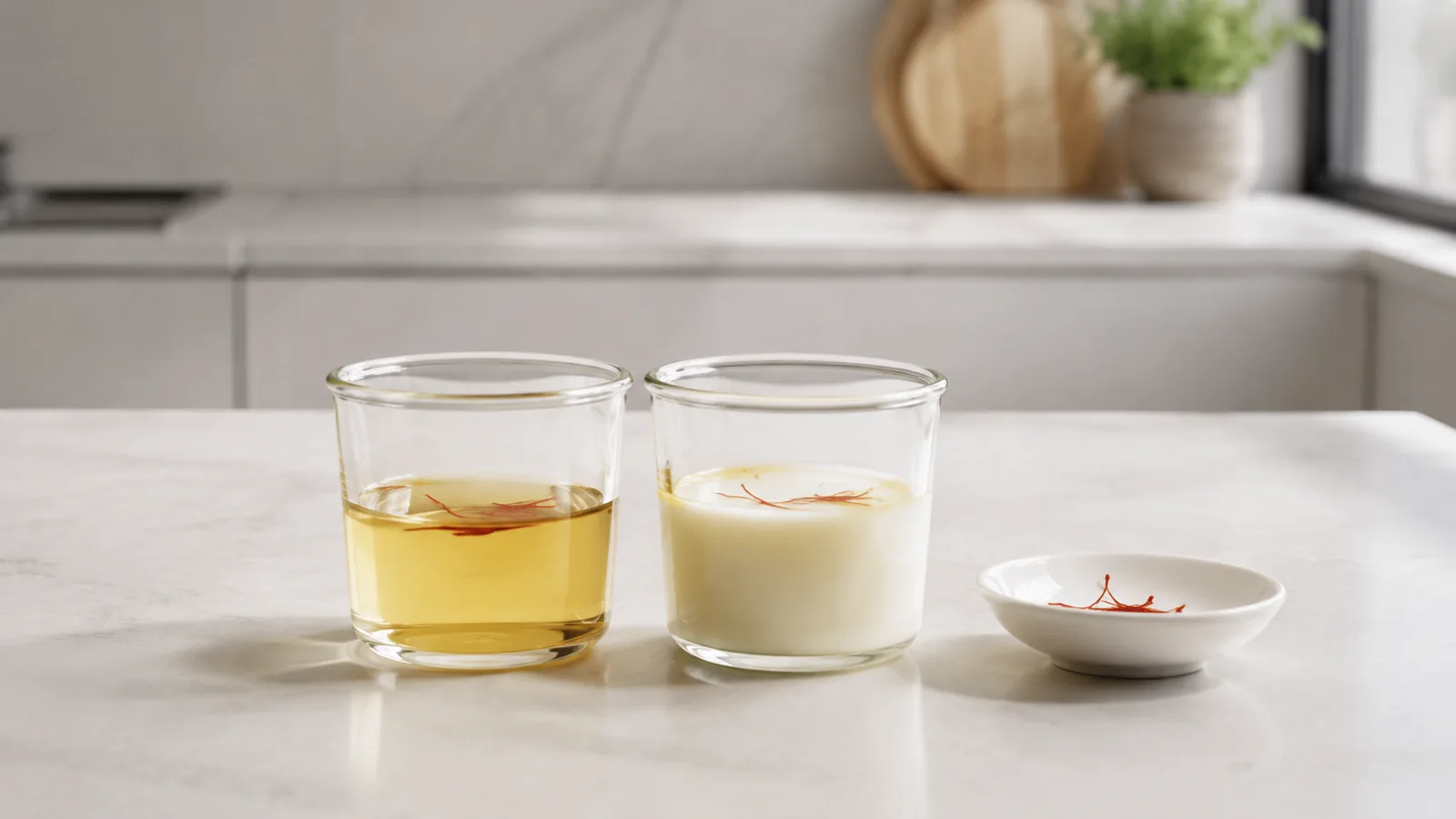
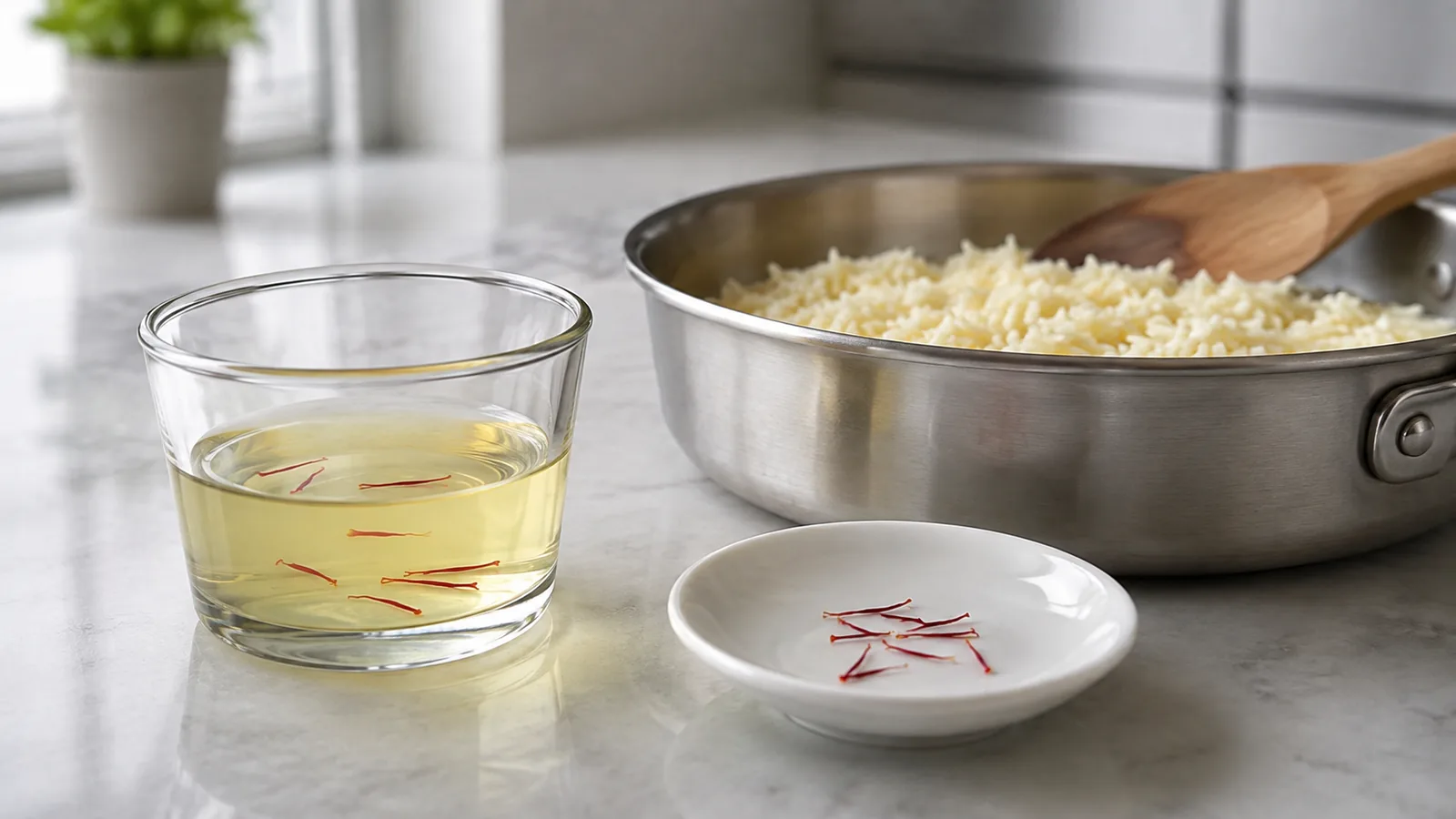
For a strong, even colour, prepare the infusion before you begin cooking. Our guide to brewing saffron explains the process.
Know when the halva is ready
Lift the spoon and let a little mixture fall back into the pan. It should form a ribbon that sits briefly on the surface. When you pull the spoon along the base, the path should stay open for a second before the halva flows back.
Do not wait for a stiff dough. Shirazi tar halva thickens as it cools, and overcooking makes the chilled dessert heavy rather than tender.
Pour, garnish and chill
Lightly oil a shallow serving dish or individual bowls. Pour in the hot halva and smooth the surface promptly.
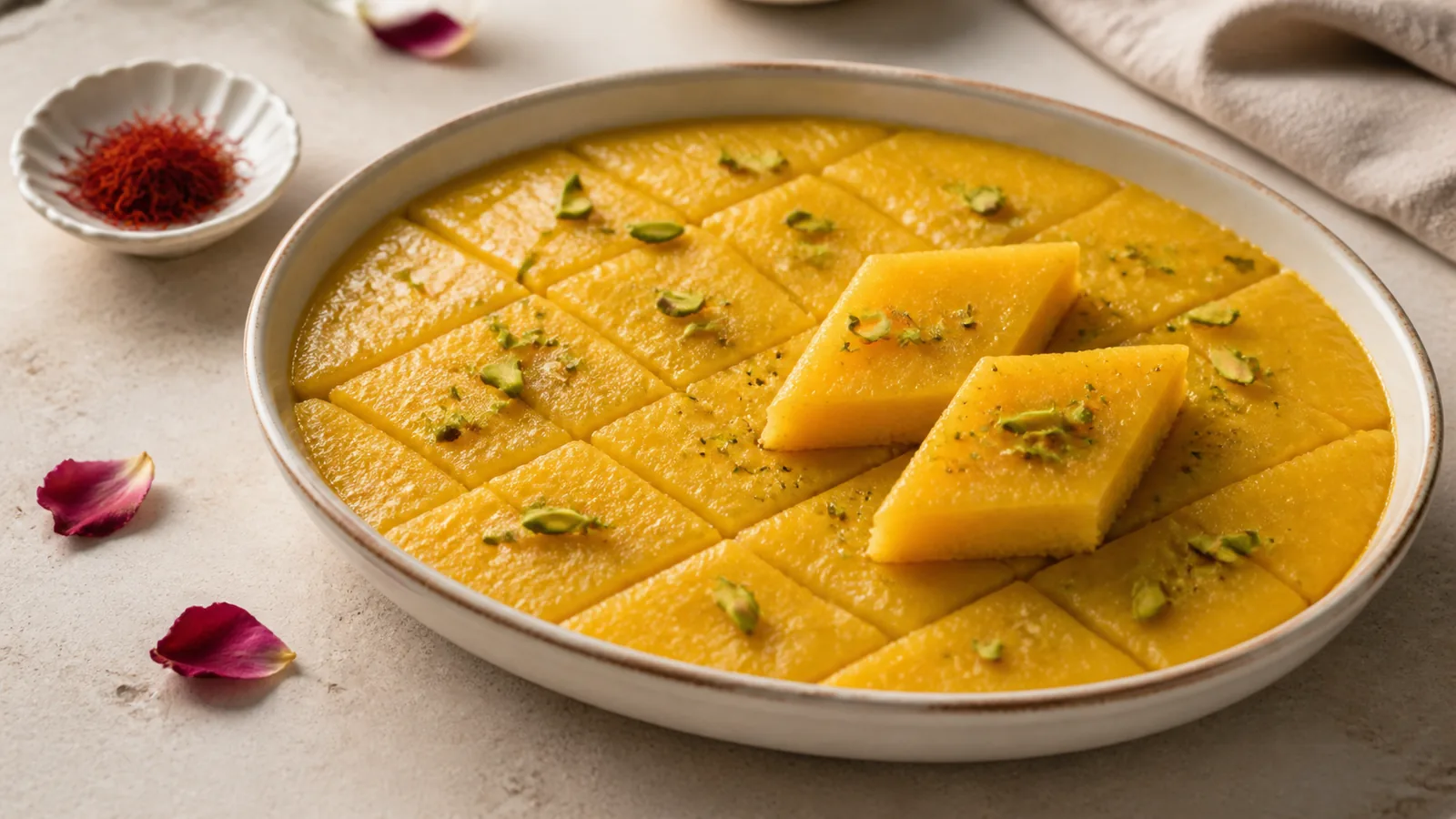
Scatter pistachios over the top while it is still warm so they settle lightly into the surface. The original recipe adds pistachios at the end; keeping most of them on top preserves their colour and texture.
Let the dish cool to room temperature, cover and refrigerate for at least 2 hours. Serve in bowls for a softer set, or cut a well-chilled shallow layer into diamonds.
Common problems
- Lumps form: start with cold liquid, strain the slurry and stir before the pan becomes hot.
- The bottom catches: lower the heat and use a heavy pan; do not stop scraping the base.
- The halva is runny after chilling: it needed a longer cook before the flavourings were added.
- The texture is rubbery: the heat was too high or the mixture was cooked past the ribbon stage.
Storage
Keep the covered halva refrigerated and use within 3 days. Because it contains a large amount of milk, do not leave it at room temperature for extended periods.