Saffron and Skin Discoloration: Does Saffron Turn Skin Yellow?
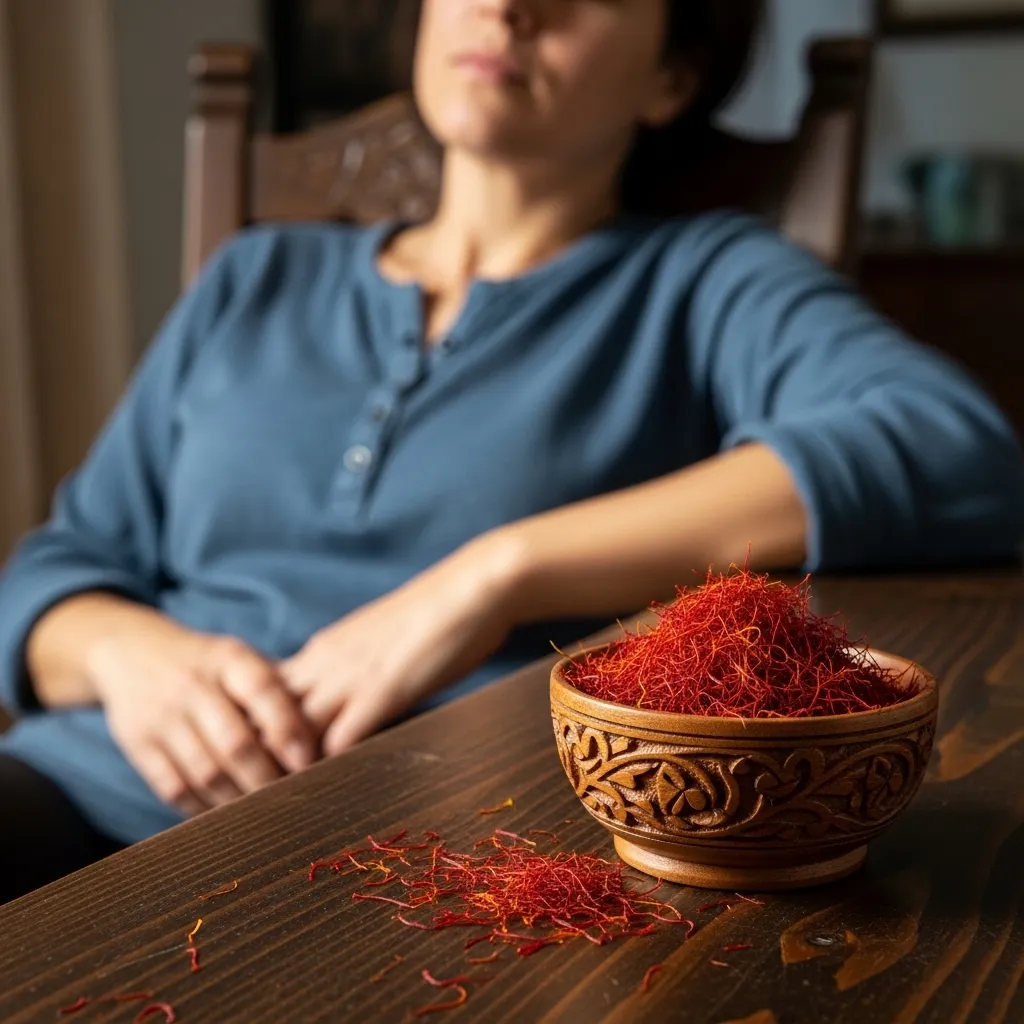
Saffron, often praised for its beauty and health benefits, is sometimes believed to cause yellowing of the skin. While saffron has a rich yellow color, it doesn’t typically cause long-term yellowing or discoloration when used correctly. Instead, it offers many benefits for skin health, including brightening and evening out skin tone.
Why Does Saffron Appear Yellow?
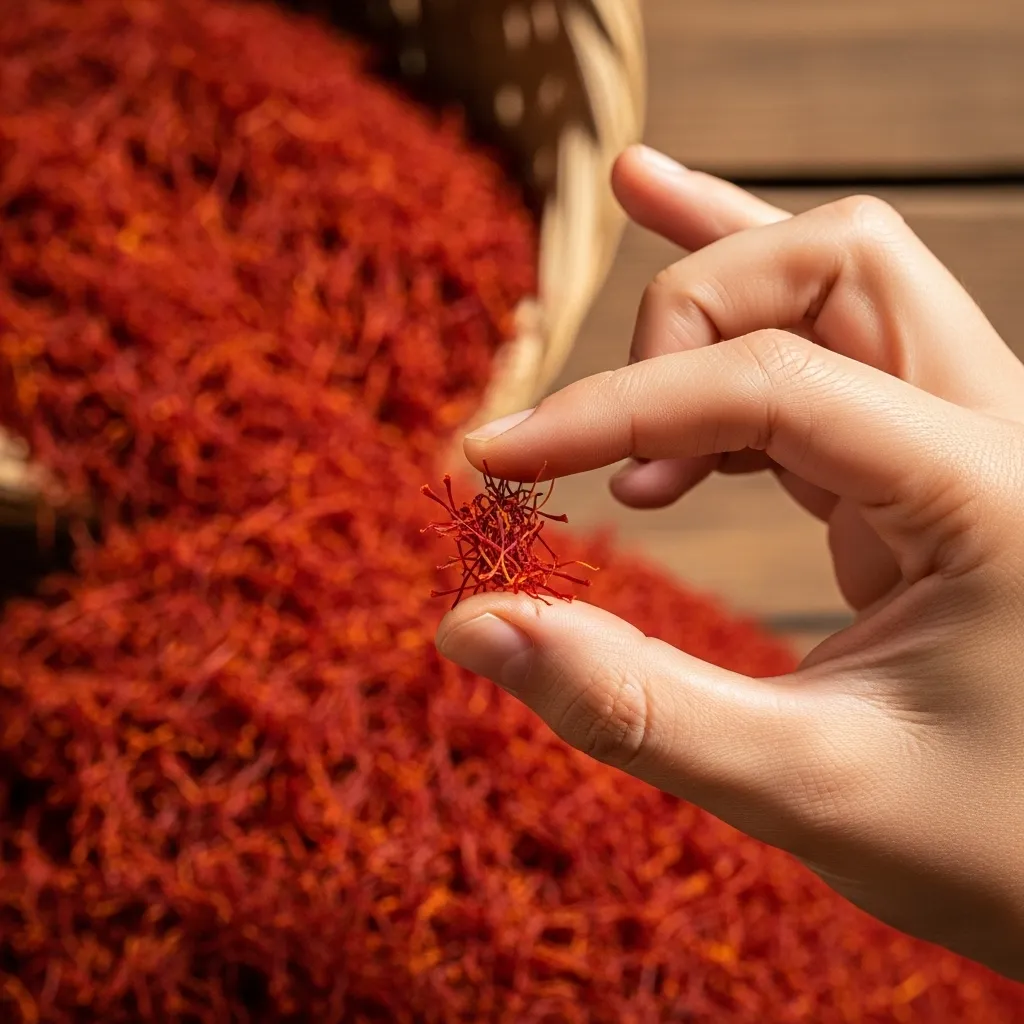
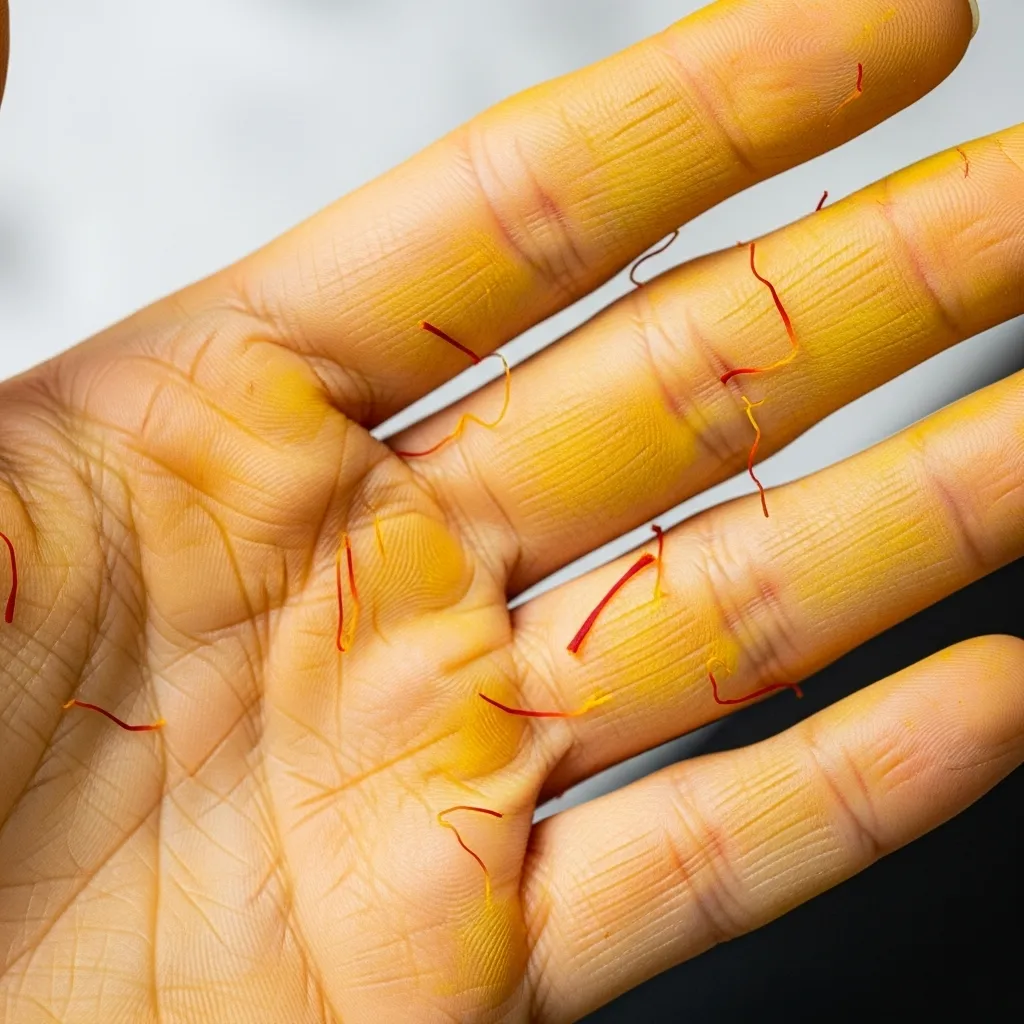
The natural yellow color of saffron comes from its active compound, crocin, which is responsible for its vibrant hue. When applied topically or consumed, saffron can temporarily stain the skin or hands. However, this is usually a light yellow tint that fades quickly with washing and does not result in permanent discoloration.
Can Saffron Cause Yellowing of the Skin?
While saffron’s color may give the impression of skin yellowing, it does not cause lasting discoloration. In fact, saffron’s antioxidants and anti-inflammatory properties help improve overall skin health. It works to brighten skin and reduce pigmentation, not cause it. If saffron is applied in large amounts or left on the skin for too long, it might leave a slight yellow stain, but this is temporary and harmless.
How to Avoid Yellow Stains from Saffron
If you want to avoid any temporary yellow stains, use saffron-infused products carefully and in moderation. When making a saffron face mask or applying saffron oils, be sure to follow the recommended instructions for the correct amount of saffron to use. Also, rinse off any saffron masks or oils after a short period to prevent any staining.
Conclusion
Saffron does not turn your skin yellow permanently. While its vibrant yellow hue can temporarily stain the skin, it doesn’t cause any lasting discoloration. In fact, saffron is beneficial for skin health, brightening the complexion and promoting a healthy glow when used correctly.