Saffron for Liver Detox: Can Saffron Help Detoxify the Liver?
Saffron does not “detox” the liver or flush toxins from the body. The liver already processes nutrients, medicines, alcohol and waste products through complex biological pathways. A tea, milk drink or supplement has not been shown to cleanse it.
Research has measured whether saffron supplementation changes liver enzymes in selected groups. That is a narrower question than detoxification, and the findings are mixed. It does not support using saffron for liver disease without medical care.
What the liver’s detoxification work really involves
The liver changes and clears many substances, makes bile, stores energy, produces important proteins and performs hundreds of other tasks. “Toxins” in detox marketing are rarely named or measured, and a temporary change in a blood test does not prove that the body has been cleansed.
Claims that a spice improves the liver’s “detoxification abilities,” helps detoxify the body of environmental toxins or heals damage from harmful substances need a named exposure and a measured clinical outcome. Without those details, the language sounds scientific but cannot be tested.
The US National Center for Complementary and Integrative Health says research on detoxes and cleanses is limited and notes that some programs and products can be unsafe or falsely advertised. Supporting liver health means reducing recognised sources of injury and treating diagnosed conditions, not forcing the organ to work “harder.”
What studies of saffron and liver enzymes found
Two systematic reviews of randomised trials illustrate the uncertainty. One meta-analysis of nine trials reported a small reduction in ALT but no significant change in AST or alkaline phosphatase. Another review of eight trials reported a small change in AST but no significant change in ALT or alkaline phosphatase. Both called for larger, better trials.
ALT, AST and alkaline phosphatase are laboratory markers that clinicians interpret alongside symptoms, medical history, other tests and sometimes imaging. They are not a score of how many toxins have been removed. Small average changes also do not establish that saffron treats hepatitis, fatty liver disease, fibrosis or cirrhosis.
Antioxidant evidence is not a liver cleanse
Saffron contains crocin, crocetin, safranal and picrocrocin. Laboratory and animal studies have explored oxidative stress, inflammation and cell injury. These experiments can suggest hypotheses, but they do not show that saffron tea neutralizes free radicals in a way that heals human liver cells.
A small trial in people with fatty liver disease reported changes in some inflammatory and oxidative markers after a defined supplement, while liver enzymes and body composition did not significantly change. This is why “antioxidant” should not be translated into liver regeneration, faster detoxification or recovery from damage.
Does saffron stimulate bile production?
There is no strong human evidence that ordinary saffron use stimulates bile enough to improve liver detoxification. Bile helps digest fats and carries certain waste products, but it is not a pipe that a spice can simply flush.
Claims that saffron improves liver circulation, helps the liver filter out toxins, accelerates removing waste products or gets toxins flushed from the body are also unsupported. Gallstones, blocked bile ducts and other biliary conditions need diagnosis; experimenting with concentrated herbal products can delay appropriate treatment.
Can saffron protect the liver from alcohol or toxins?
No clinical evidence shows that taking saffron before or after alcohol prevents liver damage. It cannot cancel alcohol, a toxic exposure, an overdose or the effects of a medicine that harms the liver. If a poisoning or overdose may have occurred, contact emergency services or a poison centre immediately rather than trying a drink.
For people with alcohol-associated liver disease, stopping alcohol with appropriate support is part of treatment. Saffron is not a protective shield and should never be used to make continued heavy drinking seem safer.
How to use saffron for liver health
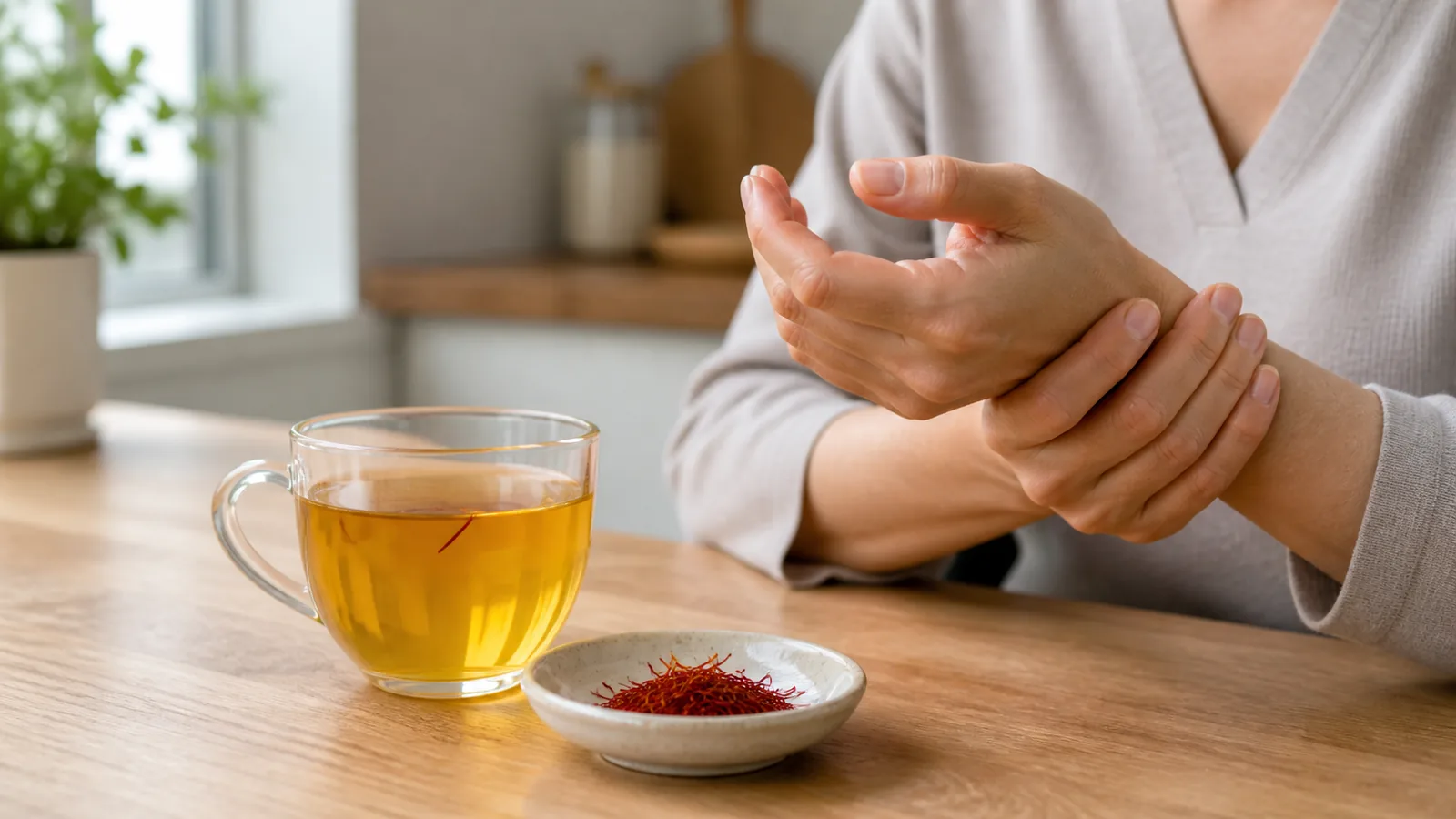
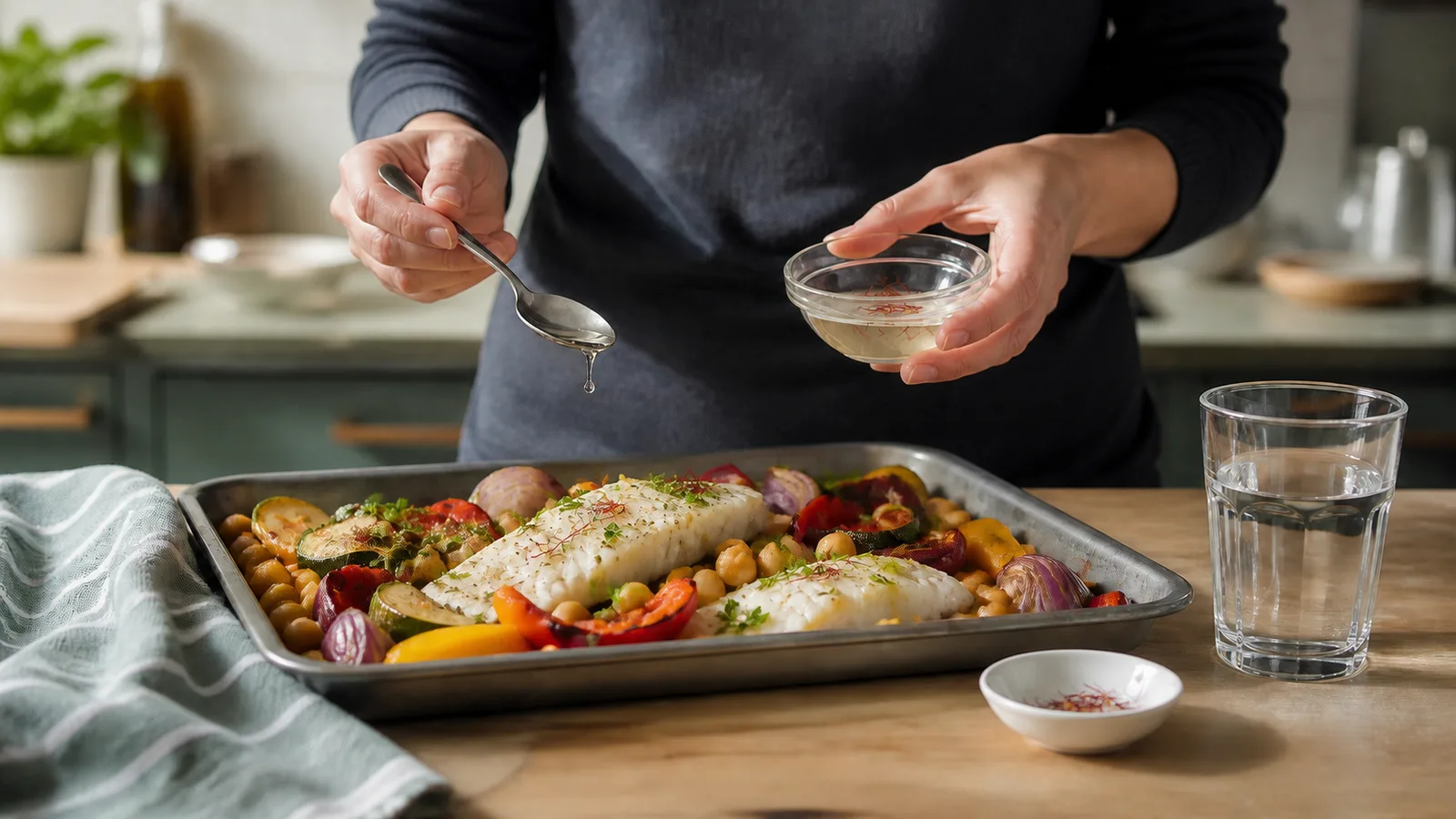
If you enjoy saffron, use a small culinary amount in tea, milk or dishes for flavour. That can fit an overall eating pattern, but it is not an effective liver detox. Adding more or drinking it regularly does not maximise an unproven benefit.
Do not copy dosage guidelines from a trial or assume all supplements contain the same extract. Overconsumption can add risk rather than liver protection. The National Institute of Diabetes and Digestive and Kidney Diseases advises people with fatty liver disease to discuss dietary supplements and complementary products with a doctor because some herbal remedies can damage the liver.
What actually supports liver health?
- Limit or avoid alcohol according to your health and clinician’s advice.
- Use prescription and over-the-counter medicines as directed, and check before combining them with supplements.
- Maintain vaccinations and testing recommended for viral hepatitis risk.
- For metabolic dysfunction-associated fatty liver disease, gradual weight loss when appropriate, regular activity and management of diabetes, cholesterol and blood pressure can matter.
- Follow treatment for a diagnosed liver condition rather than replacing it with a cleanse.
Rapid weight-loss or fasting detox plans can cause dehydration, weakness and other problems. They are not a shortcut to healthy liver function.
When to get medical help
Liver disease can be silent, so abnormal blood tests need proper interpretation even if you feel well. Contact a clinician for persistent fatigue, nausea, poor appetite, itching, pain in the upper-right abdomen, dark urine, pale stools, swelling or unexplained weight loss.
Seek prompt care for yellow skin or eyes (jaundice), confusion, vomiting blood, black stools, severe abdominal swelling or a possible overdose. Do not wait for saffron or another supplement to “cleanse” the problem.
The practical answer
Does saffron detox the liver? No. Saffron for liver research includes some small and inconsistent changes in laboratory markers, not proof of cleansing toxins, stimulating bile, regenerating liver cells or protecting against alcohol. Enjoy a culinary pinch if it suits you; take liver concerns to a clinician and treat the actual cause.