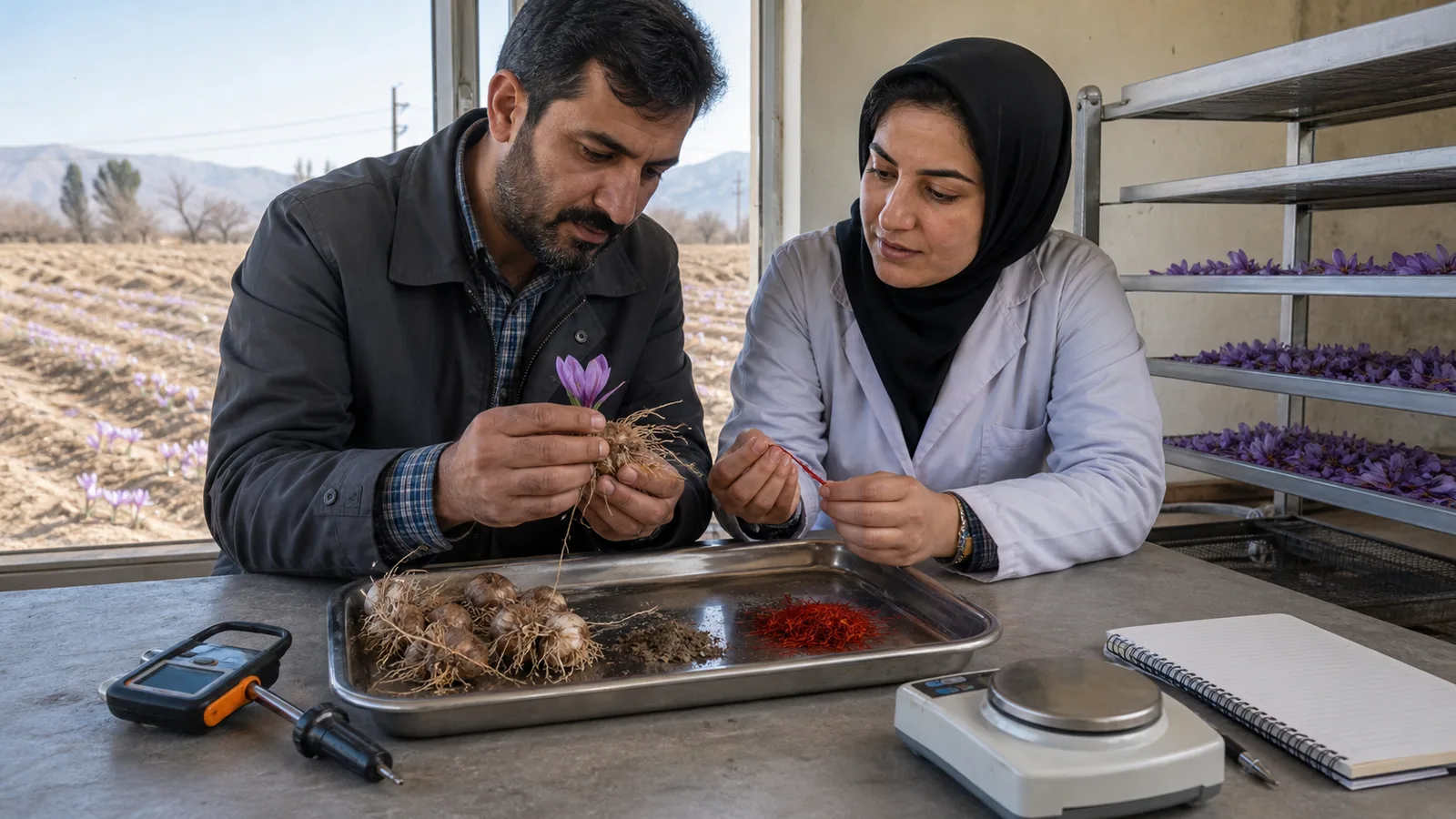


“Buy saffron in the name of others” is the wording of a 2015 report about Iranian saffron leaving the country without enough processing, packaging or identity, then reaching buyers under another seller’s name. The argument was economic: when origin and value-added work disappear from the final product, growers and the national supply chain keep less of its value.
What the 2015 report said
The article, published on 6 September 2015, summarised comments attributed to Abdolmajid Damghani, identified as secretary of Iran’s Scientific Society of Agroecology, in an interview with the Iranian Students News Agency (ISNA). He linked economic resilience with two practical goals: reducing waste and producing more value from each unit of input.
His saffron example was direct. Iranian saffron was said to be exported to Spain without sufficient packaging and then sold under other names. In his view, losing the product’s identity and finishing work abroad was inconsistent with an economy trying to strengthen domestic knowledge, efficiency and value creation.
Why anonymous saffron exports lose value
A bulk sale is not automatically a bad sale. Large buyers may legitimately purchase saffron for repacking, food production or distribution. The weakness appears when the supplier cannot retain traceability, communicate origin or earn anything from grading, testing, packaging and market access.
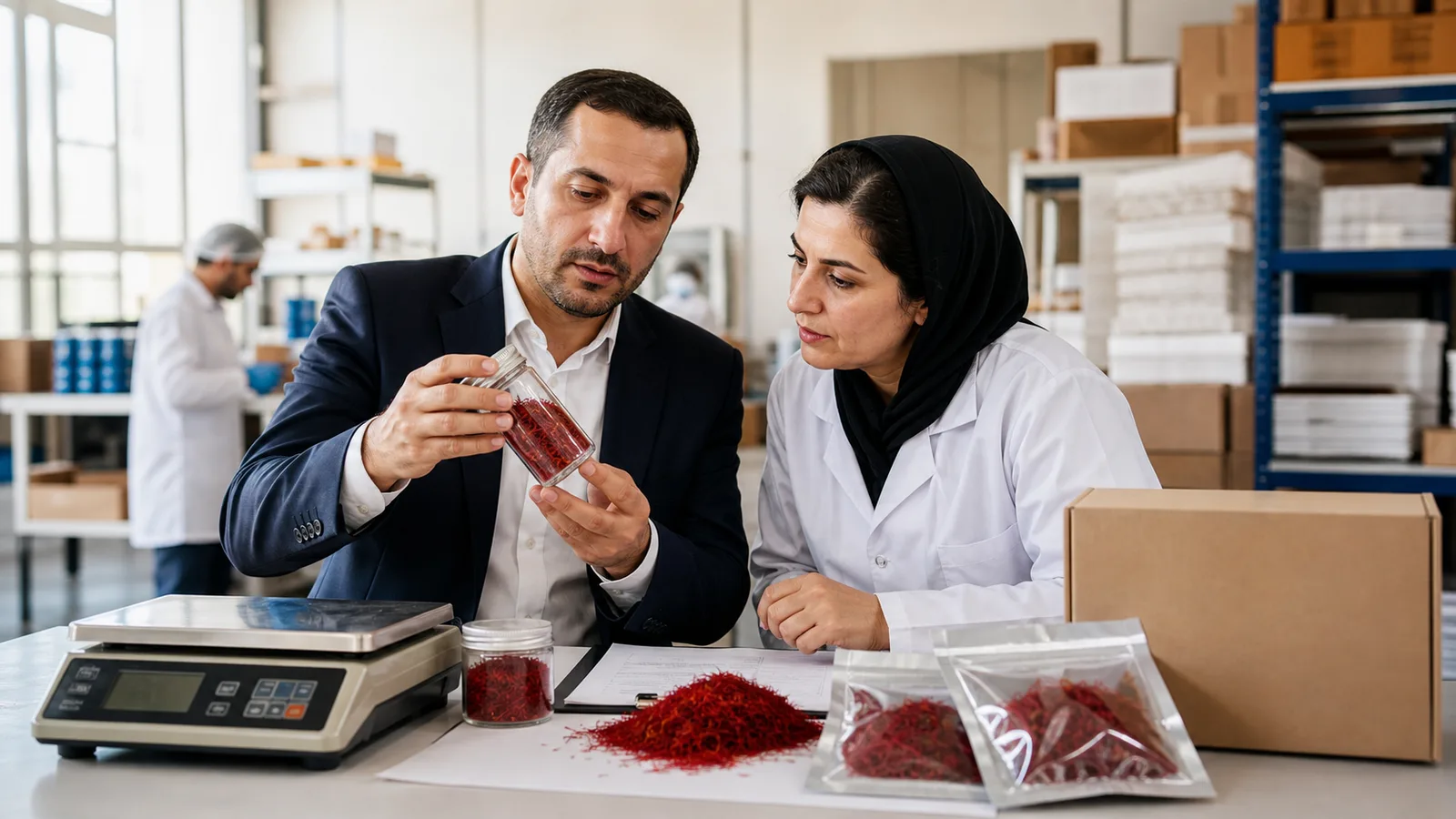
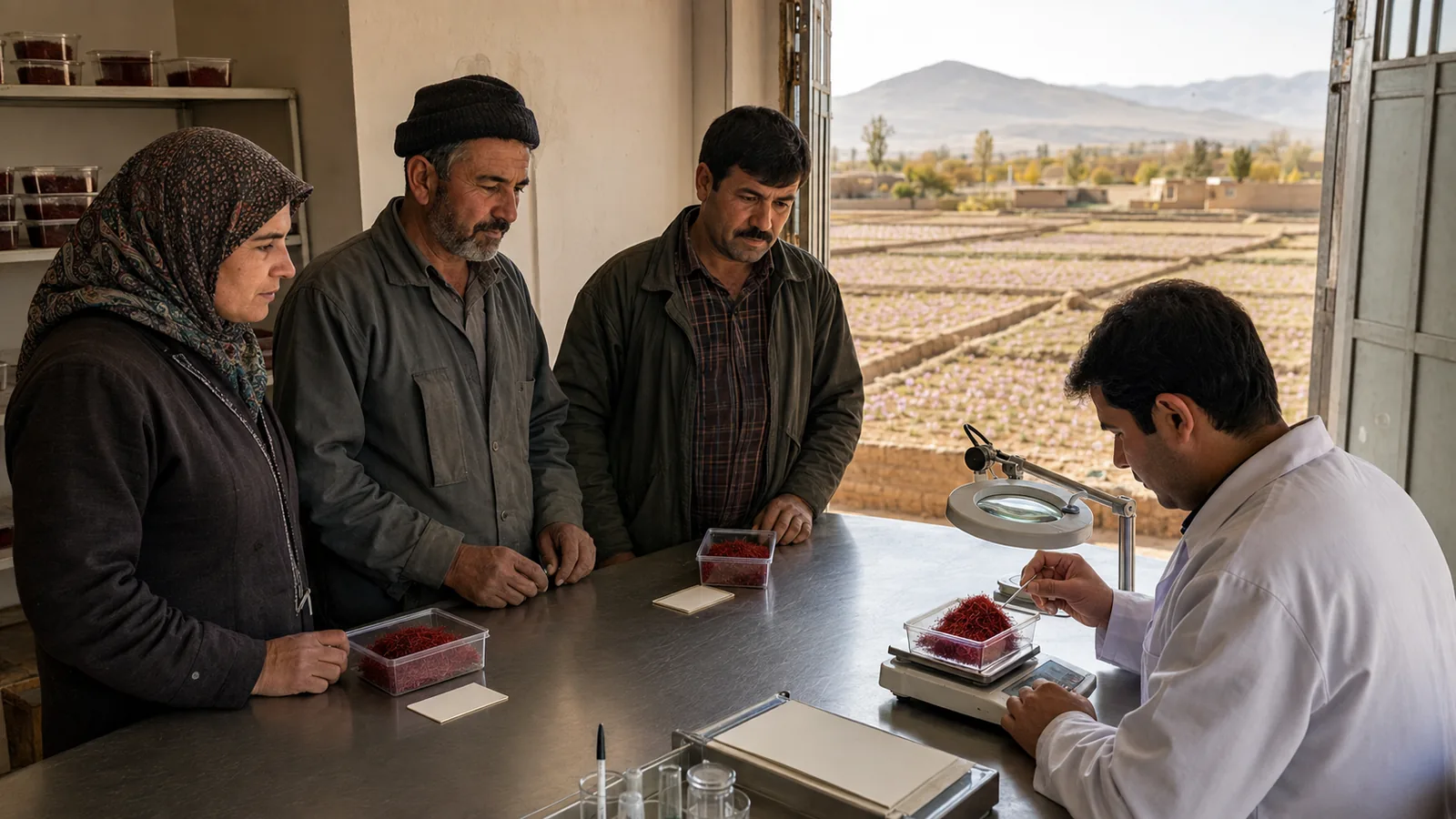
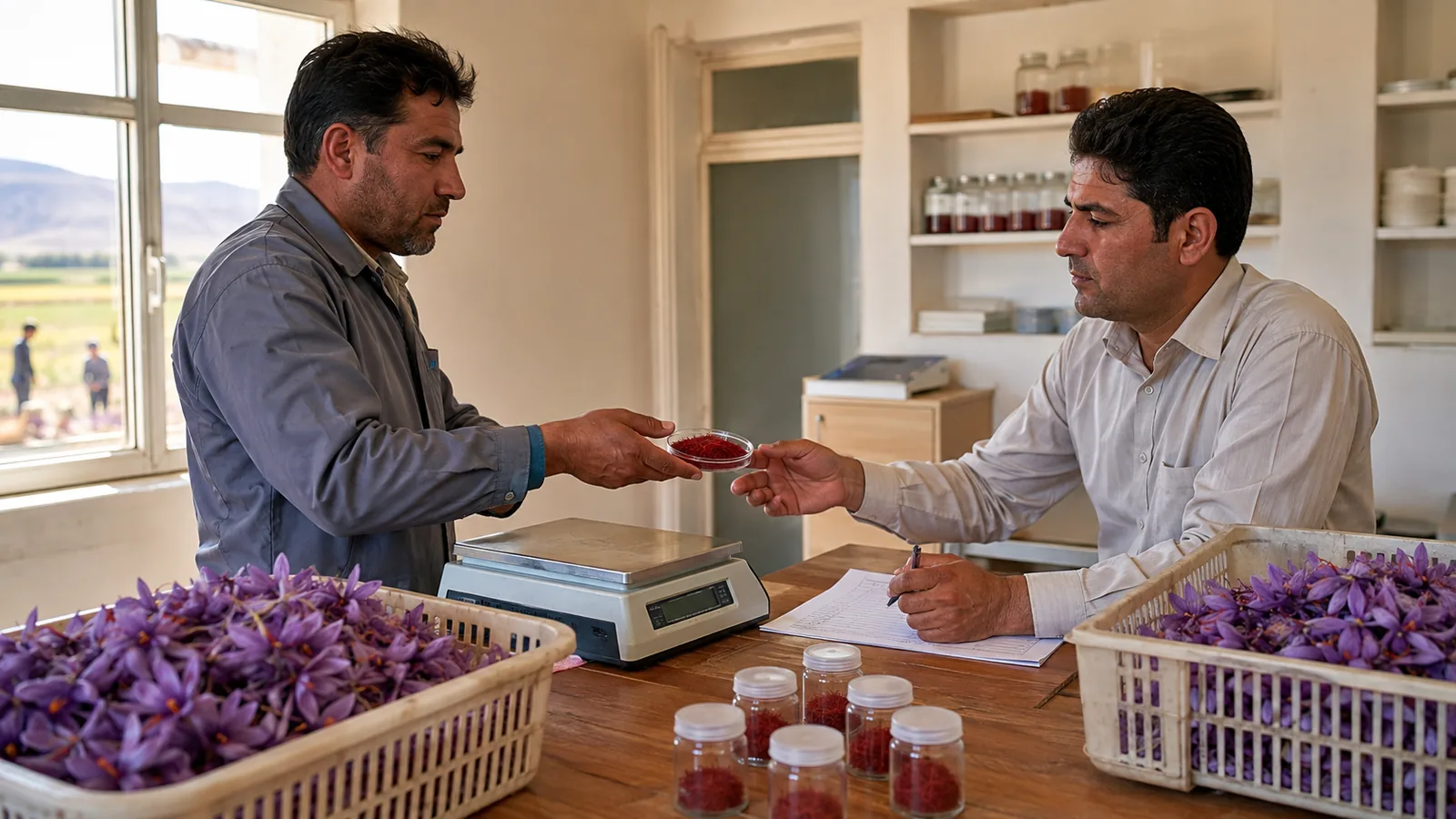
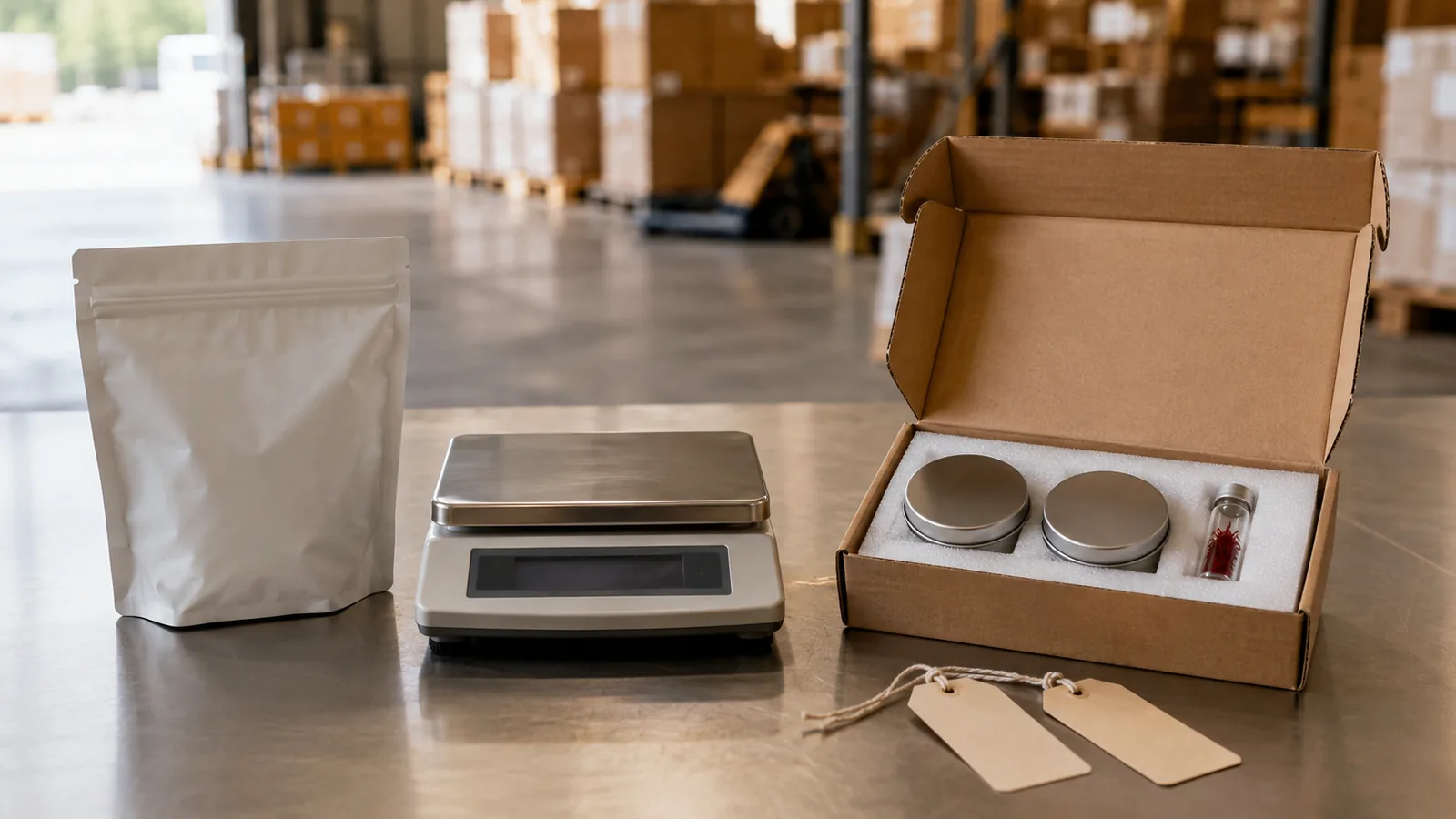
Those later stages are not merely decoration. A finished export proposition can include a defined grade, laboratory documents, accurate weight, tamper-aware packaging, batch records and clear commercial terms. Each stage requires skill and creates work beyond cultivation. When all of it happens elsewhere, the original producer competes mainly on the raw commodity price.
For buyers, the answer is not to accept an origin claim without evidence. Contracts and records should connect the final lot with its actual source. Our guide to Iranian saffron exporters explains the practical documentation and trade responsibilities behind that relationship.
Economic resilience meant efficiency, not isolation
Damghani described a resilient agricultural economy as one that cuts loss, improves management and raises output relative to the resources used. The original report stated that agriculture accounted for 14% of national production at the time. That is a dated figure quoted from the 2015 interview, not a current share.
The broader point was that strength comes from using knowledge and technology well. Better tools can help, but technology alone does not improve a farm. Farmers, processors and policymakers need training, reliable measurements and management practices suited to the crop and location.
Water, land and production inputs
The interview placed particular emphasis on losses involving water, land and farm inputs. It argued for judging output against the resources consumed rather than looking only at the number of tonnes produced. In dry regions, the value created per unit of water can matter as much as yield per hectare.
The surviving English translation contains a damaged phrase about “accounting” and compatibility with agriculture. Its surrounding meaning is clearer than the phrase itself: cropping decisions should reflect local conditions and scarce resources. It would be unsafe to turn that wording into a precise technical recommendation the source did not preserve.
Rethinking cropping patterns
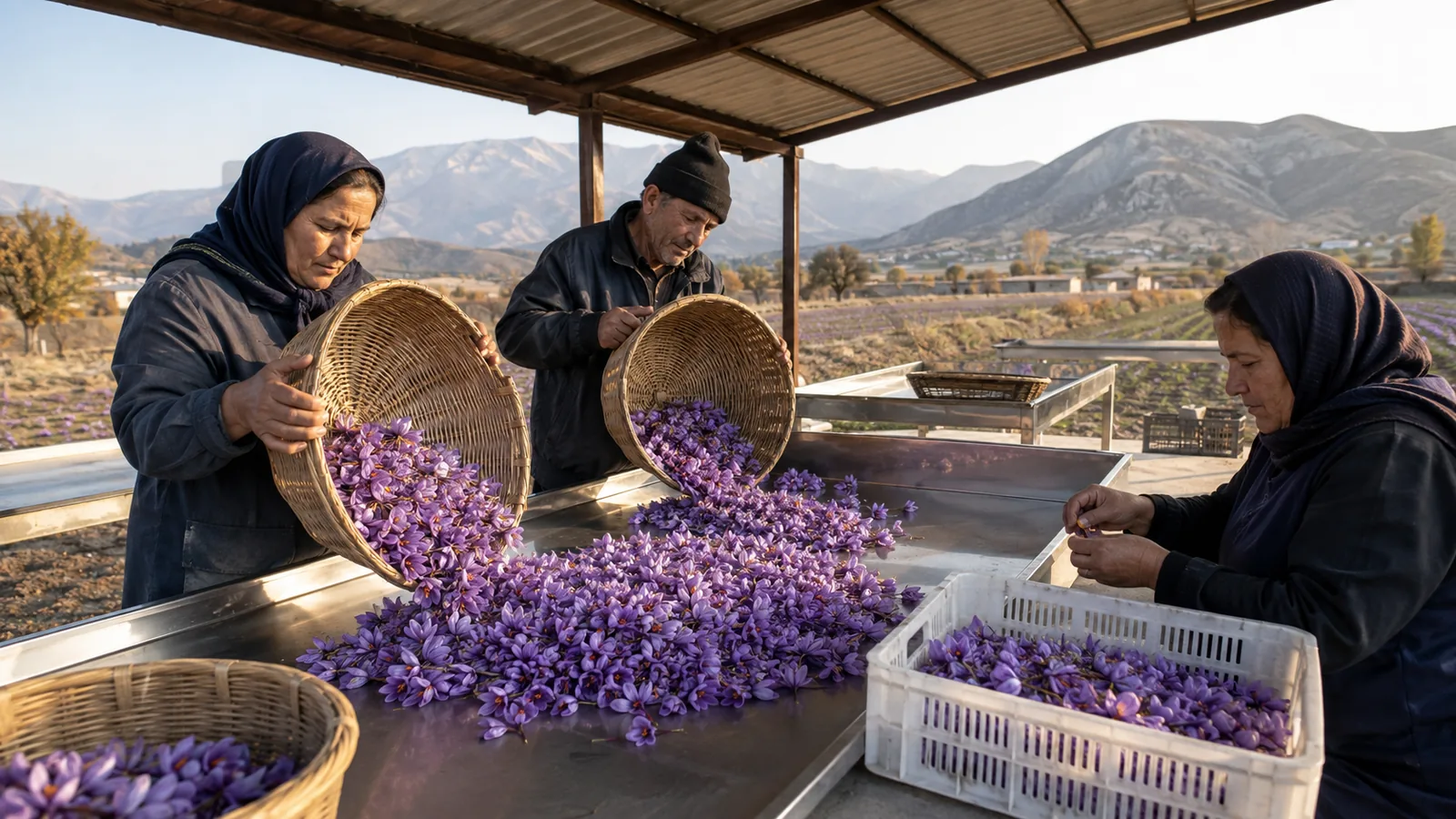
Damghani proposed reviewing farming patterns so that suitable areas could focus on products with greater economic value. Saffron often appears in that discussion because it is sold in small quantities and can be processed without moving large volumes of fresh material. Suitability still depends on soil, climate, water timing, labour and market access.
A high sale price does not by itself make a crop the right choice. The calculation must include corms, field preparation, hand labour, drying, quality loss, finance and the likelihood of reaching a buyer. Resilience comes from an informed production plan, not from replacing every crop with the most expensive-looking one.
Knowledge has to reach farms and policy
The report called on the Ministry of Agriculture to raise awareness among farmers and decision-makers. Research creates value only when it is translated into practices people can use, such as better irrigation timing, clean drying, lot separation and accurate quality assessment.
Policy also shapes whether small producers can participate. Shared testing, cooperative processing, transparent grades and dependable sales channels can make value-added work accessible beyond the largest companies.
Processing agricultural products at home
The final part of the interview broadened the argument beyond saffron. It used examples such as turning wheat into flour and fruit into compote to illustrate the difference between selling raw output and carrying out useful processing. The same principle can apply to saffron through cleaning, grading, testing, protected storage and buyer-ready presentation.
Processing should solve a real customer need. Extra layers of packaging or vague “premium” claims do not create durable value. Verified quality, a clear specification and a product that arrives in good condition do.
Origin, branding and the buyer’s role
A strong name is earned through consistent delivery. Exporters should be able to state who packed the product, how the lot is identified and what specification it meets. Buyers should ask whether the origin and grade claims can be traced instead of relying on the country named on the front of a box.
This is especially important in wholesale trade, where one shipment may later appear in many retail packs. Our discussion of the economic role of wholesale saffron looks at how the trade can connect growers, processors and international customers without confusing bulk supply with anonymous supply.
The report’s lasting lesson
The 2015 article treated saffron as an example of value leaving the supply chain too early. Its proposed response was not simply a new label. It was better knowledge, less waste, resource-aware farming, domestic processing and a commercial identity backed by evidence.
That is the useful distinction behind the awkward original headline. Selling to another country or packer can be legitimate; surrendering traceability and all opportunities for value creation is the risk the speaker wanted Iran’s agricultural sector to address.