Saffron Growing Regions
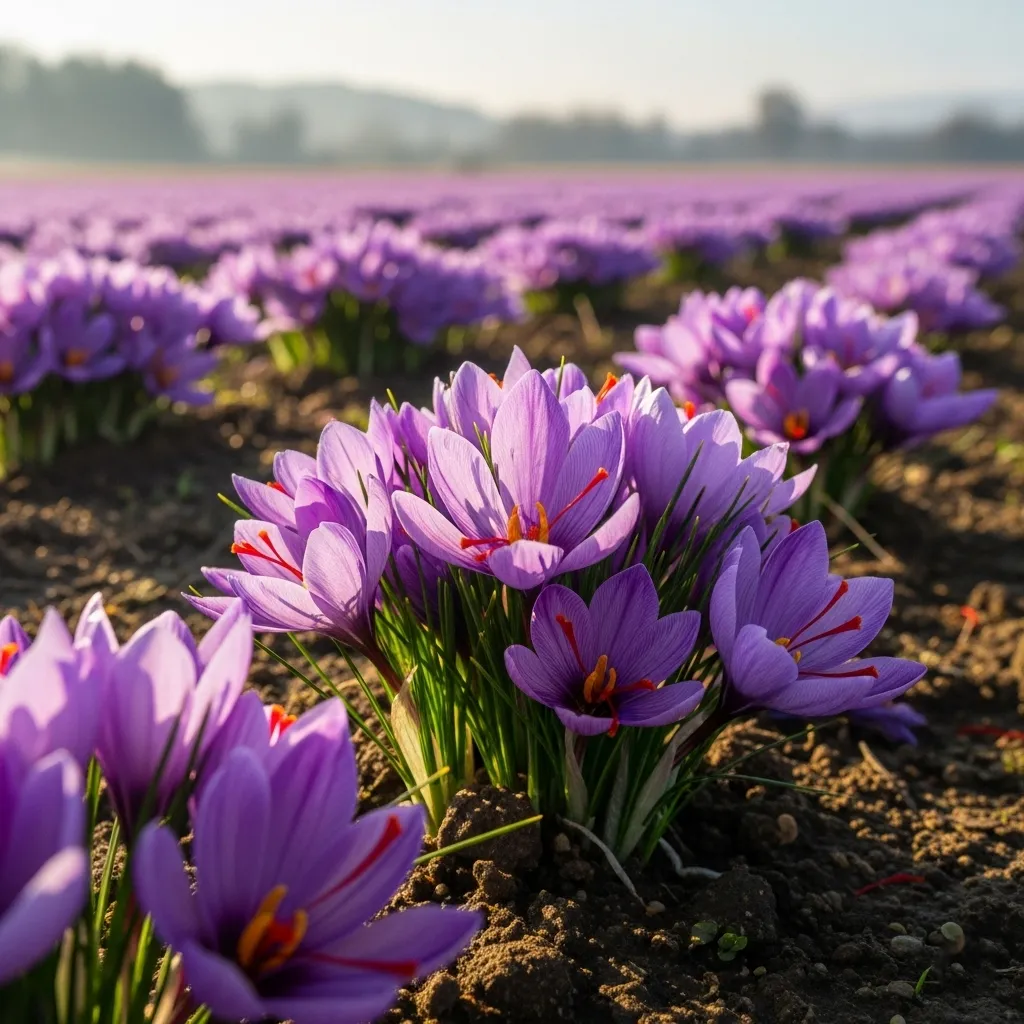
Saffron thrives in regions with specific climate and soil conditions. Understanding saffron growing regions helps farmers and gardeners select ideal locations to cultivate this valuable spice. Saffron prefers sunny days, dry climates, and well-drained soils to produce high-quality red stigmas. It does not tolerate excessive humidity or waterlogged soil, which can damage the delicate flowers.
Optimal Climate and Soil
The ideal climate for saffron cultivation includes warm, dry summers and cold winters. Moderate rainfall during the growing season helps the plants develop, but too much moisture can cause mold or rot. Well-drained, sandy loam soil rich in organic matter provides the best support for saffron corms. Additionally, regions with significant temperature differences between day and night help improve color, aroma, and flavor of the threads.
Key Saffron Cultivation Areas
Several countries are known for their saffron growing regions. Iran leads globally due to its extensive fields and ideal climate. Other notable areas include Kashmir in India, parts of Spain, Morocco, and Afghanistan. Each region produces saffron with unique aroma, color, and taste, influenced by local soil and climate conditions. Choosing the right region ensures premium saffron quality for culinary and wellness uses.
Tips for Growing Saffron
When planting saffron, select a sunny spot with well-drained soil and plant the corms in late summer. Proper spacing, regular soil aeration, and minimal watering during dormancy enhance growth. By paying attention to these factors, gardeners can successfully cultivate saffron even in smaller plots or home gardens.
In conclusion, saffron growing regions are defined by climate, soil, and careful cultivation practices. By selecting suitable locations and following proper care, it is possible to harvest high-quality saffron with vibrant color, aroma, and flavor. For more guidance on premium saffron, explore our products page.