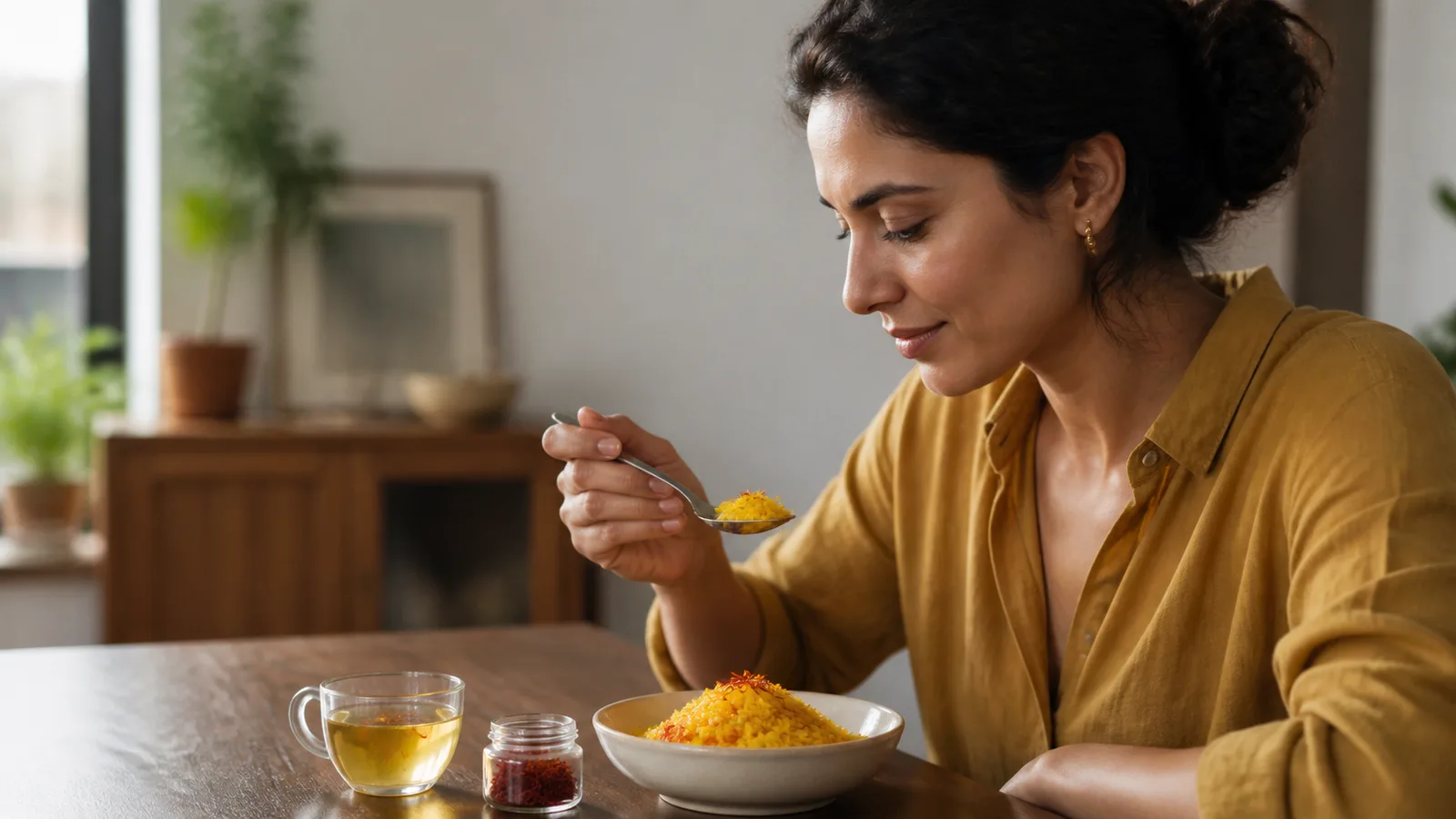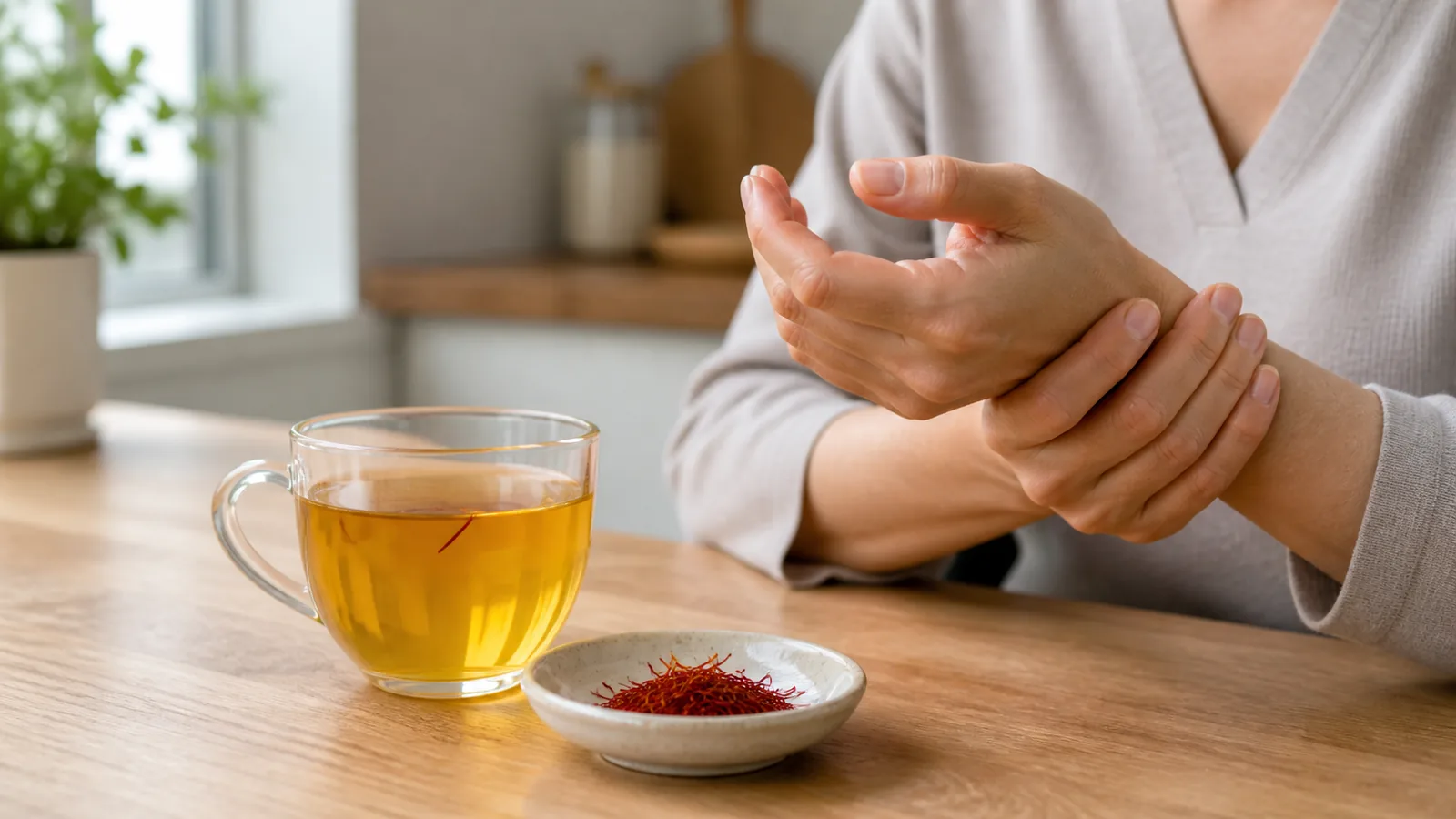
The therapeutic properties of saffron from Iran are being studied most seriously in mood, sleep, sexual function and selected metabolic outcomes. Some human trials are promising, but saffron is not an approved treatment for depression, bronchitis, kidney disease, bleeding or any other disease. The preparation and dose used in research also differ from a pinch of spice in food.
Iranian traditional medicine gives saffron a much broader role. That history is worth recording, but traditional use and evidence from controlled clinical trials must remain clearly separated.
What gives saffron its characteristic properties
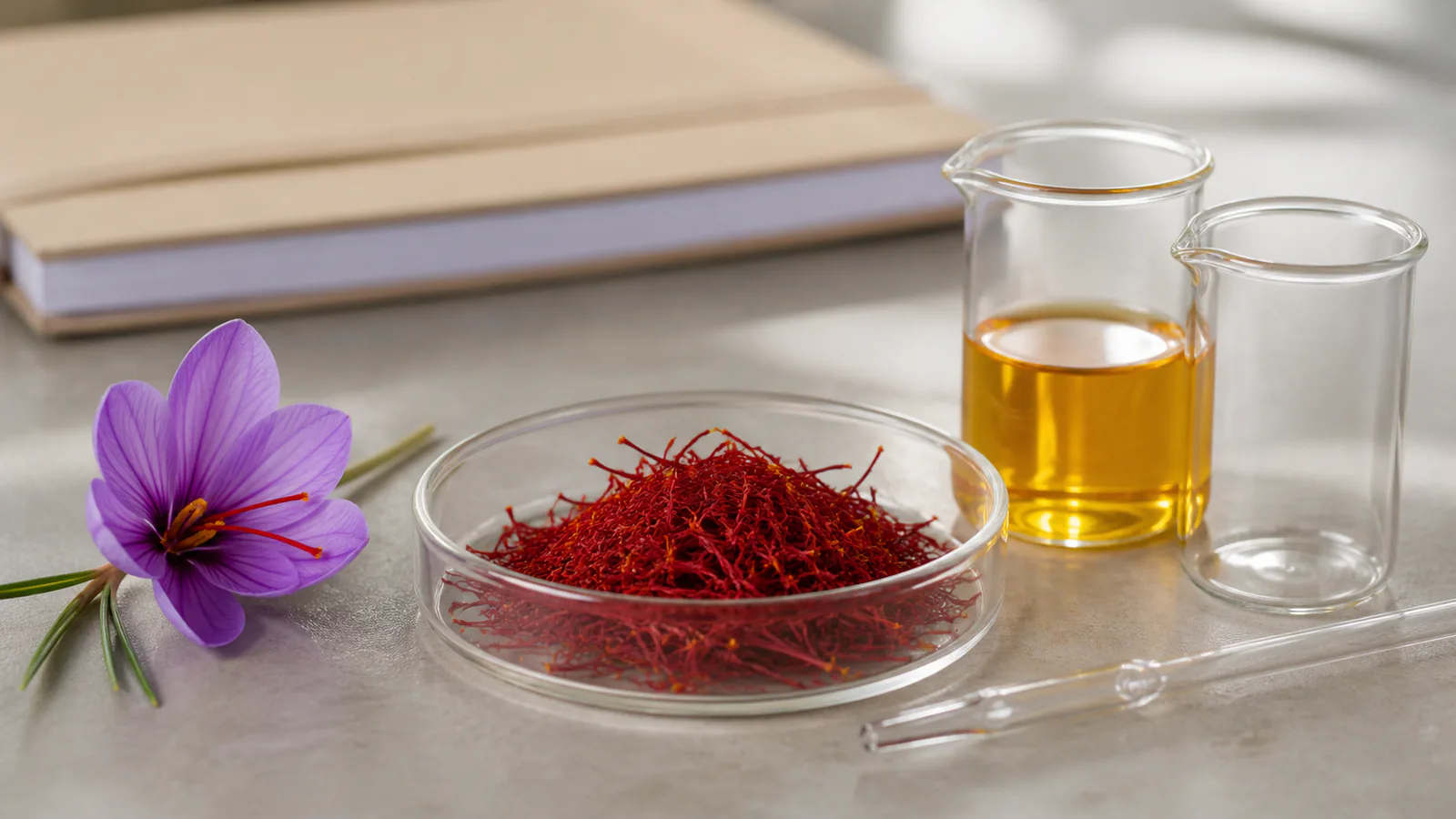
Saffron is made from the dried red stigmas of Crocus sativus. Crocins are water-soluble pigments that create its golden colour. Picrocrocin contributes bitterness, while safranal is an important part of the fragrance. Those compounds are also studied for biological activity.
A chemical effect in a laboratory is only the beginning of an evidence chain. Researchers then need appropriate animal work, human safety data and well-designed clinical trials. A compound described as antioxidant or anti-inflammatory does not automatically become a proven therapy in people.
Saffron contains trace minerals, including potassium, phosphorus, magnesium, calcium, sodium and zinc. Because culinary servings are tiny, these nutrients are not a persuasive reason to use it as a supplement.
Traditional uses in Iran
Historical Persian practice has described saffron as “hot and dry” and used it in preparations associated with mood, sleep, digestion, menstrual discomfort, cough, urination, pain and sexual wellbeing. The original interview behind this article also attributed blood-forming, liver-strengthening, kidney-cleansing, anticonvulsant and postpartum effects to the spice.
These statements document a traditional framework. They do not establish that saffron treats anaemia, liver disease, bronchitis, kidney stones, seizures or postpartum bleeding. Conditions involving bleeding, breathing, convulsions or organ function require prompt professional assessment.
Mood: the most developed clinical evidence
Saffron’s effect on mood has been tested in multiple randomised trials. A 2026 systematic review and meta-analysis of 34 trials found improvements on some self-reported depression and anxiety scales. It found no significant effect on several other clinician-rated measures, however, and reported high variation among studies. The certainty was rated moderate.
An earlier umbrella meta-analysis also concluded that saffron might contribute to relieving depressive symptoms but should not be considered a stand-alone treatment. That is the practical boundary: the evidence justifies further clinical interest, not self-diagnosis or replacing prescribed care.
Sleep and feelings of calm
Small randomised studies have examined saffron extracts for sleep quality. Reviews describe initial support, but the evidence base is much smaller than a confident “sleeping pill” claim would suggest. Product composition, dose, study duration and participants differ.
Persistent sleep difficulty can be linked to medicines, mood, breathing disorders, pain or other conditions. Saffron tea may be a pleasant evening drink, but it should not be presented as a sedative drug or a solution to unexplained insomnia.
Sexual function and menstrual symptoms
A systematic review and meta-analysis of five small studies reported improvement in sexual-function measures. The total sample was only 173 people and results varied between studies, so the finding is preliminary rather than a general promise of increased “sexual energy.”
Research has also investigated premenstrual and menstrual symptoms. It does not support saying that saffron “regulates menstruation” for every person or treats abnormal bleeding. New, heavy or persistent bleeding needs medical evaluation rather than a spice remedy.
Blood circulation, cholesterol and inflammation
Some pooled supplement trials report modest changes in blood pressure, cholesterol, glucose or inflammatory markers. These are risk measurements, not proof that saffron prevents heart disease or replaces treatment for hypertension, diabetes, high cholesterol or arthritis.
The old phrase that saffron “makes blood” is particularly misleading. Anaemia has several possible causes and requires a diagnosis. Culinary saffron is not a meaningful source of iron and should not replace an iron treatment when one is needed.
Cough, bronchitis, kidneys and digestion
Traditional claims about cough relief, bronchitis, kidney and bladder cleansing, diuretic effects, gas and digestion are not backed by enough high-quality human evidence to recommend saffron as treatment. A cough with breathing difficulty, blood, fever or long duration needs medical attention. Kidney or bladder symptoms can also become urgent.
Using saffron in food may contribute aroma and make a meal enjoyable. That is different from claiming it changes liver or kidney function. “Detox” and “cleansing” language should not stand in for measured clinical outcomes.
Pregnancy and medicinal doses
The original article warned that pregnant women should avoid saffron because of miscarriage risk. Evidence does not justify turning ordinary culinary exposure into a universal alarm, but pregnancy is not the time to experiment with concentrated saffron extracts or large medicinal amounts.
Pregnant or breastfeeding people should discuss supplements with their obstetric clinician. The same caution applies to children, people taking medicines and those with chronic conditions. A product marketed as “natural” can still produce adverse effects or interact with care.
A 2026 systematic review of saffron adverse events found that medicinal preparations were generally tolerated, while gastrointestinal complaints were the most frequently reported effects. It recommended clinical monitoring with higher-dose or prolonged medicinal use.
How to read a saffron health claim
- Ask whether the evidence comes from a test tube, animals or people.
- Check whether the human study was randomised and used a suitable control.
- Look at the preparation, dose, number of participants and study duration.
- Distinguish a change in a questionnaire or biomarker from prevention or cure.
- Check whether independent groups have repeated the result.
- Do not assume an Iranian origin claim makes a supplement clinically effective.
The US Food and Drug Administration’s dietary-supplement guidance offers a useful final check: supplements are not approved to diagnose, treat, cure or prevent disease and should not replace prescription medicine.
A balanced view of Iranian saffron benefits
Iranian saffron has genuine culinary value and a serious research literature. The mood evidence is promising; studies of sleep, sexual function and metabolic markers offer questions worth pursuing. None of that validates every traditional claim or turns saffron into a general-purpose medicine.
The safest conclusion is specific: enjoy authenticated saffron as a spice, treat concentrated products as supplements, and use clinical evidence—not aroma, tradition or marketing—to decide whether a therapeutic claim is credible.