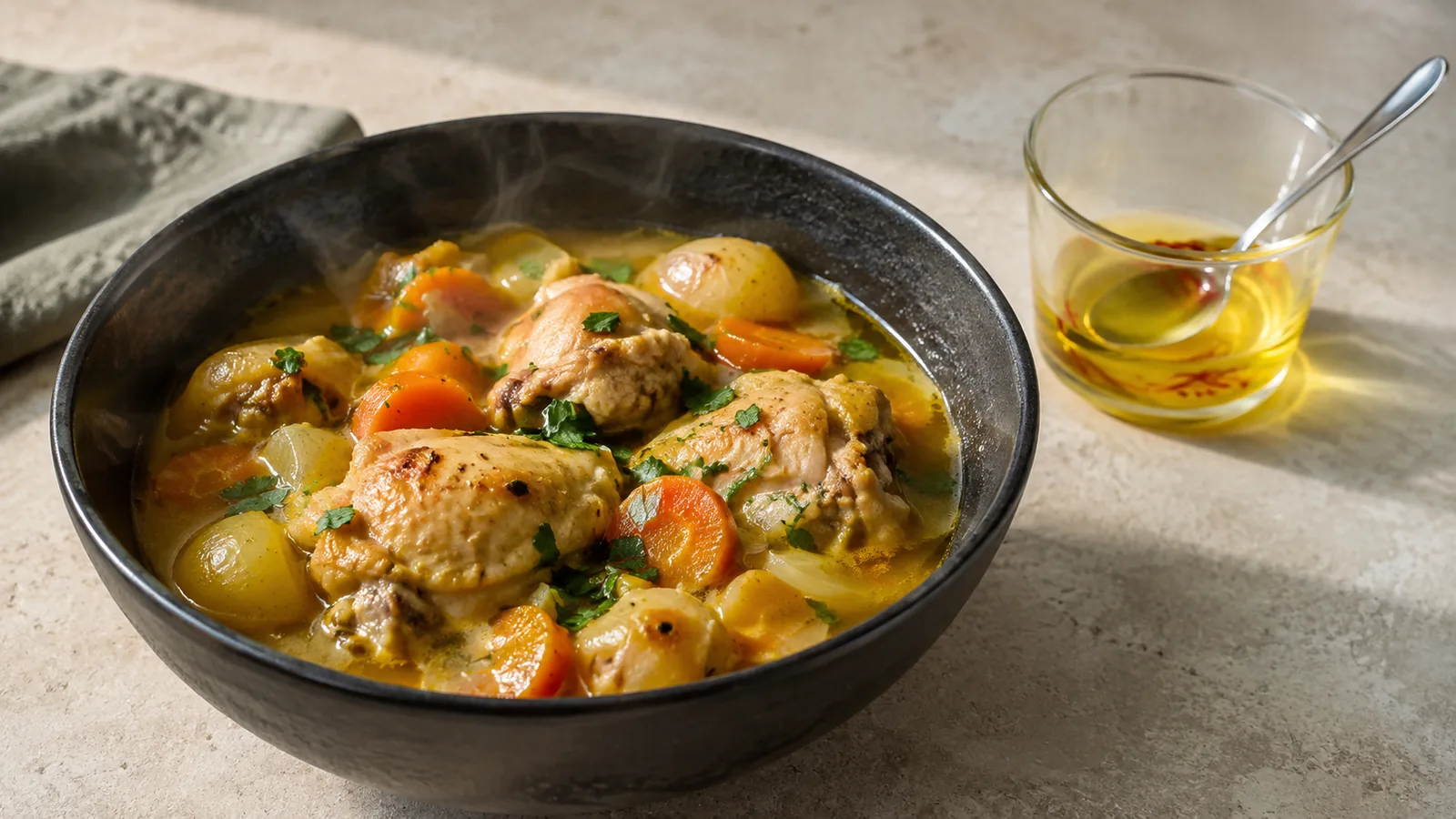
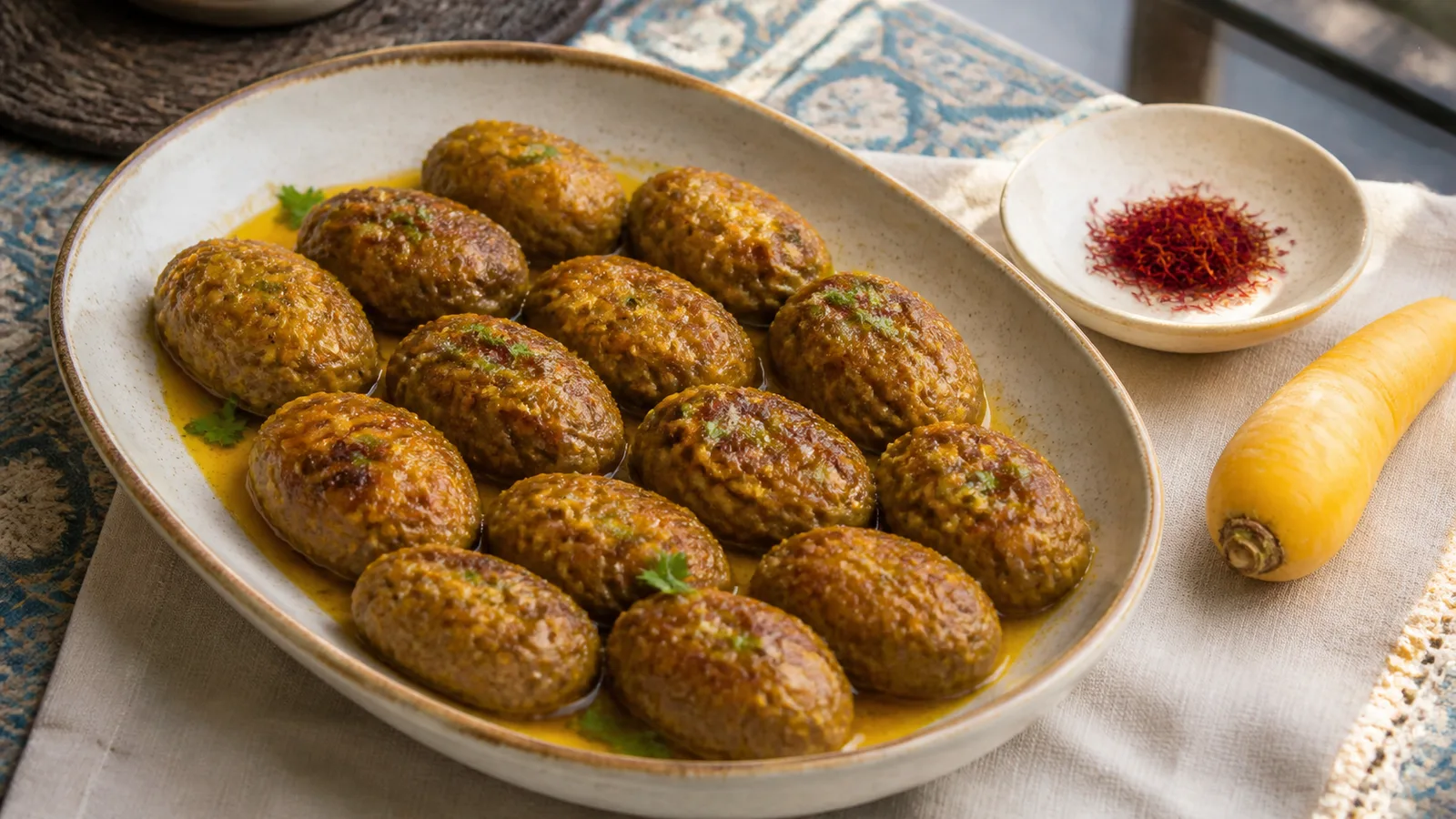
Zardak kebab is a sweet-and-sour Isfahani dish of small minced-meat patties mixed with grated yellow carrot, then gently simmered in a saffron syrup. Despite its name, it is cooked in a pan rather than on skewers.
The previous English version repeatedly translated zardak as turmeric after correctly introducing it as carrot. Zardak literally refers to a yellow root and is used regionally for a pale or yellow carrot; turmeric is only a seasoning in this recipe. Encyclopaedia Iranica records zardak as a traditional Persian carrot name, “the little yellow one.”
Ingredients for zardak kebab with Iranian saffron
Makes about 12–16 small patties; serves 3–4.
For the kebab patties
- 250 g minced beef, lamb or a mixture;
- 4 small zardak or yellow carrots, about 250–300 g total;
- 1 medium onion;
- 2–4 tablespoons chickpea flour, added gradually;
- ½ teaspoon turmeric;
- ¼ teaspoon ground cinnamon;
- salt and black pepper to taste;
- 1 small egg only if the drained mixture still will not bind; and
- neutral oil for shallow frying.
For the saffron sauce
- ¼ cup sugar;
- ¼ cup water;
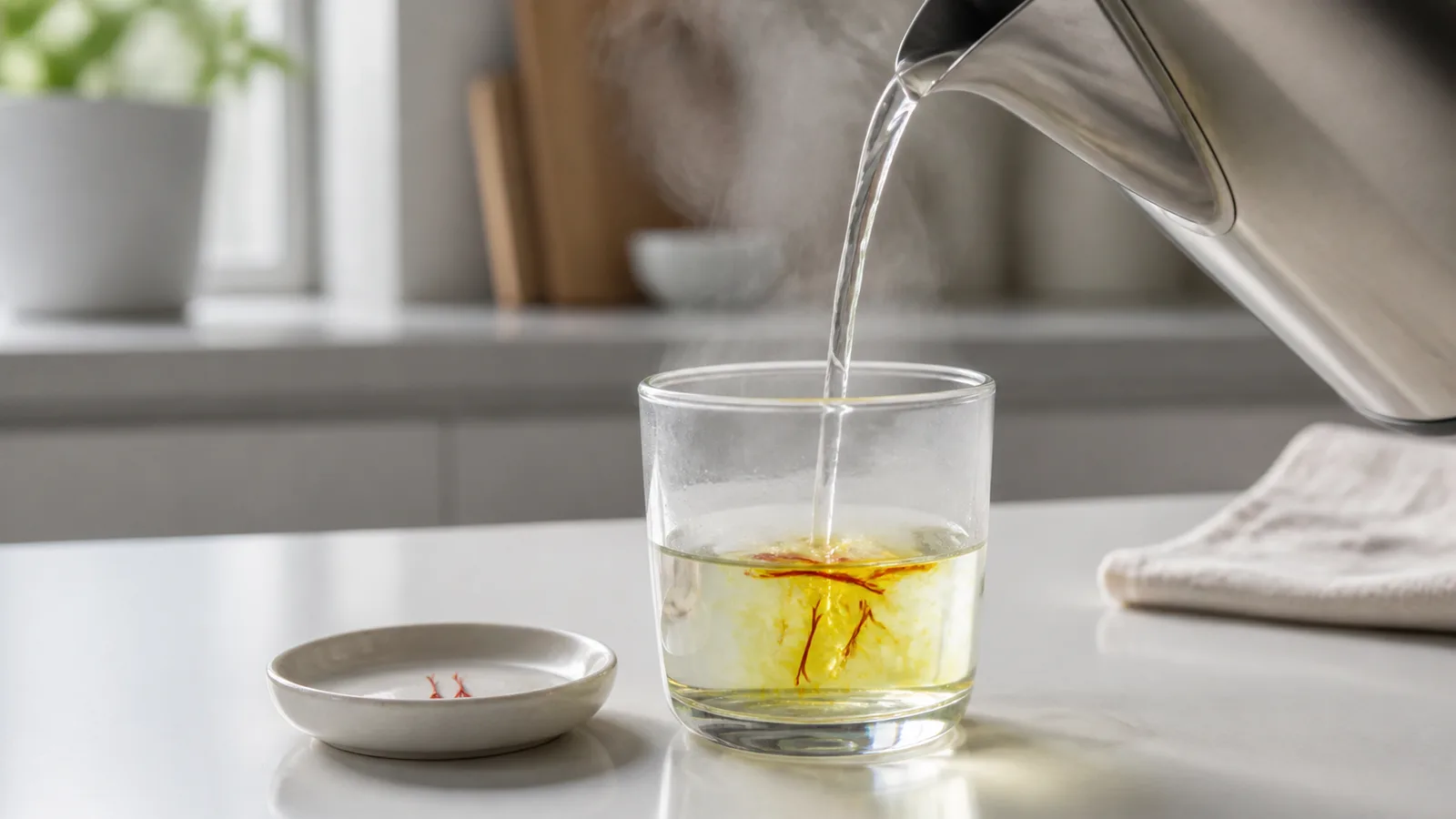
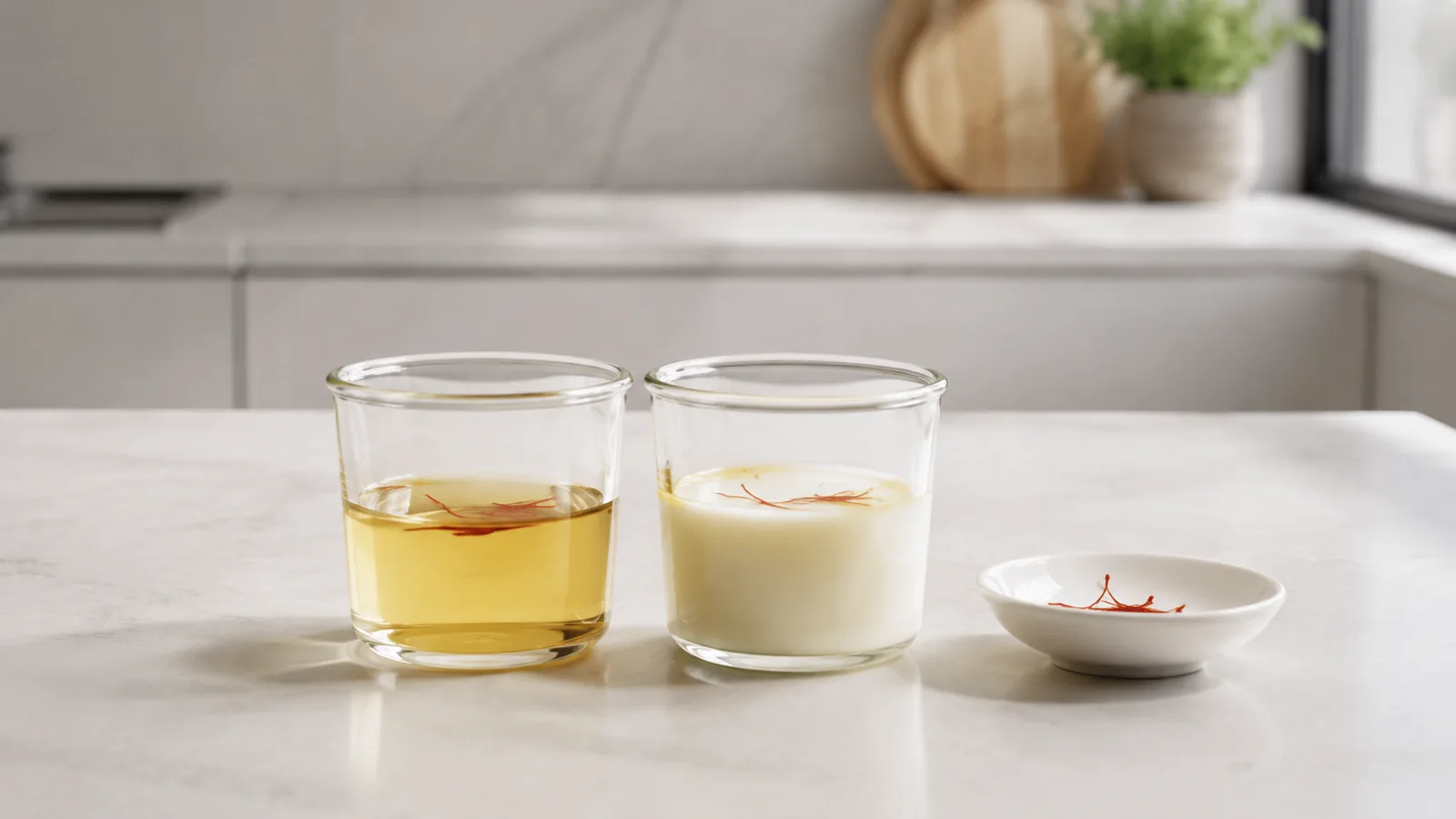
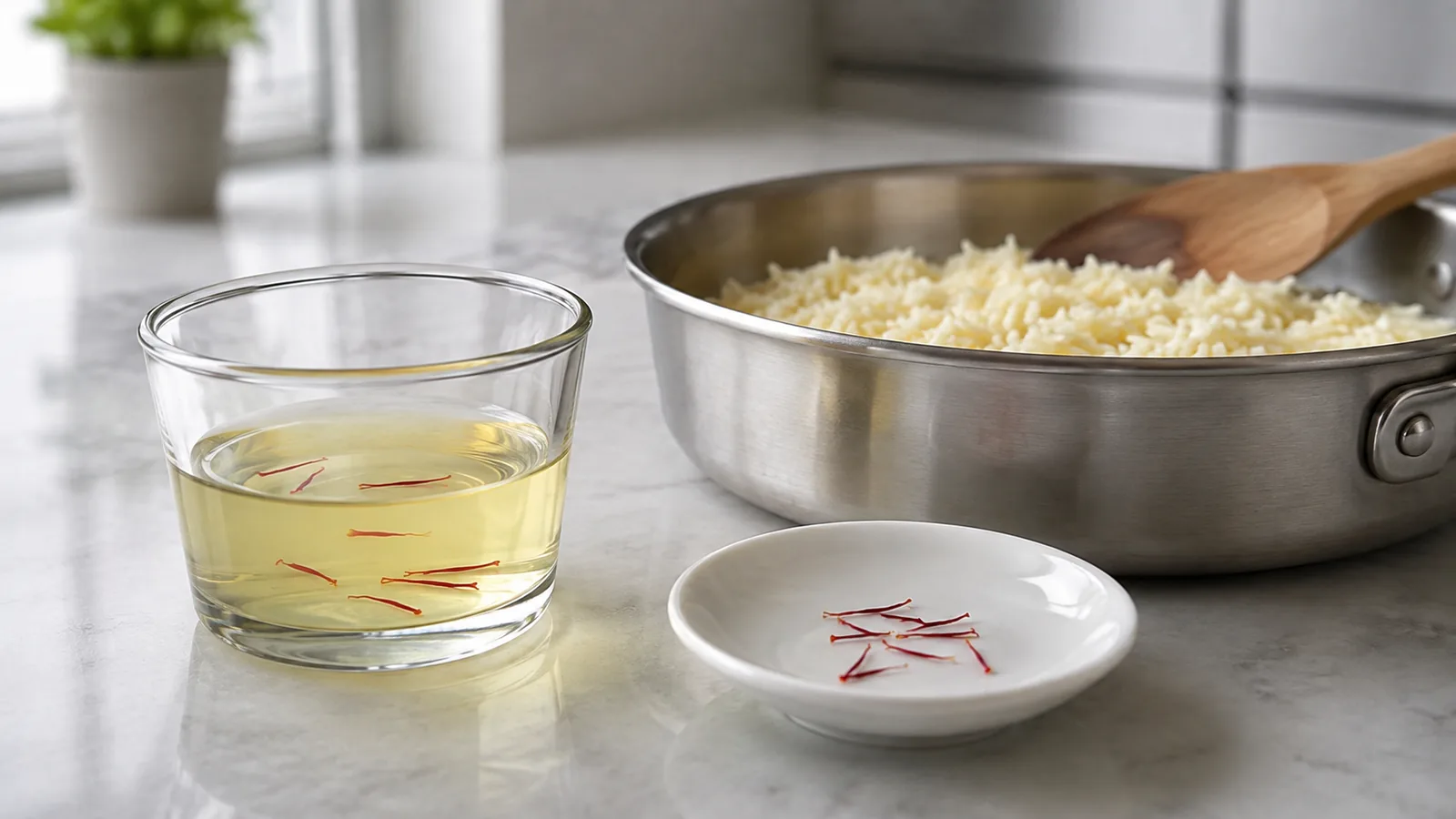
- a generous pinch of saffron, finely ground and bloomed in 1 tablespoon hot water; and
- optional for a sweet-sour finish: 2 tablespoons vinegar and 2 tablespoons grape molasses.
If yellow carrots are unavailable, ordinary carrots are a practical substitute. Parsnip is also translated as zardak in some sources, but it is botanically different and gives a paler, earthier result.
How to prepare zardak kebab
1. Grate and drain the vegetables
Wash and peel the zardak, then grate it finely. Peel and grate the onion. Squeeze both firmly in a clean cloth or fine sieve to remove excess liquid. This is the step the old method omitted; wet vegetables make the patties split and encourage cooks to add too much flour.
2. Mix the patties
Combine the minced meat, drained zardak, drained onion, salt, pepper, turmeric and cinnamon. Knead for 2–3 minutes until tacky. Add chickpea flour one tablespoon at a time, stopping as soon as a small portion holds together.
If the mixture remains crumbly after proper kneading, mix in one small egg. Do not add it automatically: carrot and onion moisture varies, and unnecessary egg can make the mixture softer. Cover and refrigerate for 20 minutes.
3. Shape and fry
Moisten or lightly oil your hands. Take walnut-sized portions and form short, smooth oblong patties. The traditional shape is often compared with okra: small enough to cook through, but not so thin that it breaks in the sauce.
Heat a shallow layer of oil over medium heat. Fry in batches without crowding, turning until both sides are well browned. Transfer to a plate. Browning gives structure; the patties will finish cooking in the saffron sauce.
4. Make the saffron sauce
Combine the ¼ cup sugar and ¼ cup water in a wide pan. Warm gently, stirring only until the sugar dissolves and the liquid reaches a simmer. Add the bloomed saffron.
For the traditional sweet-sour direction described in the old notes, add vinegar and grape molasses. The previous phrase “grape juice” would make a thin, less concentrated sauce; grape molasses or syrup is the more coherent ingredient. Taste the sauce and balance it before adding the meat.
5. Simmer for 30–40 minutes
Arrange the fried kebabs in one layer in the pan and spoon sauce over them. Cover loosely and simmer on very low heat for 30–40 minutes, turning once with care. If the sauce reduces too quickly, add a tablespoon of hot water. The finished glaze should cling lightly rather than become hard caramel.
Because these are ground-meat patties, check the thickest one with a food thermometer. FoodSafety.gov lists 71°C (160°F) as the safe minimum for ground meat and sausage.
How the finished dish should taste
Zardak kebab should be tender, lightly sweet and aromatic, with saffron above the warm cinnamon and turmeric. Vinegar and grape molasses make it malas—balanced between sweet and sour—rather than simply sugary.
Serve the soft patties with fresh herbs, flatbread or plain rice. Keep the garnish fresh and sharp; the kebab itself is already rich and glazed.
Troubleshooting
- Patties break: squeeze the vegetables more firmly, chill the mixture and add chickpea flour gradually.
- Patties are hard: too much flour or prolonged high-heat frying is usually responsible.
- Sauce crystallises: keep the heat low and avoid reducing it to a thick candy syrup before the kebabs go in.
- Sauce is too sweet: add vinegar a teaspoon at a time; grape molasses adds both fruit depth and sweetness.
- Saffron disappears: bloom it separately and add it after the sugar has dissolved.
Zardak, not turmeric kebab
The recipe’s identity comes from the grated yellow carrot or zardak in the meat. Turmeric is present only in a small seasoning amount. If you reached this page through the misspelling “safron kebab,” the spice is saffron and the dish is zardak kebab: an Isfahani pan-cooked kebab with its own sweet or sweet-sour sauce.