

Is Saffron Really Expensive?
Saffron is known as one of the most expensive spices in the world. Its high price often leads people to wonder why it costs so much and what makes it stand out from other spices. While saffron’s price is undoubtedly high, there are several reasons behind its cost that make it worth the investment. Let’s take a closer look at why saffron is so expensive and explore the factors that contribute to its steep price.
Labor-Intensive Harvesting Process
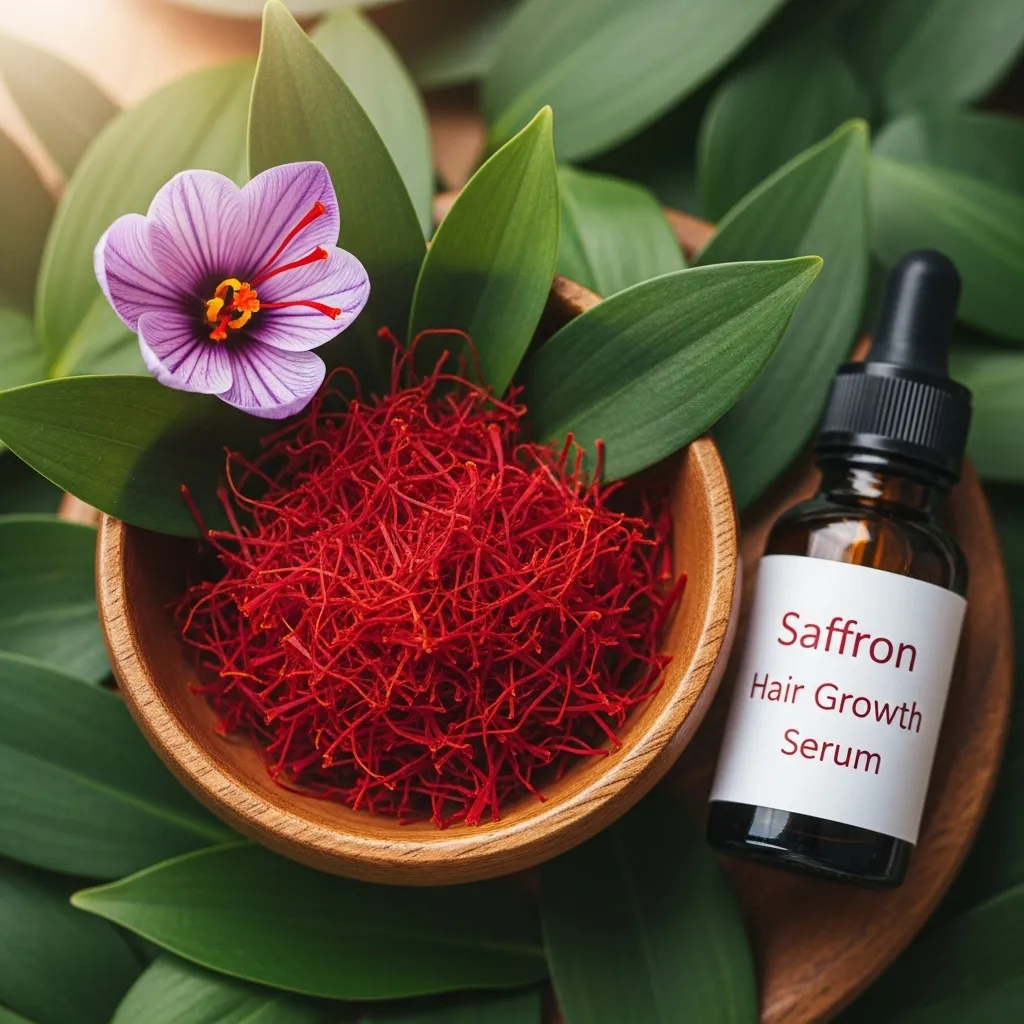
One of the main reasons saffron is expensive is its labor-intensive harvesting process. Saffron comes from the Crocus sativus flower, which blooms only once a year. Each flower produces only three red stigmas, which are the saffron threads. To collect just one pound of saffron, it takes around 75,000 flowers. This requires extensive manual labor, as each flower must be carefully handpicked. The process is time-consuming and delicate, contributing to the high cost.
Small Yield and Seasonal Harvest
Saffron is harvested in small quantities each year, and the flowers only bloom for a short period, usually in the fall. This makes saffron a highly seasonal crop. Unlike other spices that can be harvested more frequently, saffron’s limited harvest window increases its rarity and, consequently, its price. The small yield also means that demand often outweighs supply, further driving up the price.
The Complexity of Drying Saffron
After harvesting the saffron flowers, the delicate threads must be carefully dried to preserve their color, flavor, and aroma. This drying process is critical and must be done at the right temperature to maintain saffron’s quality. The complex and precise drying process adds to the cost, as any mistake can lead to a loss in quality, making it less valuable.
Geographical Limitations
Saffron is primarily grown in a few specific regions of the world, such as Iran, India (particularly in Kashmir), and Spain. These limited growing regions also contribute to its high price. The climate and soil conditions required for saffron cultivation are very specific, which means it cannot be grown just anywhere. This geographic limitation adds to saffron’s scarcity, making it even more expensive.
High Demand and Premium Quality
Another factor that contributes to saffron’s high cost is the growing demand for premium-quality saffron. Saffron is widely used in cooking, traditional medicine, and beauty treatments. As more people discover the benefits of saffron, its popularity has increased, leading to higher prices. Additionally, the demand for pure, high-quality saffron is much greater than that for lower-grade saffron, which pushes up the overall market price.
How Much Does Saffron Cost?
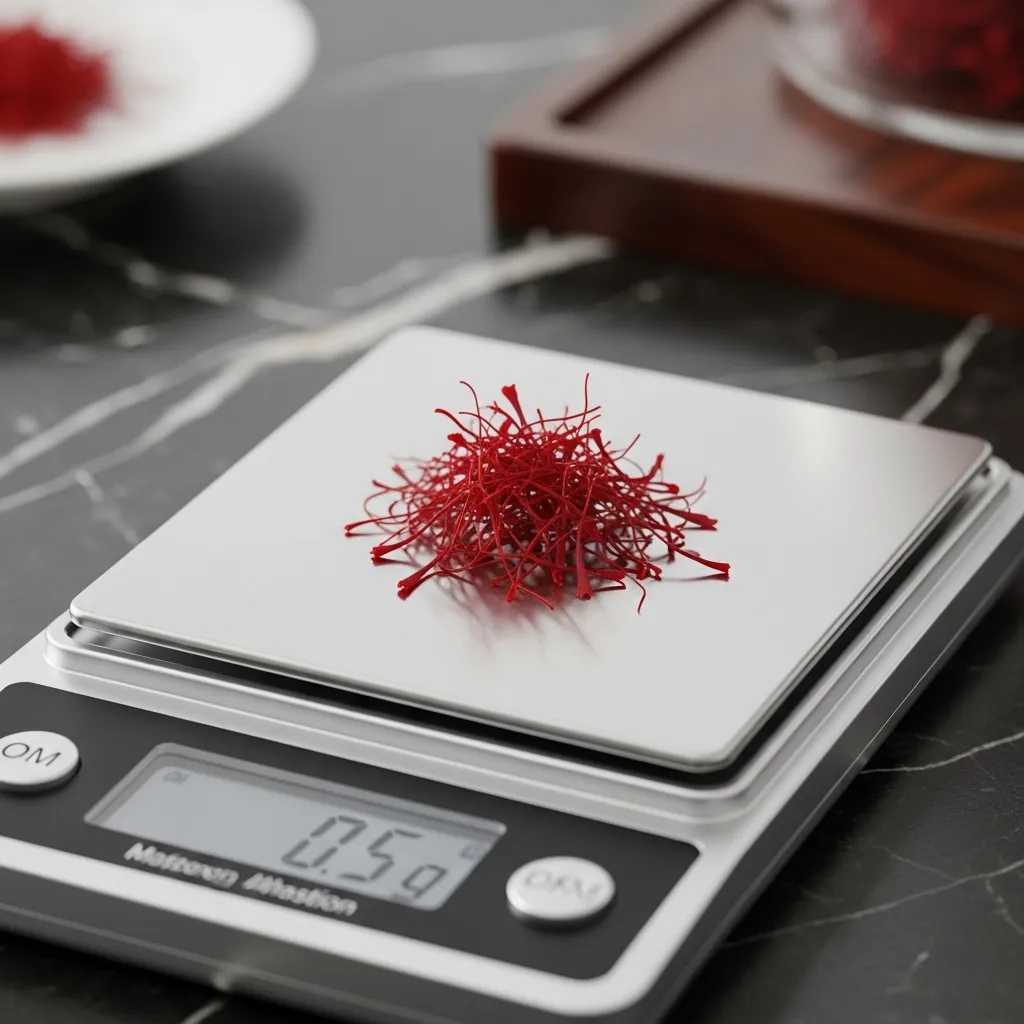
The price of saffron varies depending on quality, origin, and supplier. On average, the cost of high-quality saffron can range from $500 to $5,000 per pound. It’s sold in small amounts, typically in grams or ounces, due to its high price. A gram of top-tier saffron can cost anywhere from $10 to $20, making it one of the priciest ingredients available. However, when used in small quantities, saffron’s potent flavor and color make it a valuable addition to any dish, offering great value for its cost.
Conclusion
In conclusion, saffron is indeed expensive, but the price is justified by its labor-intensive harvesting process, small yield, limited growing regions, and high demand. Despite the high cost, saffron is prized for its unique flavor, color, and health benefits, making it a worthwhile investment for those who appreciate its quality. For premium saffron, visit Rowhani Saffron for authentic, top-quality saffron.
For more information or to explore our saffron products, visit Rowhani Saffron.







Get Social