

How to Use Saffron in Cooking
Saffron is one of the most luxurious spices, prized for its unique flavor and vibrant color. Though small in quantity, saffron can make a big impact on your dishes. Using saffron in cooking requires a few simple steps to fully release its flavor and color. In this guide, we’ll explore the best ways to incorporate saffron into your meals and get the most out of this precious spice.
Step 1: Prepare Saffron for Cooking
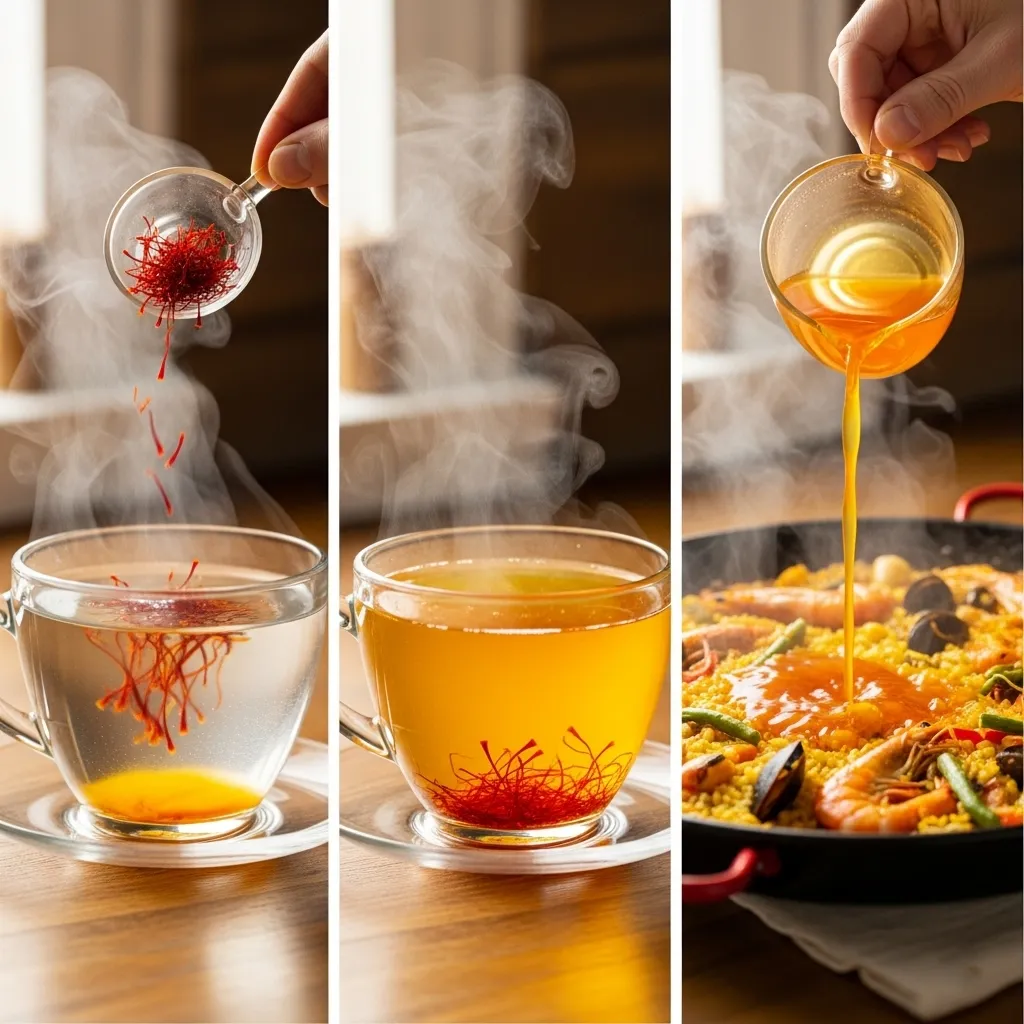
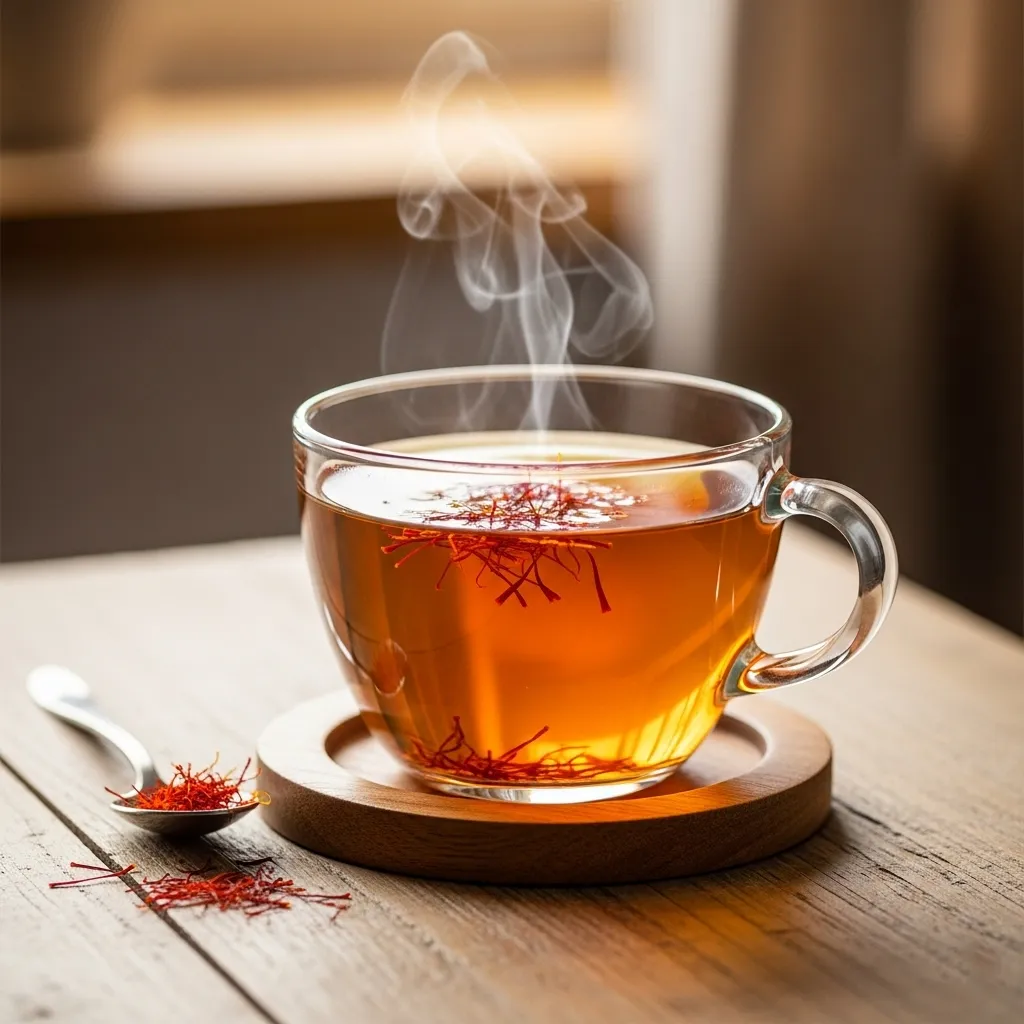
Before adding saffron directly to your dish, it’s important to prepare it properly. Saffron threads are delicate and need to be hydrated in order to release their flavor and color. Start by gently crushing a few saffron threads with a mortar and pestle, or you can use your fingers. This helps release the essential oils in the saffron. Next, soak the crushed saffron in a small amount of warm liquid—such as water, milk, or broth. Allow it to steep for about 10-15 minutes. The liquid should take on a deep golden color, indicating that the saffron is ready to be added to your dish.
Step 2: Add Saffron to Rice and Grains
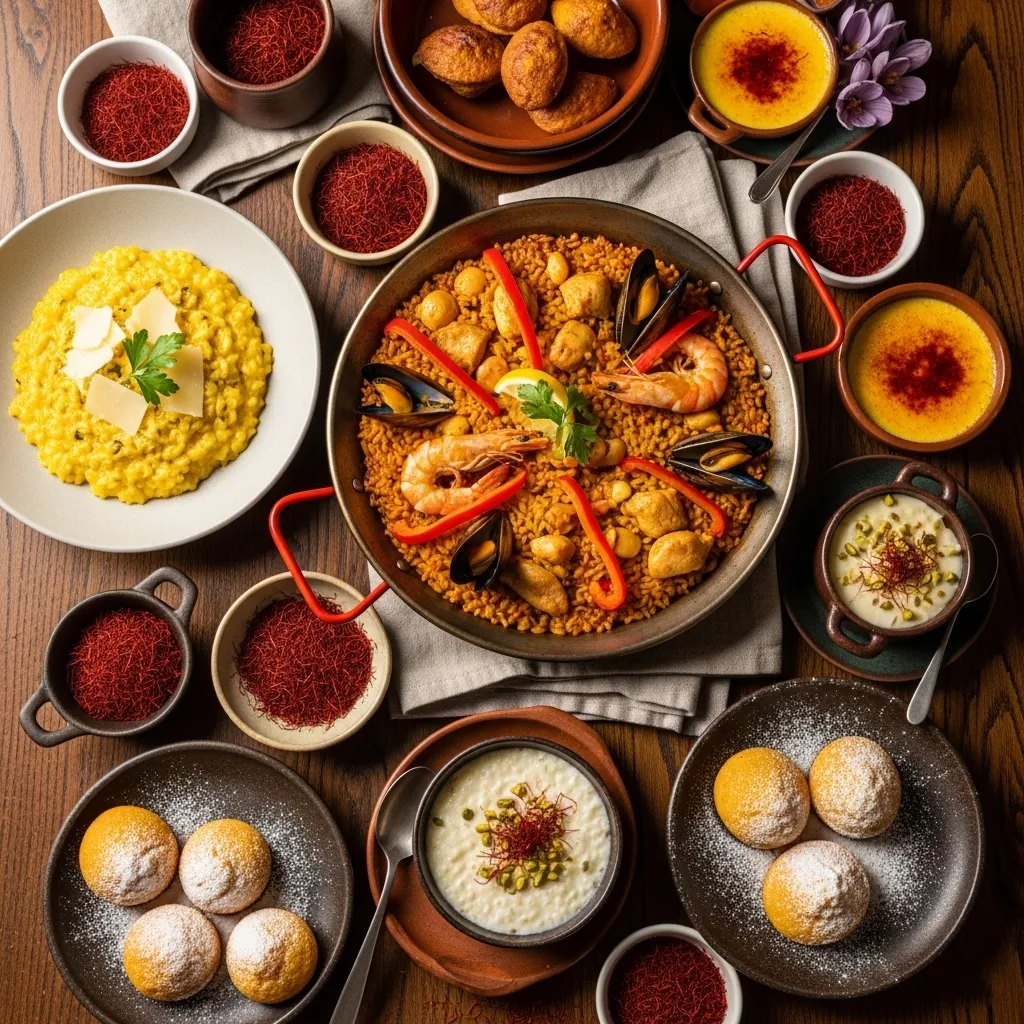
One of the most popular uses for saffron is in rice and grain dishes. To add saffron to rice, simply add the saffron-infused liquid to the cooking water. You can also stir the saffron liquid into the rice once it’s cooked. This will impart a beautiful golden color and a subtle, floral flavor. Saffron is often used in dishes like paella, biryani, and pilaf, where its distinct flavor enhances the overall dish. You can also add saffron to couscous, quinoa, and other grains for a similar effect.
Step 3: Use Saffron in Soups and Stews
Saffron works wonderfully in soups and stews. The warm, floral flavor blends well with broths and stocks. To use saffron in soups, add the saffron-infused liquid during the cooking process, especially when making rich broths or creamy soups. Saffron is commonly used in Mediterranean and Middle Eastern soups, like saffron-infused chicken soup or Moroccan harira. The spice adds a comforting depth to the dish, along with a striking color.
Step 4: Incorporate Saffron into Desserts
Saffron’s sweet and floral notes also make it an excellent addition to desserts. You can add saffron to custards, puddings, ice cream, or rice pudding for an exotic twist. A few threads of saffron steeped in warm milk or cream can be drizzled over desserts like cakes, cookies, or pastries. This not only enhances the flavor but also gives a luxurious golden hue to your sweet treats.
Step 5: Infuse Saffron in Drinks
Saffron can also be used in beverages, particularly warm ones. You can add saffron to tea, coffee, or even make a saffron-infused syrup for cocktails. For a traditional touch, try making saffron milk by adding saffron strands to warm milk with a touch of honey or sugar. This soothing drink is often enjoyed in many cultures for its relaxing and medicinal properties.
Step 6: Experiment with Saffron in Sauces and Marinades
Saffron can elevate sauces and marinades, especially in dishes that feature fish, chicken, or lamb. Infuse saffron into olive oil, yogurt, or vinegar to create a flavorful marinade. You can also incorporate saffron into creamy sauces, like a saffron-infused béchamel sauce, to complement pasta, seafood, or vegetables. The gentle heat from the saffron complements the richness of the sauce, creating a balanced, aromatic flavor.
Conclusion
In conclusion, saffron is a versatile spice that can be used in a wide range of dishes, from savory meals to sweet treats. By properly preparing saffron and using it in the right quantities, you can elevate the flavor and color of your food. Whether you are cooking rice, soups, desserts, or beverages, saffron brings a unique richness and depth to every dish.
If you’re looking for the finest saffron, visit our saffron products page to purchase premium saffron for your cooking.
Feel free to contact us if you need more tips or have questions about using saffron in your recipes.







Get Social