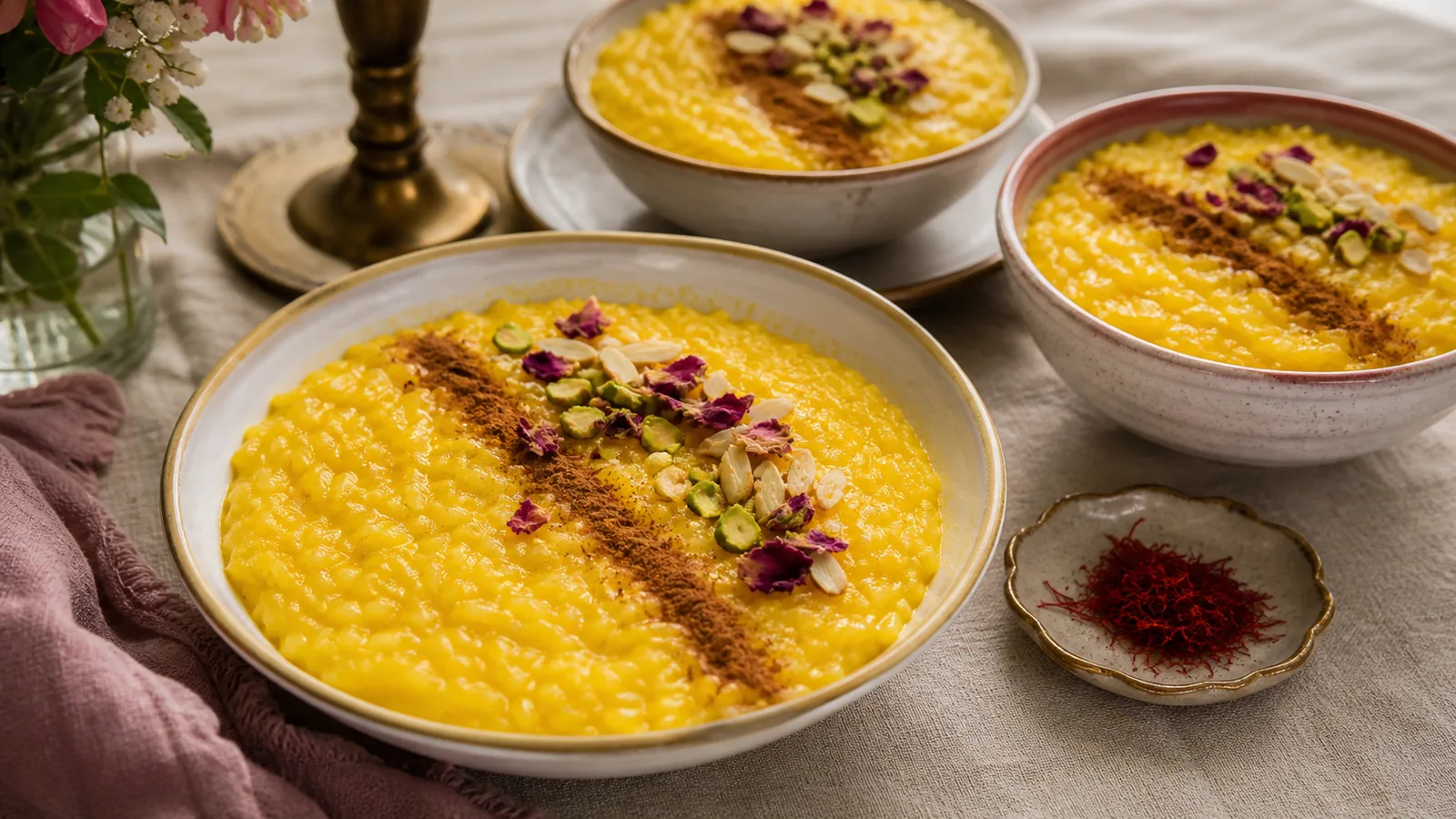
Sholeh zard is a Persian saffron rice pudding made by cooking rice in water until it nearly dissolves, then adding sugar, bloomed saffron, rosewater, and usually butter and almonds. It should be pourable while warm and softly set when cold, with a clear golden colour and no firm rice centre.
This saffron sholeh zard dessert recipe makes about eight small bowls. The method is more important than speed: soften the rice completely before adding sugar, stir more often as the pot thickens, and remember that the pudding firms considerably as it cools.
Sholeh zard is pudding, not saffron pilaf
The absorbed source called this dish “saffron pilaf,” but its ingredients and technique describe sholeh zard. Pilaf keeps the grains separate. Sholeh zard deliberately cooks them until they break down into a creamy, dairy-free pudding.
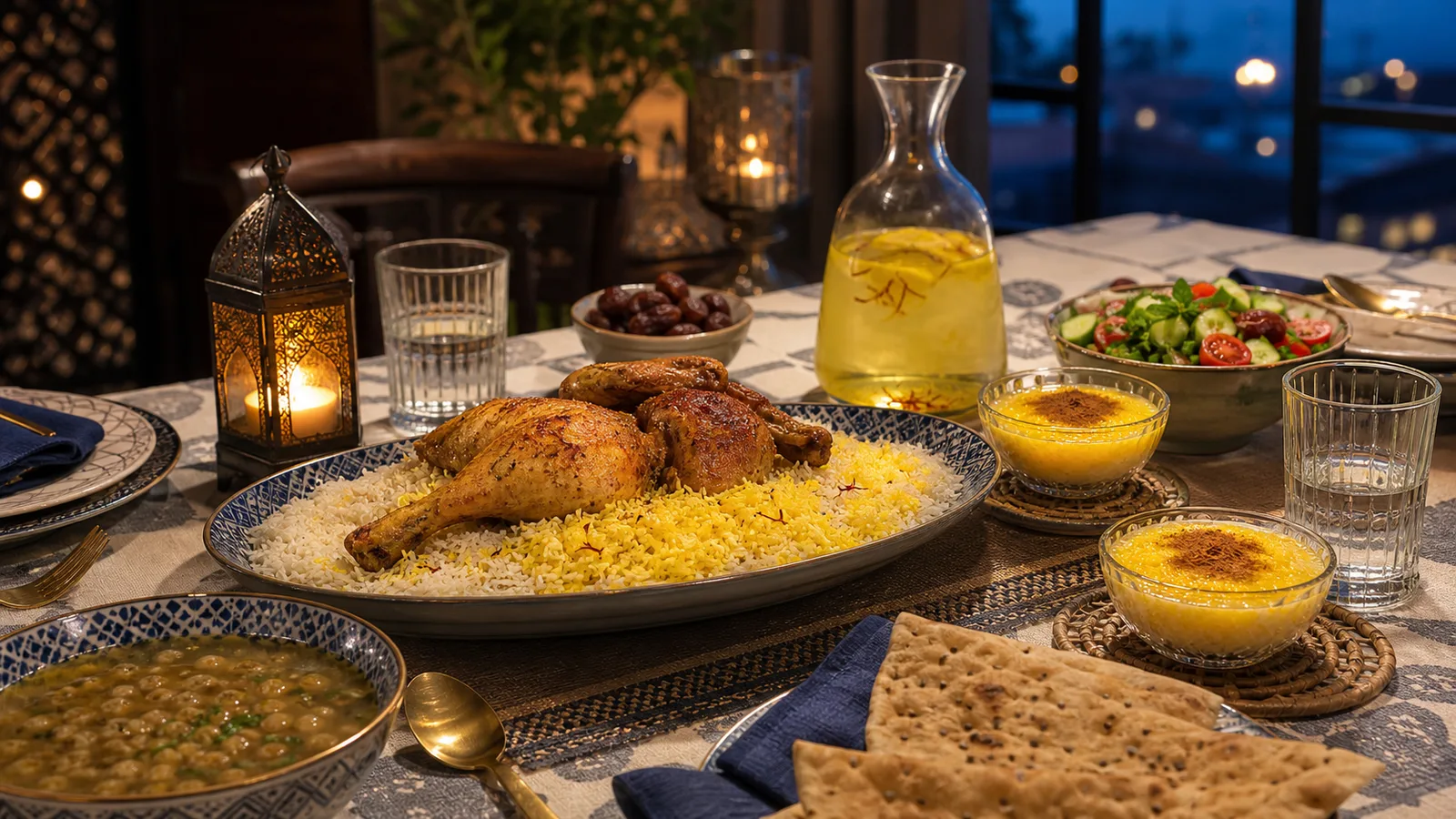
It is served at family gatherings and during Ramadan, and it is also prepared as nazri, food made and shared with others for a vow, remembrance, or religious occasion. Cinnamon patterns, pistachios, almonds, and dried rose petals often decorate the surface.
Ingredients for about eight servings
- 1 cup (about 190 g) short- or medium-grain white rice;
- 8 cups (1.9 litres) water, plus extra boiling water if needed;
- 1½ cups (300 g) sugar;
- ½ teaspoon saffron threads;
- 3 tablespoons warm water for blooming the saffron;
- 3 tablespoons unsalted butter or neutral oil;
- 3 tablespoons culinary rosewater;
- ¼ teaspoon ground cardamom, optional;
- ¼ cup slivered blanched almonds, optional;
- ground cinnamon, chopped unsalted pistachios, and dried culinary rose petals for garnish, optional.
This ratio follows the traditional structure used by established Persian cooks and is close to the one-cup-rice/eight-cup-water method in Food Network Kitchen’s tested sholeh zard recipe. Sweetness varies by household; 1½ cups is a practical starting point, while two cups produces a distinctly sweeter ceremonial style.
Prepare the rice, saffron, and almonds
Rinse the rice several times until the water is mostly clear. Broken or “half-grain” rice can soak for three to four hours. Whole short- or medium-grain rice benefits from a longer soak; six to twelve hours is generally enough. Keep an overnight soak in the refrigerator rather than leaving wet rice at room temperature.
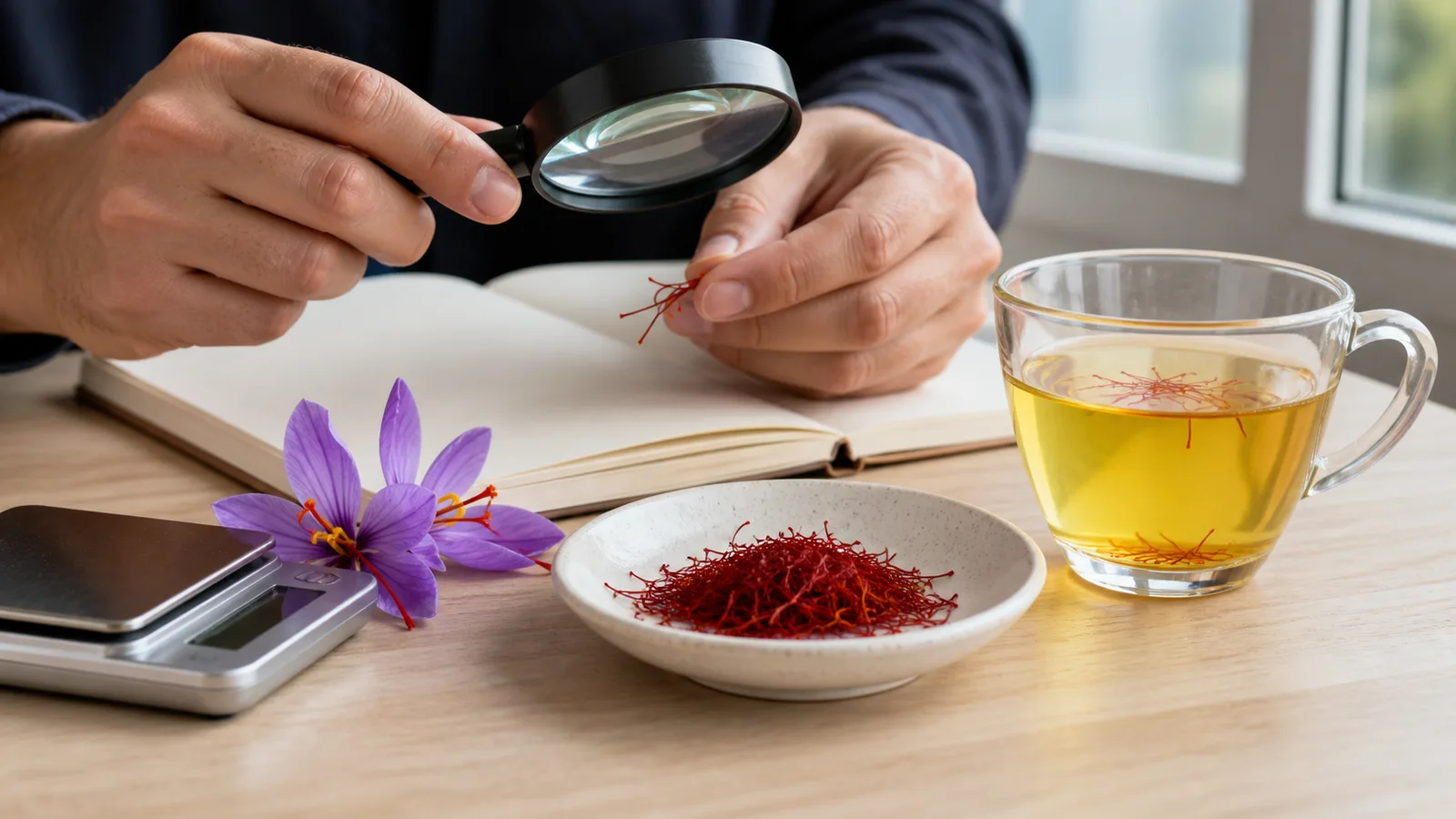
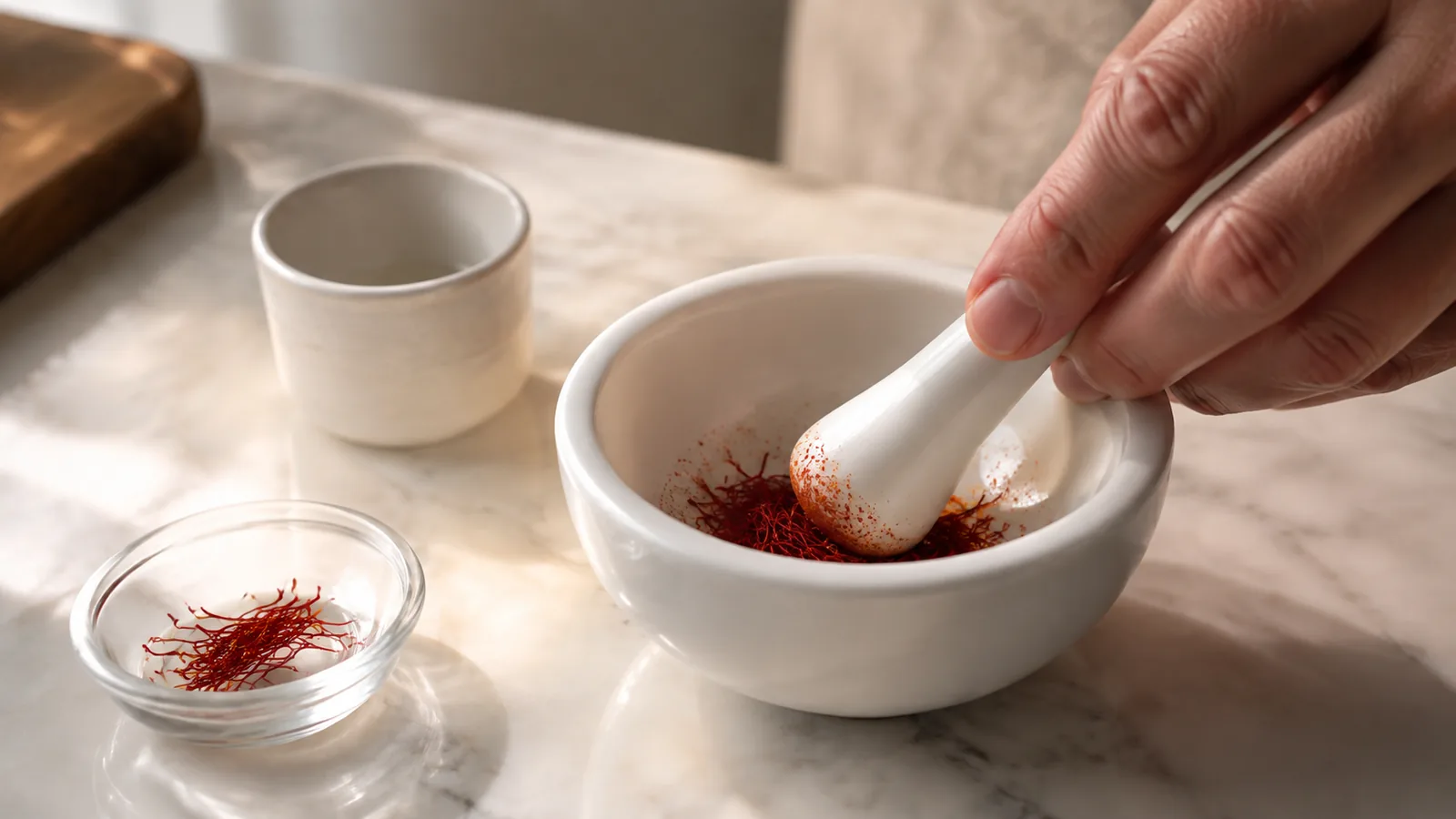
Lightly grind the saffron and cover it with three tablespoons of warm water. Let it bloom for at least ten minutes. The infusion should be deeply coloured and aromatic.
If you want almonds inside the pudding, soak the slivers in the measured rosewater while the rice cooks. This softens them slightly and carries the rose aroma into the final pot. Reserve some dry almonds for garnish if you prefer a crisper finish.
How to make saffron sholeh zard
- Cook the rice until it breaks down. Put the drained rice and eight cups of water in a large heavy-bottomed pot. Bring to a boil, skim any foam, then reduce to a steady uncovered simmer. Cook for 45–60 minutes, stirring occasionally at first and more often later.
- Adjust only with boiling water. If the grains are still firm but the pot is becoming thick, add boiling water ½ cup at a time. Cold water interrupts the simmer. The rice is ready for the next step when it is completely soft and can be pressed into a paste.
- Add the saffron. Stir the bloomed saffron through the softened rice. Adding it before the sugar makes even colour easier to see and distribute before the mixture becomes more viscous.
- Add the sugar. Stir in the sugar gradually. It will loosen the pudding at first. Continue simmering for about ten minutes, scraping the bottom so it does not catch.
- Finish the flavour. Add the butter or oil, cardamom, and the rosewater with its soaked almonds. Cook over low heat for another 10–15 minutes, stirring frequently.
- Rest briefly. When the pudding falls from the spoon in a thick ribbon but still spreads, cover the pot and leave it on the lowest possible heat or a heat diffuser for five to ten minutes. Do not let the base scorch.
- Pour and decorate. Ladle into shallow bowls while warm. Let the surface begin to set before decorating with cinnamon, pistachios, almonds, or rose petals.
Why sugar goes in after the rice is soft
Sugar competes for water and can slow the final hydration of starch. If it is added while the grain centres are still firm, the pudding may thicken around rice that never reaches the desired softness. It does not permanently “stop” rice from cooking, but waiting gives a more reliable texture.
Likewise, sugar does not chemically prevent saffron from releasing colour. Stirring the infusion into the rice first simply makes the colour easier to distribute and judge before the liquid becomes sweeter and thicker. These are practical sequencing rules, not magical reactions.
How to tell when sholeh zard is ready
Drag a spoon across the bottom. The path should close slowly rather than filling instantly, but the pudding should still pour. A hot pot that looks fully set will become too firm in the refrigerator.
Spoon a little onto a cold plate and wait two minutes. This preview shows the cooled texture more accurately. It also helps with sweetness: a hot sample can taste different from the finished chilled dessert. Make final adjustments conservatively because more sugar cannot be removed.
Troubleshooting common problems
- Firm rice in thick pudding: the sugar went in too early or the water ran low. Add a little boiling water and cook gently until the grains soften.
- Watery pudding: continue simmering uncovered and stir more frequently. Do not add dry rice flour or cornstarch; sholeh zard should thicken from its rice.
- Too thick after chilling: gently reheat the portion with a splash of boiling water. Correct the next batch by stopping earlier.
- Pale colour: bloom the saffron thoroughly and mix it through the pot before judging. Do not compensate with artificial yellow colouring.
- Scorched base: transfer the unburned top to a clean pot without scraping the bottom. A heavy pan, moderate heat, and regular stirring prevent recurrence.
- Overpowering rosewater: culinary rosewater varies in strength, so start with less and add it late.
How to scale sholeh zard for a gathering
Large-batch recipes should be scaled from a version you have already cooked, not from a universal “50 servings” claim. Bowl size, evaporation, pot width, burner output, and desired sweetness all matter.
For roughly 48 small dessert bowls, six times the base recipe requires about six cups (1.1–1.2 kg) rice, 48 cups (11.4 litres) water plus a reserve of boiling water, nine cups (about 1.8 kg) sugar, three teaspoons saffron, 18 tablespoons each of butter and rosewater, and about 1½ cups almonds. Split that amount between two or three heavy pots unless you have suitable commercial equipment. Smaller pots cook more evenly and are easier to stir safely.
The old source suggested 2 kg rice, 4 kg sugar, 14 litres water, 1.5 litres rosewater, and only 0.5 g saffron for 50 portions. Those proportions are internally uneven: they create very large portions, unusually strong rosewater, and relatively little saffron. They should not be followed without a full test batch.
Garnishing without damaging the surface
Wait until a thin skin has formed, then place the garnish lightly. For a simple pattern, draw two or three cinnamon lines and add pistachio or almond slivers between them. A stencil works only when the surface is dry enough that cinnamon will not dissolve immediately.
Use culinary dried rose petals, not decorative florist flowers. If serving people with allergies, leave nuts off the main batch and offer them separately with clear labelling.
Serving, storing, and food safety
Sholeh zard can be eaten warm, at room temperature soon after cooking, or chilled. For later service, divide it into shallow bowls so it cools faster, cover, and refrigerate. Do not leave cooked rice pudding at room temperature for an extended display.
The USDA’s two-hour rule says perishable food should not remain unrefrigerated for more than two hours, or more than one hour above 90°F (32°C). Return extra bowls to the refrigerator promptly rather than repeatedly warming and cooling them.
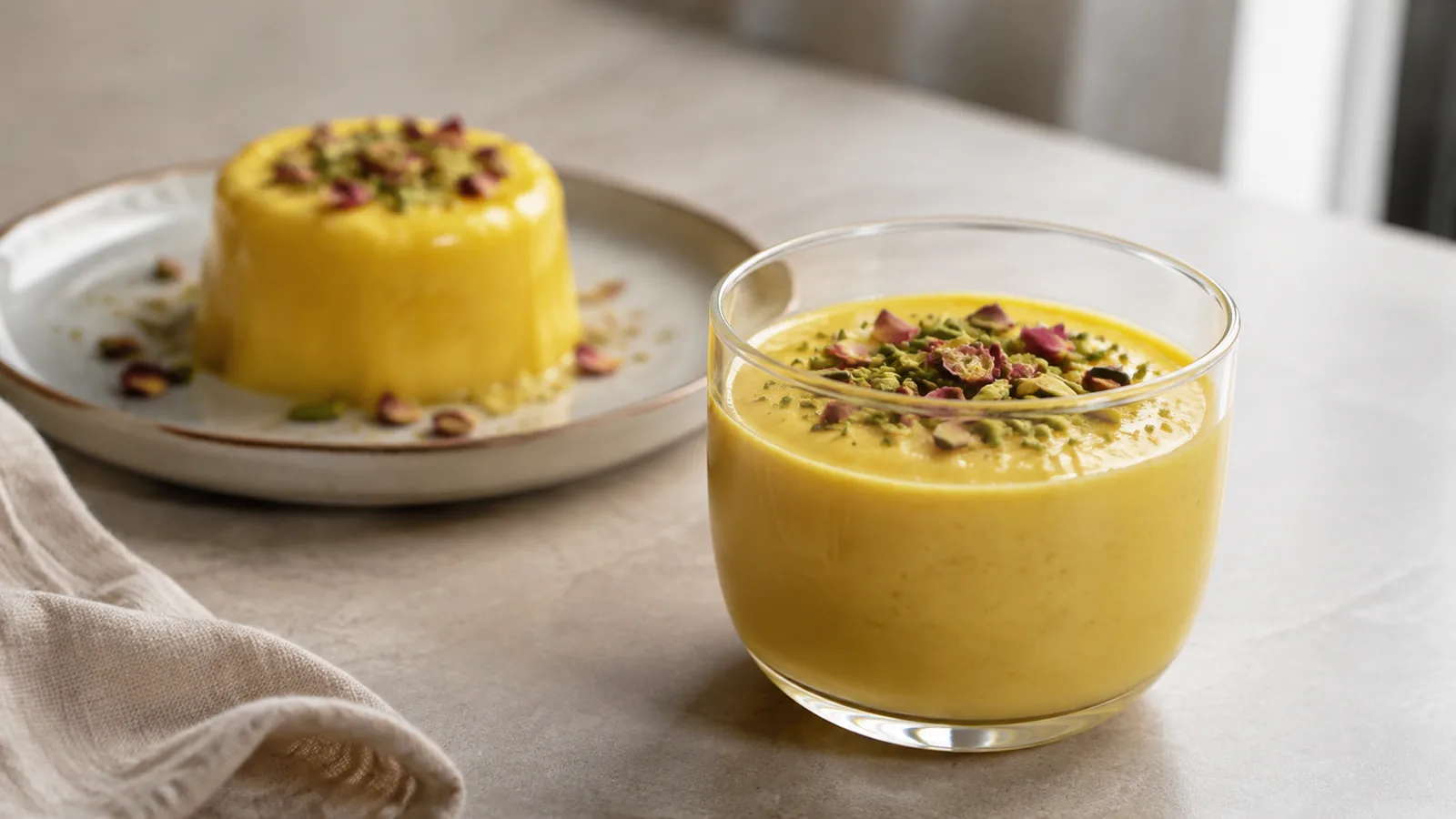
The finished saffron sholeh zard dessert
A successful bowl has rice that has almost disappeared into the pudding, saffron colour that looks naturally golden, and rosewater that remains in the background. The cinnamon and nuts provide contrast without masking the saffron.
Choose clean, fragrant threads and bloom them before they enter the pot. Our saffron collection includes culinary options for sholeh zard; patient cooking and the rice-before-sugar sequence do the rest.