

How Do You Tell if You Have Real Saffron?
Saffron is one of the most expensive spices in the world, and unfortunately, due to its high value, counterfeit saffron is common in the market. Whether you’re buying saffron for cooking, medicinal, or beauty purposes, it’s important to ensure you’re getting authentic saffron. But how do you tell if you have real saffron? In this guide, we’ll share tips on how to identify genuine saffron and avoid fake or adulterated products.
1. Check the Color
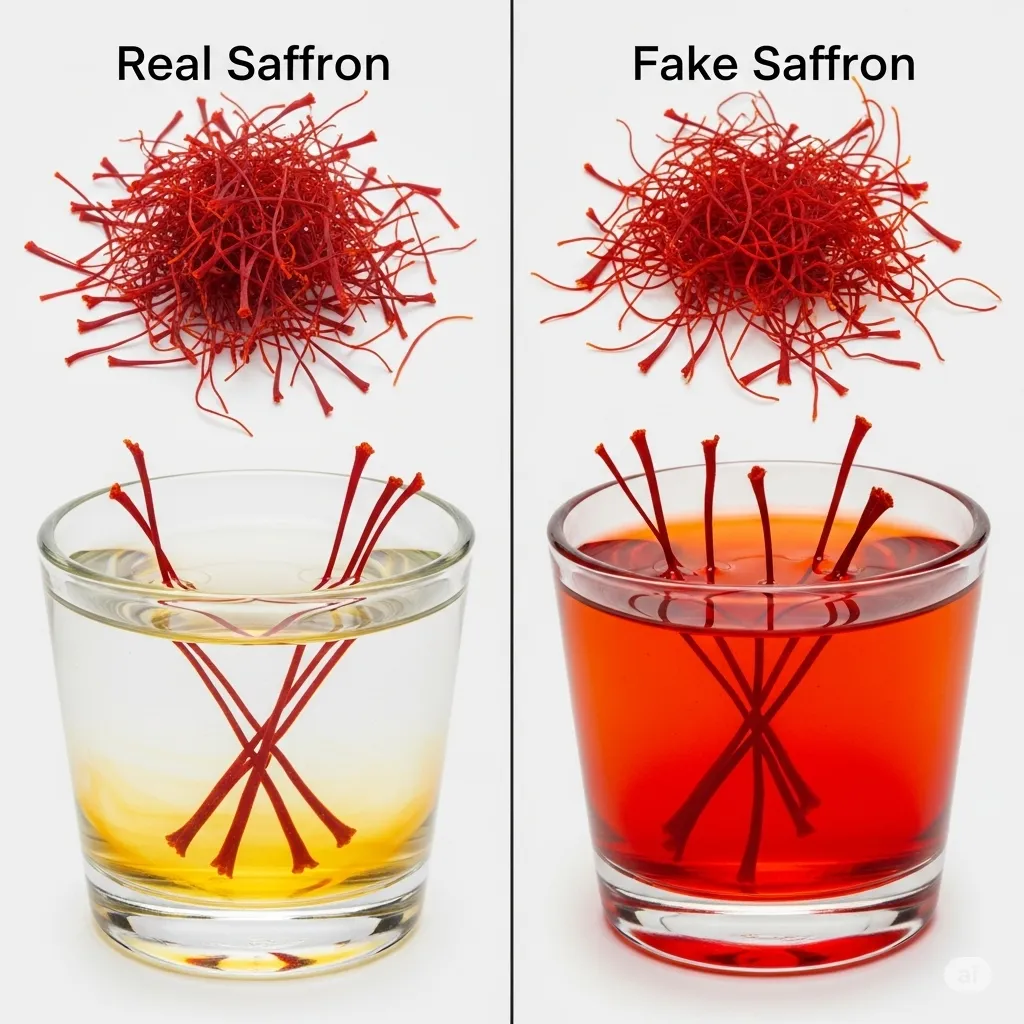
The color of saffron threads is one of the most noticeable features of genuine saffron. Authentic saffron threads have a rich red to deep orange color. The red color should be vibrant, with a slight golden hue at the tip of the threads. If you see saffron that is too yellow or pale, it may be fake. Some counterfeit saffron is colored with artificial dyes to make it look like the real thing.
2. Smell the Saffron
Saffron has a unique, pleasant aroma that is often described as sweet and slightly floral. Real saffron will have a strong, distinct fragrance. If the saffron you have doesn’t have much of a scent, or if it smells artificial, it is likely not authentic. Be cautious of saffron that smells too pungent or chemical, as this could indicate additives or synthetic coloring.
3. Perform the Water Test
One of the easiest ways to test saffron authenticity is by performing the water test. Place a few saffron threads in a glass of warm water or milk. Real saffron will release a deep red or orange color and will slowly dissolve in the liquid. Fake saffron may turn the water yellow instantly but won’t release the characteristic deep red hue, and it may not dissolve properly. The true color should deepen over time.
4. Check the Shape of the Threads
Authentic saffron threads are long and thin with a trumpet-like shape, slightly curled at the tips. The threads should be delicate, not brittle. Fake saffron is often cut into shorter, uneven lengths or may appear thicker or artificial. If you notice saffron threads that are very uniform or that resemble threads of other plants, it may be a sign that the saffron is not genuine.
5. Taste the Saffron
Although saffron is typically used in small amounts, tasting a thread can provide insight into its authenticity. Real saffron has a slightly bitter taste, with a subtle, sweet undertone. Fake saffron may taste bland or overly bitter, depending on the additives used to replicate its flavor. However, be cautious with this method, as consuming large amounts of saffron is not recommended due to its potency.
6. Price and Packaging
Real saffron is expensive due to the labor-intensive harvesting process. If the price seems too good to be true, it probably is. Genuine saffron is often sold in small quantities, and the packaging will usually be transparent or have some form of certification. Look for trusted suppliers who offer saffron in well-sealed, tamper-proof containers. If the saffron is sold in bulk or without proper packaging, it might be counterfeit.
7. Certified Suppliers
One of the best ways to ensure you’re getting real saffron is to buy it from a reputable, certified supplier. Trusted brands often provide certificates of authenticity or have transparent sourcing practices. Always check reviews and ratings before purchasing saffron, especially online, to ensure you’re buying from a reliable source.
If you’re looking for authentic saffron, visit Rowhani Saffron for top-quality, genuine saffron that is guaranteed to meet the highest standards.
Conclusion
When buying saffron, it’s essential to know how to tell if it’s real or fake. By checking the color, smell, taste, and performing the water test, you can ensure you’re getting the authentic product. Purchasing saffron from a certified supplier is another reliable way to avoid counterfeit products. For premium saffron, visit Rowhani Saffron for trusted, high-quality saffron.
For more information or to explore our selection, visit Rowhani Saffron.



Get Social