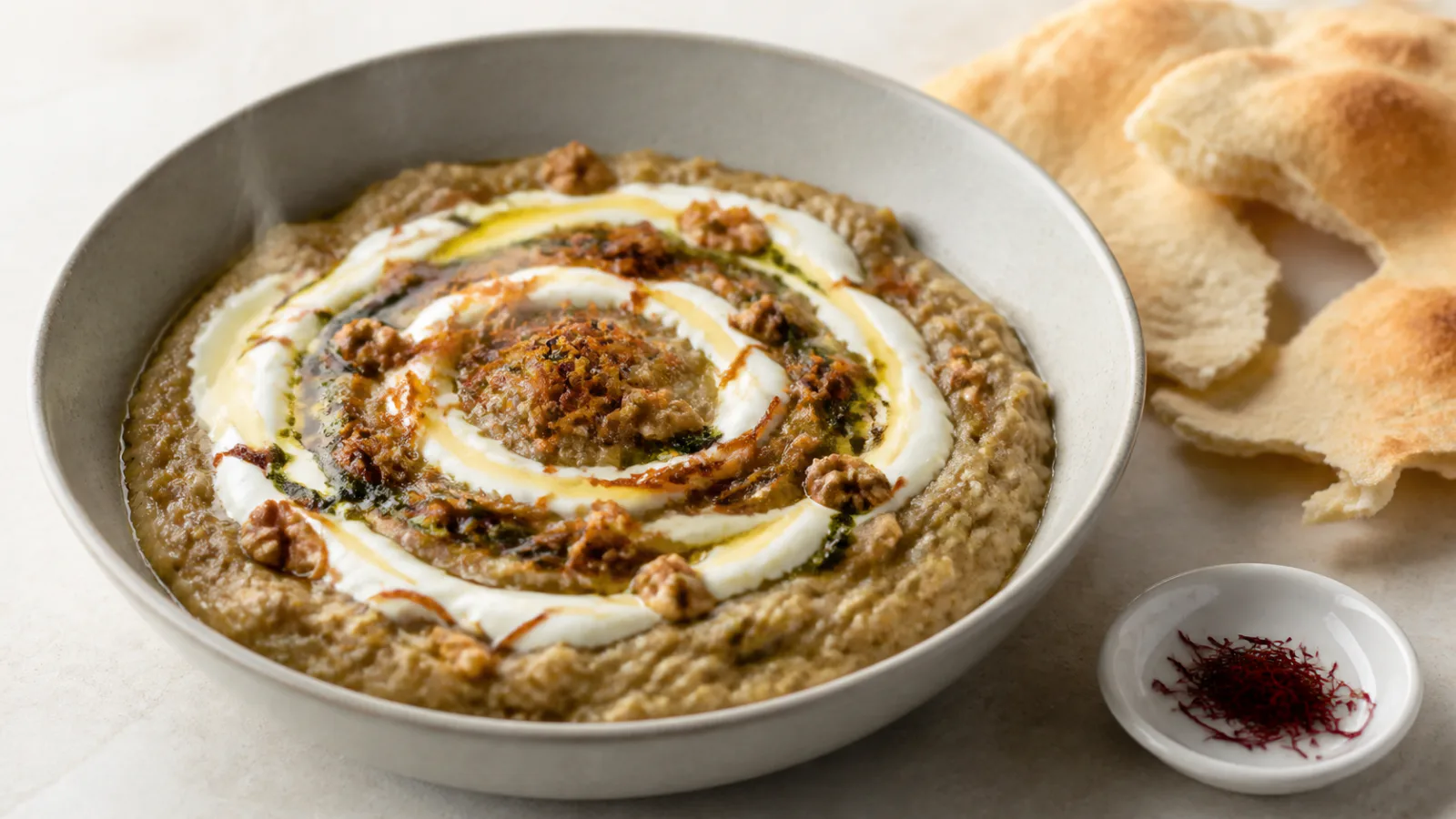
Kashk-e bademjan is a Persian eggplant dish finished with kashk, fried onion and dried mint. English translations sometimes call it eggplant curd because kashk is a fermented dairy product, but the finished food is closer to a warm dip or soft appetiser than a set curd.
This version keeps the saffron garnish from the original recipe while making the quantities and method clear. Roast or shallow-fry the eggplant, cook it with the aromatics, mash it to the texture you like, then add diluted kashk and decorate the top just before serving.
Kashk-e bademjan ingredients
Makes four appetiser servings or two larger plates.
- 1 kg (2.2 lb) eggplants, about 4 large or 8 small
- 4–6 tablespoons neutral oil, divided
- 2 medium onions, thinly sliced
- 2 garlic cloves, finely chopped
- 1 teaspoon ground turmeric
- 2 tablespoons dried mint
- 200 g (about ¾ cup) kashk, plus water for thinning
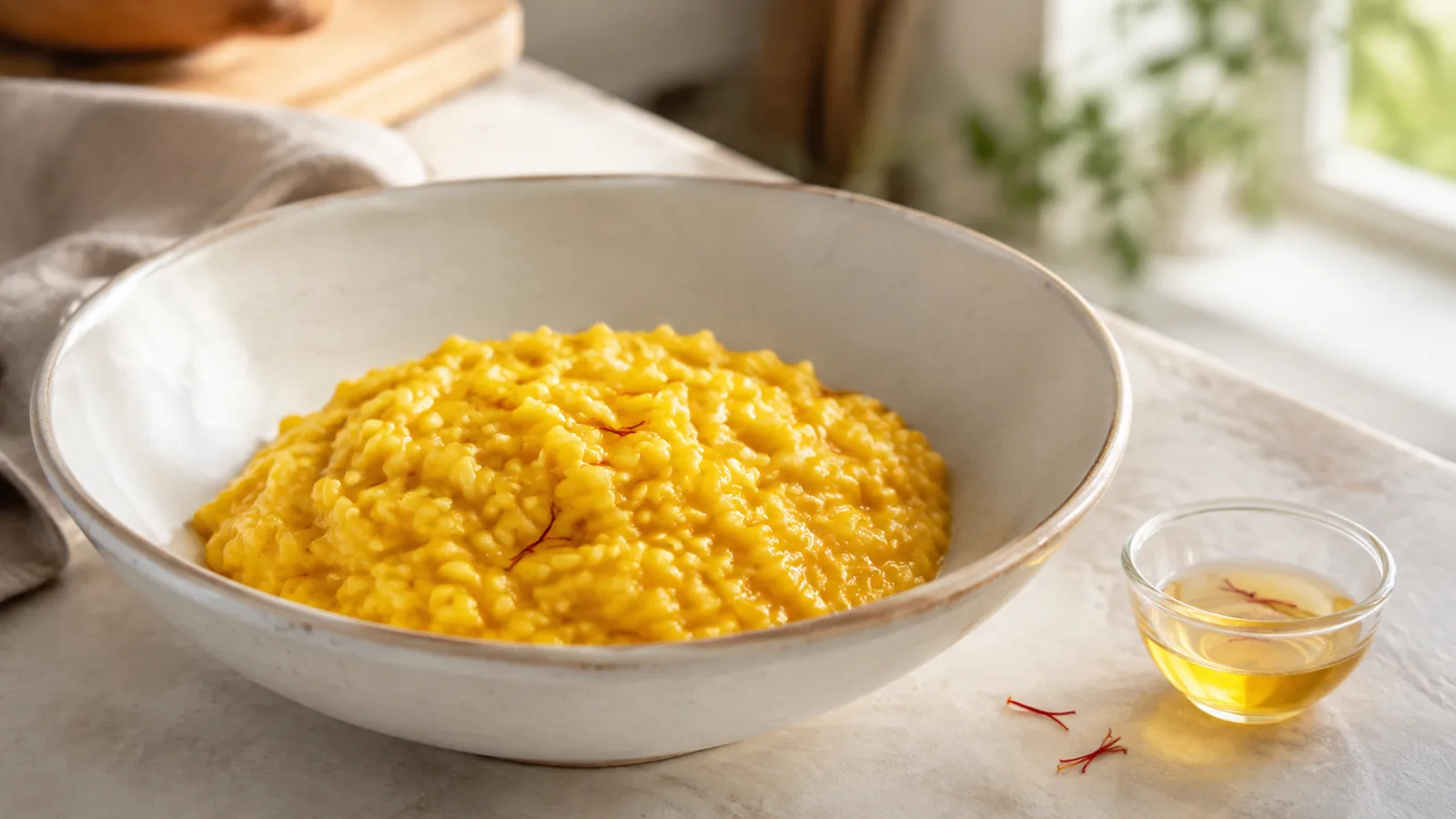
- 10–15 saffron threads
- 2 tablespoons warm water, for blooming the saffron
- Salt and black pepper, to taste
- Optional: ¼ cup chopped walnuts
Kashk varies in saltiness and thickness. Taste it before seasoning the eggplant, and dilute it until it pours in a ribbon. If your kashk requires cooking or has specific storage directions, follow its label.
How to cook eggplant curd
1. Cook the eggplant
Peel the eggplants fully or in alternating strips. Cut them lengthwise. For a lighter dish, brush with oil and roast at 220°C/425°F until completely soft and browned, turning once. For a richer traditional texture, shallow-fry them in batches over medium heat and drain well.
The old recipe called for one and a half cups of oil. Eggplant can absorb that much, but it is not necessary. Starting with four to six tablespoons gives control; add only what the pan needs.
2. Prepare the onion, turmeric and mint
Cook the sliced onions in two tablespoons of oil over medium-low heat until deep golden. Reserve about one third for garnish. Add the garlic and turmeric to the pan and cook for 30 seconds.
For mint oil, warm one tablespoon of oil in a small pan, remove it from direct heat and stir in the dried mint for a few seconds. Dried mint burns quickly and becomes bitter, so residual heat is enough.
3. Mash and simmer
Add the cooked eggplant to the onion mixture. Mash with a wooden spoon or potato masher, leaving a little texture. Season lightly with pepper and, only after tasting the kashk, salt. Cook over low heat for 10–15 minutes so excess moisture evaporates and the flavours combine.
Thin half of the kashk with a little warm water and stir it into the eggplant. Heat gently for another two minutes without a hard boil. If using walnuts, fold them in now.
4. Add the saffron garnish
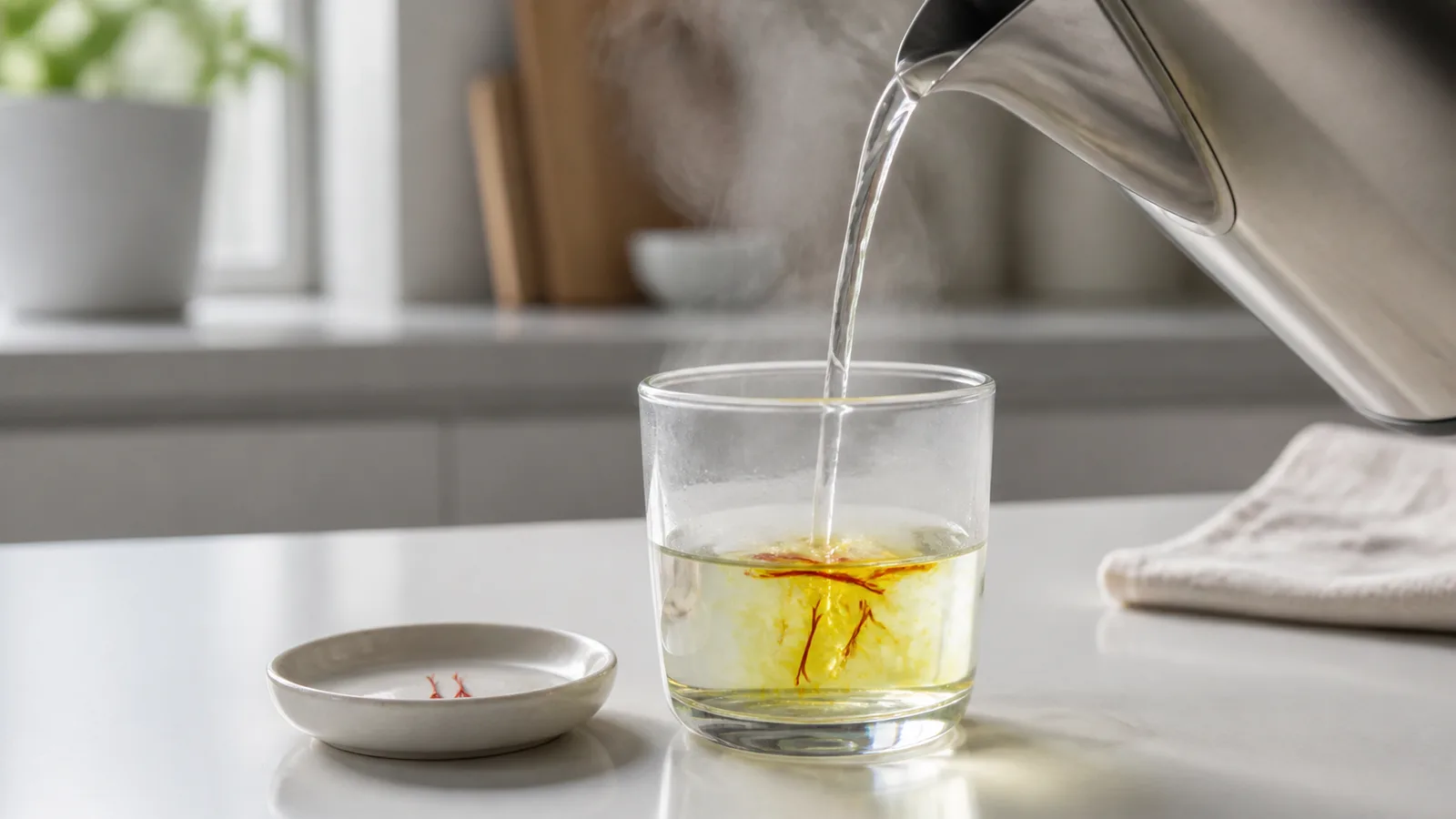
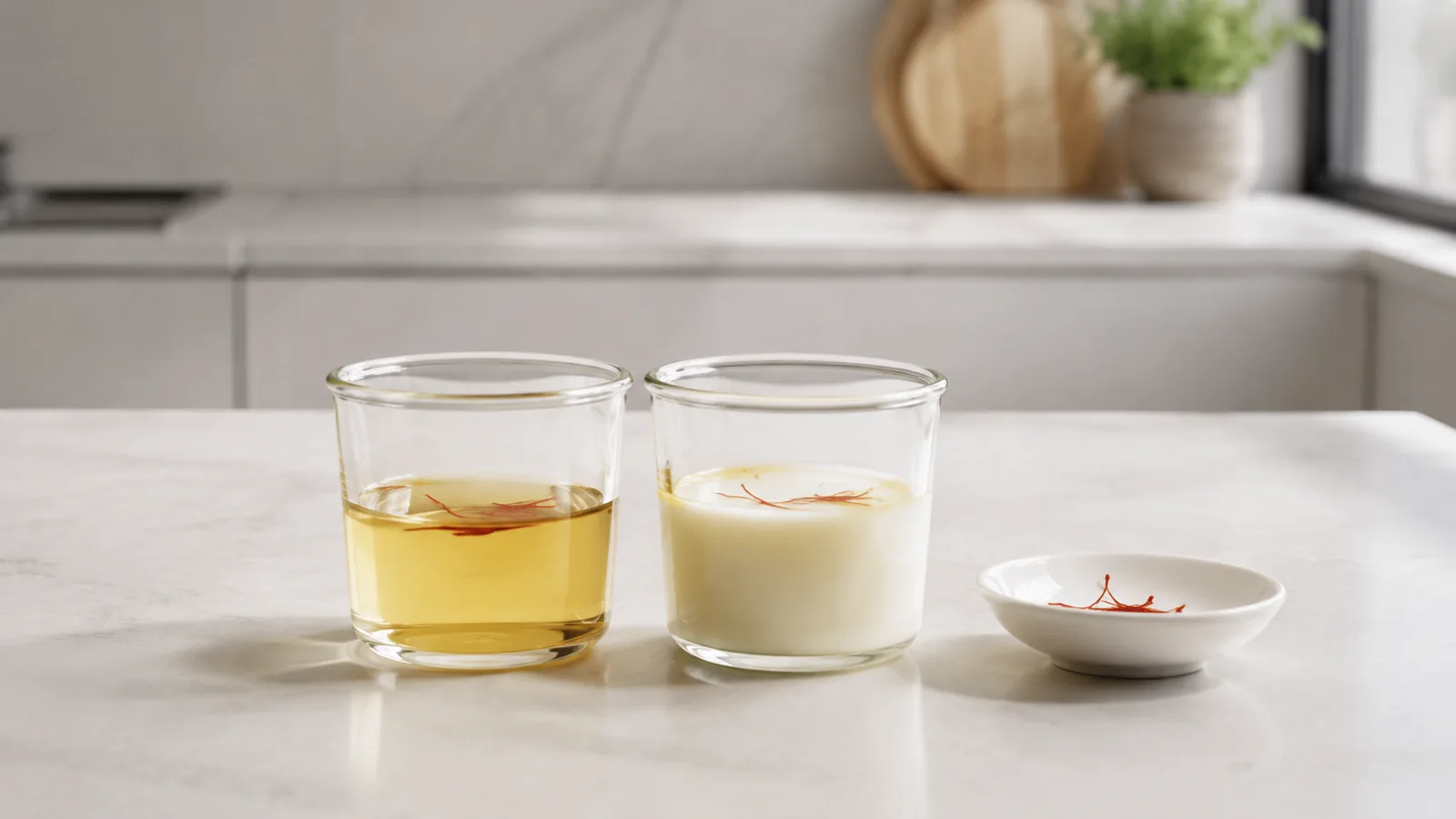
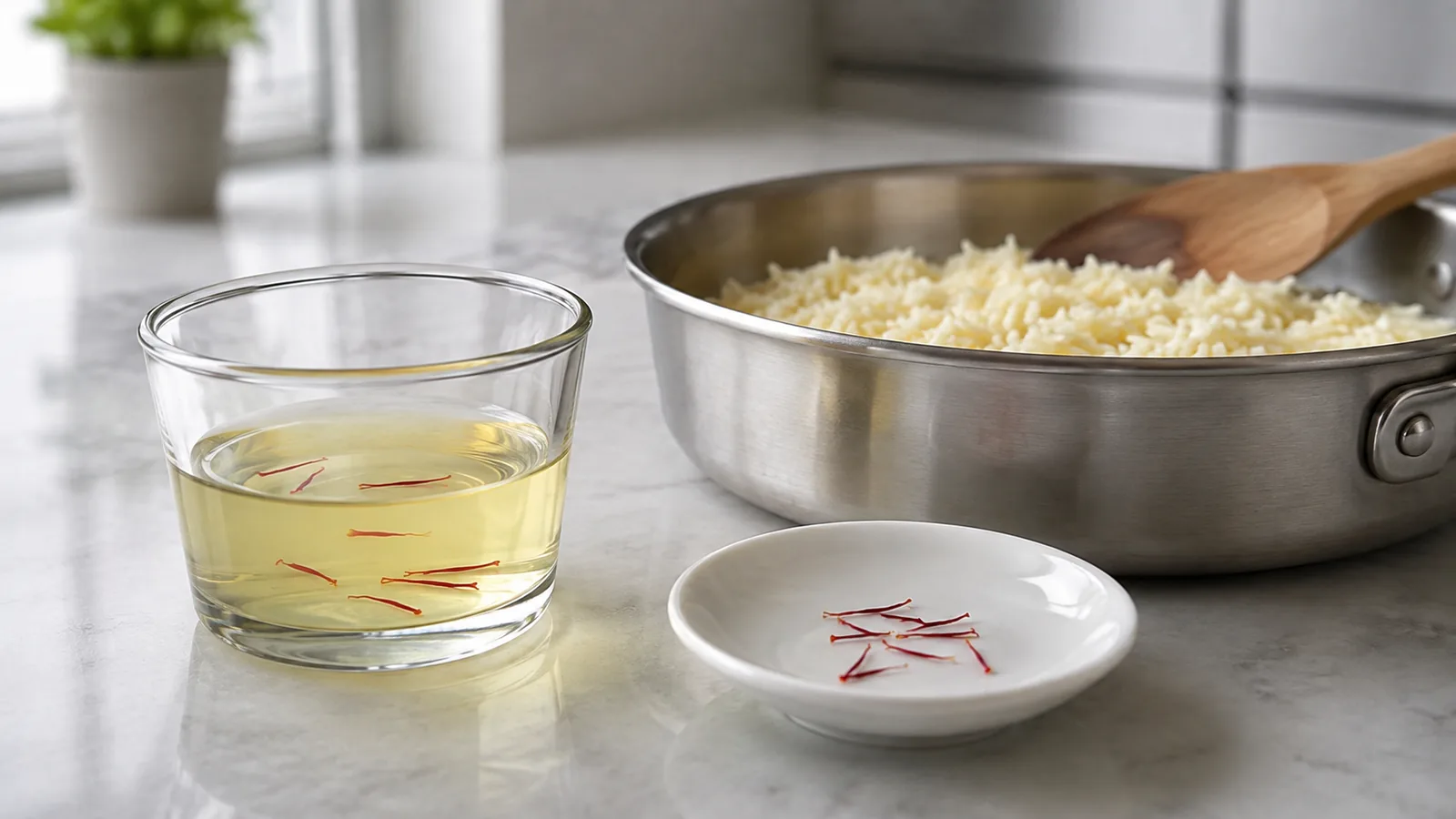
Lightly crush the saffron and cover it with two tablespoons of warm water for 10 minutes. Mix a spoonful of the remaining kashk with a little bloomed saffron to make a pale-gold drizzle. Keep another spoonful plain.
Spread the eggplant on a shallow serving plate. Spoon over the plain and saffron kashk, then finish with fried onion and mint oil. The old instructions described white, yellow and purple face-shaped decoration. A simple swirl is easier to serve and avoids adding unrelated coloured liquids to the dairy garnish.
What is kashk?
Kashk is a concentrated fermented dairy ingredient used in Iranian and neighbouring cuisines. Its tang and salt balance the sweet, soft eggplant and rich onion. It may be sold refrigerated, shelf-stable or dried, with different dilution and heating instructions.
Yoghurt is not an exact substitute: it is usually thinner and less intense, and it may split when heated. If kashk is unavailable, use thick strained yoghurt only as a topping after the eggplant has cooled slightly. The result will be different but still pleasant.
Roasted or fried eggplant?
Both methods work. Frying produces a richer texture and deeper browning. Roasting uses less oil, is easier for a large batch and lets the eggplant soften while the onions cook. Whichever method you choose, cook the flesh fully; undercooked eggplant will not mash into a cohesive dip.
If the finished mixture is watery, simmer uncovered. If it becomes dry, add hot water one tablespoon at a time. Kashk will also loosen the consistency, so adjust before the final garnish.
Serving ideas
Serve kashk-e bademjan warm with lavash, sangak, pita or another flatbread. It can start a meal or sit beside herbs, radishes, walnuts and pickles. The saffron is an accent rather than the dominant flavour.
For a neat plate, keep the garnish quantities modest. Every spoonful should contain eggplant, kashk, onion and mint; a thick layer of decoration makes the dish salty and difficult to share.
Calories and portion size
The former page gave one fixed calorie total for the dish, each plate and each tablespoon, but those figures cannot all be correct. The total changes substantially with the amount of oil absorbed, the brand of kashk, walnuts and serving size.
If nutrition information is important, weigh the oil before and after frying and calculate from the exact labelled ingredients. Roasting the eggplant and using less garnish is the simplest way to reduce the energy density without changing the dish’s identity.
Storing and reheating
Cool leftovers promptly and refrigerate them in a covered container. Store extra kashk according to its label. Reheat the eggplant gently until steaming, adding fresh kashk and garnish after reheating for the cleanest appearance.
Do not leave a dairy-topped plate at room temperature for extended periods. When storage time or temperature control is uncertain, discard it rather than tasting to test safety.