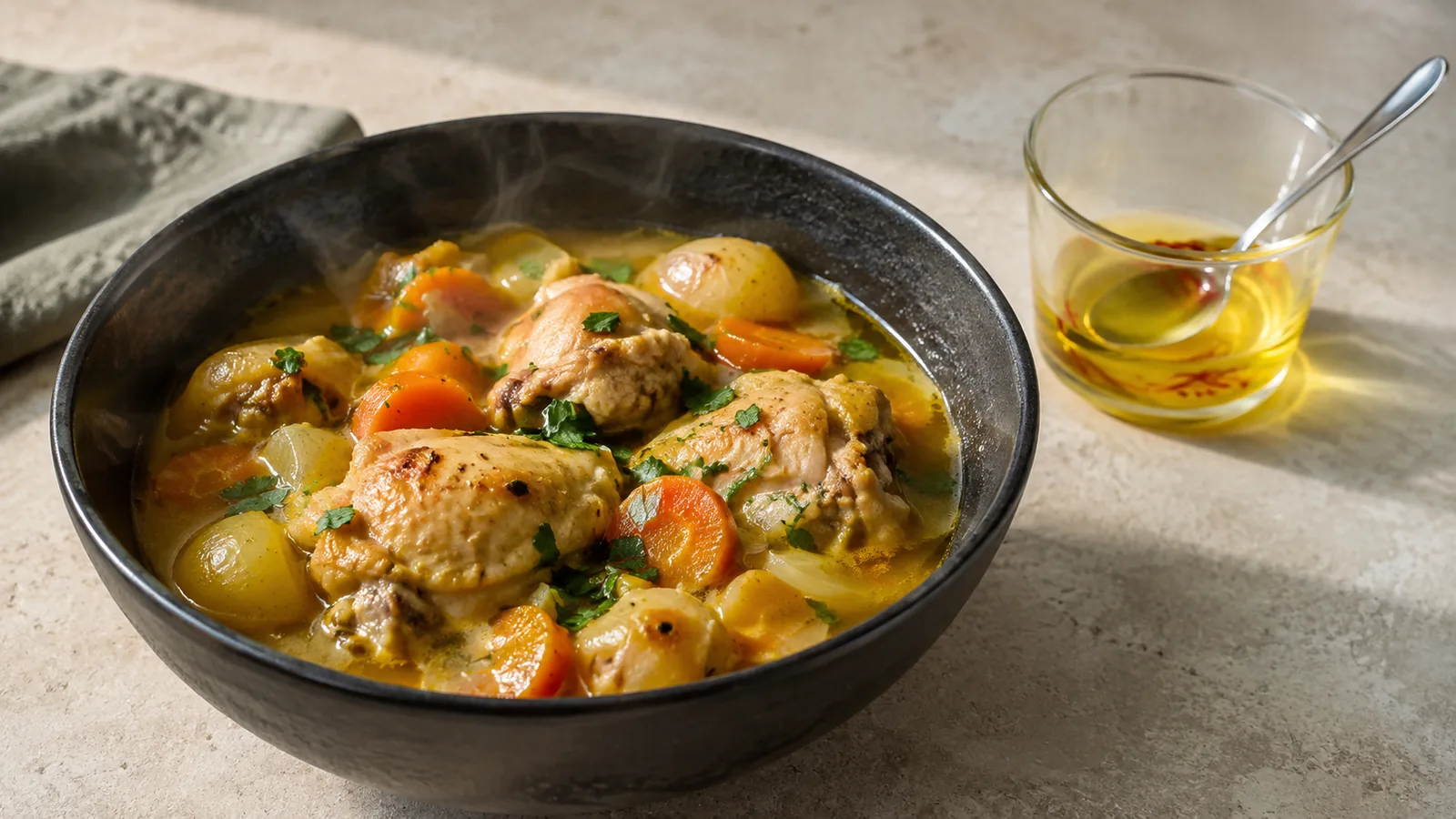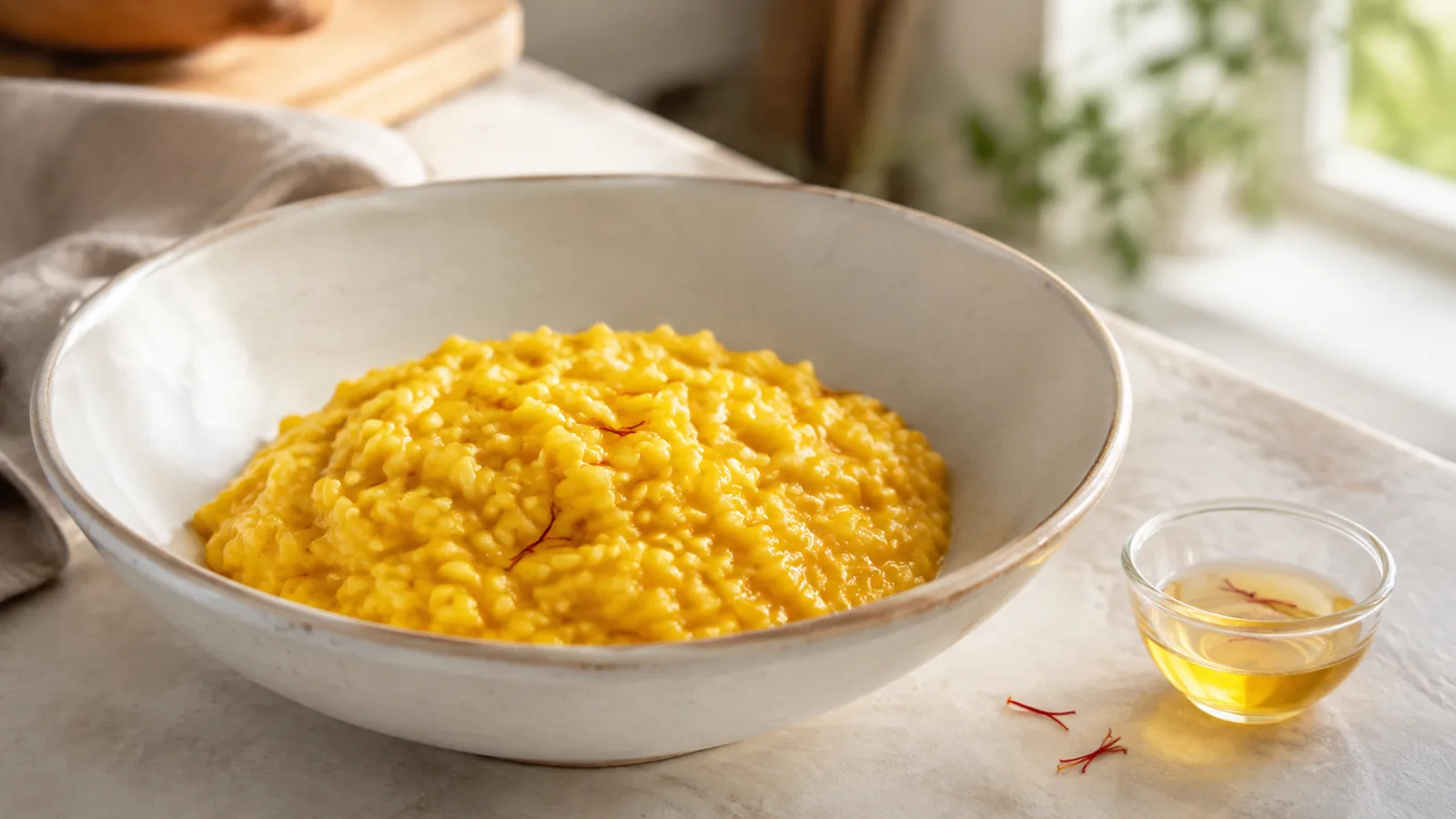
Can I boil saffron in milk? Yes, but a hard, prolonged boil is unnecessary. Warm the milk gently, add a small saffron infusion or lightly crushed threads, and give the spice time to release its colour and aroma. If the recipe itself must boil, add the saffron near the end rather than cooking it aggressively from the start.
This method works for a simple cup of kesar milk and for desserts, sauces, or biryani. The important parts are using a modest quantity, dispersing it evenly, and matching the timing to the recipe.
Boiling Saffron in Milk: A Simple and Beneficial Method
Can we boil saffron in milk? Milk can certainly be heated or brought to a brief boil with saffron in it. The spice will still colour the liquid. The gentler method usually preserves more of its delicate aroma, though, especially when you are making a drink rather than reducing milk for a dessert.
Saffron contains water-soluble crocins that spread its golden colour and volatile compounds, including safranal, that contribute to aroma. Warm milk gives the threads enough liquid and heat to infuse. Vigorous bubbling is not required to “activate” saffron, and more heat does not automatically extract more flavour.
The Benefits of Using Saffron with Milk
Saffron and milk work well together in the kitchen. Milk softens the spice’s gentle bitterness, carries its aroma, and gives a rounded base for drinks and desserts. The colour is easy to see, which helps a cook judge whether the threads have had time to infuse.
Claims about saffron milk benefits need more care. A cup provides the nutrition of the milk used, while saffron contributes flavour, colour, and a small amount of plant compounds. Clinical saffron studies usually test a defined extract or preparation at a measured dose; they do not prove that ordinary kesar milk treats depression, insomnia, digestive disease, infertility, or a skin condition.
A review of saffron meta-analyses found promising results for several health outcomes but also reported weaknesses in the quality of the reviews. It is reasonable to enjoy the drink as food. It is not reasonable to present it as medicine or promise a different effect for women, men, or pregnancy without evidence specific to that claim.
If warm milk is part of a calming evening routine, the temperature, familiar flavour, and quiet pause may all matter. That experience should not be turned into a guarantee that saffron milk will make every person sleep.
How to Prepare Saffron Milk
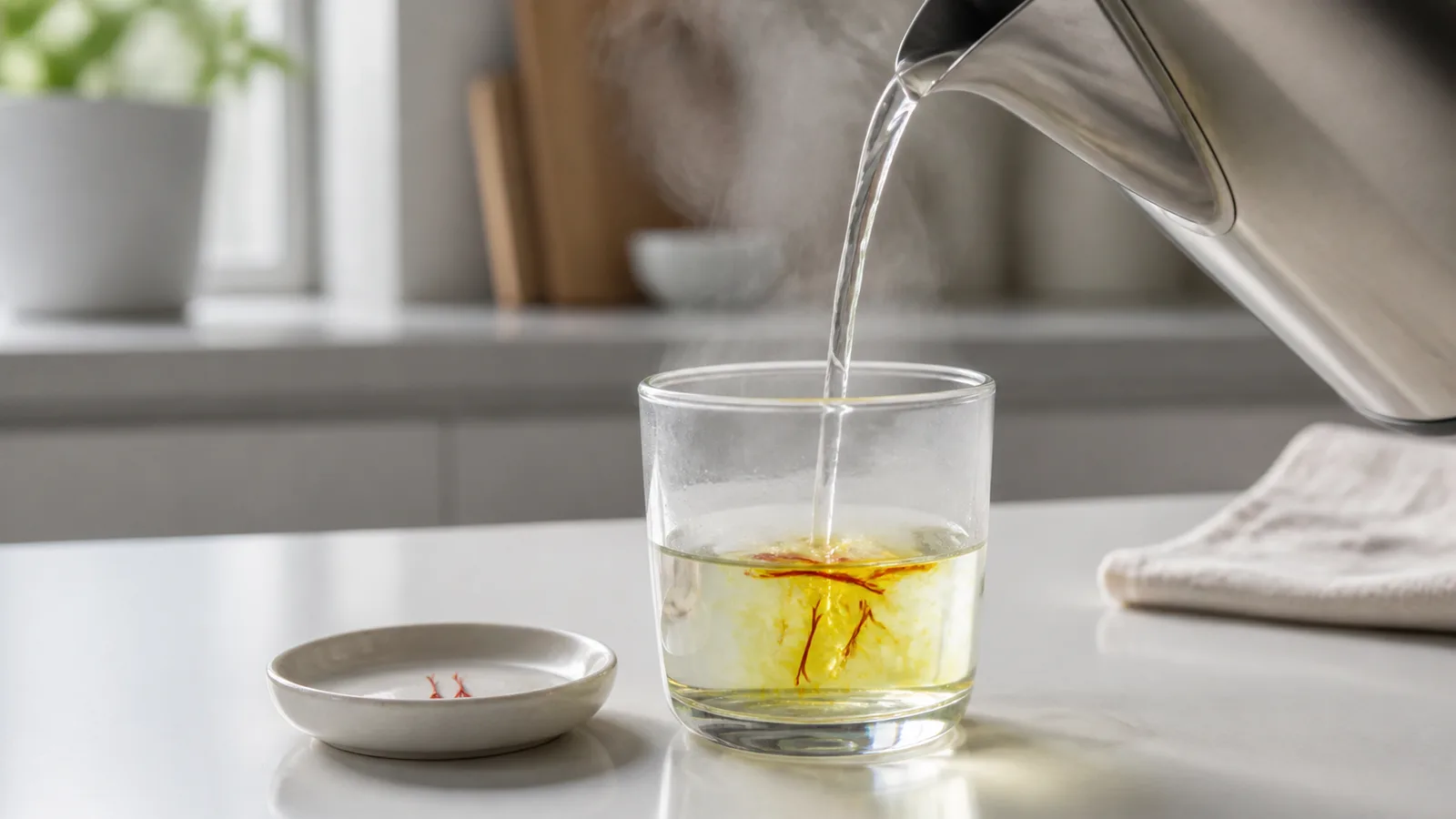
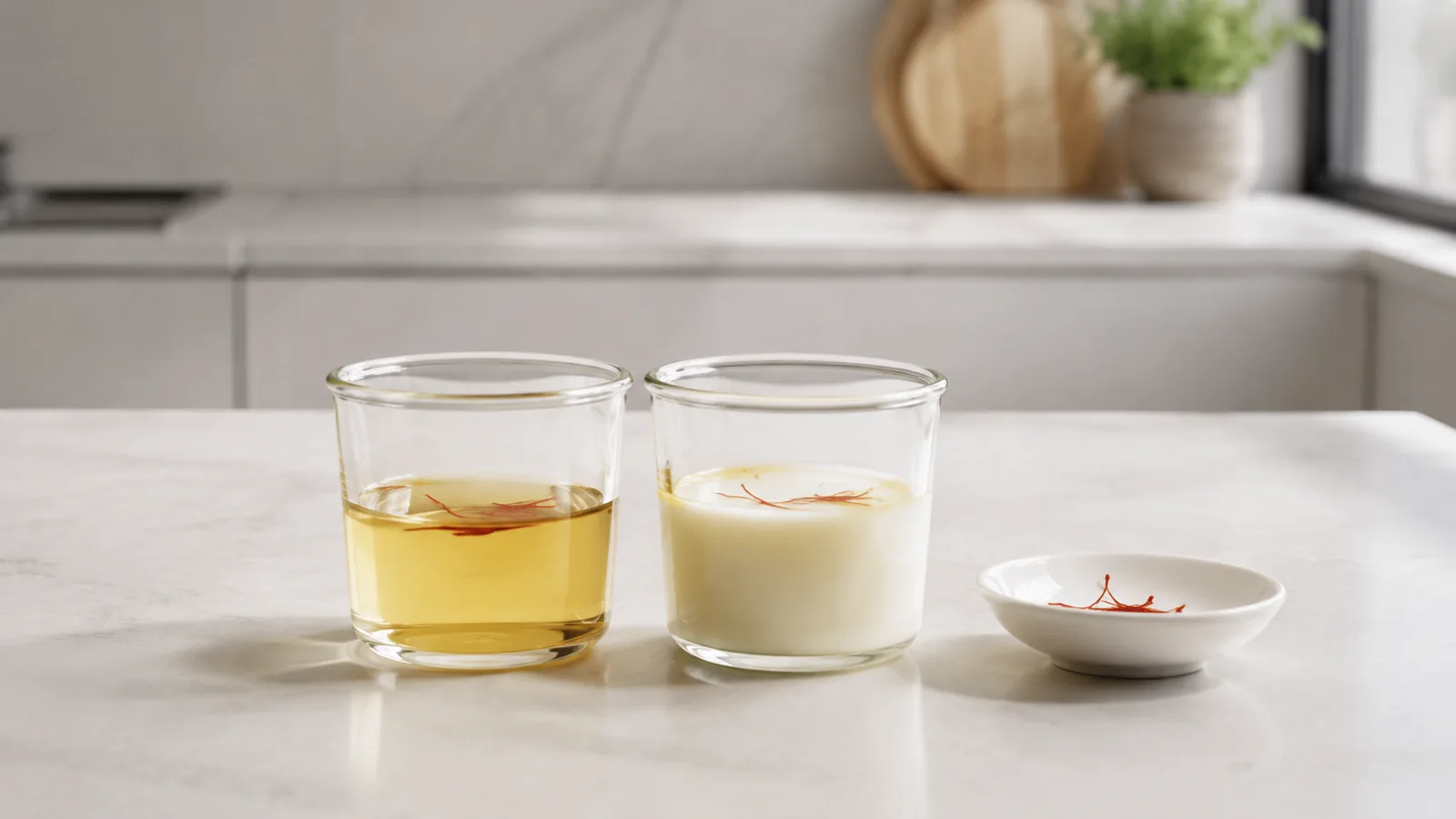
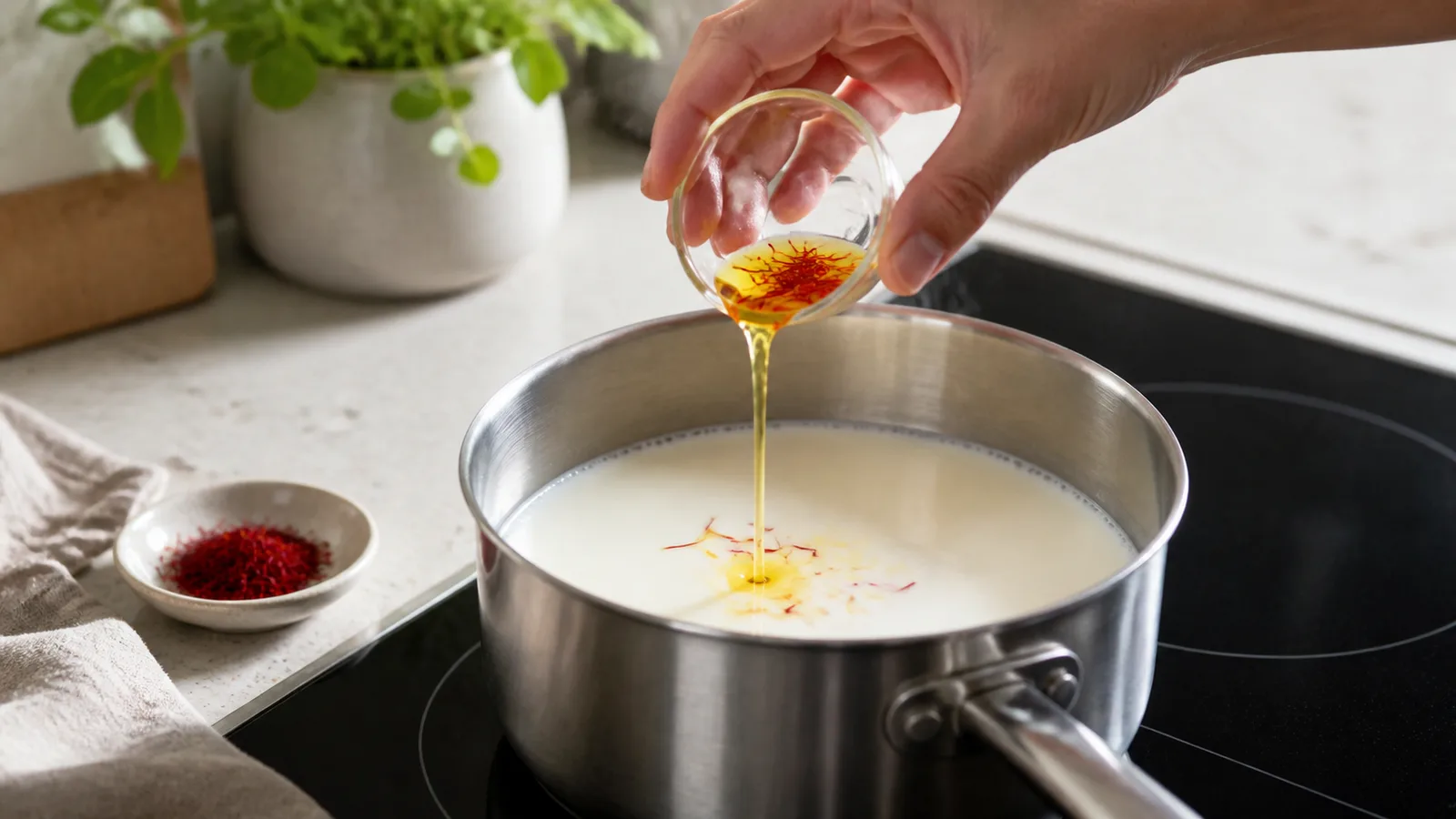
For one cup, begin with a small pinch of genuine saffron threads. Put them in a dry mortar and press lightly. They do not need to become an ultra-fine powder. Add one or two tablespoons of warm milk and leave the mixture for 10 to 15 minutes.
Meanwhile, warm the rest of the milk in a small pan over low to medium heat. Stir occasionally so it does not catch on the base. Pour in the saffron infusion, including the softened threads, and heat for another minute or two. Stop before a sustained rolling boil if you are making a drink.
If you prefer to add saffron directly, crush the threads first and whisk them into warm milk. This is quicker, but a short separate infusion tends to distribute the colour more evenly. Using saffron soaked in warm milk also gives the threads time to soften. Whole threads floating on top look attractive, yet they contribute less to the cup if they have not had time to infuse.
If you are wondering how to drink saffron with milk, serve it warm and plain or add a restrained amount of cardamom, cinnamon, honey, or sugar. The steps above are also the simplest way to infuse saffron in milk. Add honey after the milk has cooled slightly if you want to preserve its fresh flavour. Kesar milk does not require a long ingredient list; too many strong spices can hide the saffron.
Dairy-free versions are possible. Oat, almond, cashew, and coconut drinks behave differently when heated, so follow the package instructions and choose an unsweetened product if you want to control sweetness. The result may split or thicken differently from dairy milk, but saffron still needs only gentle warmth and time.
Best Ways to Use Saffron-Infused Milk
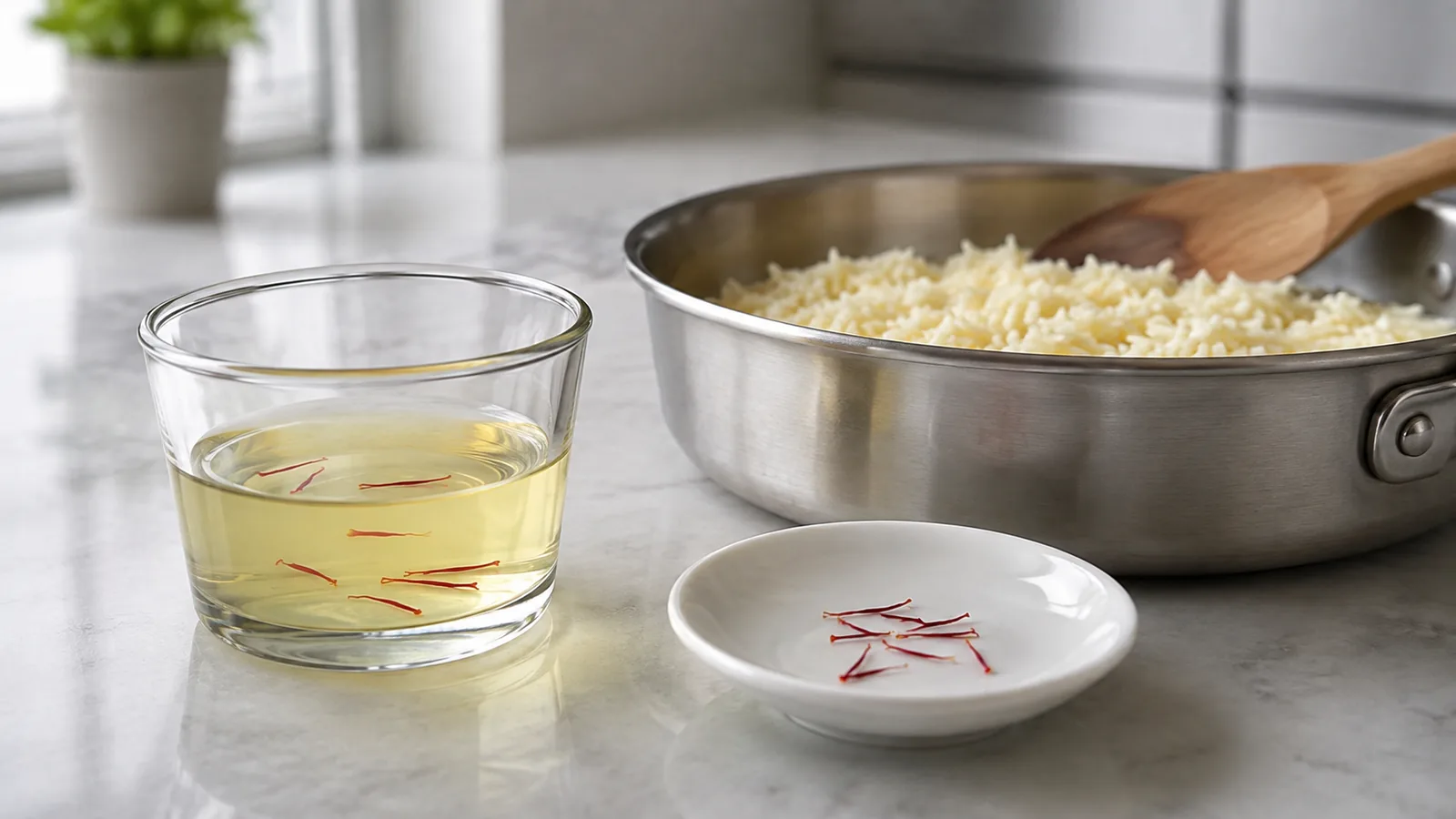
Saffron milk for biryani should be concentrated rather than poured by the cup. Use a small, strongly coloured infusion and drizzle it over the layered rice before the final steaming. That creates streaks of colour instead of turning every grain the same yellow. The infusion should support the dish’s aroma rather than make it milky.
For kheer, rice pudding, custard, or ice cream base, milk may need longer cooking for the recipe itself. Add the saffron during the later part of cooking, once the volume and sweetness are close to where you want them. This gives the spice time to spread without subjecting it to the full reduction.
For kesar barfi and other milk sweets, the same principle applies: bloom the threads, then add the infusion when the milk mixture is concentrated enough to retain the colour. For sauces and soups, stir in a small infusion and taste before adding more.
Avoid judging saffron quality only by how instantly it colours milk. Genuine threads release colour gradually, and an immediate neon-yellow cloud can be a reason to inspect the product more carefully. Origin, traceability, thread structure, aroma, storage, and credible testing information matter together.
Use fresh pasteurised milk, keep utensils clean, refrigerate leftovers promptly, and reheat only what you plan to drink. Saffron does not make milk shelf-stable. For concentrated saffron supplements or medicinal use, especially during pregnancy or alongside regular medicines, ask a qualified clinician rather than treating a beverage recipe as dosage advice.
Our saffron collection shows the current thread formats and pack sizes. If you have a product question, contact us.
So, can you boil saffron in milk? You can, and some recipes require boiling milk. For the clearest aroma in a drink, lightly crush and infuse the threads, warm the milk gently, and avoid a long rolling boil. For cooked dishes, add the infusion late enough that saffron remains noticeable in the finished food.