Saffron and mood
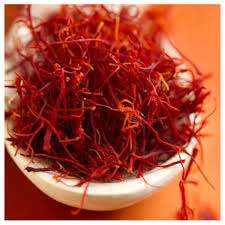
Several small clinical studies have explored saffron (Crocus sativus) for mild-to-moderate low mood, and the early results are encouraging. The evidence is still preliminary, and saffron is not a replacement for professional care or any prescribed medication. In traditional medicine, saffron has long been valued as an uplifting, soothing ingredient.
Saffron and memory
Some early research has looked at saffron in older adults with age-related memory decline and Alzheimer’s disease, including small studies in people roughly 70 to 90 years old. These findings are preliminary. They do not show that saffron prevents, treats, or cures Alzheimer’s disease, and larger studies are needed before any firm conclusion can be drawn.
What the research does not show
Saffron is a food and culinary spice, not a medicine. There is no reliable evidence that saffron prevents or cures cancer, works as a treatment to lower blood pressure, or replaces any prescribed therapy. Laboratory (test-tube) studies are examining saffron compounds such as crocin and safranal, but laboratory findings do not mean saffron has these effects in the body. Do not use saffron in place of medical advice or treatment.
Traditional uses
In traditional medicine, saffron has been used as a calming, mood-lifting ingredient and taken for complaints such as coughs, digestive discomfort, and menstrual pain. These are historical, traditional uses, not confirmed medical treatments.
How much saffron is typically used
In research, saffron is generally used at about 30 mg per day, with up to 200-400 mg taken short-term. At these therapeutic doses, reviews report no significant toxicity and no meaningful effect on the body’s normal blood-clotting (coagulation) system (Bostan et al., 2017; PMID 28293386). As with any concentrated ingredient, talk to your doctor before using saffron supplements, especially if you are pregnant, are taking medication, or have a health condition.