Saffron harvest begins and Red Gold Festival is held in Bahabad, Yazd was an earlier announcement linking the start of the local harvest with a public programme for farmers, officials and visitors. It also recorded Bahabad’s 270 hectares as the centre of Yazd province’s saffron production at that time.

Bahabad saffron growers harvesting flowers while visitors observe from a farm path

What the Bahabad announcement said

Ali Akbar Rahmatian, identified in the report as director of Bahabad Agricultural Jihad, announced the first provincial Red Gold saffron festival as harvesting began on local farms.

He said the event was intended to introduce the public to the region’s agricultural capacity, demonstrate the extraction of saffron at suitable quality and encourage cultivation of a crop considered profitable and relatively low-water in local planning.

The festival was scheduled for Thursday, 11 November, in the meeting hall of Allameh Mullah Abdullah. The Agricultural Jihad Organization of Yazd Province and the Governorate of Bahabad were named as participants, alongside farmers and provincial executive officials. The archived report does not state the year, so the date should not be treated as a current event listing.

Bahabad’s 270-hectare saffron area

Rahmatian described Bahabad as well suited to saffron because of its climatic conditions. He put the cultivated area at 270 hectares and called the city Yazd province’s production centre for the crop.

That figure is a historical snapshot. Cultivated area can change as new plots are established, old fields are lifted or left unproductive, and water or labour conditions shift. A current total would need a dated agricultural release that separates planted area from bearing and actually harvested fields.

Acreage alone also says little about saleable output. A useful provincial record would pair hectares with dried stigma yield, field age, quality results and the share of each harvest that reached market specifications.

Why the harvest was central to the festival

Saffron makes sense as a public event because visitors can see the chain of work that is hidden inside a finished packet. Flowers must be picked during a short season, moved promptly, separated cleanly and dried under controlled conditions.

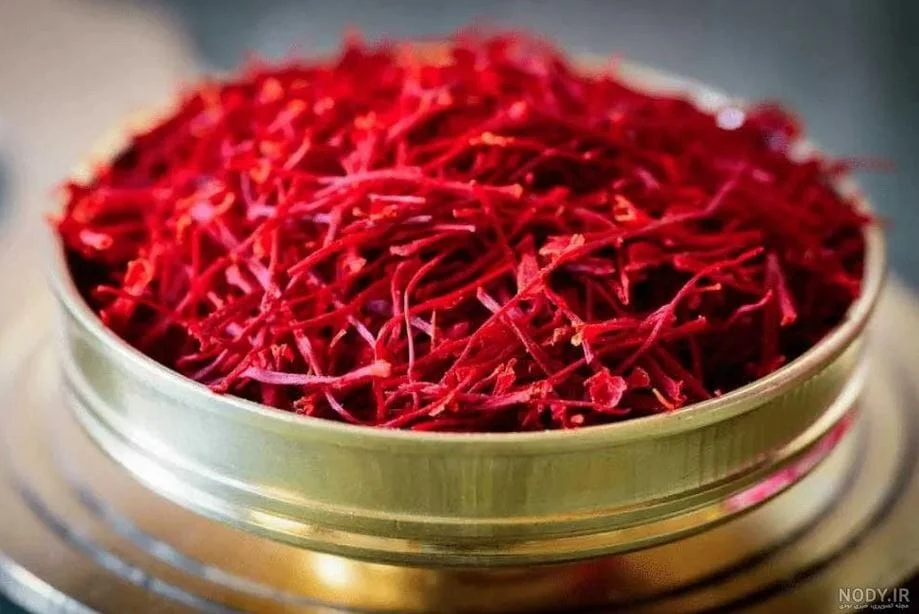
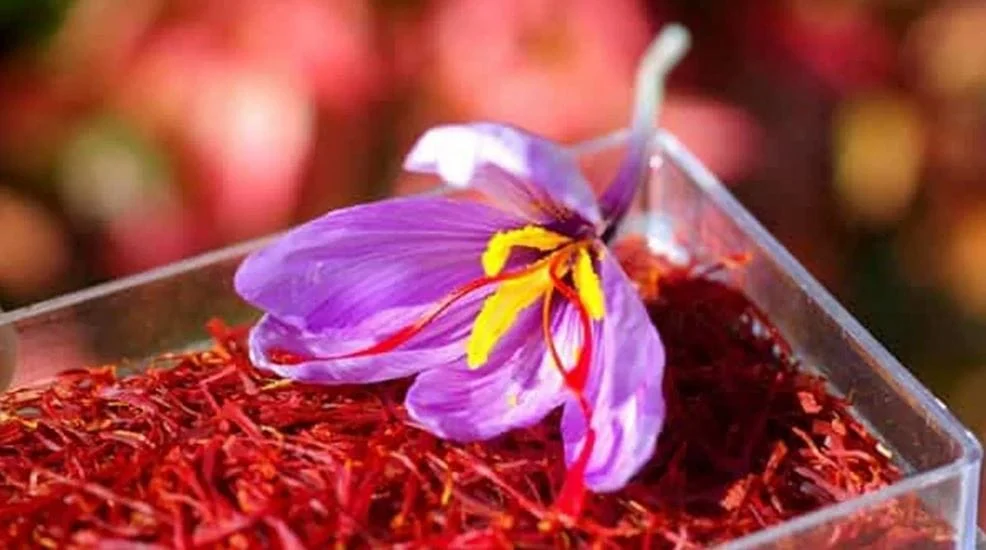
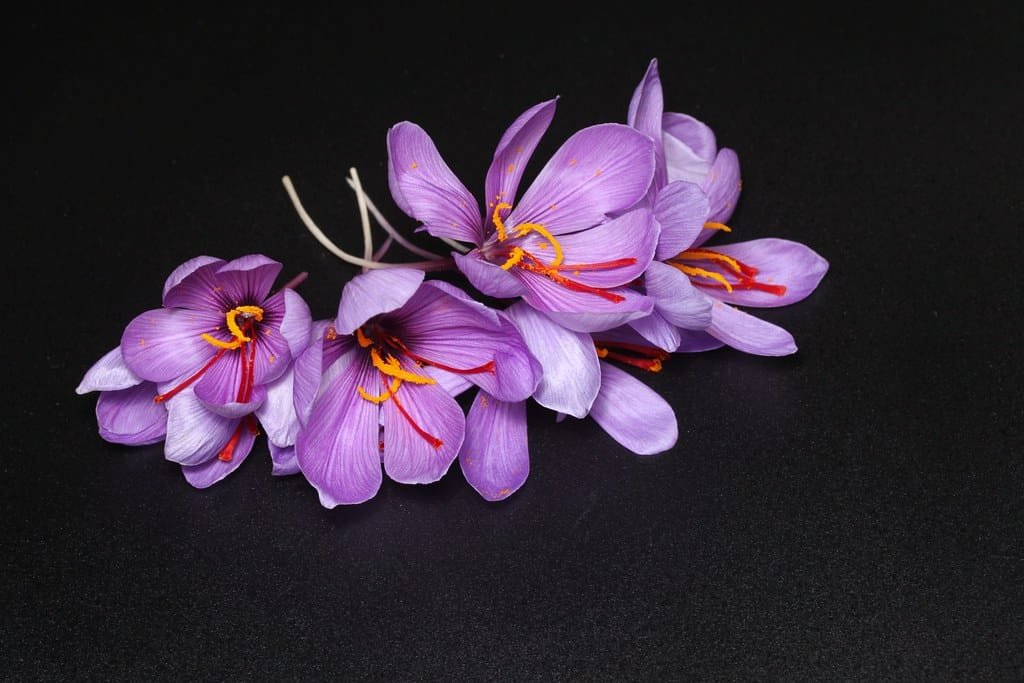
A farm tour can show how plot identity, harvest date and handling affect the final lot. It can also make clear that attractive flowers are not the finished product: the red stigmas still need careful separation, drying, storage and protection from moisture, light and contamination.

These details give the phrase “red gold” practical meaning. Value comes from concentrated hand work and consistent handling, not from the nickname itself.

Harvest tours and farm visits

Rahmatian listed special saffron-harvest tours and farm visits among the festival’s side programmes. A well-run visit should respect the field first. Group size, walking routes and timing need to avoid trampling plants or interrupting workers during the busiest hours.

Visitors should receive clear instructions before entering a plot and should not handle flowers or drying saffron without permission. If a demonstration is staged separately from commercial production, that boundary should be explained rather than presenting it as the normal processing line.

For growers, a tour is most useful when it connects the visible harvest to the records behind it: field location, corm source, picking time, lot identity, drying method and test result. That is stronger than a generic claim that every product from the area has the same quality.

The exhibition of saffron products

The plan also included an exhibition covering saffron products, jam making and packaging industries. This broadened the event beyond raw dried threads and showed where local processing might add value.

Processed food should be presented with a complete ingredient list, net quantity, responsible producer, batch details, preparation or packing date, storage instructions and any legally required allergen or safety information. Saffron in a recipe does not replace normal food-production controls.

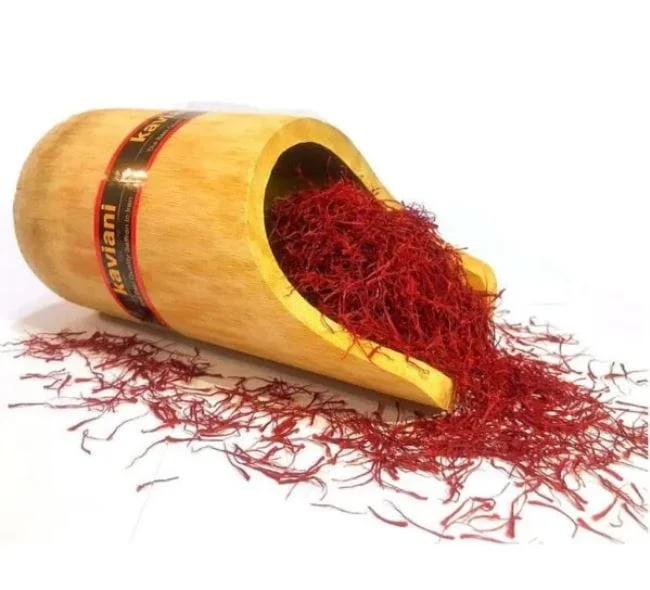
Packaging demonstrations can help buyers understand why light, moisture, excess air, poor seals and untraceable containers matter. They should focus on protecting the product and identifying the seller, rather than using an elaborate box to imply a grade that has not been measured.

What “high-quality Bahabad saffron” should show

Rahmatian asked participants to help introduce high-quality Bahabad saffron to domestic and foreign customers. For that description to earn trust, a seller should be able to identify the lot, its origin, the business responsible for it and the evidence used for its quality statement.

Colour, aroma and clean appearance are useful observations, but they do not establish every quality or authenticity characteristic. A representative sample, a named test method, dated results and secure lot handling give a buyer something that can be checked.

Regional reputation and individual product evidence should work together. Origin makes the story meaningful; traceability and consistent results show that the packet in front of the customer belongs to that story.

Domestic and foreign customers need different preparation

The announcement looked toward both domestic buyers and customers abroad. A festival can introduce the same crop to both, but the transaction requirements may differ.

Local retail customers need clear origin, quantity, storage and seller information in a usable pack. An overseas commercial buyer may also ask for a specification, sample approval, laboratory documents, traceability, compliant labelling, consistent volumes and defined delivery terms.

A public event can start those conversations; it cannot substitute for them. Export readiness belongs to the producer and packer’s documented process, not to attendance at a festival.

“Low-water” does not mean water-free

The report promoted saffron as a low-water plant suitable for Bahabad. That comparison needs a defined local baseline. A crop can require fewer or differently timed irrigations than another option and still depend on reliable water at important stages.

Sound planning records irrigation volume, source and pumping energy alongside yield over the life of the field. Measuring litres per hectare and per kilogram of saleable saffron is more informative than counting irrigations alone.

Profitability also cannot be inferred from water use by itself. Corms, field preparation, labour, crop care, separation, drying, testing, packaging and marketing all affect the return to the grower.

What a useful festival follow-up should record

A complete report after the event would confirm the date and venue, organizers, number and types of participants, farms visited, training subjects, exhibitors and any practical commitments made to growers or processors.

For the crop itself, it should update Bahabad’s planted and bearing area, harvested output, average yield and quality evidence. It should also say whether the proposed tours and product exhibition led to repeat farm visits, verified buyer enquiries, new local processing or better packaging.

The original announcement preserved a clear purpose: use the start of the Bahabad saffron harvest to show how the crop is grown, processed and presented. Keeping the 270-hectare figure and programme details dated allows that history to remain useful without turning an old festival notice into a current invitation.