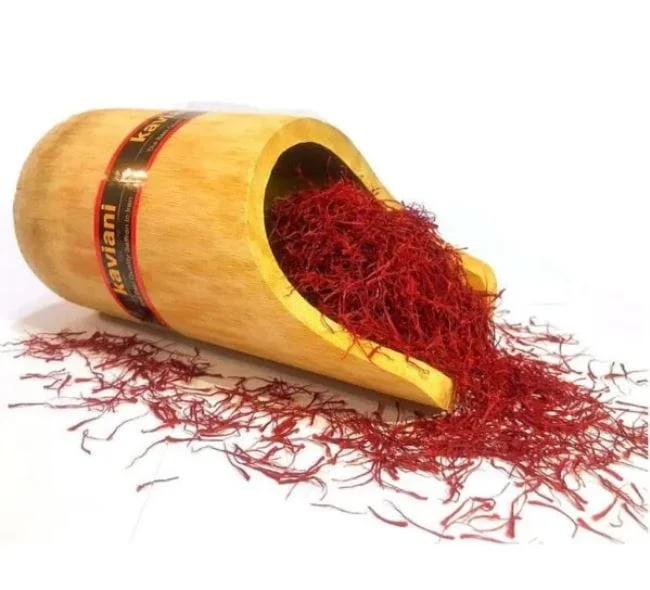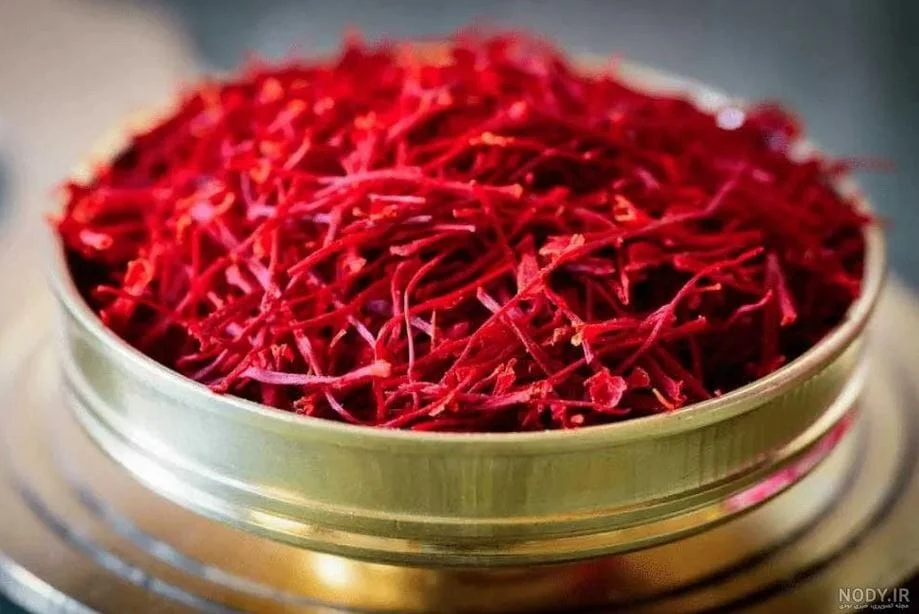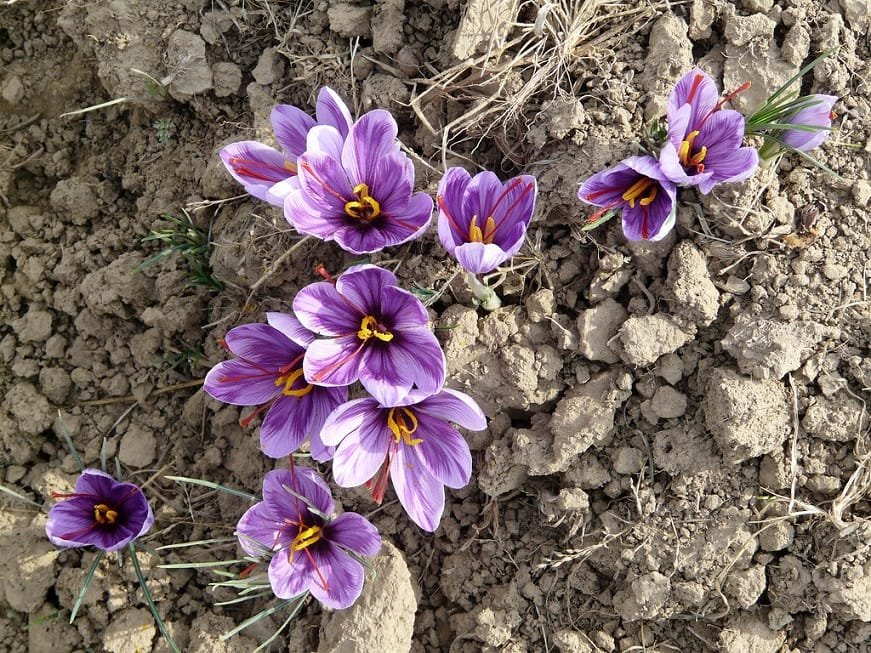
Refusal of saffron growers in North Khorasan to distribute saffron described an earlier season when some growers held back their crop instead of offering it at harvest prices. The report tied that decision to a sharp price difference, a three-tonne provincial harvest and the absence of local processing and packaging.

North Khorasan grower and cooperative specialist comparing stored saffron lots

What North Khorasan growers were reported to have done

Mohammad Ali Sharikian, identified as director of horticultural affairs at the North Khorasan Jihad Agricultural Organization, said the provincial harvest had ended but some growers were not yet supplying their saffron to the market.

The wording “refusal to distribute” sounds absolute. His explanation was narrower: some producers preferred to hold their own saffron for the time being because they hoped prices would rise. The report does not say every grower withheld stock, how many kilograms were held or for how long.

This was a timing decision in a particular season, not a permanent description of North Khorasan saffron growers. The article’s stored publication does not identify the harvest year, so its prices cannot be used as current quotes.

The three price points in the report

Sharikian referred to a summer selling price of 7.5 million tomans per kilogram. He said the price was 4.4 million tomans in the early days of the harvest and had reached 5.52 million tomans by the final days.

From 4.4 million to 5.52 million tomans is an increase of about 25.5 percent. Even after that rebound, the reported price remained about 26.4 percent below the summer figure. That gap explains why a grower who remembered the earlier market might wait rather than sell immediately.

The comparison is incomplete without grade, moisture, lot size, sale location, packaging, payment terms and whether each number was a firm transaction or an offered price. A lower figure for one grade cannot safely be compared with a higher figure for another as if only timing changed.

North Khorasan’s 590 hectares and three-tonne harvest

The official put the province’s saffron area at 590 hectares and dried production at three tonnes. Those figures imply an average of roughly 5.1 kilograms per hectare across the reported area.

He also said the harvest had increased by 12 percent from the previous year. The stored report does not supply the earlier tonnage, bearing area or district totals, so the percentage cannot be independently reconciled here.

Average yield can hide large differences among new and mature fields. A useful production report would separate planted, bearing and harvested area and show saleable dried saffron by grade, rather than dividing one provincial total by every recorded hectare.

Why growers may hold saffron after harvest

A grower may wait because many producers are selling at the same time, a previous price is still fresh in memory or a buyer’s offer does not reflect the expected grade. Holding a stable, high-value product can create room to negotiate, but it is not a guaranteed route to a higher return.

The decision ties up cash and leaves the producer exposed to price falls, quality loss, theft, poor storage and an urgent later need to sell. The relevant question is not simply whether the price might rise, but whether any rise is likely to exceed storage, finance, handling and opportunity costs.

A producer also needs to know the lot’s actual quality. Waiting for a premium without a specification or test result may not improve the offer because the buyer cannot verify what is being held.

Storage must protect the lot and its identity

Saffron kept for later sale should remain dry, clean, protected from light and strong odours, and sealed in suitable food-contact packaging. Storage conditions need observation rather than assumption.

Each container should retain a lot code connected to producer, location, harvest period, processing and weight. Mixing lots without records may erase the evidence needed to explain a quality difference or trace a problem.

Opening the same package repeatedly for samples also creates avoidable handling. A representative sample plan and smaller sealed sample units can let buyers inspect the lot while the main quantity remains protected.

The missing local packaging and processing link

Sharikian said North Khorasan had no saffron packaging or processing unit and that all of the province’s saffron went to Khorasan Razavi for sale. That statement identifies a structural concern, but “all” would need shipment, buyer or cooperative records to verify.

Sending saffron to an established trading centre is not automatically harmful. It may connect growers with buyers, laboratories and packers that are difficult to operate locally at small scale. The disadvantage arises when producers lose lot identity, bargaining information or a fair share of value without gaining a reliable service.

A local response does not have to begin with a large factory. Shared sampling, testing, secure storage, grading, contract packing or a cooperative sales desk can be assessed separately. Each service should solve a measured bottleneck and have enough throughput to operate safely and consistently.

What a grower should compare before selling

A useful offer sheet records buyer, date, grade or specification, test basis, net weight, price, deductions, payment timing, delivery point, packaging responsibility and rejection terms. Without those details, two quoted prices may describe different transactions.

The sell-or-hold decision should then compare the net amount available today with a realistic later range. Storage and finance costs, possible quality change and the household or farm’s cash needs belong in that comparison.

Collective selling can improve information when lots are graded consistently and members know the rules. It can also create disputes if grades are pooled carelessly or payment is delayed. Transparent weighing, sampling and settlement are more important than the cooperative label alone.

What the price movement did not prove

The rise from 4.4 to 5.52 million tomans did not prove that continued withholding would restore the 7.5-million summer price. It showed only that the quoted market had moved during the reported harvest period.

Nor did the three-tonne crop show how much saffron was available for immediate sale. Some could have been committed, retained, combined with older stock or separated into grades with different prices.

Market reporting is more useful when it publishes volumes traded at each price, not a single headline number. A price attached to a small sample or an unaccepted offer does not describe the whole provincial market.

What a current follow-up should establish

A current review would identify the season covered by Sharikian’s statement, the quantity withheld, actual transaction prices and grades, how long stocks remained unsold and whether growers ultimately received a better net return.

It should also update North Khorasan’s planted and bearing area, dried output, average yield, local storage/testing/packing capacity and the share sent to Khorasan Razavi. These measures would show whether the processing gap changed after the report.

The old account remains useful because it captures the pressure growers faced: a summer reference price of 7.5 million tomans, a harvest opening at 4.4 million, a late rise to 5.52 million, and no local packaging or processing unit. Preserving those figures with their historical limits explains the decision without promising that withholding saffron will make prices rise.