

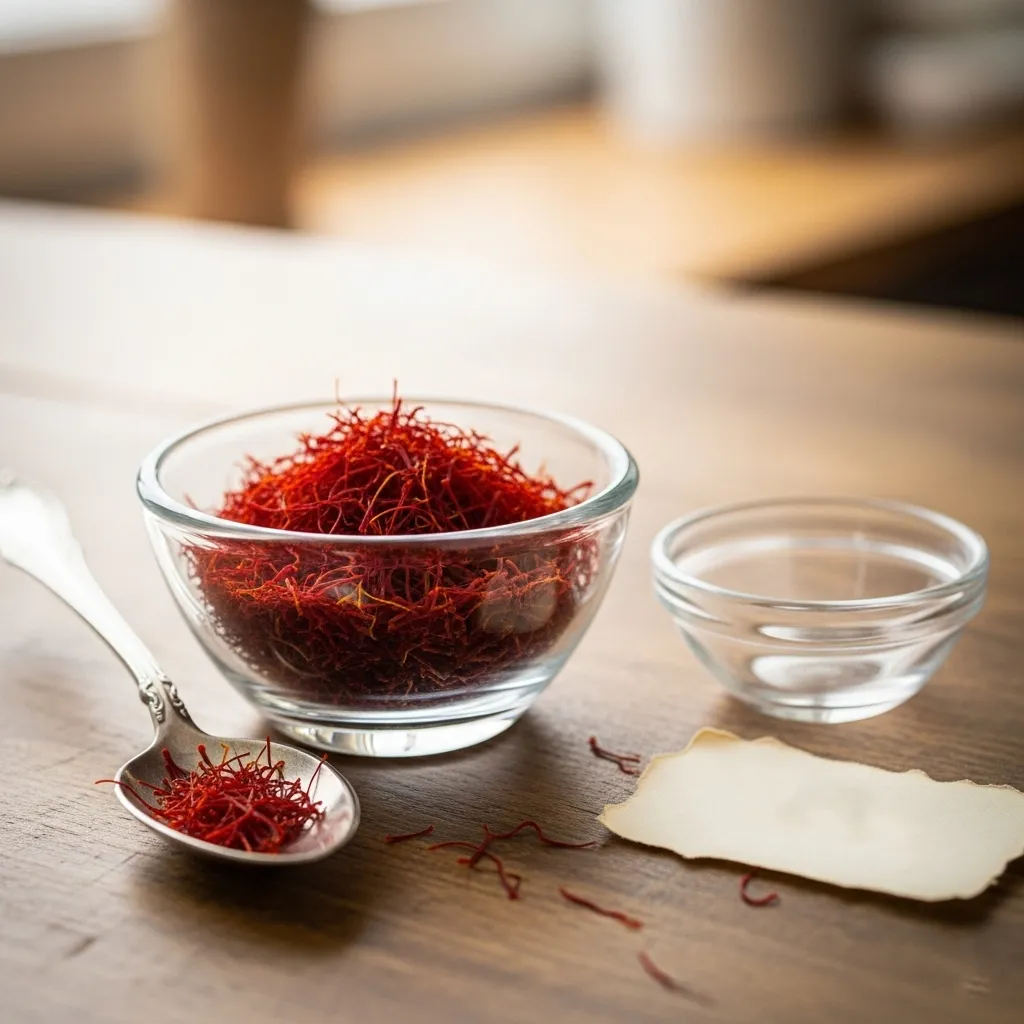
How Many Pieces of Saffron Should You Consume Per Day?
Saffron, known for its unique flavor and health benefits, is often used in small quantities due to its potent nature. While it may be tempting to use more, it is essential to understand how much saffron you should consume daily to avoid any potential side effects and ensure you’re reaping the most benefits.
The Ideal Daily Intake of Saffron
The general recommendation for saffron intake is about 20 to 30 saffron threads per day, which equals roughly 0.1 to 0.3 grams. This amount is enough to experience saffron’s health benefits without overwhelming your system. Consuming too much saffron can lead to adverse effects, so moderation is key.
Health Benefits at the Recommended Intake
When consumed in moderate amounts, saffron has been shown to have various health benefits. It can improve mood, reduce stress and anxiety, and support digestion. Saffron also contains antioxidants that promote skin health and may help with reducing symptoms of depression and boosting mental clarity.
Potential Side Effects of Overconsumption
Excessive saffron consumption can cause side effects, including dizziness, nausea, or allergic reactions. The toxic dose of saffron is typically considered to be around 5 grams, which is far above the normal daily intake. It’s important to stay within the recommended range to avoid any health complications.
How to Safely Incorporate Saffron into Your Diet
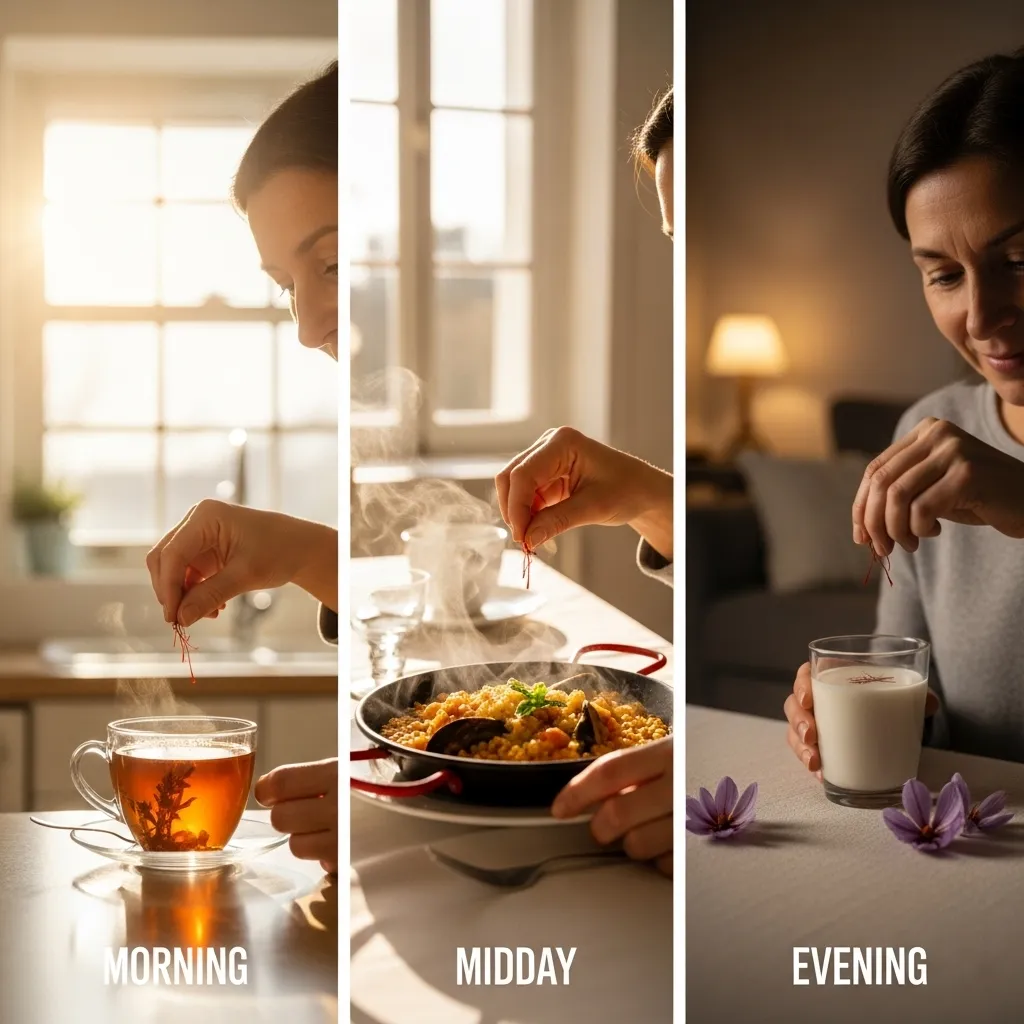
To get the most out of saffron, it’s best to soak the threads in warm water before consumption. This helps release the active compounds and enhances their effects. Whether you’re using saffron in your cooking or drinking saffron-infused water, it’s easy to stay within the recommended intake if you measure it carefully.
If you’re interested in exploring high-quality saffron options, visit our products page for a selection of premium saffron threads.
In conclusion, consuming 20 to 30 saffron threads daily is the ideal amount for most people. This ensures you receive saffron’s health benefits while avoiding the risk of overconsumption.








Get Social