

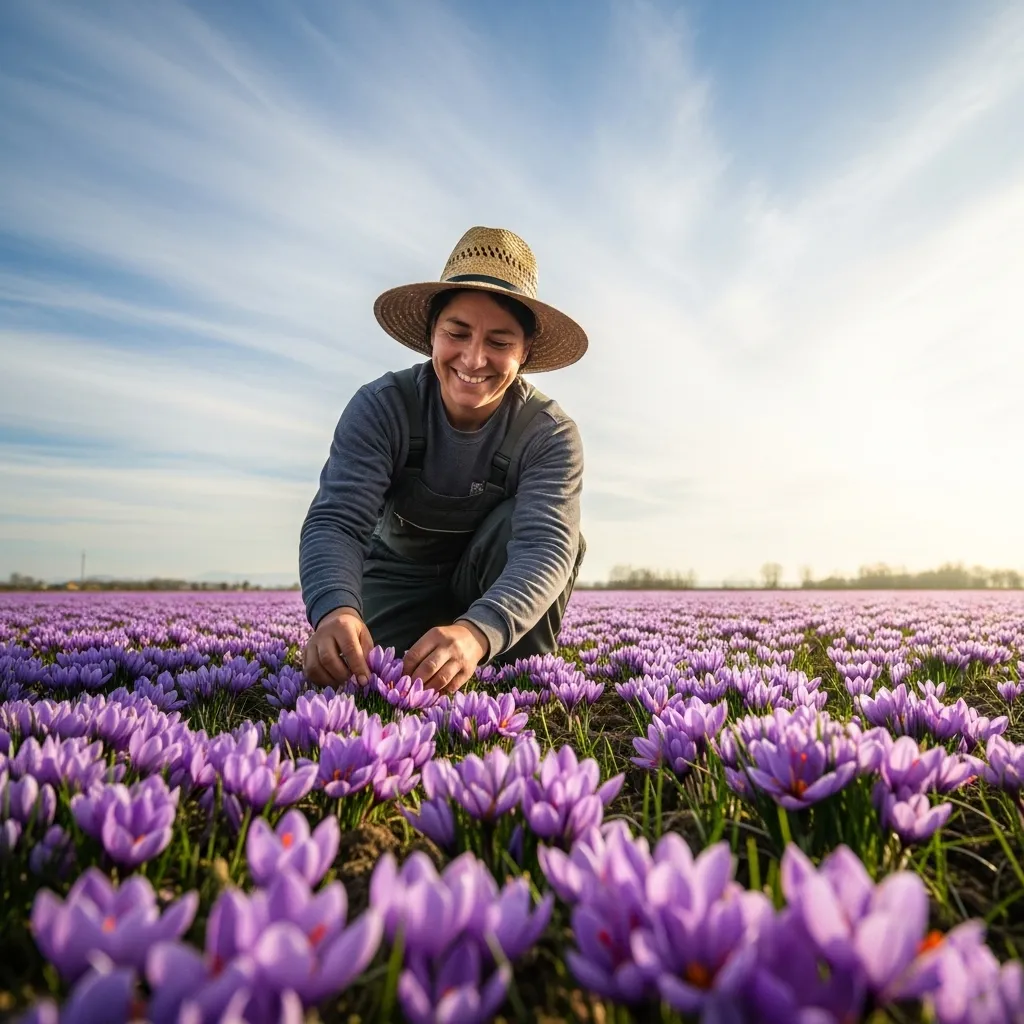
Can I Grow Saffron?
Saffron is one of the most valuable spices in the world, and growing it can be a rewarding experience for gardeners and spice enthusiasts. While saffron is traditionally grown in regions with specific climate conditions, it is possible to cultivate this precious spice at home with the right care and attention. So, can you grow saffron? The answer is yes, but there are a few important factors to consider before you start.
Climate and Location
Saffron thrives in regions with a Mediterranean climate, characterized by hot, dry summers and mild, wet winters. If you live in a similar climate or are able to replicate these conditions, you can successfully grow saffron. The plant needs full sunlight to grow, so choose a location that receives at least 6-8 hours of sunlight a day. While saffron can be grown in containers, it will also thrive in well-drained soil in a garden bed.
Soil Requirements
Saffron prefers well-draining, sandy or loamy soil. The soil should have a pH level between 6 and 8, which is slightly acidic to neutral. It’s essential to ensure that the soil doesn’t retain too much water, as saffron bulbs can rot if they sit in waterlogged conditions. You can improve soil drainage by adding sand or organic matter like compost.
Planting Saffron Crocus Bulbs
To start growing saffron, you’ll need to plant saffron crocus bulbs, which are the source of the spice. These bulbs should be planted in late summer or early autumn, ideally about 6-8 inches deep and 4-6 inches apart. When planting saffron crocus, ensure the pointed end of the bulb faces upwards, as this is where the flower will emerge. If you’re planting in containers, make sure the pots have good drainage holes.
Watering and Care
Saffron is relatively low-maintenance once planted. During the growing season, it requires little water. The key is to water the bulbs when they are actively growing, which typically occurs in the fall and early winter. Avoid over-watering, as saffron does not tolerate excess moisture. After the flowering period, you can reduce watering as the plant enters a dormant phase, which lasts through the summer.
Harvesting Saffron
Saffron flowers bloom in the fall, usually around October. Each flower produces three red stigma threads, which are harvested to make saffron. It’s best to pick the flowers early in the morning when they are fully open, as this ensures the highest quality of saffron threads. Carefully pluck the stigma from each flower and dry them gently to preserve their flavor, color, and aroma.
Challenges in Growing Saffron
While growing saffron can be rewarding, it also comes with its challenges. Saffron requires patience, as it takes time for the bulbs to grow and flower. Additionally, the flowers bloom only once a year, meaning you will need to wait for each season’s harvest. Growing saffron in colder climates or areas with high humidity can also be difficult, as it thrives best in dry, warm environments.
Conclusion
In conclusion, yes, you can grow saffron at home with the right conditions and care. By providing the proper climate, soil, and attention to watering, you can cultivate saffron and enjoy fresh, homegrown spice. If you’re passionate about saffron and gardening, it can be a rewarding project to undertake.
If you need high-quality saffron for your culinary needs, explore our saffron products page for the finest saffron available.
Feel free to contact us if you have any questions or would like more information on growing saffron.





Get Social