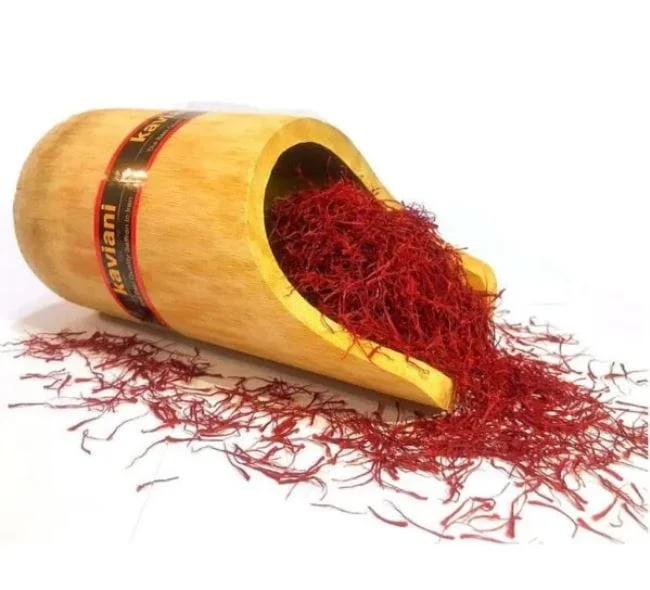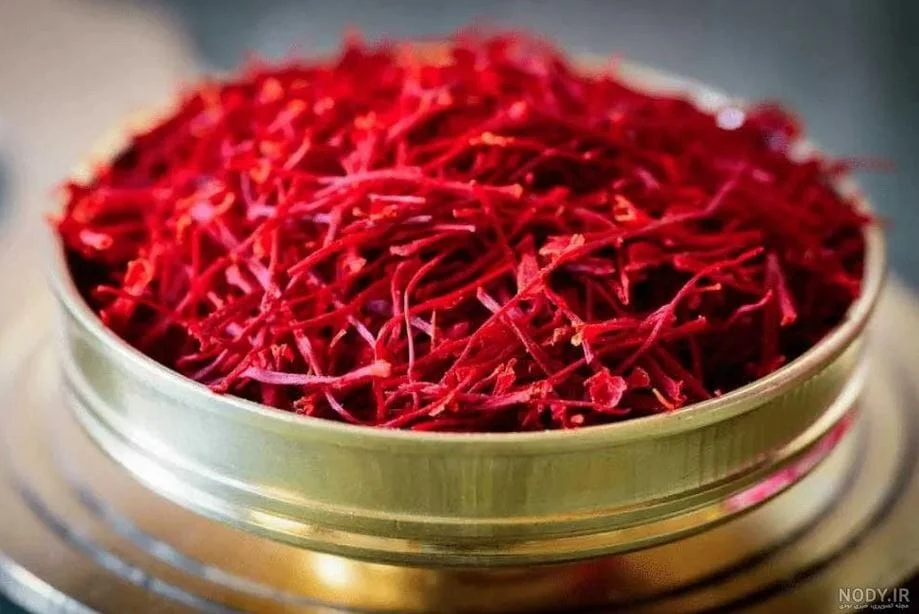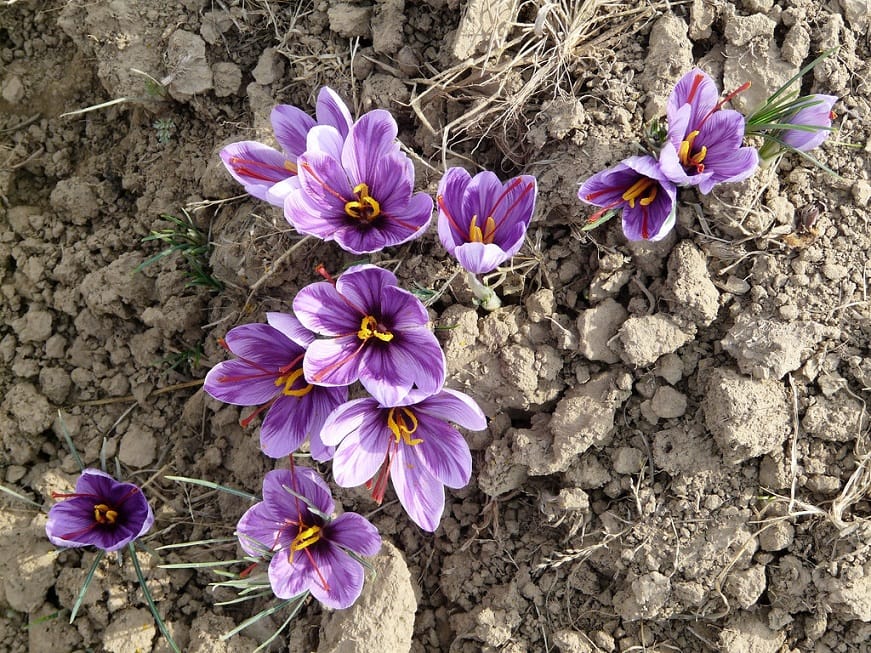
110 hectares of lands in Marand under saffron cultivation was the figure in an earlier city report announcing the start of harvest on 1 November. It presented saffron as a possible response to water constraints and paired expansion plans with farmer finance, but the acreage and support measures need their historical context.

Marand grower and horticultural adviser reviewing a saffron field during harvest

What the Marand announcement recorded

Taghi Karami, identified in the report as deputy governor and special governor of Marand, put the city’s saffron area at 110 hectares. He expected the cultivated area to grow because of the flavour attributed to the local crop and the income it could generate.

The report also said harvesting began on 1 November. It does not name the year, output, average yield, number of growers or amount actually sold, so the page cannot establish Marand’s current area or production.

The 110-hectare figure remains a useful baseline when it is treated as dated. A present update would need to separate newly planted fields, mature bearing fields and the area that was actually harvested.

What 110 hectares can and cannot show

Planted area indicates the scale of local participation, but it is not a measure of crop value by itself. Saffron yield changes with field age, corm size and health, planting density, soil, irrigation timing, labour and harvest handling.

Two districts with the same acreage can produce different quantities and grades. Reporting dried stigma weight, saleable grade and lot-level results beside hectares makes an expansion claim more meaningful.

Area should also be reconciled from field records rather than announcements alone. Plot location, size, planting date, field age and status prevent inactive or replaced fields from remaining indefinitely in the total.

The 1 November harvest date

The stated start on 1 November documents that season’s timing. It should not be used as a fixed annual date because flowering responds to field and weather conditions.

A grower watches the crop itself and prepares labour before flowers open in volume. Picking, transport to the separation space and drying need to fit into a short daily window, so a delayed labour plan can reduce the value of an otherwise good field.

A citywide harvest report is clearer when it gives a range, identifies the first active locations and later records the final harvest date. One early field should not be taken to mean all 110 hectares began together.

How local flavour should be demonstrated

Karami referred to the flavour of extracted saffron as a reason for expected growth. Aroma and taste matter to cooks and buyers, but broad praise does not show whether every lot has the same characteristics.

A credible description connects a representative sample to its plot, harvest period, drying method and sealed lot. Sensory assessment can then be considered alongside a named laboratory method and results appropriate to the intended market.

Regional reputation is strongest when producers describe what they actually measured. A package should not imply that the 110-hectare area guarantees one grade or flavour without evidence from the lot being sold.

Income potential is not guaranteed income

The original announcement linked saffron with suitable income generation but supplied no yield, selling price or production cost. Those missing inputs decide whether a particular field is profitable.

A farm budget should include corms, land preparation, irrigation, crop care, labour, separation, drying, testing, storage, packaging, finance and losses. It should model early and mature field years separately rather than applying one yield to the full life of the planting.

The selling side also matters. A quoted price has little meaning without grade, weight, buyer, payment timing and deductions. Gross crop value is not the amount left with the grower.

What the low-interest facilities were meant to do

Karami announced low-interest facilities for farmers and referred to recently provided government support packages. He connected their allocation with decisions by the city employment working group and the resistance-economy facilities programme.

These statements describe support available at the time of the report, not a current open application. The page does not list the lender, eligibility rules, rate, term, collateral, ceiling, permitted costs or number of approved farms.

Before borrowing, a grower would need the written terms and a cash-flow plan for establishment and later harvests. A low stated rate can still create pressure if repayment begins before the field produces enough saleable saffron.

Water scarcity and saffron planning

Karami said Marand faced water shortages and described saffron as a crop with low water needs. That comparison should be measured against realistic local alternatives, not treated as a claim that saffron requires no irrigation.

Useful records include water source, volume, irrigation dates, pumping energy, rainfall and dried yield. Litres per hectare and per kilogram of saleable saffron are more informative than the number of irrigations alone.

Expansion is not automatically water-efficient. If fields are poorly established or average yield falls, more hectares may consume land, corms and labour without producing the expected return.

Marand’s location and regional context

The original background places Marand roughly 69 kilometres northwest of Tabriz, with Khoy to the west and the Arasbaran area to the east. It also gives an approximate distance of 700 kilometres from Tehran. Road distances vary with the route and start point, so these are orientation figures rather than survey coordinates.

The report says Azerbaijani Turkish is the language spoken by most residents and describes Marand as the province’s third most populous city after Tabriz and Maragheh. Population rankings depend on the census year and whether city or county boundaries are being compared; the stored page supplies neither.

This geography matters to saffron through access to fields, labour, processing, buyers and routes to Tabriz and other markets. It does not prove quality or profitability without crop and transaction evidence.

What responsible expansion would track

A sound expansion programme would publish a dated register of participating farms, new and bearing hectares, corm source and health, training delivered, irrigation use, harvested weight, grade, price range and net grower outcome.

Finance results should be reported too: applications, approvals, actual disbursement, purpose, repayment schedule and the number of fields that remained active. That would show whether a support package solved the problems identified by growers.

Growth should follow labour, water, processing and buyers rather than acreage alone. A smaller well-recorded increase can be more durable than a large target whose flowers cannot be picked or whose product cannot be sold on clear terms.

What a current Marand update should confirm

A current review should first establish whether the 110 hectares increased, decreased or changed in field-age composition. It should state the reference year, bearing area, dried output, average yield and how much met each sale specification.

It should then verify whether the low-interest facilities were disbursed, who qualified and what they financed. Water use and farm income should be measured from records rather than repeated as general advantages.

The historical announcement remains useful because it joins three local concerns: a 1 November harvest, 110 hectares under saffron cultivation and a plan to support farmers in a water-constrained area. Keeping those facts dated preserves the record while showing exactly what later evidence is still needed.