

 The Benefits and Risks of Saffron
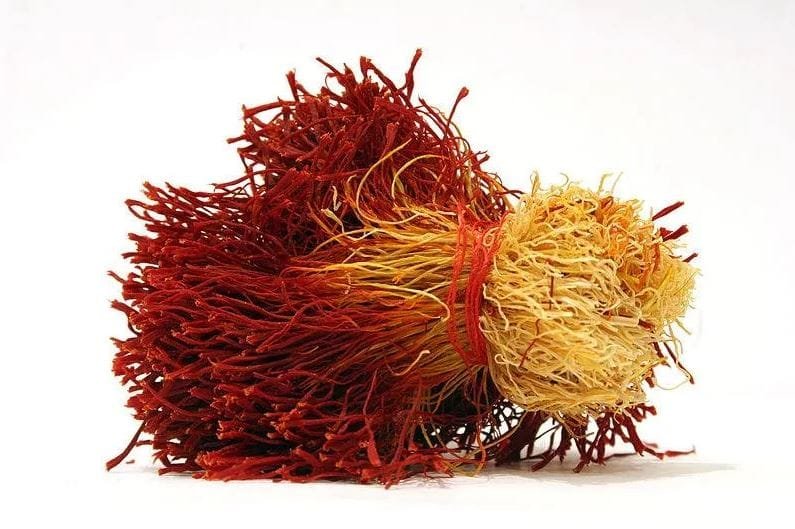
saffron benefits : Saffron is a perennial plant that grows up to 30 cm in height, with long green leaves resembling leeks. Its underground stem consists of two bulbs that are hard, round, fleshy, and covered with thin brown layers. Additionally, the flowers are purple and symmetrical, featuring a long tube leading to three petals and sepals.
Saffron Composition
saffron benefits :The most valuable part of saffron is its stigma, which is the tip of the style. In contrast, the style itself produces lower-quality saffron. Harvesting involves removing the stigma from each flower, drying it between paper sheets, and then packaging it. According to standards set in France, 50 saffron fibers must weigh more than 0.277 grams, with a moisture content of 13%. Furthermore, one milligram of saffron should color 700 cubic centimeters of water distinctly.
Chemical Properties of Saffron
Saffron contains fatty substances, minerals, mucilage, and a variety of essential oils. Notably, its distinct color originates from a compound called crocin. However, it is crucial to note that the saffron bulb is toxic and can be lethal to animals if consumed in excessive amounts.
Health Benefits of Saffron
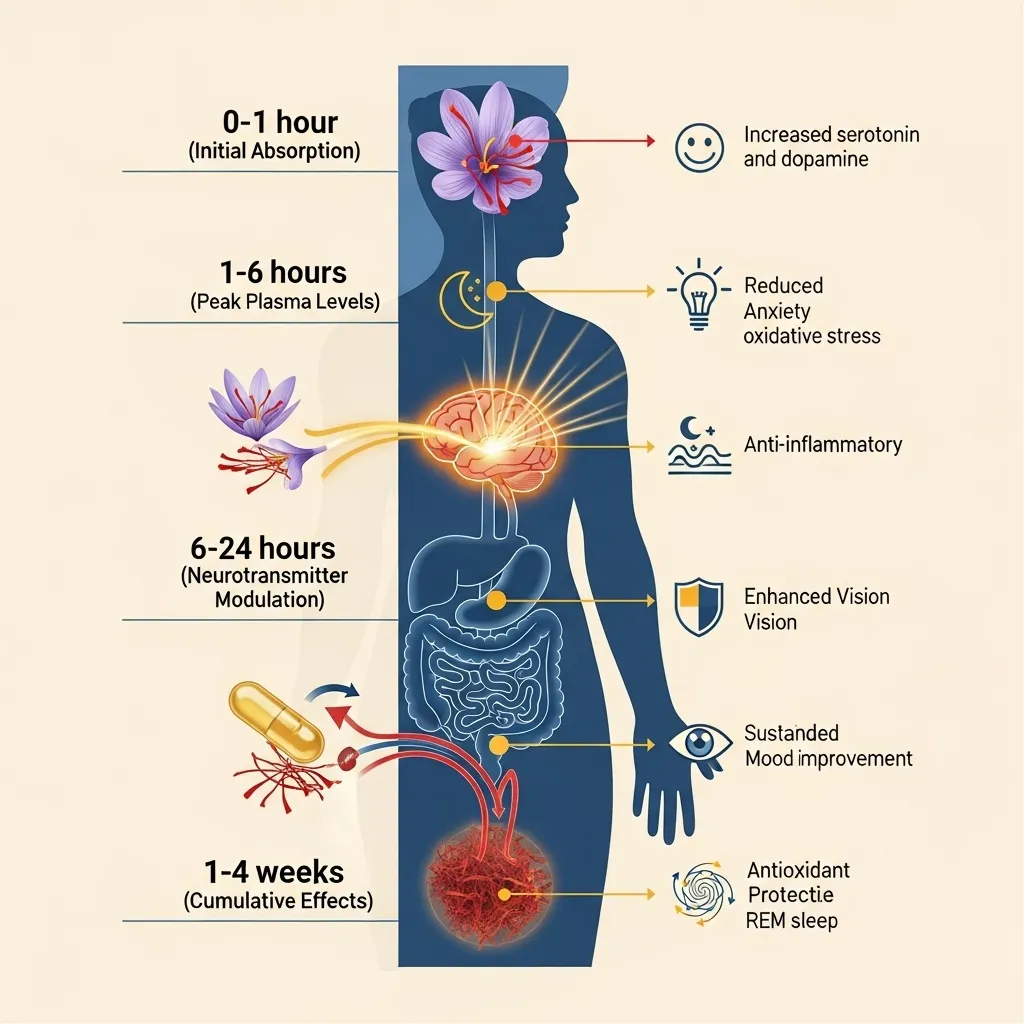
saffron benefits : Saffron has long been recognized in traditional Iranian medicine as having a warm and dry nature. One of its most significant benefits is its ability to treat depression, a quality that is even reflected in Persian poetry. For instance, Khaghani wrote:
“If saffron suits someone, let them rejoice, Since you are accustomed to sorrow, avoid saffron.”
Moreover, saffron has a strong aroma and a bitter taste. It offers numerous benefits, including:
- Improving digestion when consumed as saffron tea.
- Providing pain relief.
- Stimulating the nerves.
- Enhancing blood circulation and acting as a blood builder.
- Reducing postpartum bleeding.
- Strengthening sexual health.
- Cleansing and strengthening the liver.
- Relieving cough and benefiting bronchitis.
- Purifying the kidneys and bladder.
- Promoting calmness and sleep.
- Serving as an anticonvulsant.
- Eliminating stomach gas and aiding digestion.
- Acting as a diuretic.
- Bringing happiness and positivity when consumed regularly.
How to Use Saffron for Maximum Benefits
Saffron can be utilized in several forms, each offering its unique advantages:
Saffron Tea
To prepare saffron tea, add 2 grams of saffron to one liter of boiling water and let it steep on very low heat for 30 minutes.
Saffron Tincture
For a saffron tincture, grind 1 gram of saffron and mix it with 10 grams of 80-degree alcohol. Store the mixture in a sealed glass jar in a dark place, shaking it daily. After two weeks, strain it for use.
Saffron Powder
To make saffron powder, dry the saffron in an oven at 25°C, then grind it and sift it through a fine mesh to obtain a soft powder.
Potential Risks of Saffron Consumption
saffron benefits :It is important to be aware of the risks associated with saffron. Since it affects the reproductive system, pregnant women should avoid it, as it may lead to miscarriage. Furthermore, overconsumption of saffron can harm the kidneys, decrease appetite, cause headaches, and lead to mental confusion. To preserve its fragrance and color, it is essential to store saffron in airtight jars, away from light.







Get Social