

Who Cannot Use Saffron?
Saffron is a prized spice known for its rich color, flavor, and health benefits. While saffron offers various medicinal advantages, certain individuals should avoid or limit its use. Here, we’ll discuss who should avoid saffron and the conditions that may require caution when consuming this spice.
Pregnant Women
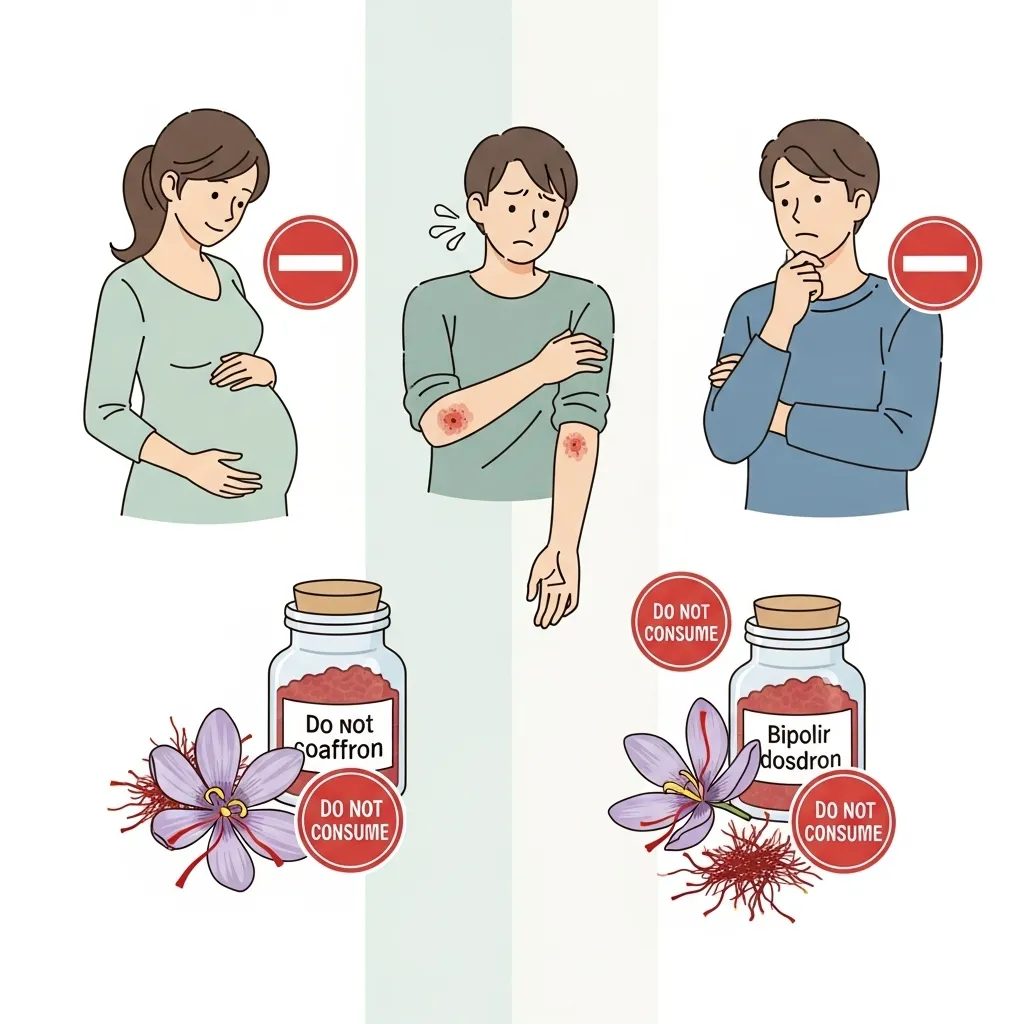
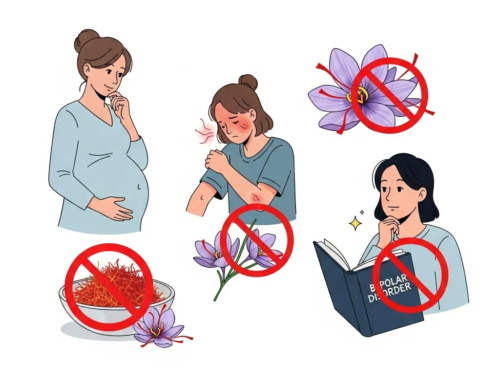
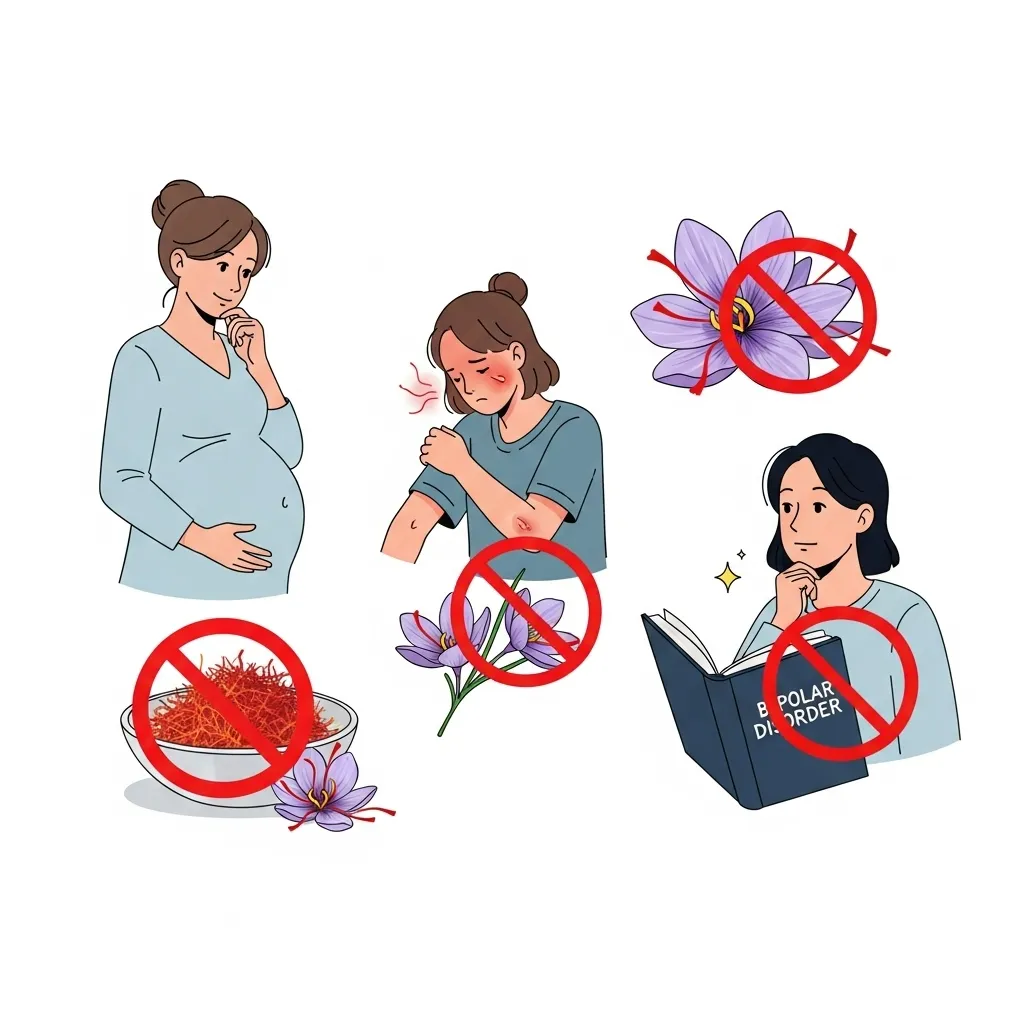
Pregnant women should exercise caution when consuming saffron. While small amounts of saffron in food are generally considered safe, high doses can trigger uterine contractions. This could potentially lead to premature labor or miscarriage, especially during the early stages of pregnancy. As a precaution, it is best to avoid saffron supplements or large amounts of saffron tea during pregnancy. Always consult with a healthcare provider before consuming saffron during pregnancy.
People with Allergies
Some individuals may be allergic to saffron. Symptoms of an allergic reaction can include rashes, swelling, dizziness, or difficulty breathing. If you have a known allergy to saffron or any of its components, it’s important to avoid using it. If you suspect an allergy, it’s advisable to perform a patch test or consult a doctor before incorporating saffron into your diet or skincare routine.
People with Low Blood Pressure
Saffron is known for its ability to lower blood pressure. While this can be beneficial for those with high blood pressure, individuals with naturally low blood pressure may need to avoid saffron. Consuming too much saffron could lead to dangerously low blood pressure, causing symptoms such as dizziness, fatigue, or fainting. If you have low blood pressure, it’s best to consult a healthcare professional before using saffron regularly.
Individuals on Certain Medications
People who are taking certain medications, such as blood thinners or antidepressants, should avoid excessive saffron consumption. Saffron can interact with these medications, leading to unwanted side effects. For instance, saffron may increase the risk of bleeding when taken with anticoagulants. If you are on medication, consult your doctor before using saffron as a supplement or in large amounts.
People with Certain Medical Conditions
Individuals with specific medical conditions should also avoid saffron or use it in moderation. Those with conditions such as schizophrenia or bipolar disorder should be cautious, as high doses of saffron could exacerbate symptoms. Additionally, people with gastrointestinal issues may want to limit saffron intake, as it could potentially cause stomach irritation in large amounts.
If you are unsure whether saffron is safe for you, it’s always best to consult with a healthcare professional before incorporating it into your routine. For high-quality saffron, visit Rowhani Saffron for trusted, premium saffron products.
Conclusion
While saffron offers many health benefits, certain individuals should avoid it or use it in moderation. Pregnant women, people with allergies, those with low blood pressure, individuals on certain medications, and those with specific medical conditions should exercise caution. Always consult with a healthcare provider before using saffron to ensure it is safe for you. For top-quality saffron, visit Rowhani Saffron.
For more information or to explore our premium saffron offerings, visit Rowhani Saffron.







Get Social