

 saffron health benefits : The Risks of Saffron You Should Know About
saffron health benefits : Saffron is one of the most flavorful and aromatic spices available, with the best varieties grown in Iran. While saffron has numerous benefits, it is essential to be aware of its potential risks and use it with care.
Best Way to Store Saffron
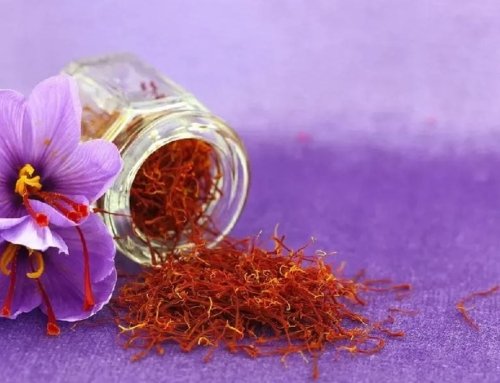
Saffron, especially after being ground, should be stored in a glass jar away from light and moisture. This is because saffron’s aromatic essence can evaporate over time if not stored correctly, which can diminish its medicinal effects, flavor, and quality.
Side Effects of Saffron You Should Be Aware Of
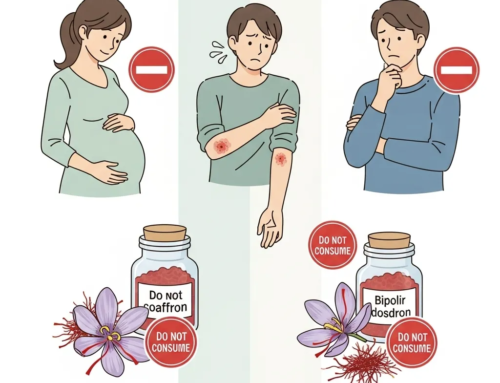
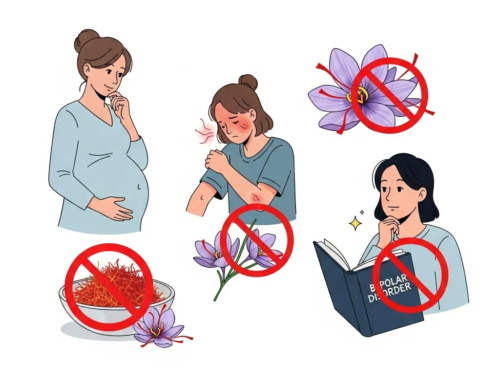
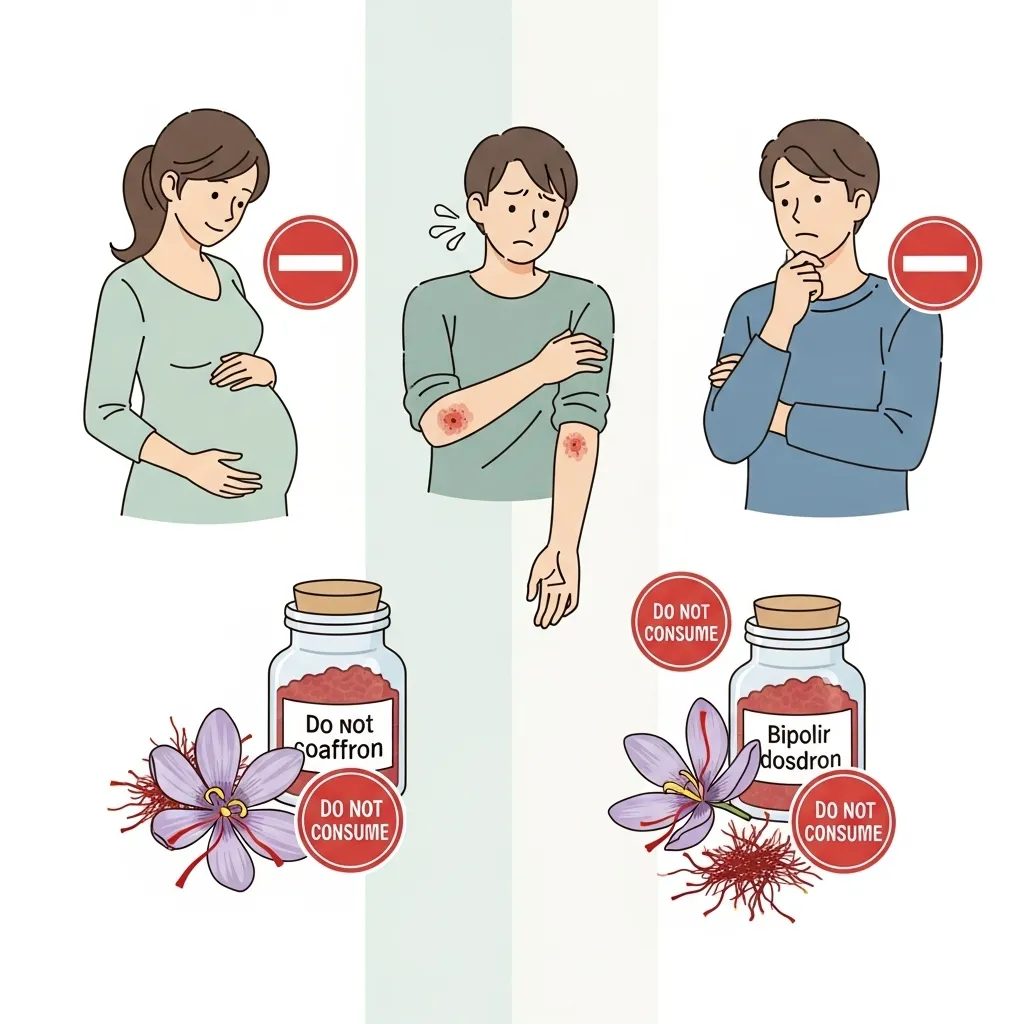
saffron health benefits : Excessive consumption of saffron can cause a drop in blood pressure and excessive thinning of the blood, which may lead to issues such as nosebleeds or uterine bleeding in women. Overuse of saffron is also not recommended for pregnant women as it can lead to miscarriage during the early stages of pregnancy.
Additionally, excessive saffron consumption can cause nausea, a slow heart rate, nosebleeds, bleeding from the eyelids and lips, dizziness, fatigue, jaundice, and other dangerous side effects, which could even result in death.
Excessive saffron consumption is harmful to the kidneys, reduces appetite, causes headaches, and affects mental clarity.
Saffron in large amounts is toxic and can cause vomiting, uterine bleeding, bloody diarrhea, nosebleeds, bleeding from the eyelids and lips, dizziness, fatigue, jaundice, and severe muscle contractions, with some cases leading to death.
Excessive saffron intake during menstruation can increase anxiety levels.
High saffron consumption can alter skin color.
Because of its warm nature, saffron may cause diarrhea, dehydration, and blood secretion through urine.
Saffron During Pregnancy
Saffron consumption during the critical first three months of pregnancy, when the baby’s organs are forming, can harm the fetus. Consuming saffron during this period increases the hormone prostaglandin in the uterus, which directly stimulates the smooth muscles of the uterus, leading to a risk of miscarriage. However, moderate consumption after the first trimester can be beneficial, helping the mother prepare for an easier delivery. Saffron enhances the elasticity of the uterine tissues, making labor easier.
saffron health benefits : How Much Saffron Can You Safely Consume?
It is safe for individuals to consume up to three grams of saffron per month. Consuming more than five grams of saffron in a single meal can cause side effects such as dizziness, reduced heart rate, and nausea.
Manufacturers of fake saffron use non-standard dyes and preservatives in their products. While these products contain saffron, the amount of saffron in them is minimal. The issue is that the texture and color of fake saffron resemble that of real saffron so closely that it is difficult to tell them apart. Therefore, the next time you buy saffron, make sure to buy from reputable brands.
saffron health benefits : Saffron and Weight Loss
Many weight-loss supplements also use saffron for its color and flavor. If you’re following such a diet, be cautious. Prolonged use of saffron may be dangerous. When using saffron supplements for weight loss, be sure that the duration of use doesn’t exceed six weeks. It’s always recommended to undergo saffron supplementation under a specialist’s supervision. Avoid adjusting the saffron supplement dosage without consulting your doctor or fitness coach.
saffron health benefits : How to Make Saffron Tea
Brewing saffron to make saffron tea is a unique experience. To prepare this tea, add 1/3 teaspoon of saffron to a pot of hot water along with some green tea. Allow it to steep and then enjoy the fragrant and flavorful saffron tea with rock candy or sugar.







Get Social